

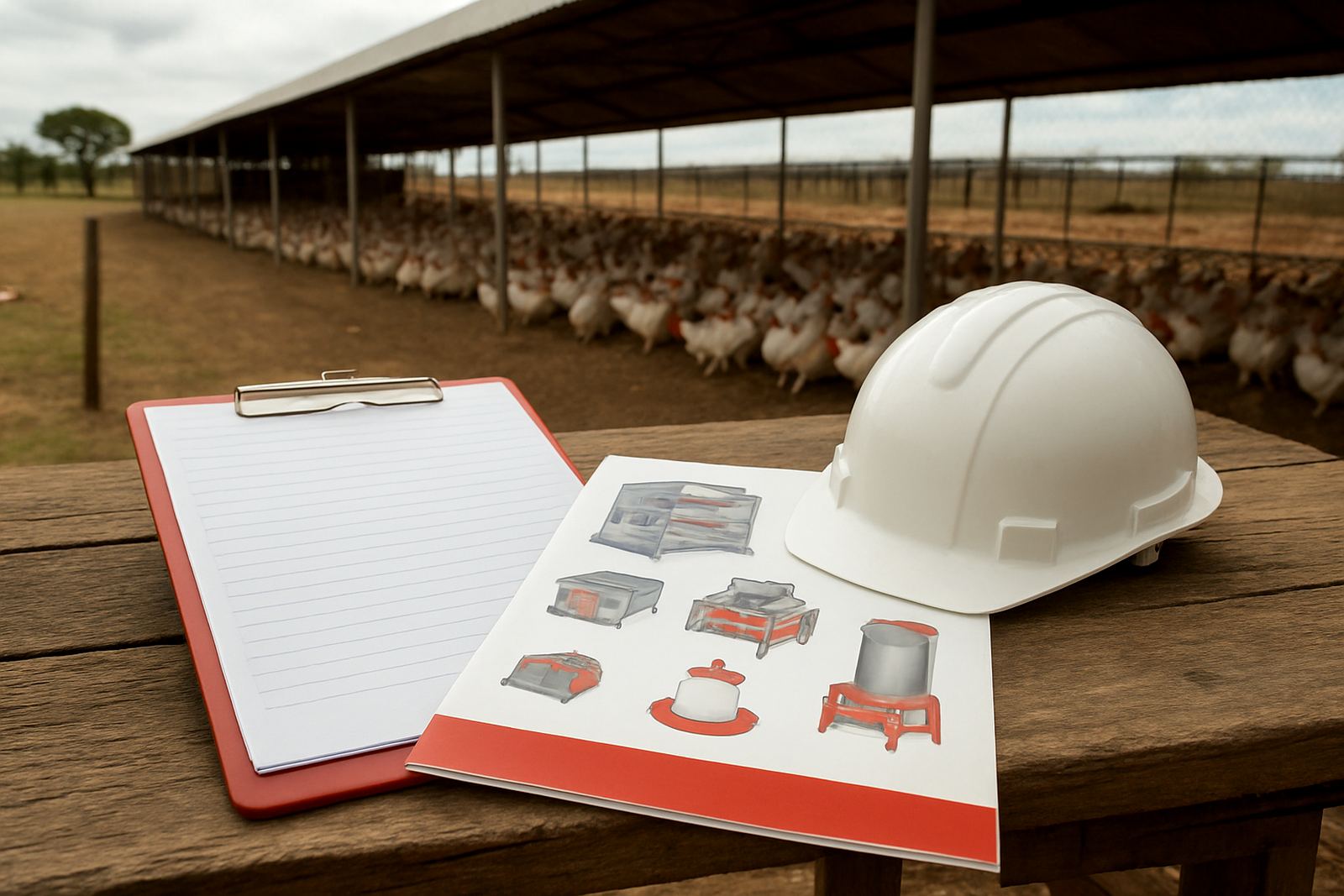
What We Cover in the Newsroom
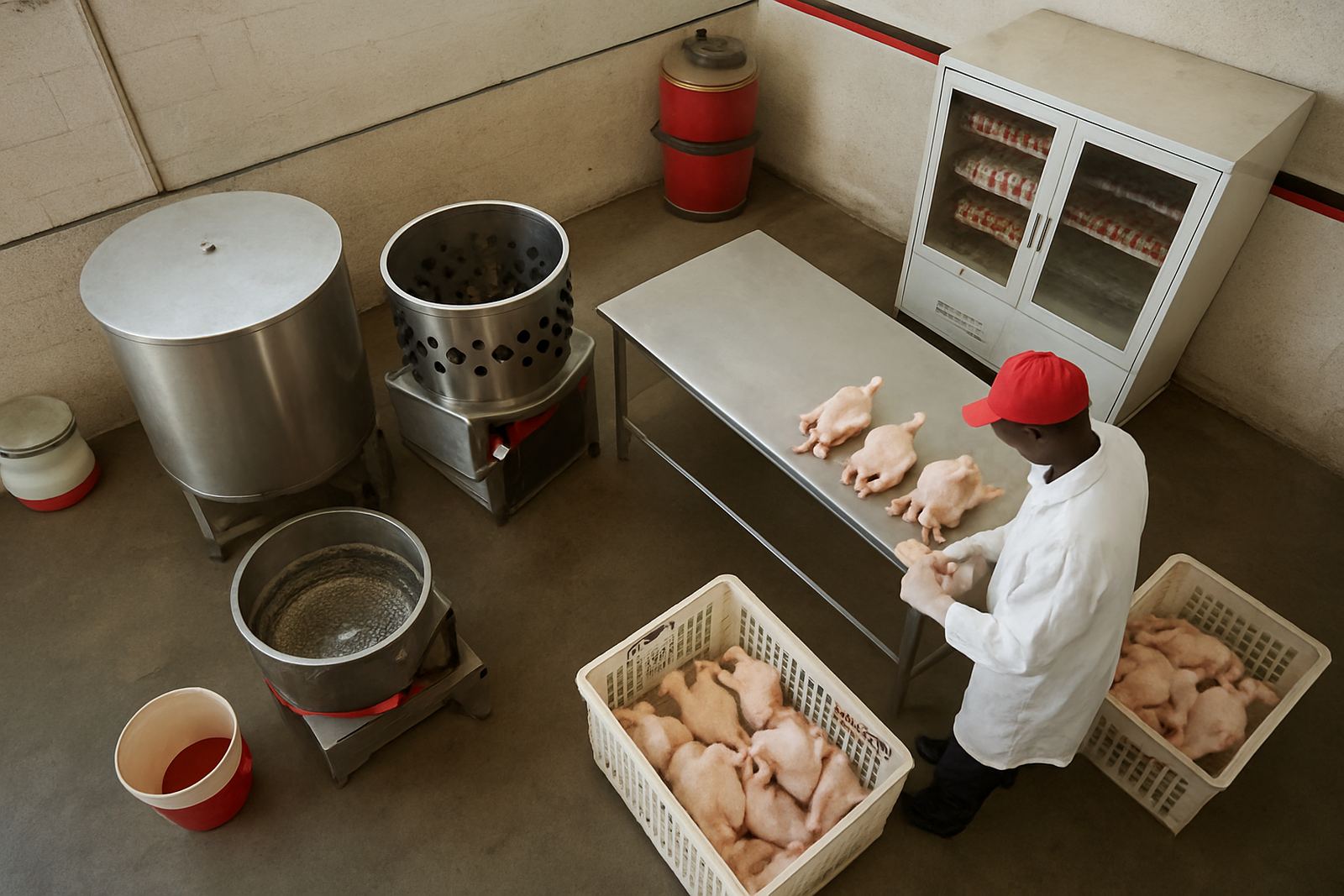
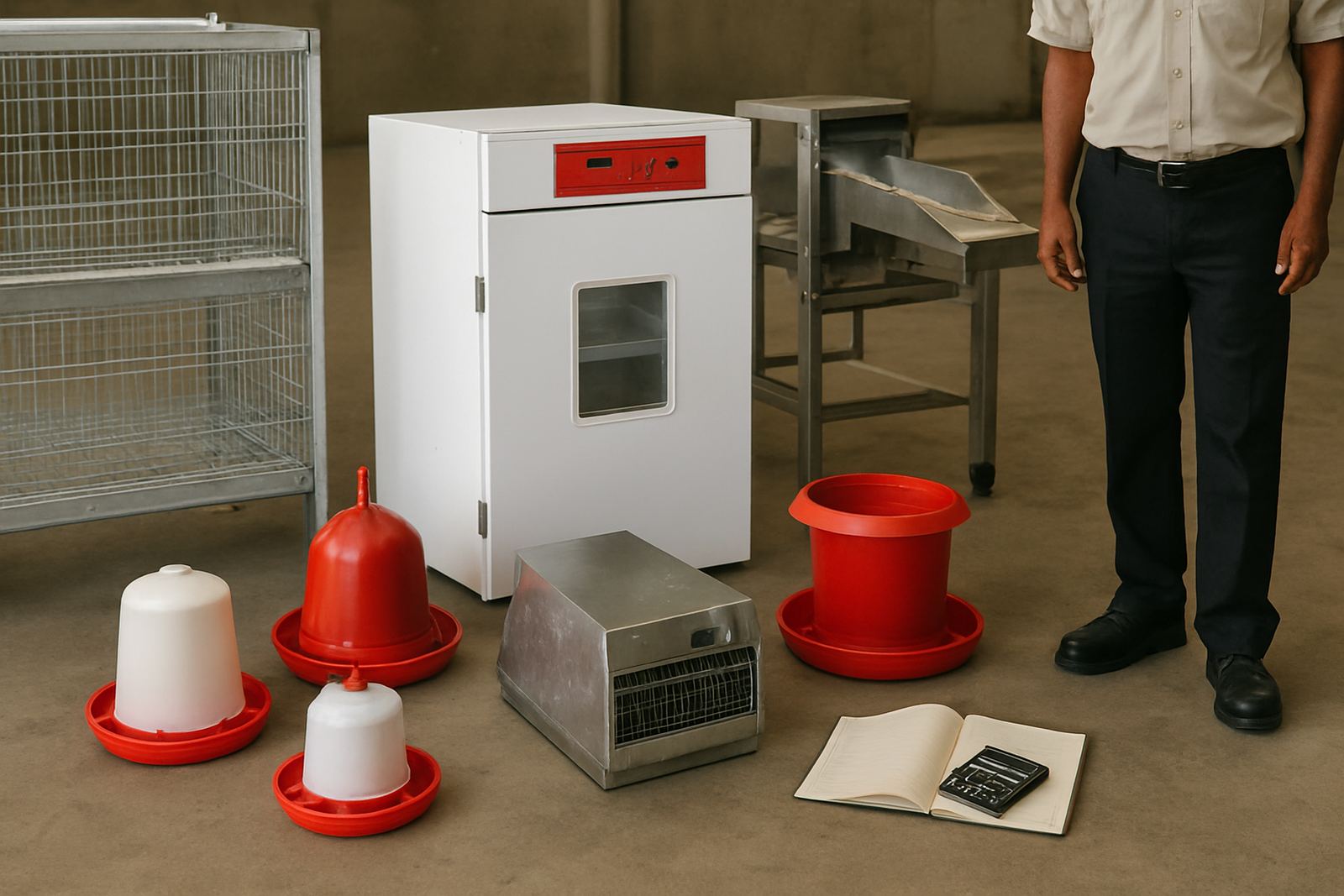
The Newsroom brings together practical guidance for poultry and agri-processing buyers who need to compare options before they spend money. It covers laying-hen cages, incubators, brooders, feeders, drinkers, abattoir equipment and the planning that sits around a working site, from power supply to wash-down points.
Articles are written for South African conditions, so you will see references to load-shedding, hot summers, coastal humidity and municipal compliance where it matters. The aim is simple: help you spot what will work on your farm or processing room, and what will only look fine on paper.
How to Choose the Right Article for Your Project
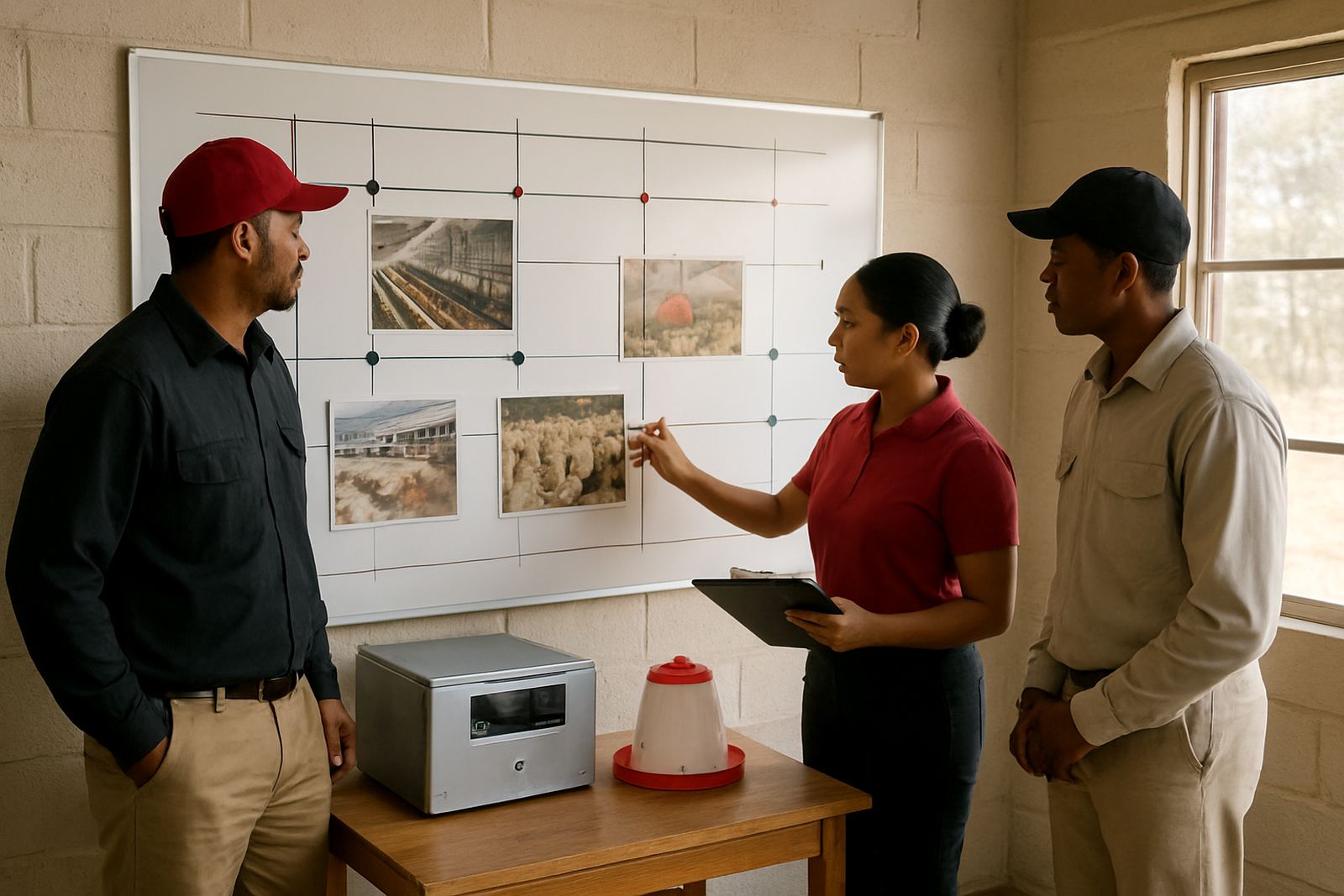
If you are still early in the process, start with planning and sizing content. If you already know your shed or room dimensions, move to equipment selection and house layout notes. That way you can compare stocking density, workflow and cleaning access before you commit to a specification. A good article should leave you with a few clear questions, not a pile of guesswork.
- New poultry unit: begin with site planning and house layouts
- Expanding an existing operation: read maintenance and upgrade notes
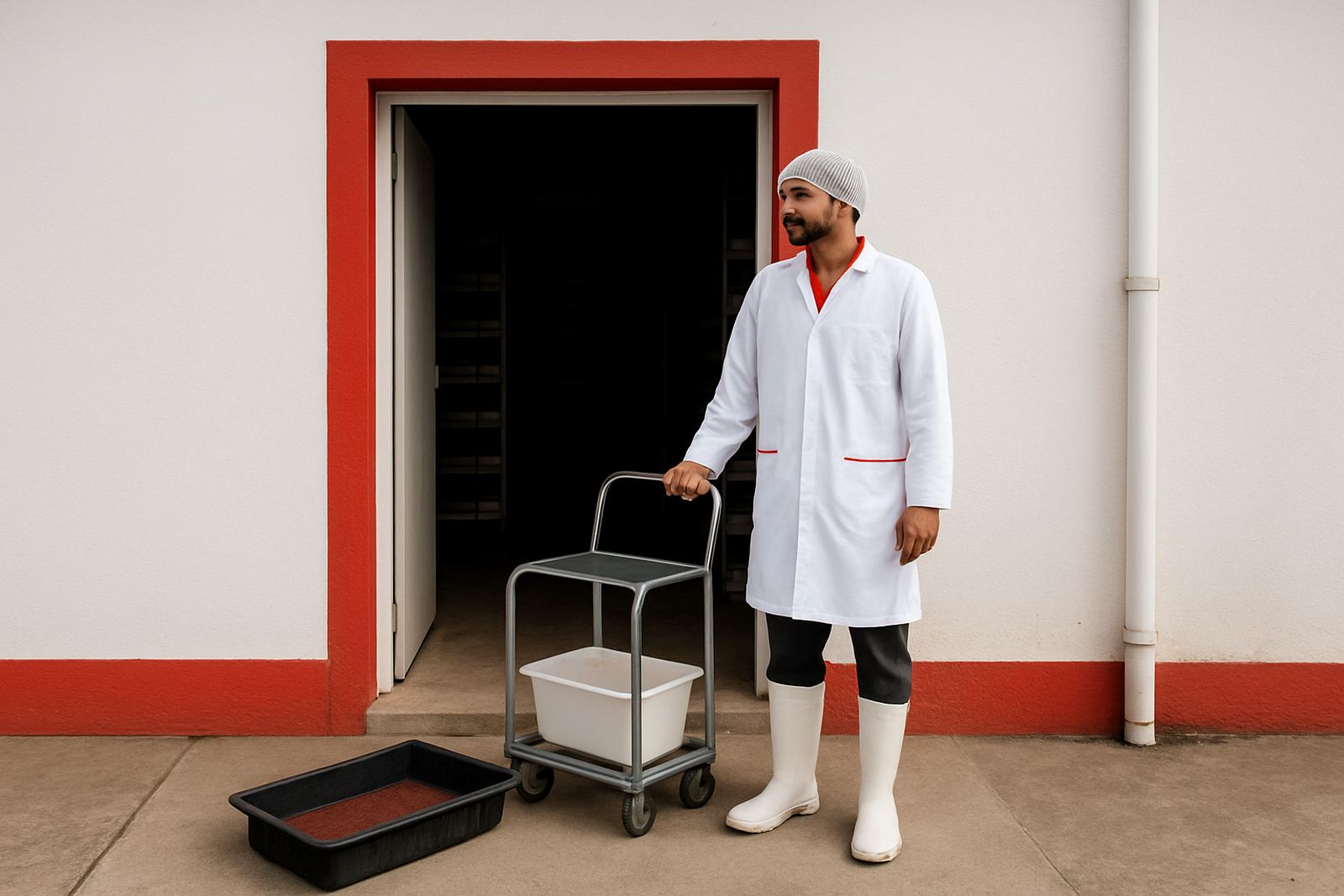
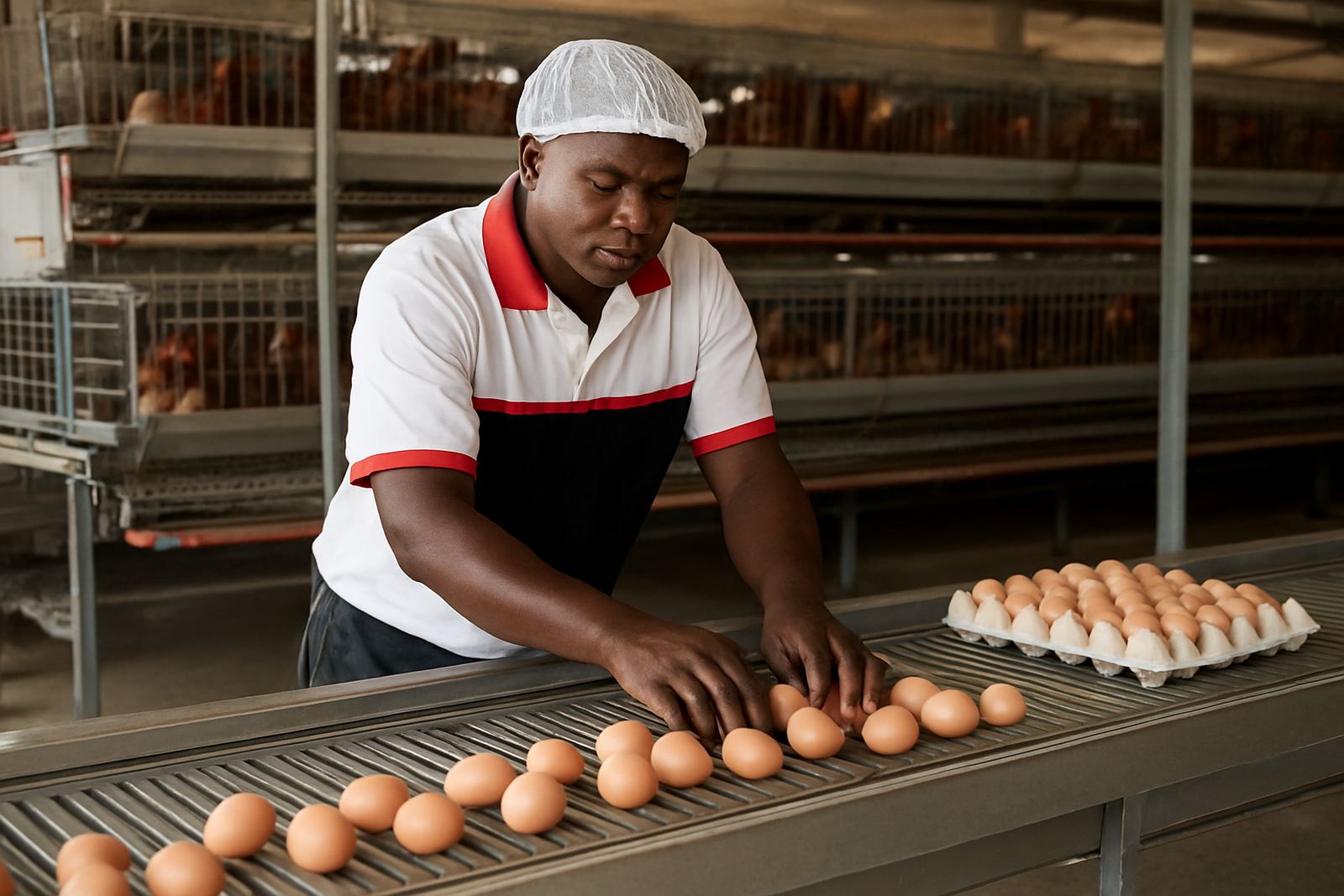
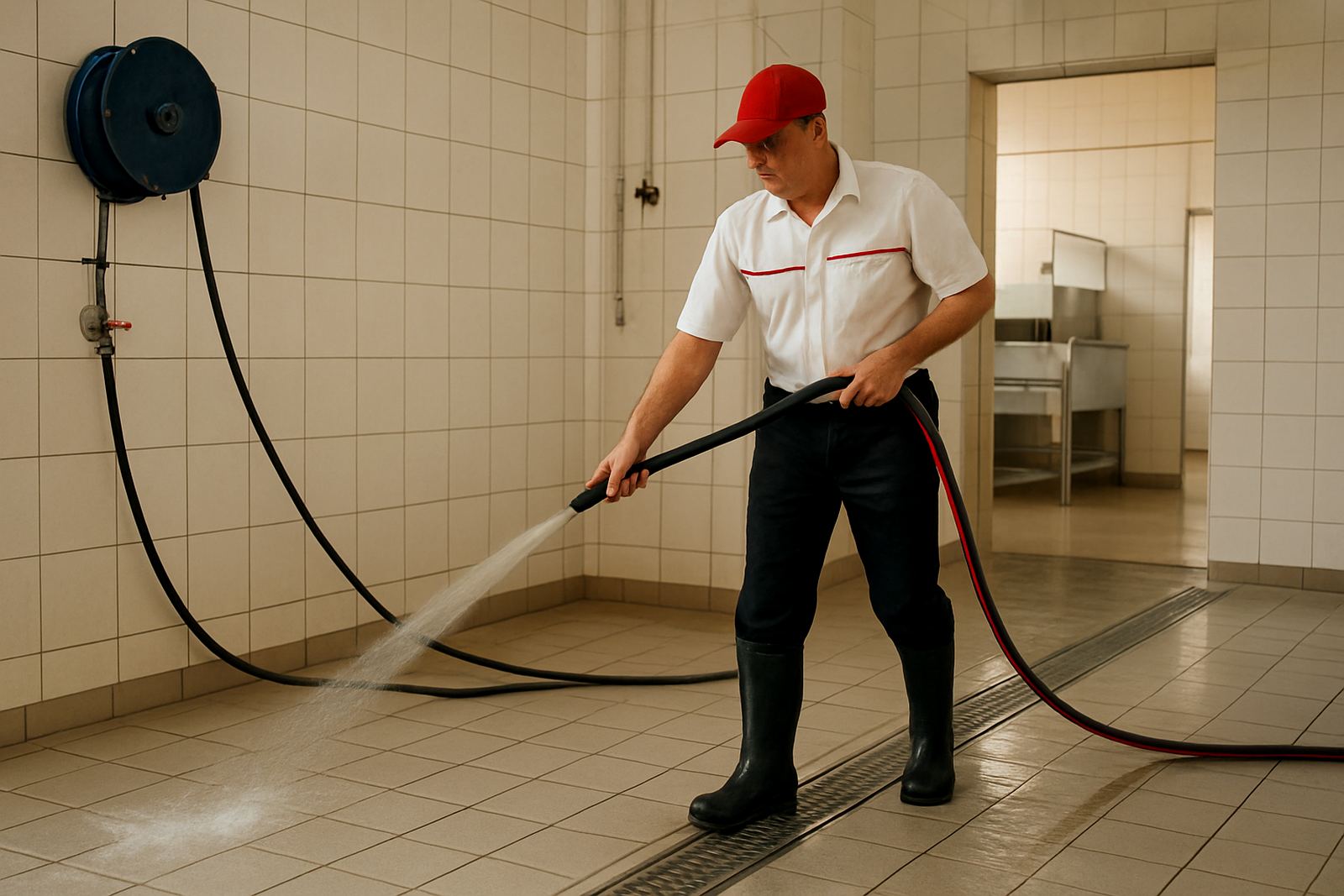
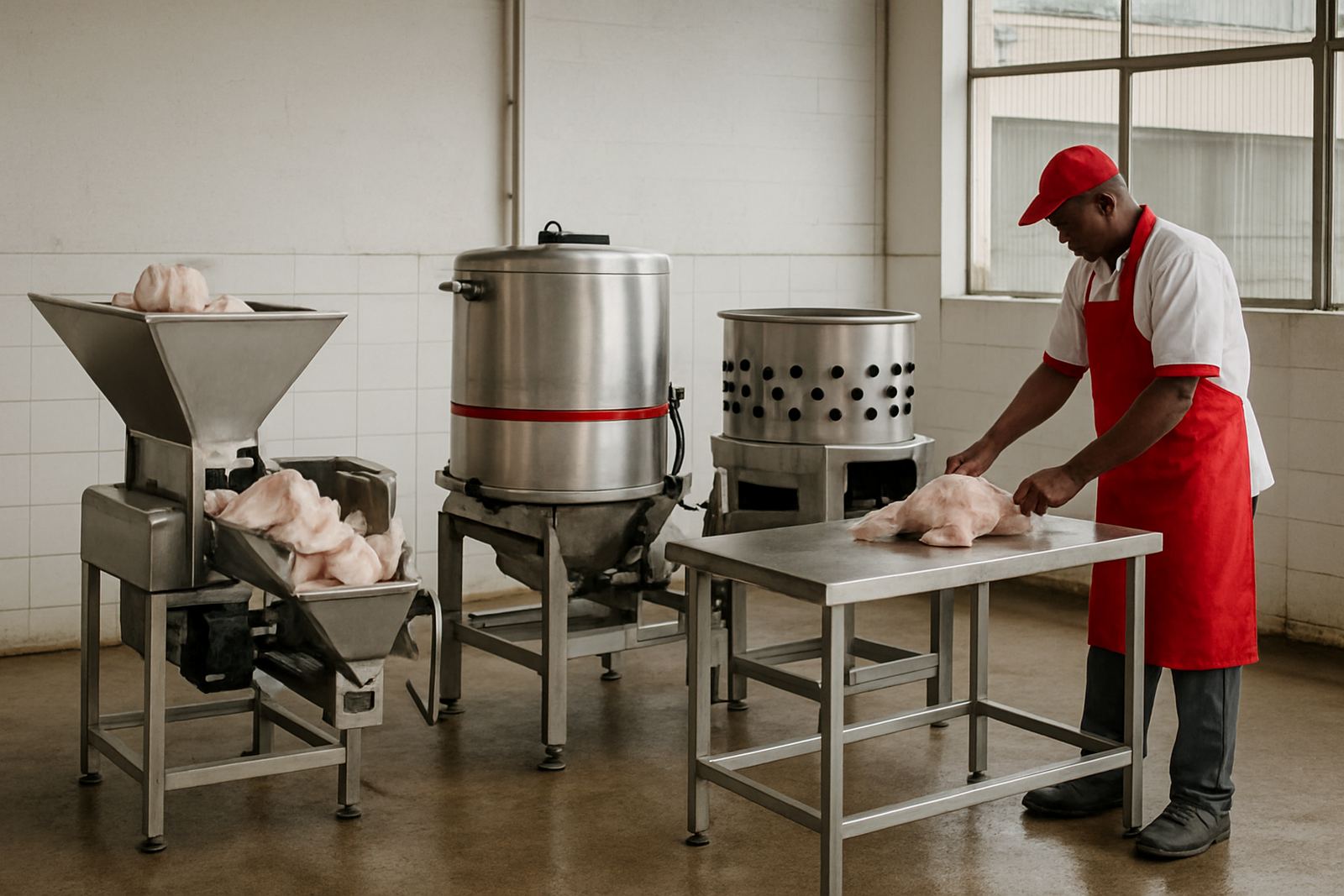
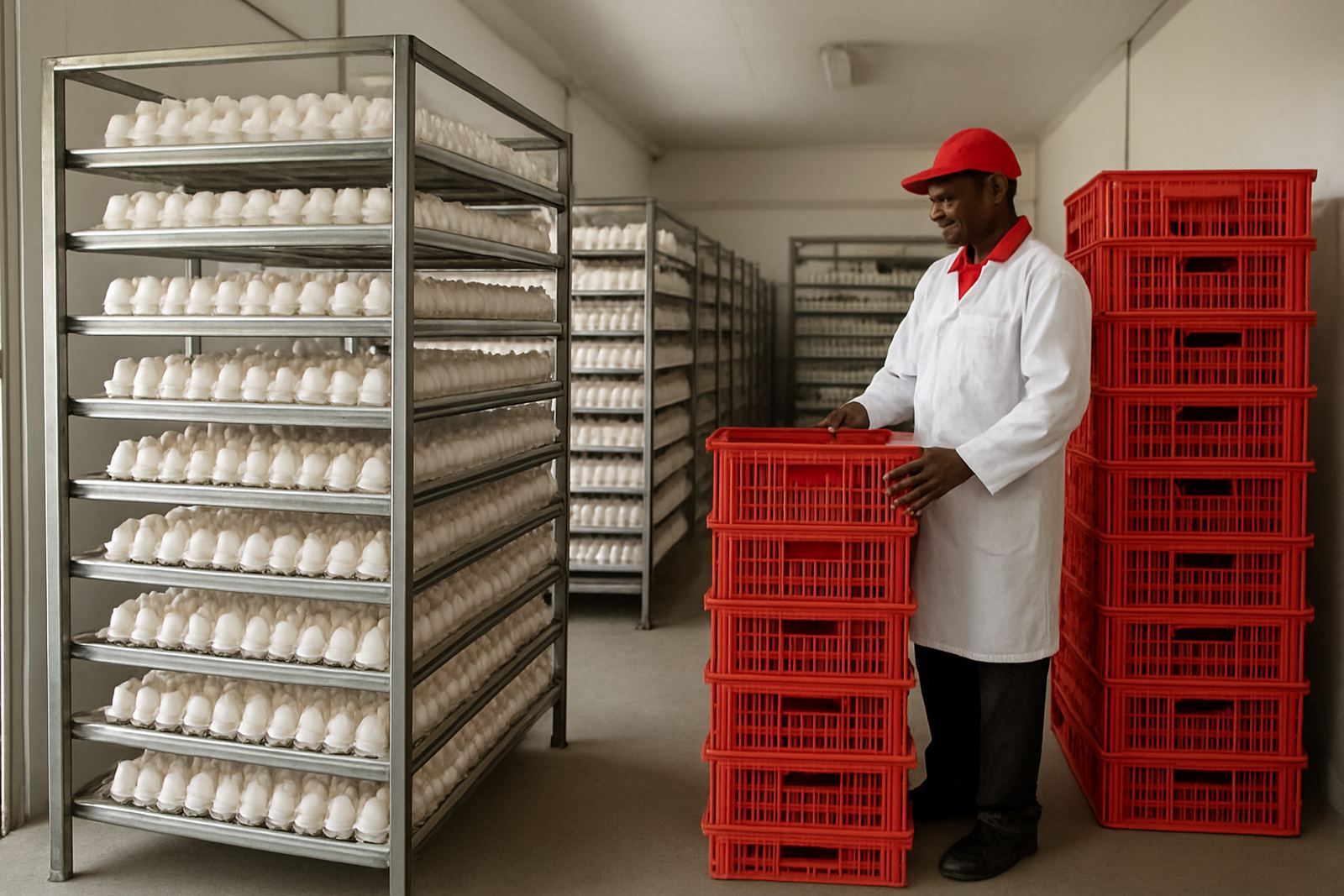
- Processing or on-farm sales: check abattoir fitout and drainage guidance
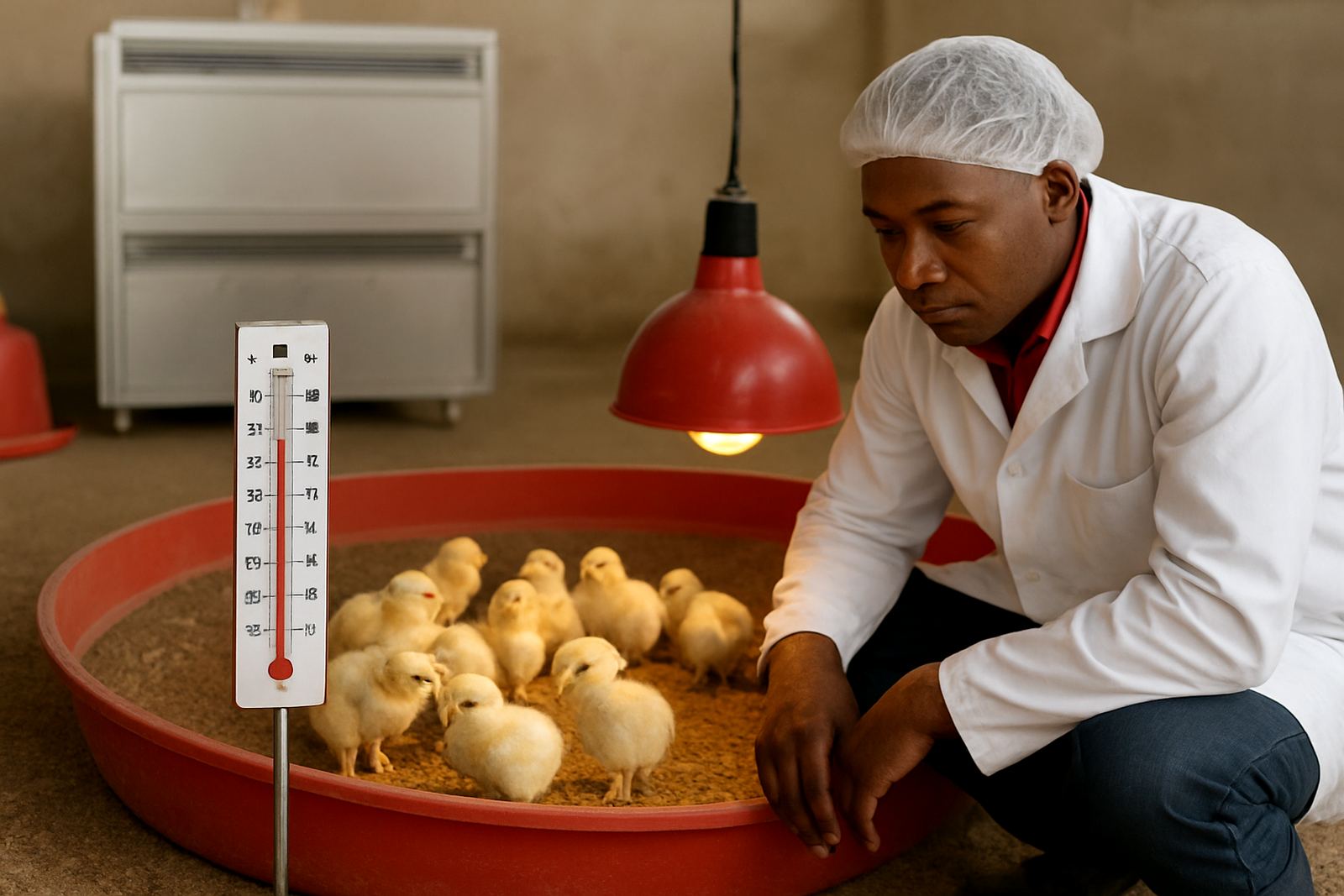
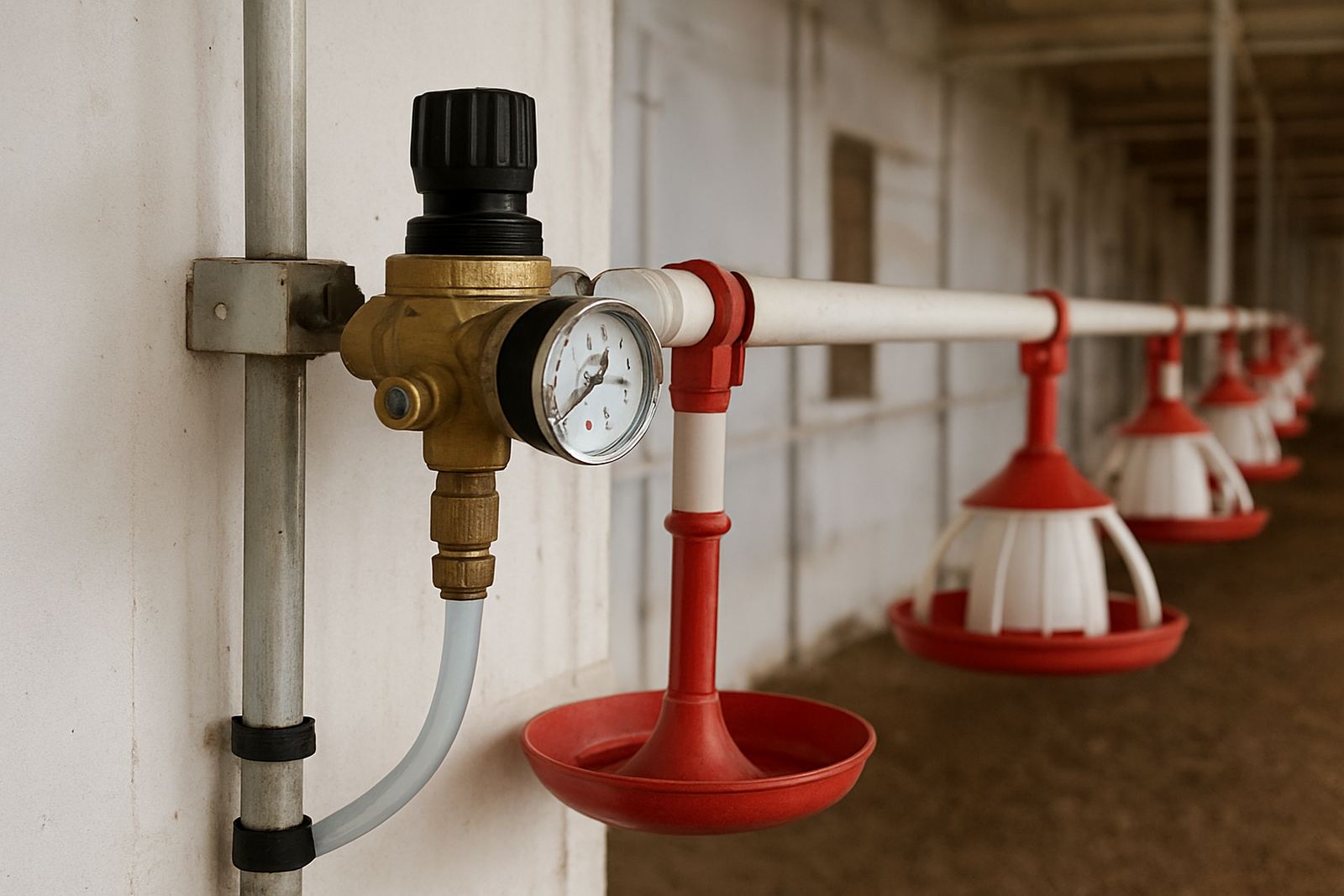
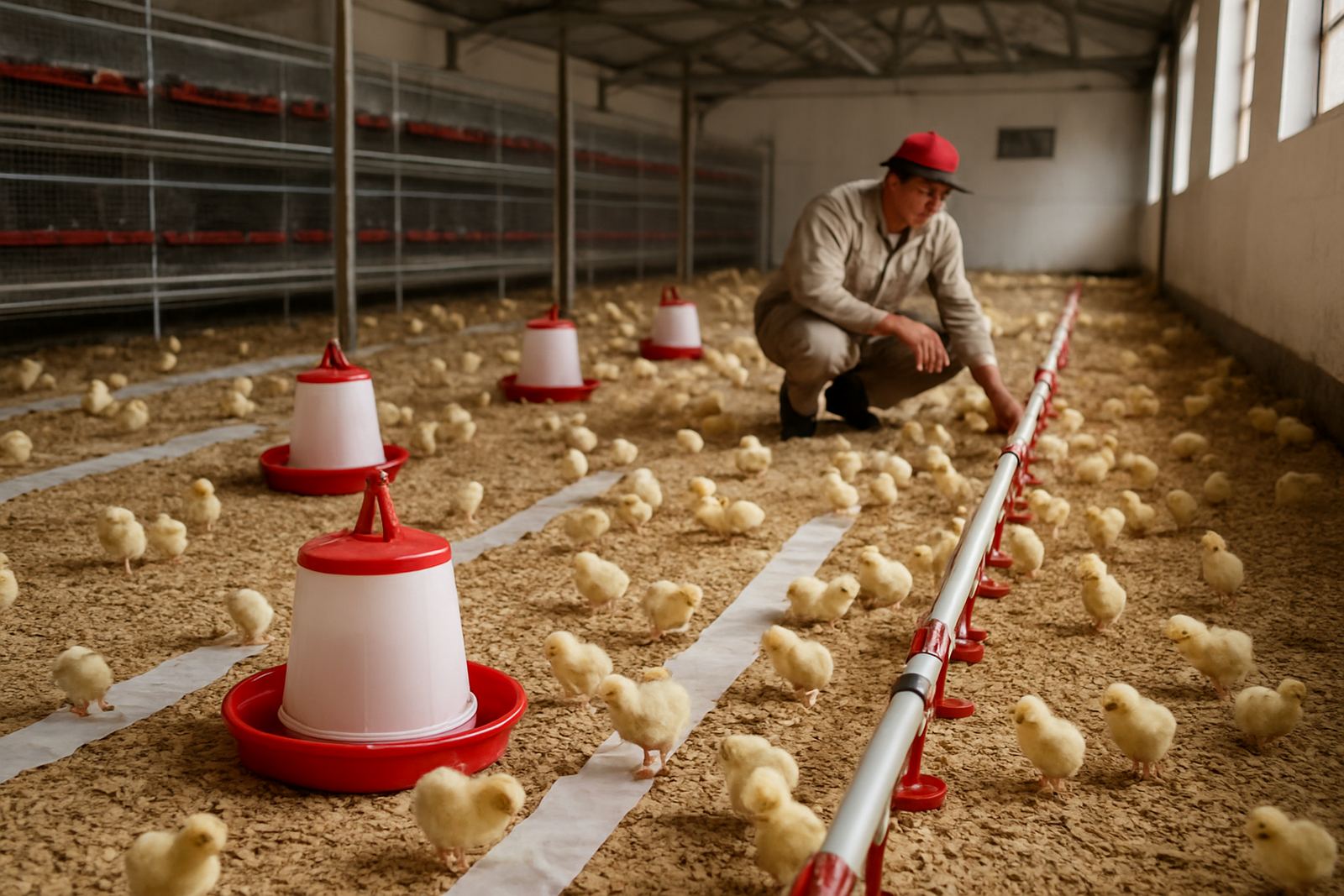
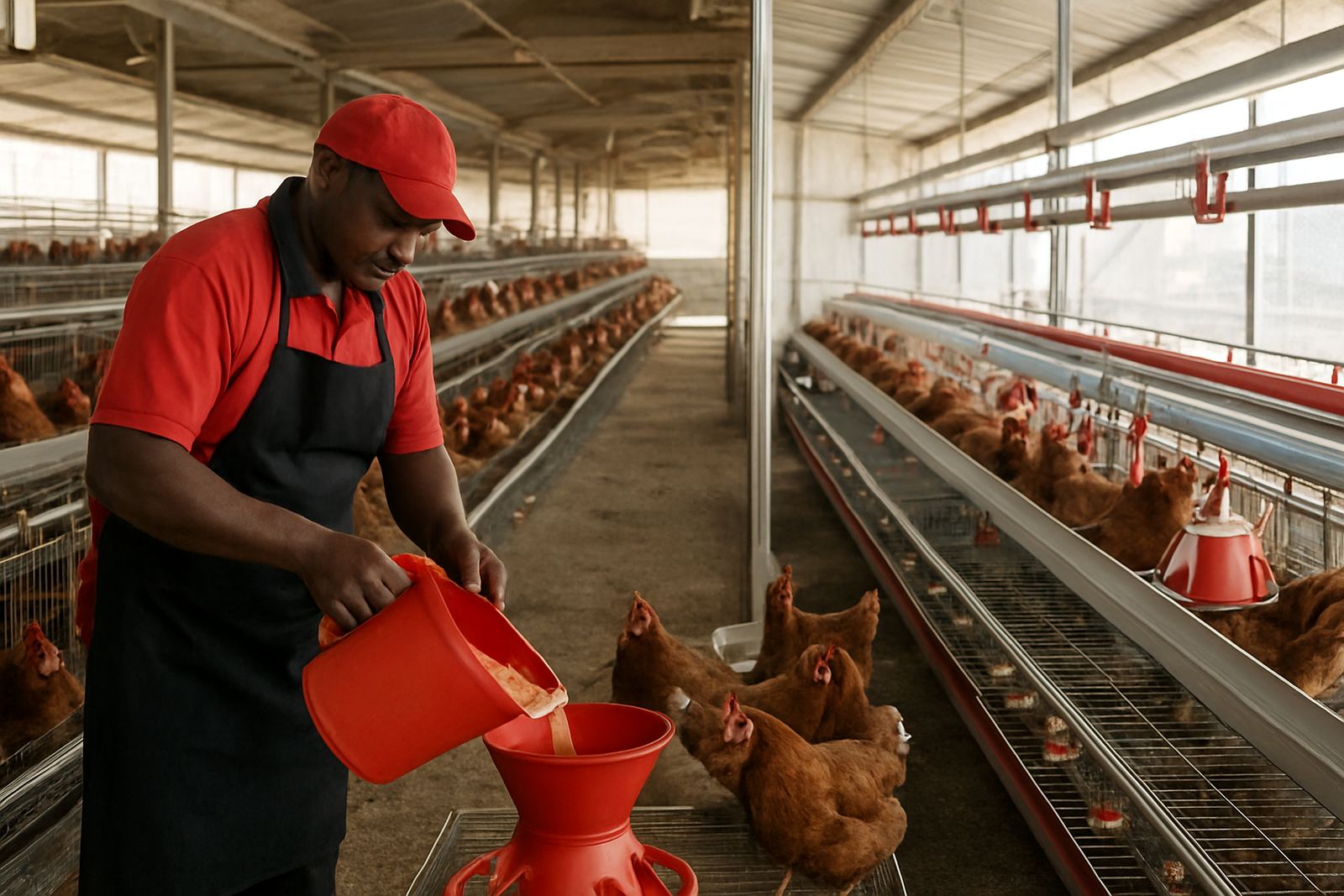
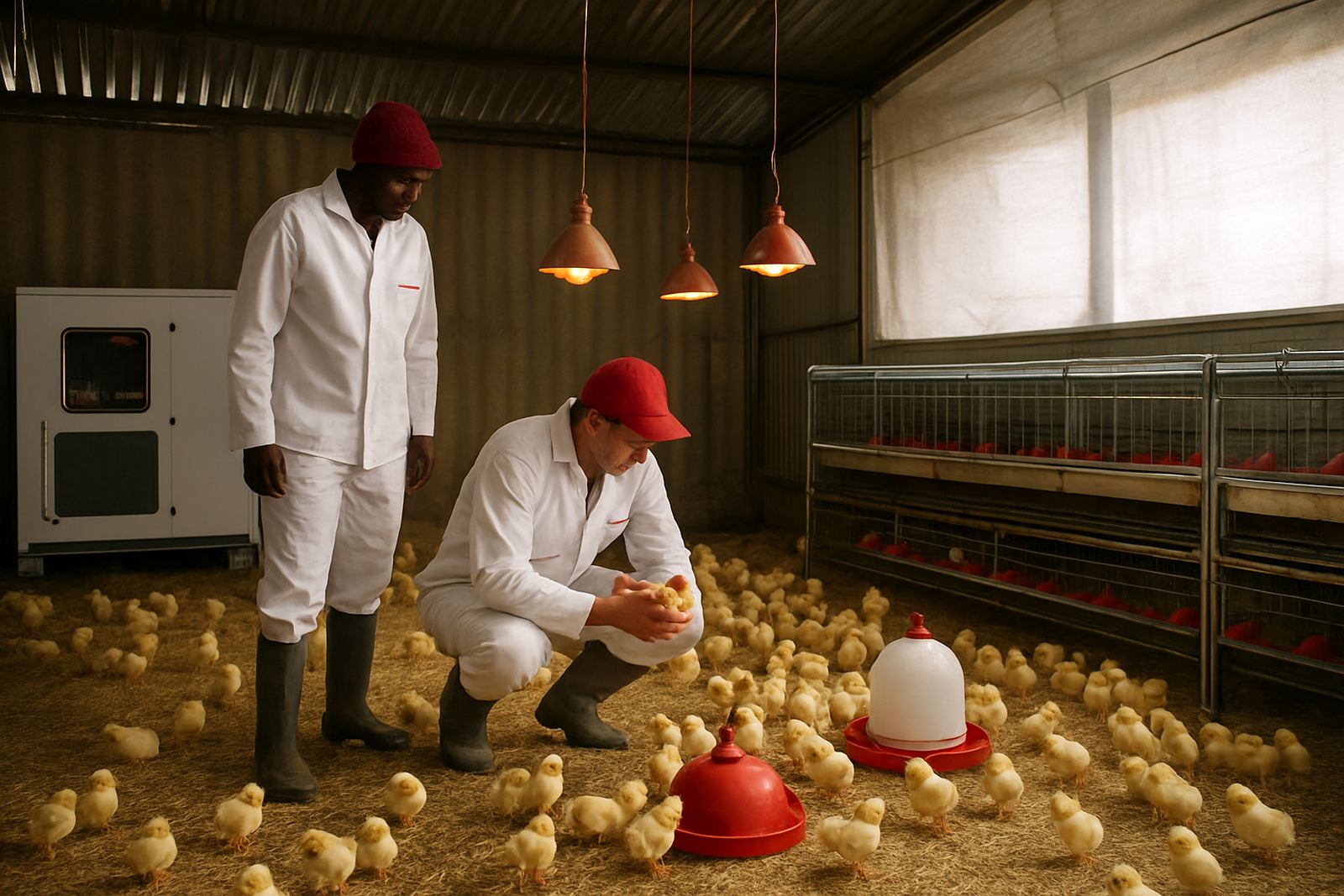
- Chicks and brooding: look at heater, feeder and drinker placement
We also cover small but important details like service access, spare parts and operator training. Those things are often missed at quote stage, and then they cost time later, especially when a motor fails on a Friday afternoon or a room needs cleaning before an inspection.
Poultry Equipment Topics Buyers Ask About Most
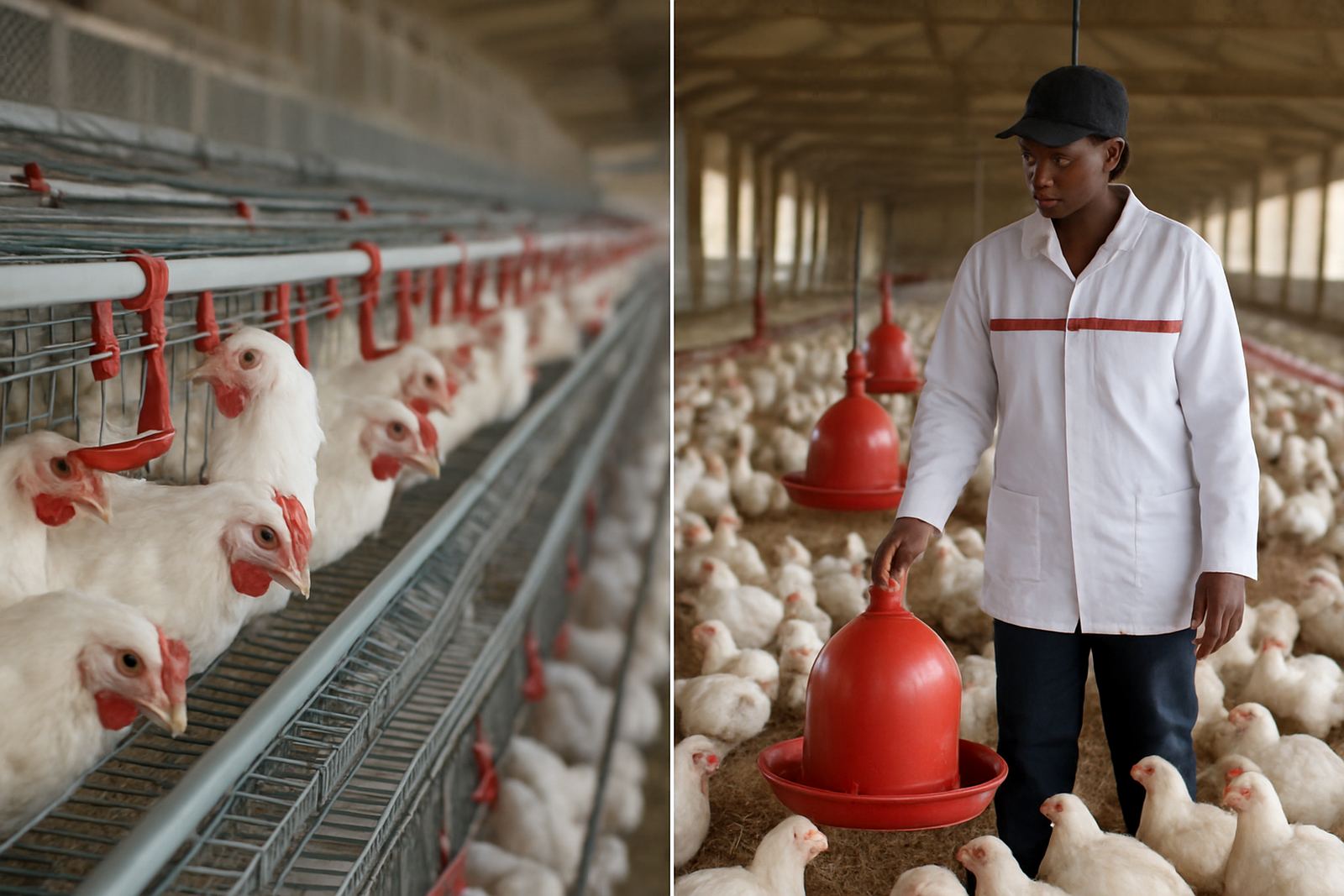
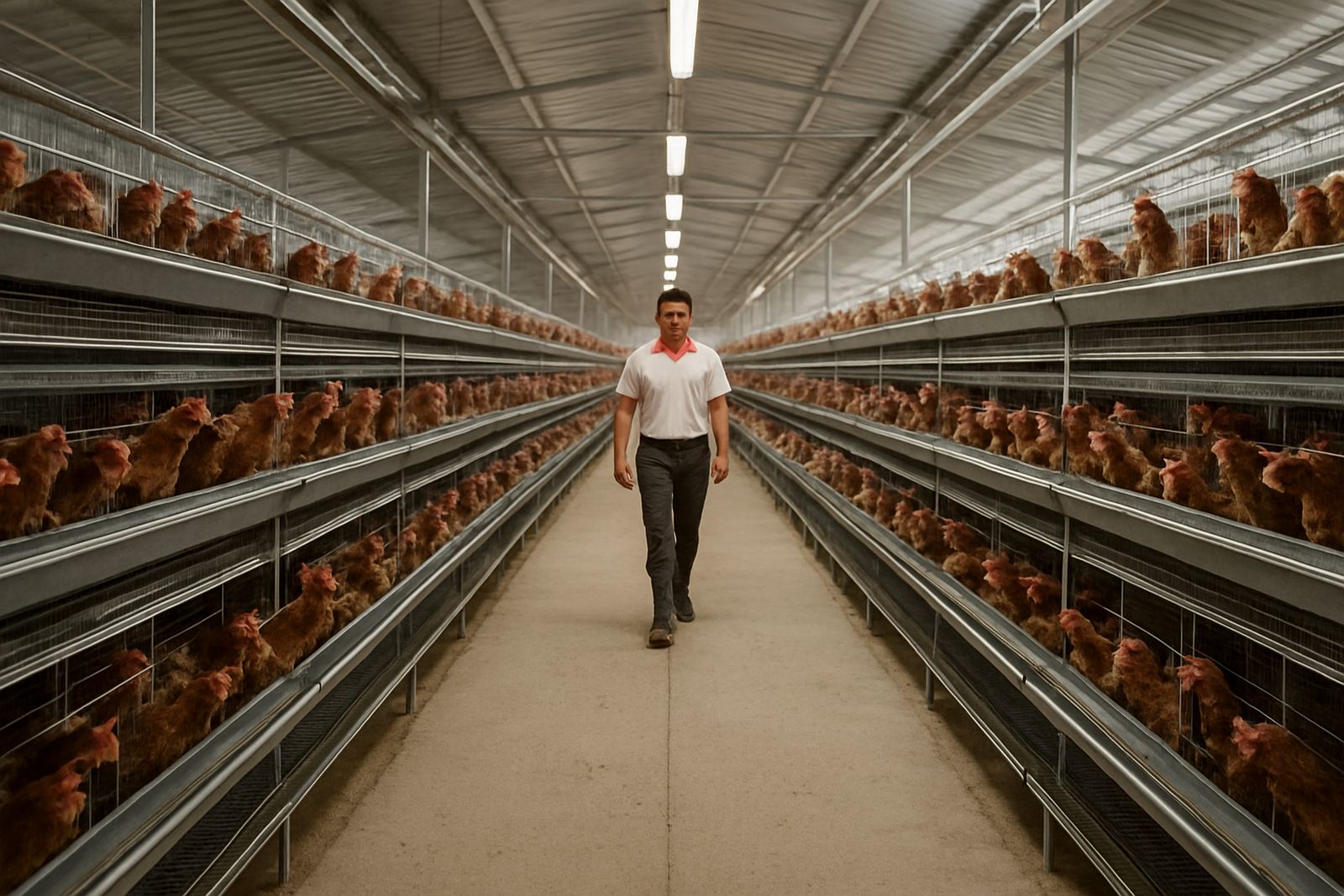
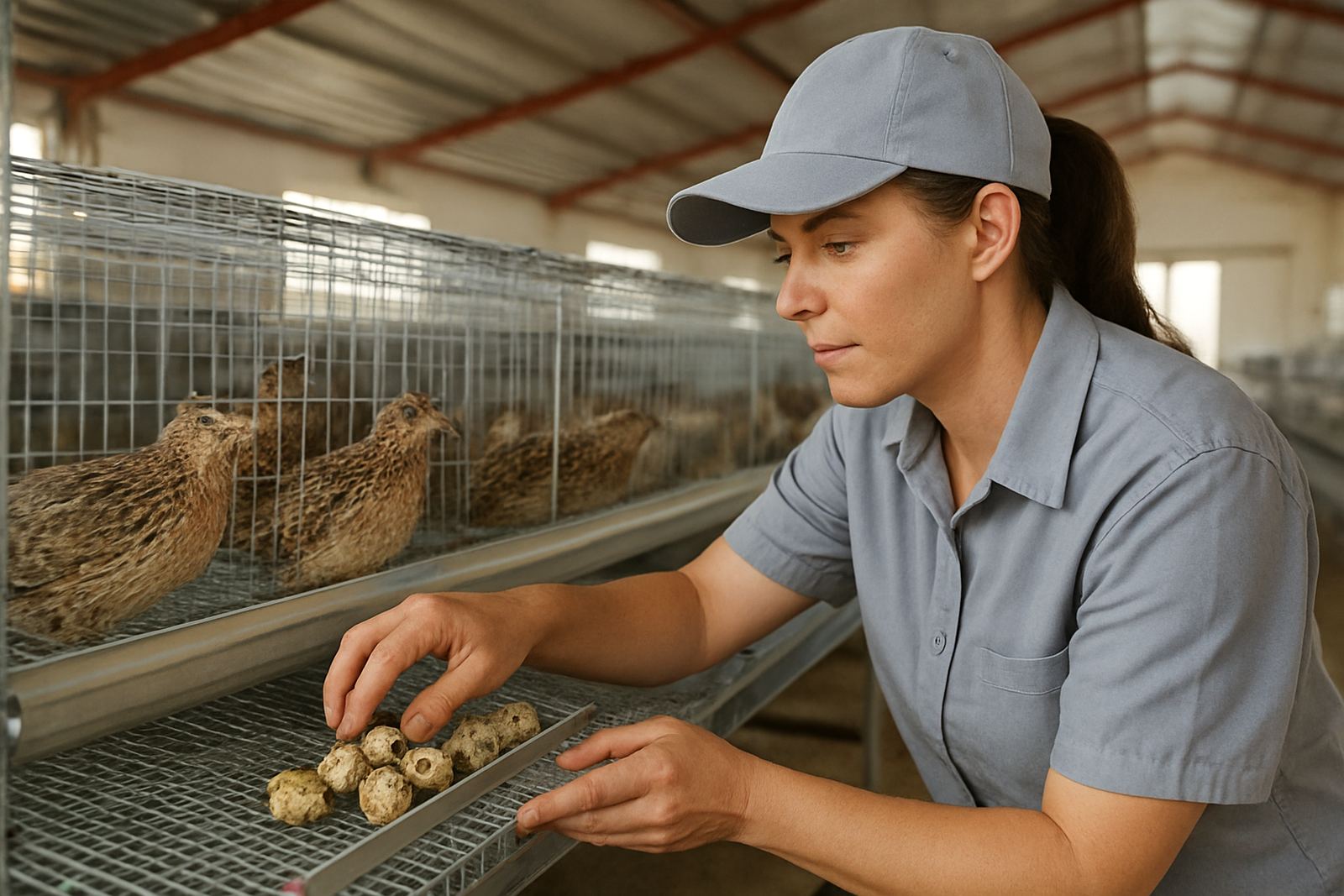
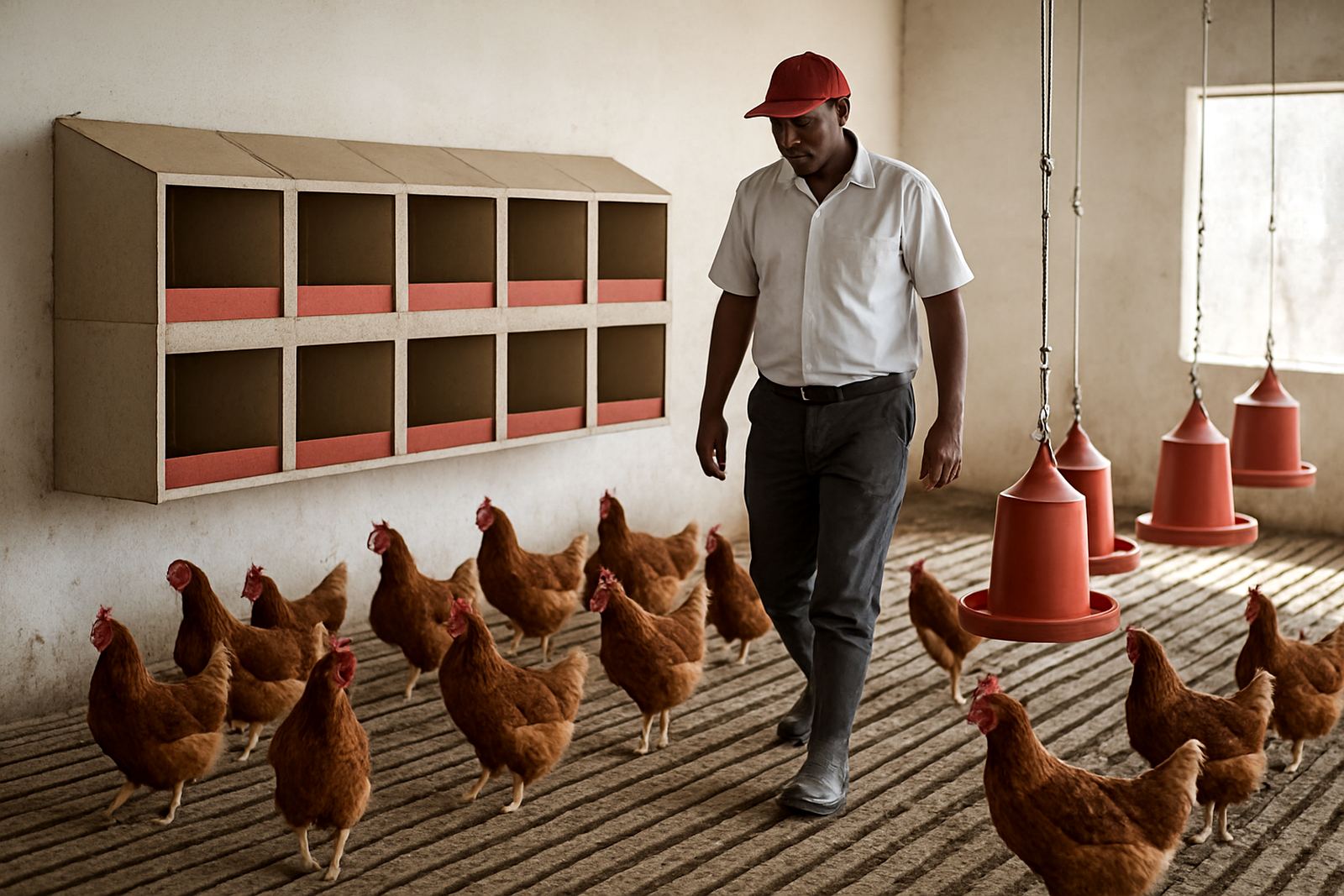
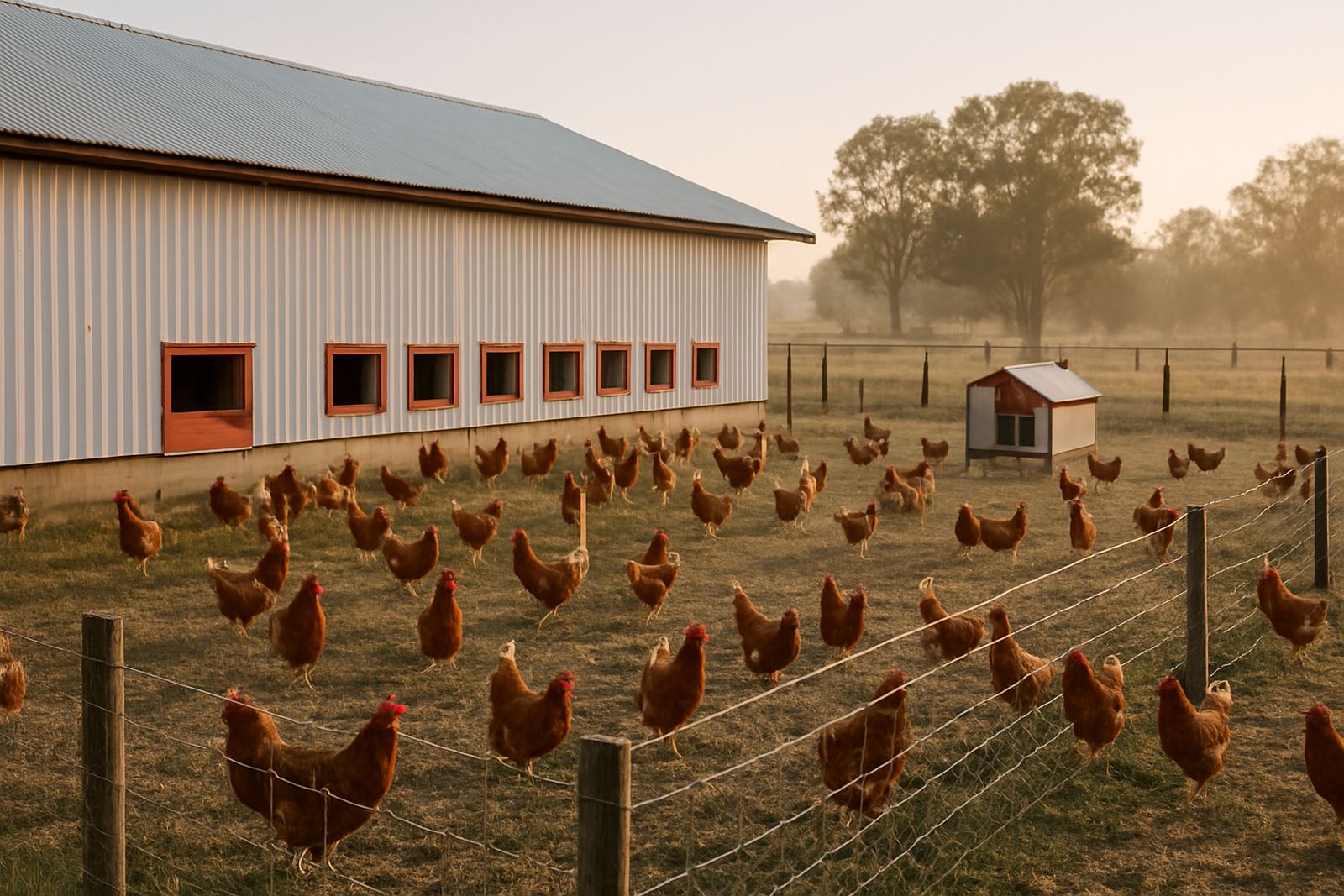
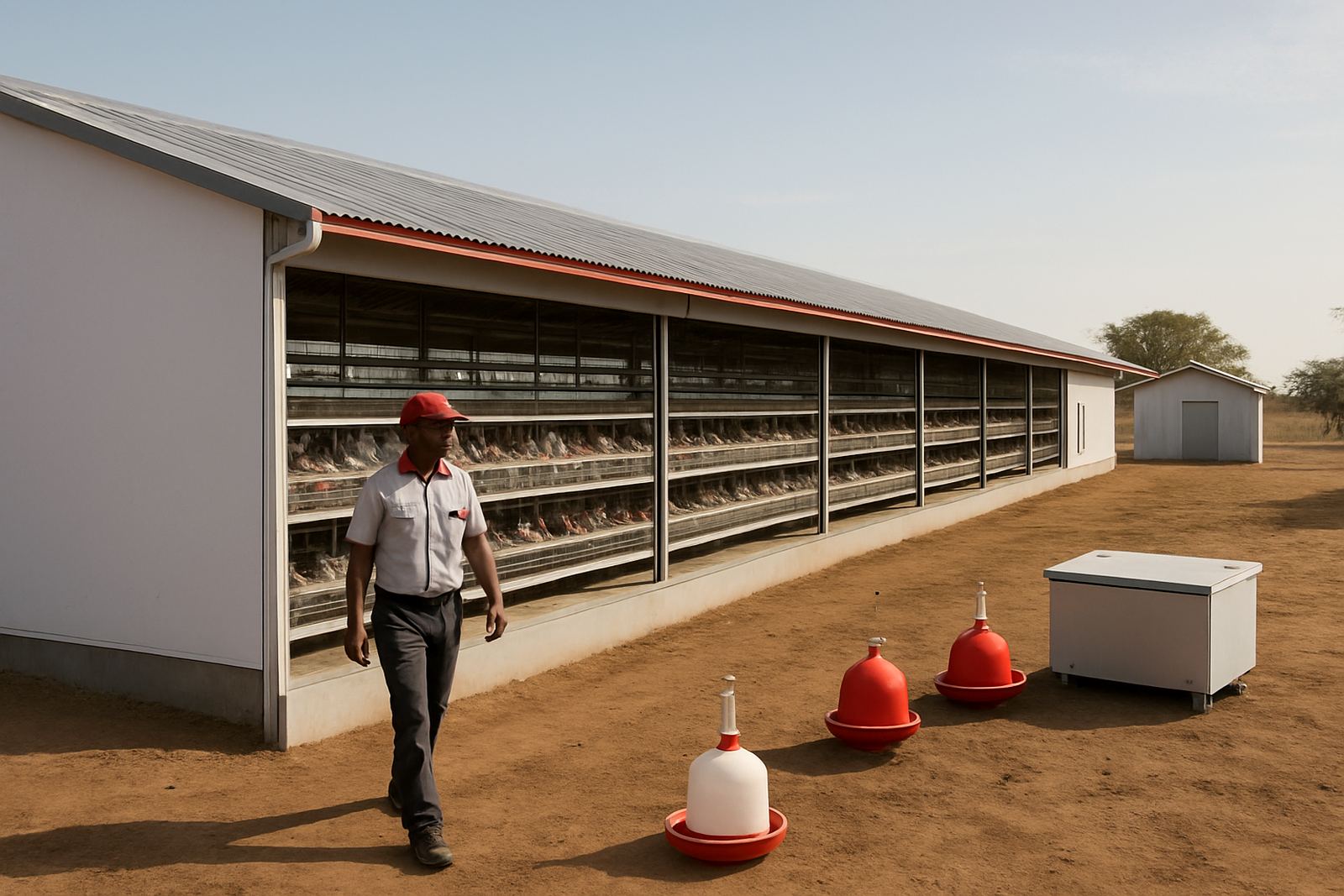
The most read topics usually come back to practical comparisons. How many birds a house can hold, what type of cage suits the building, and which feeder and drinker layout gives the easiest daily routine are common questions. Buyers also ask how incubators and brooders should be set up for better hatch and early growth, because the first days can make or break a flock.
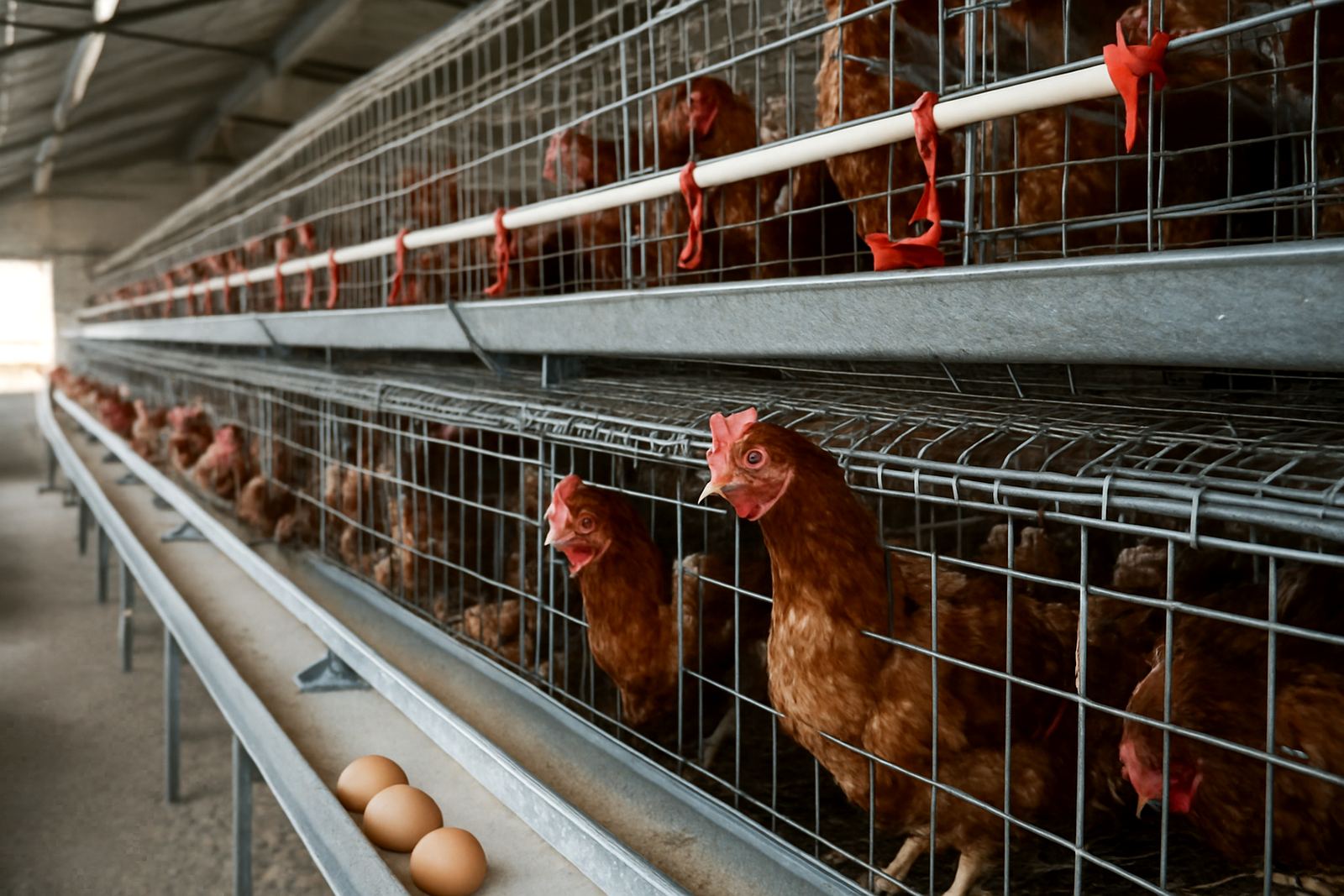
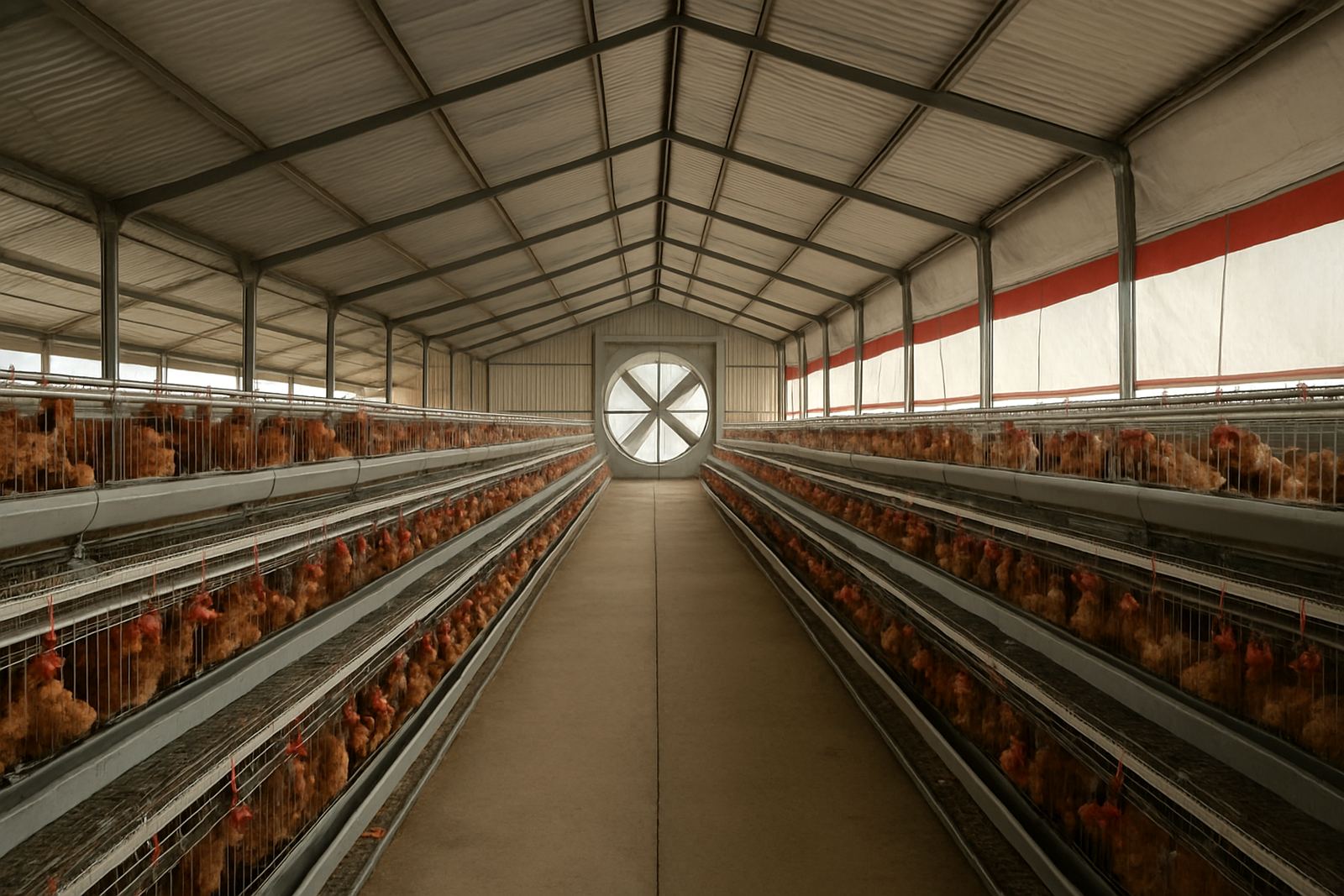
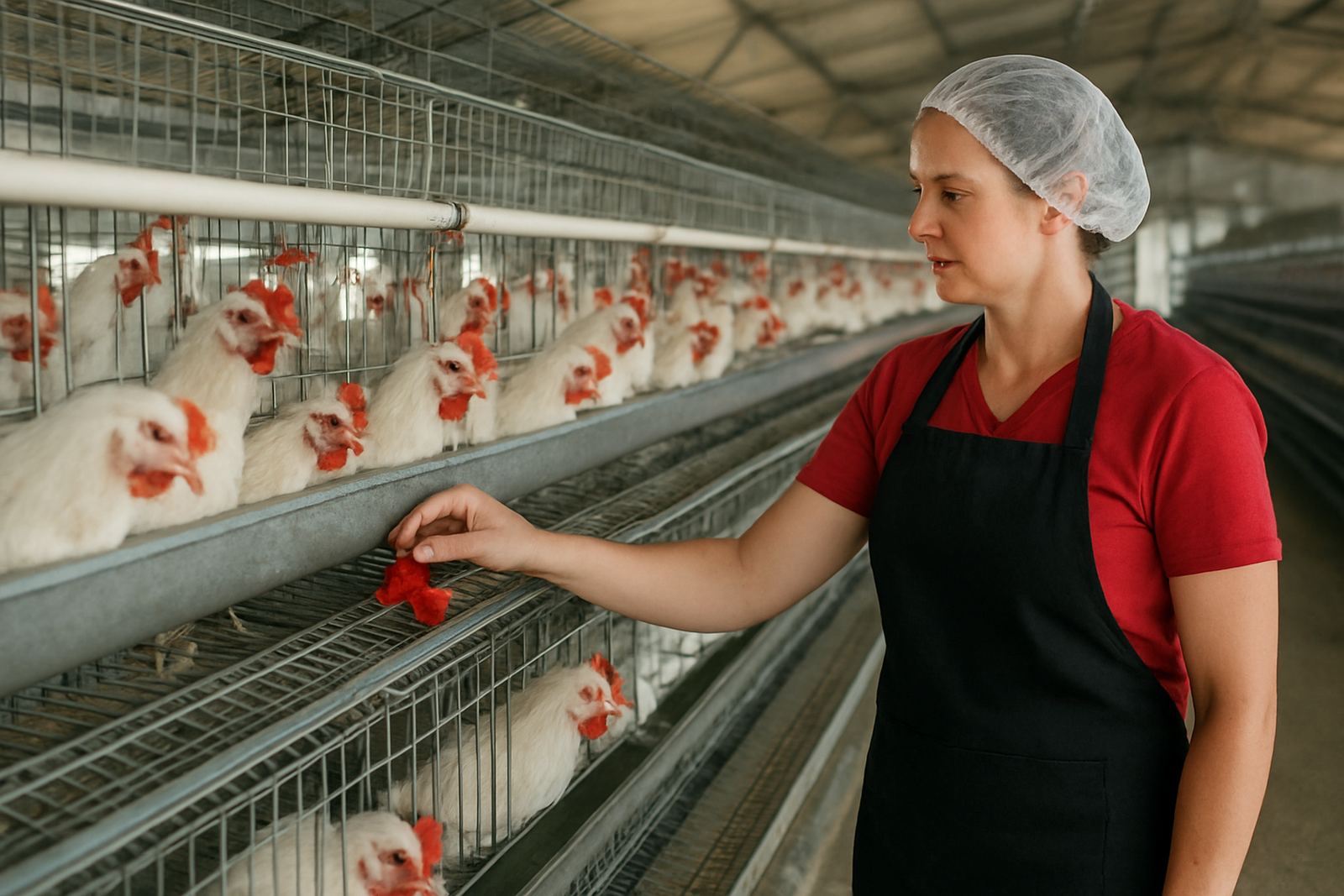
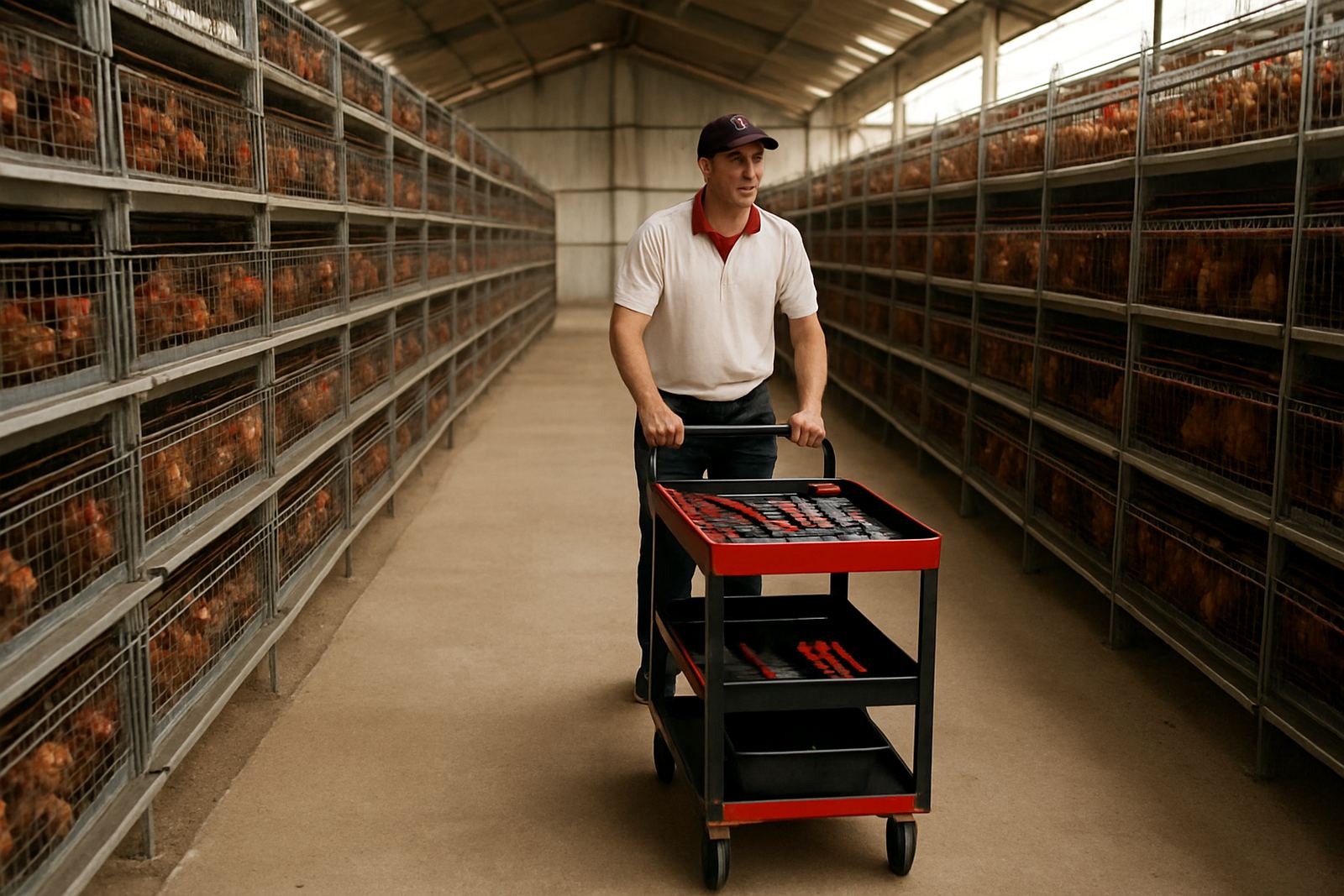
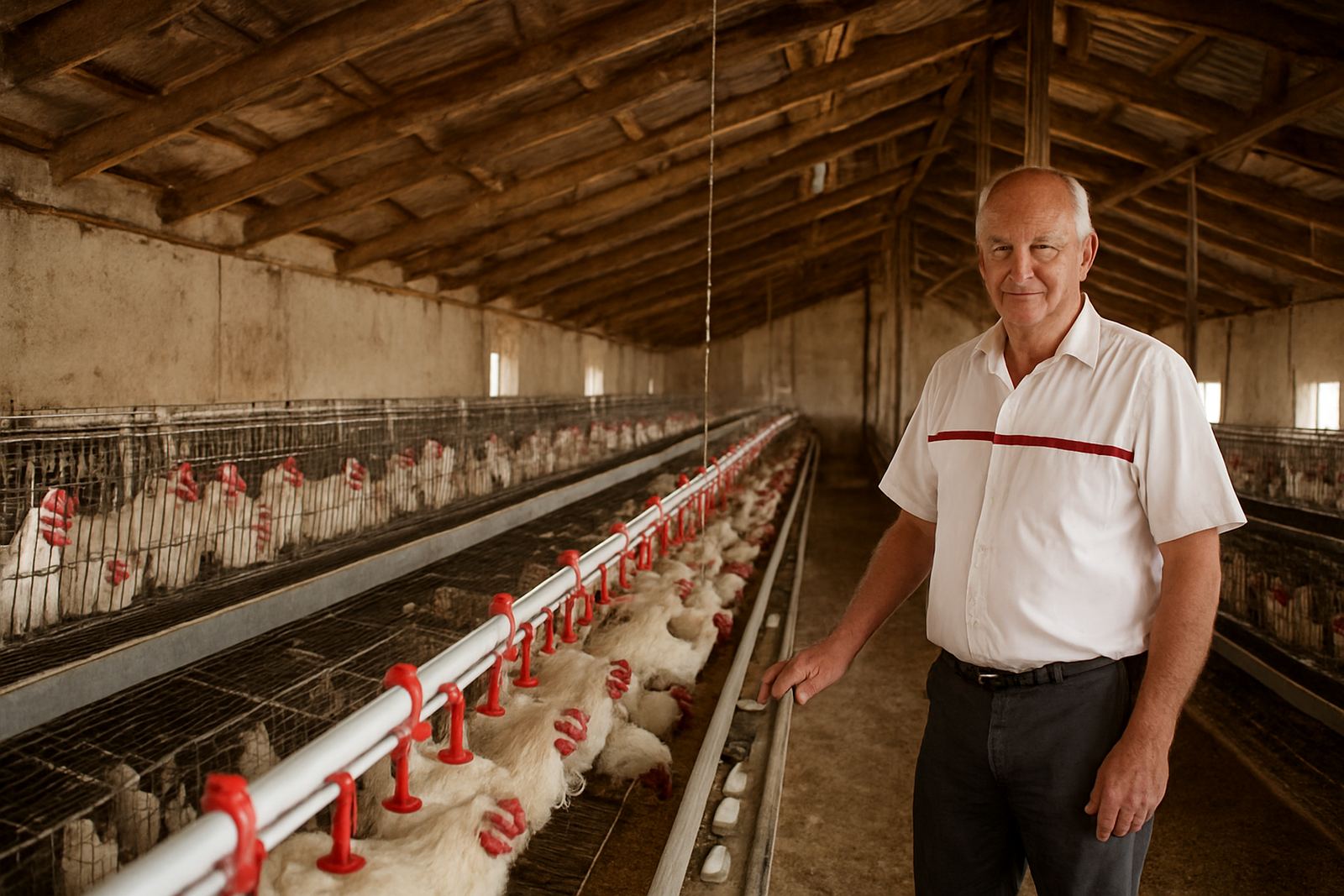
- Laying-hen cages and the space they need per bird
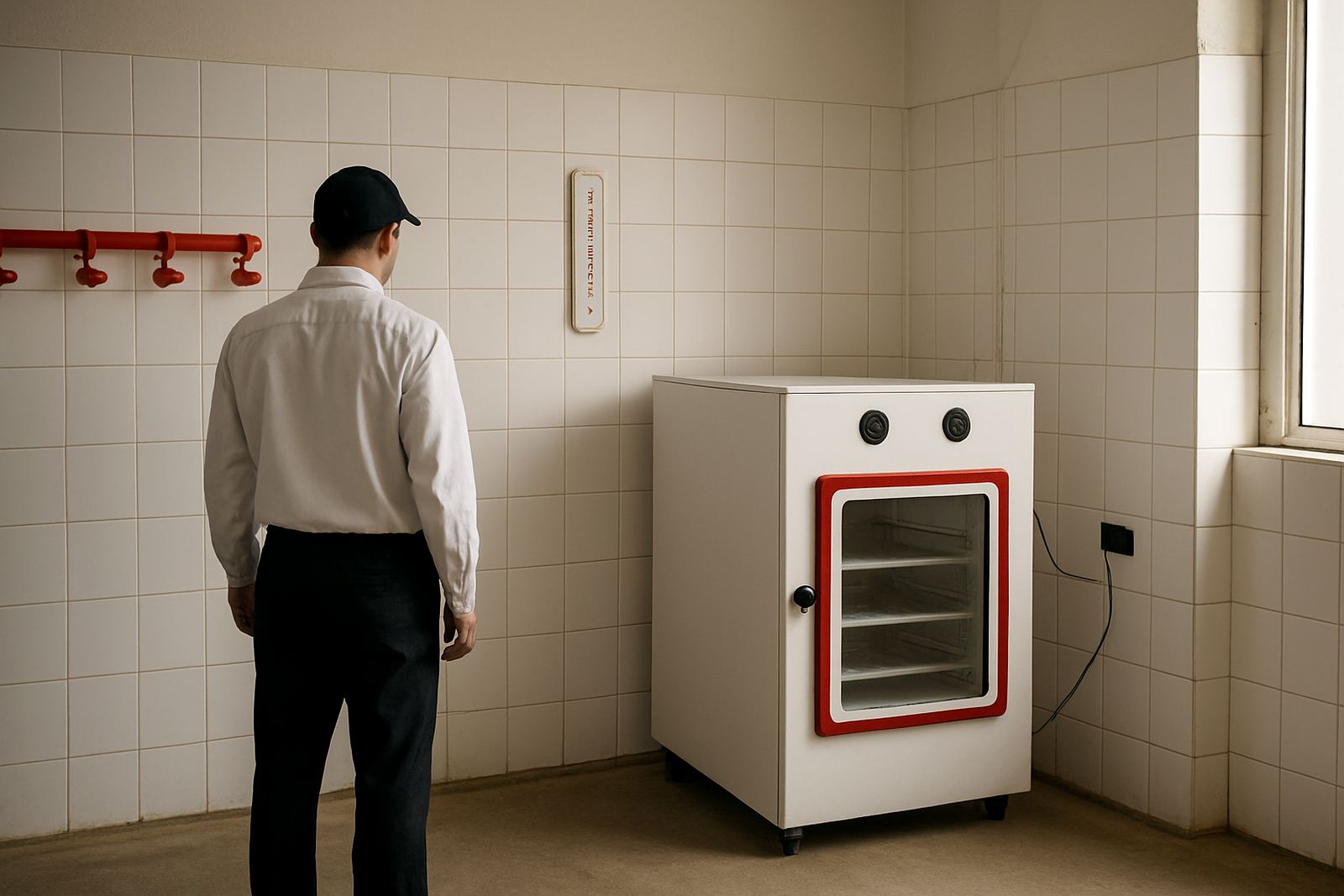
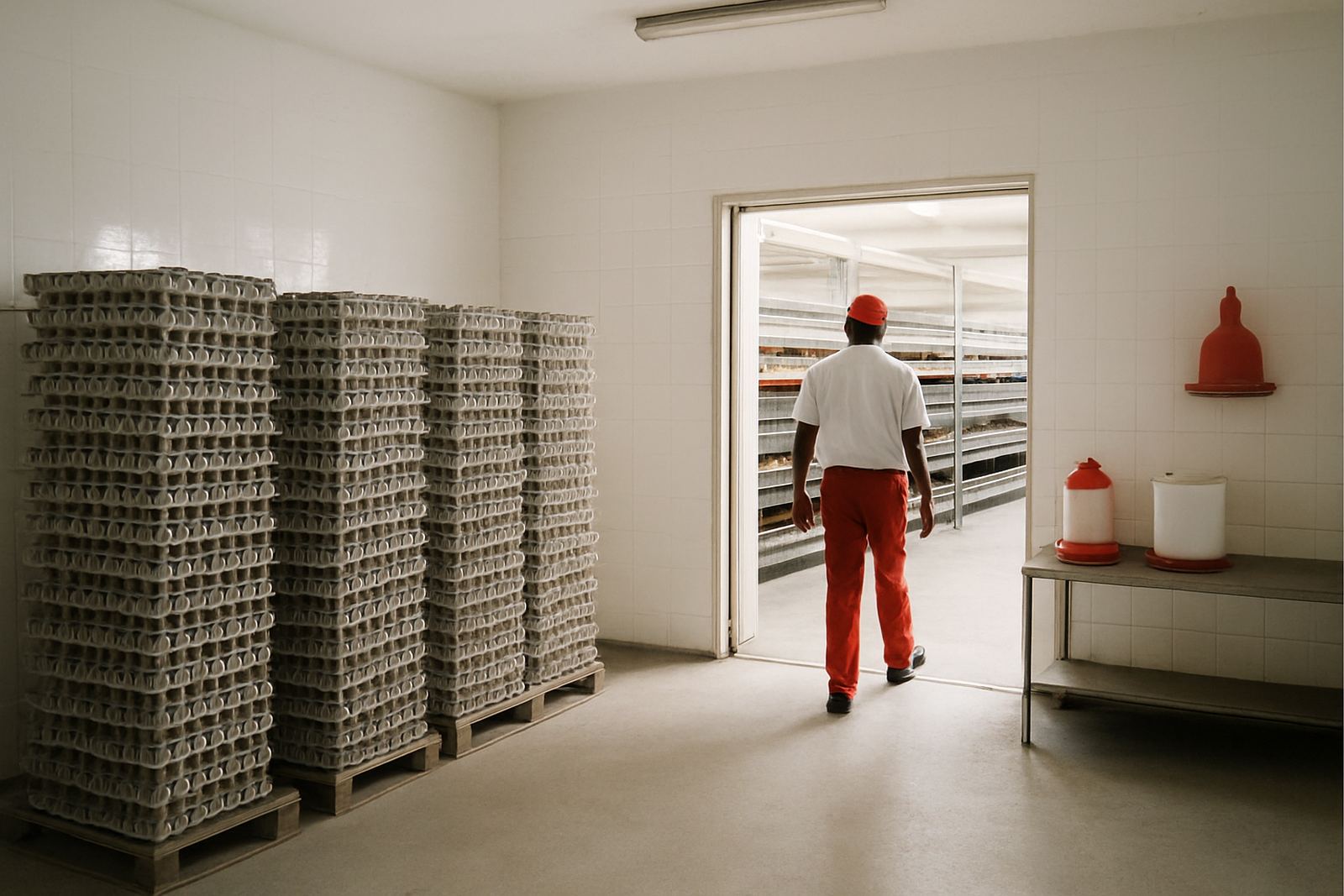
- Incubators for small to medium hatchery work
- Brooders that handle winter mornings and power interruptions
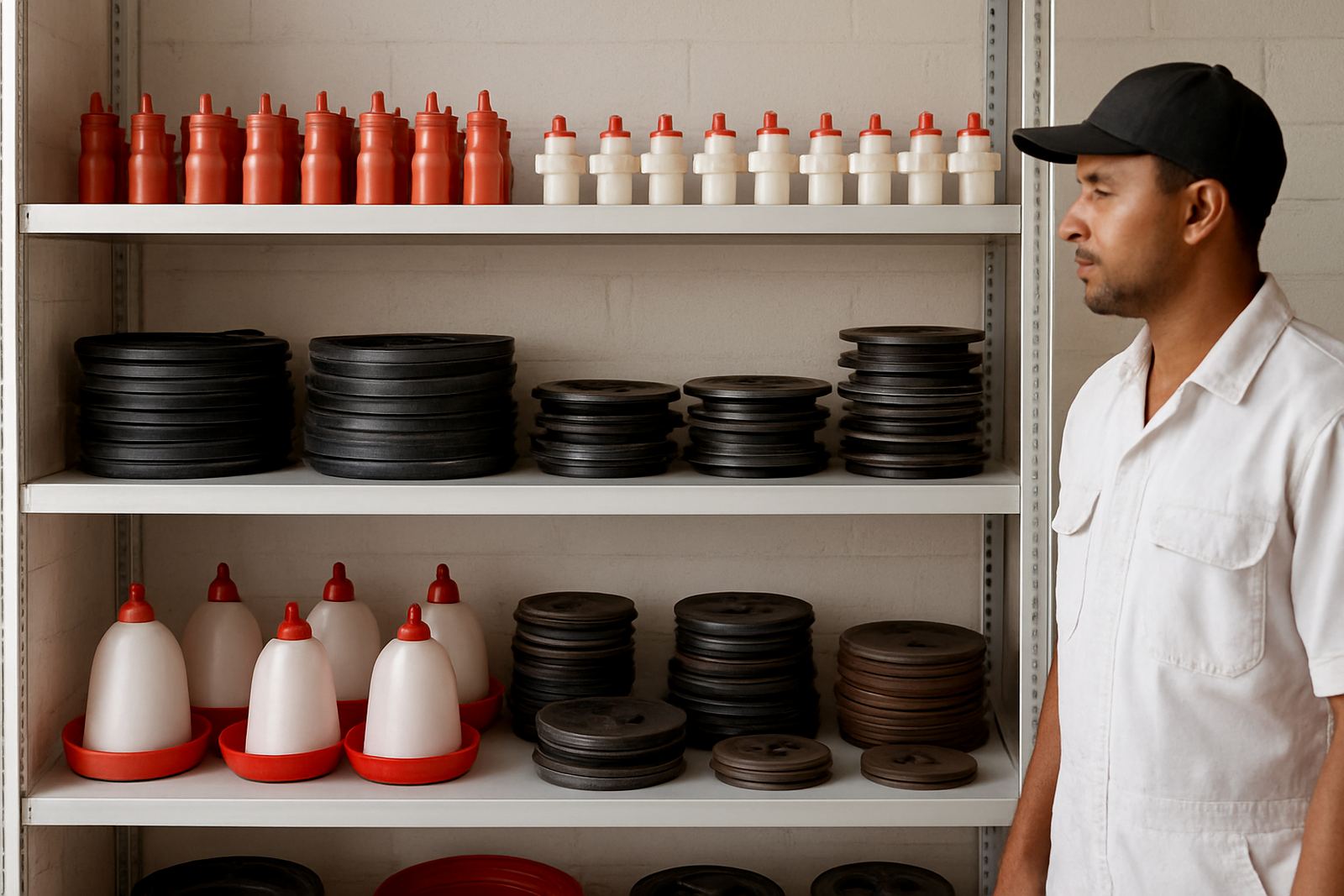
- Drinkers and feeders that reduce spillage and wasted feed
Where possible, the articles give plain figures, common room sizes and practical trade-offs. For example, a layout that is easy to clean may give up a little holding capacity, but that trade often pays back in labour savings and better hygiene. It is not always fancy, just practical.
Project Planning for Gauteng and Beyond
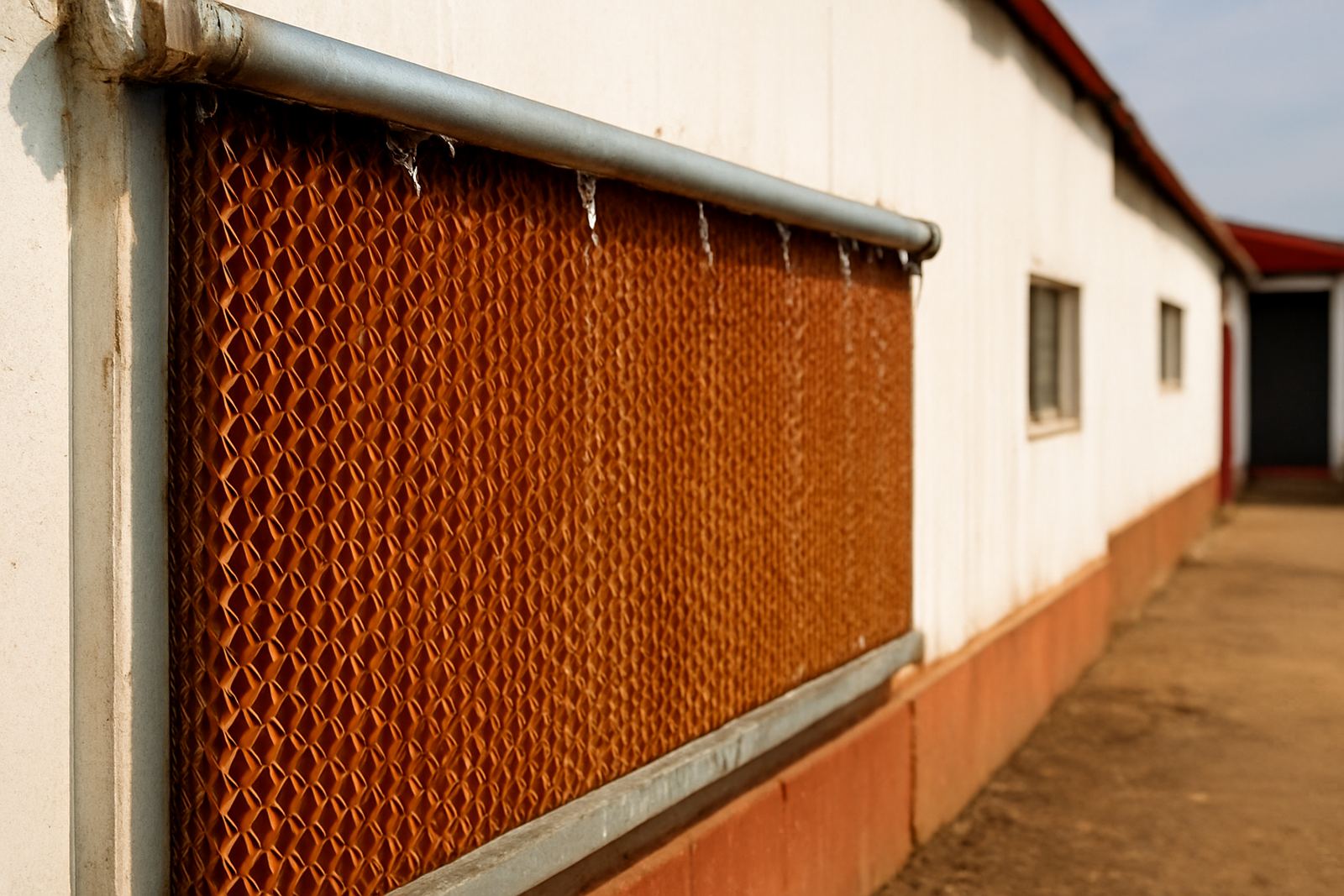
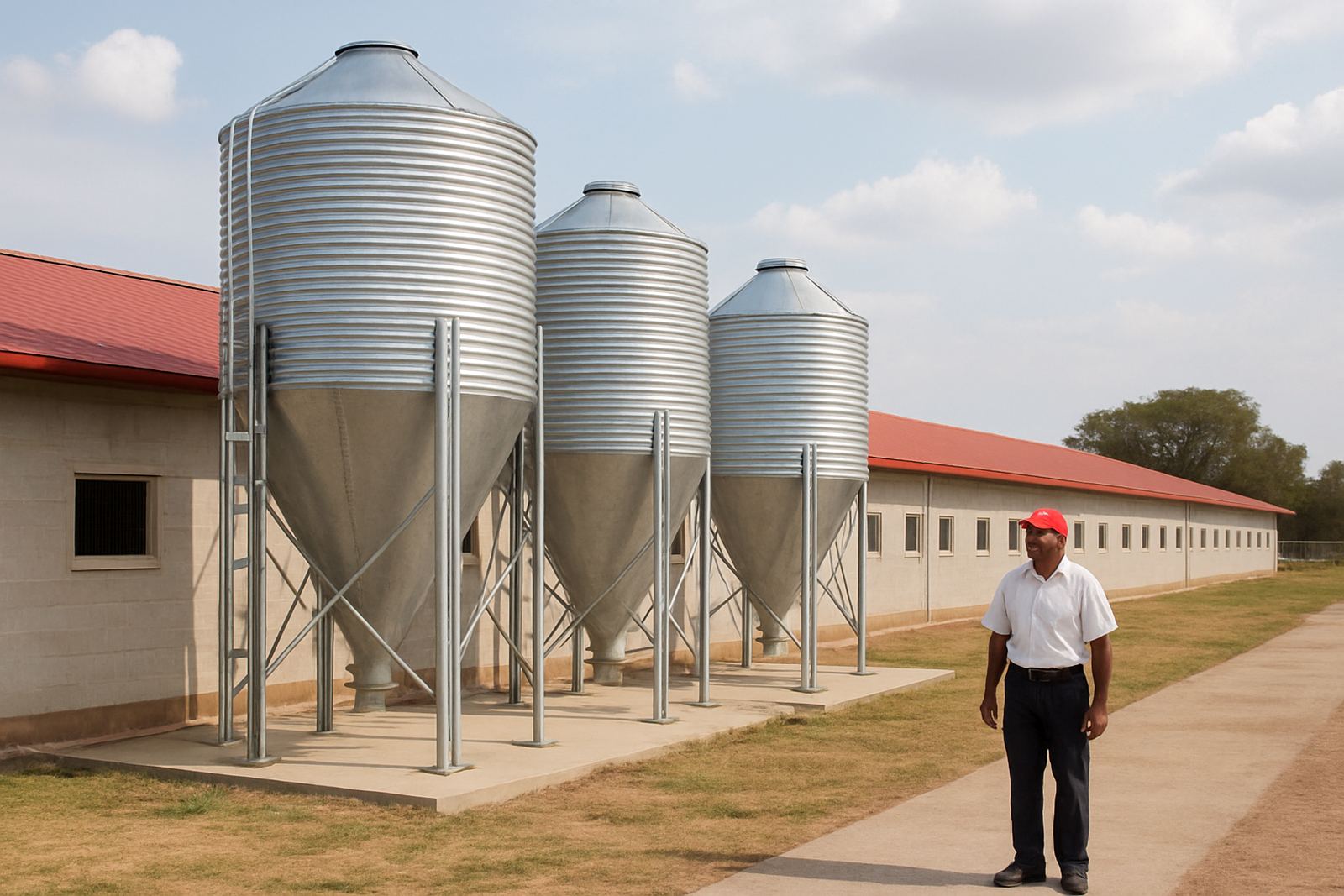
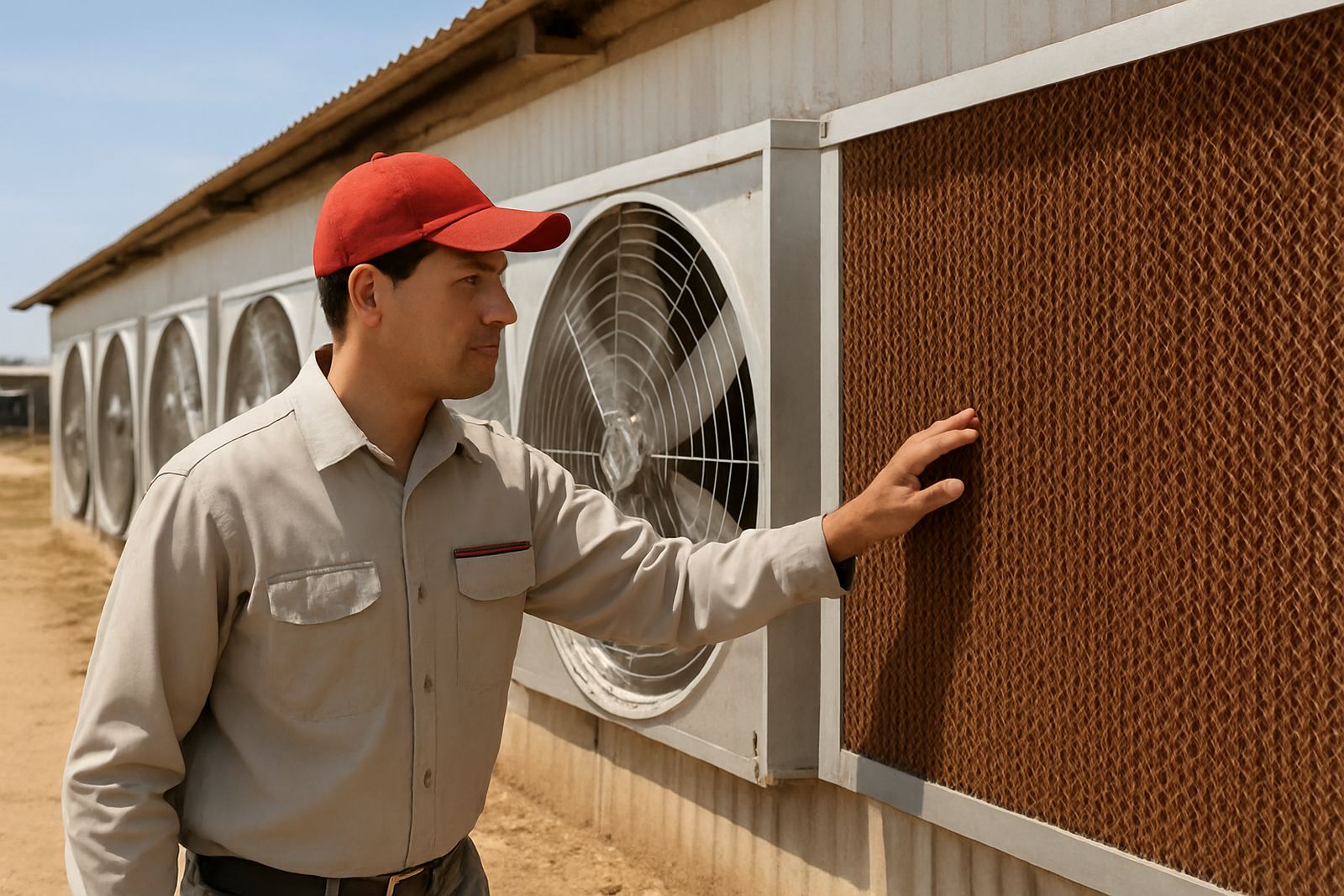
John F Marshall is based in Jet Park, Boksburg, but the projects stretch across Gauteng, Mpumalanga, Limpopo, North West, Free State and KwaZulu-Natal. That means the newsroom also looks at local conditions, from cooler inland mornings to humid coastal air, and how those changes affect corrosion, ventilation and maintenance intervals.
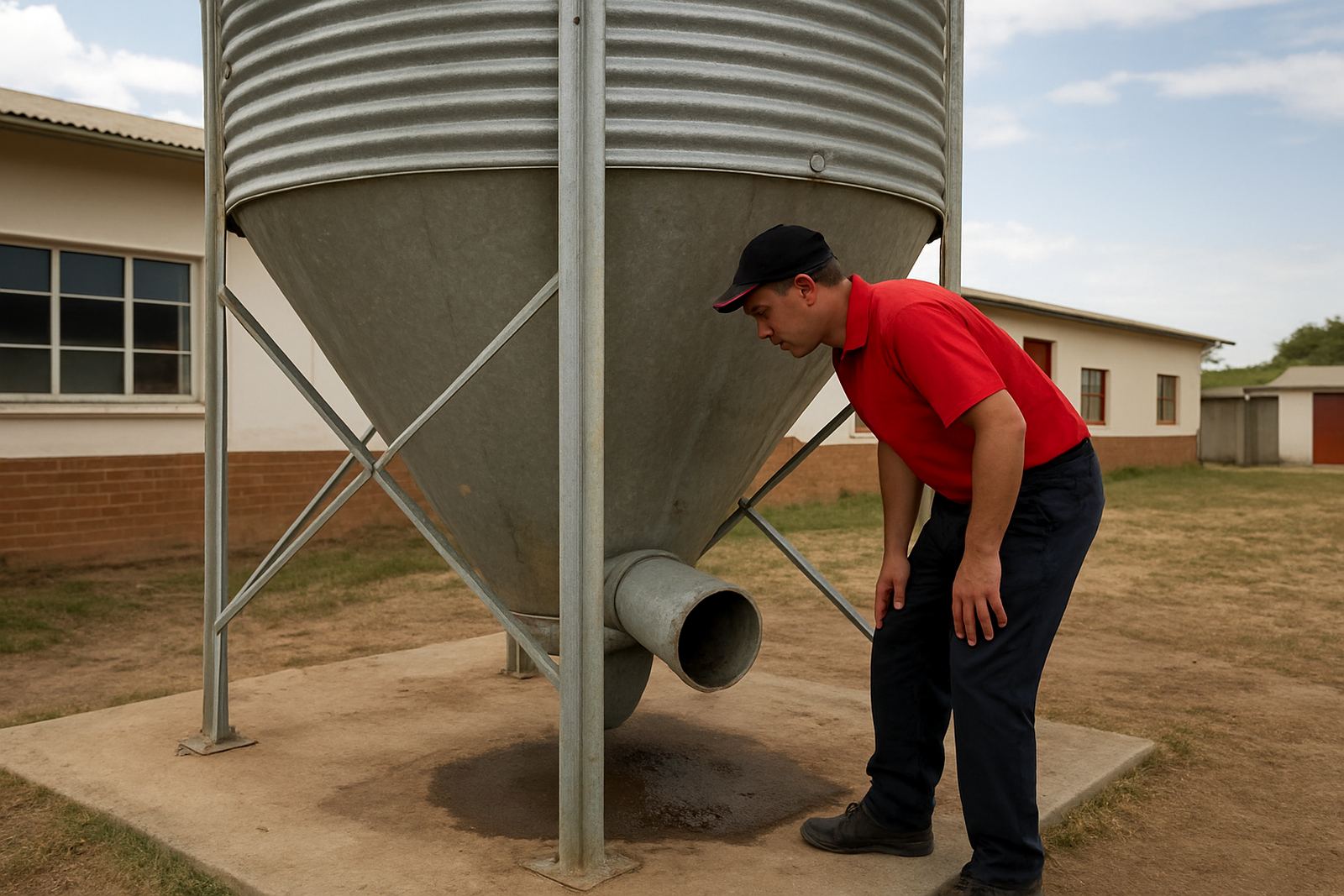
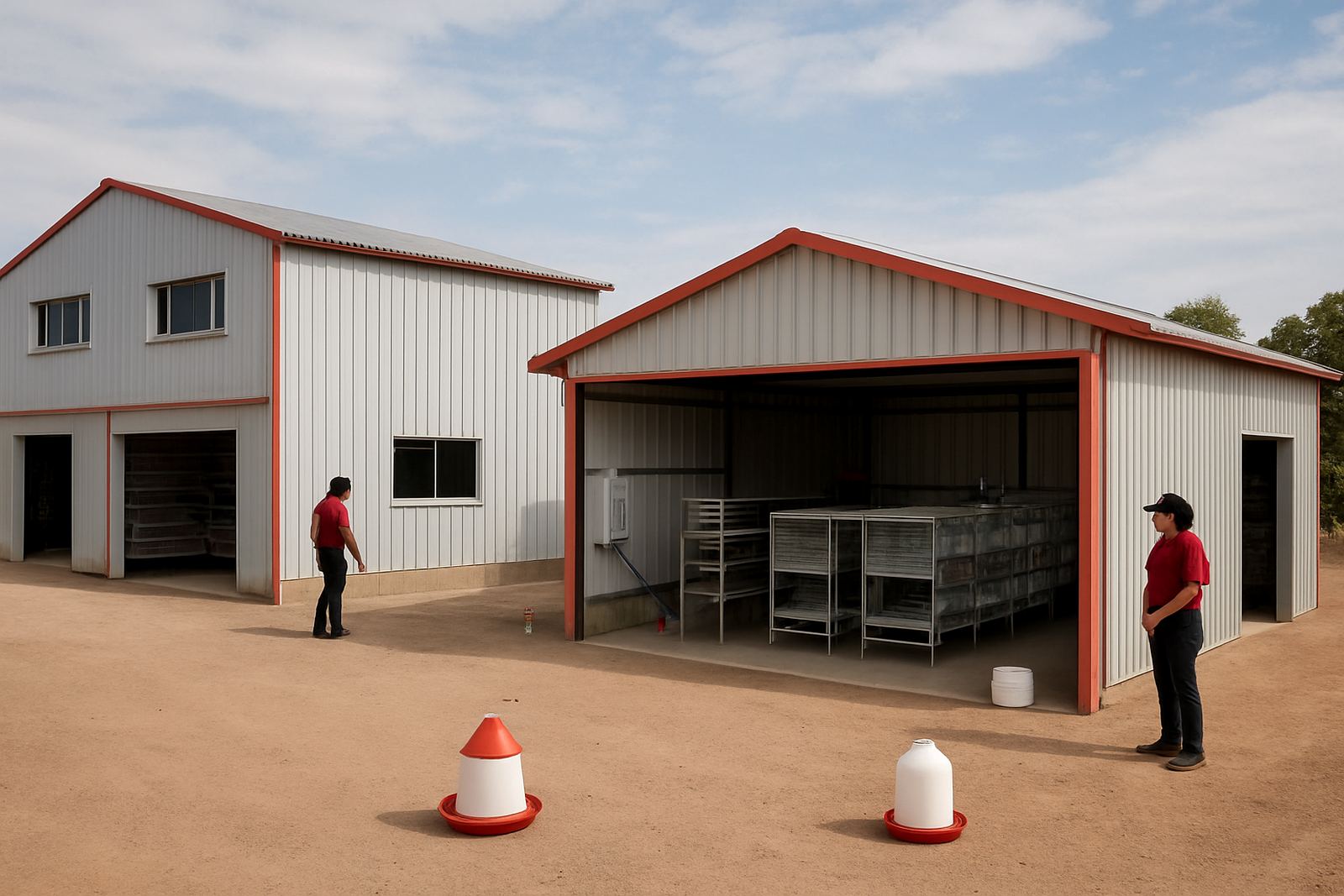
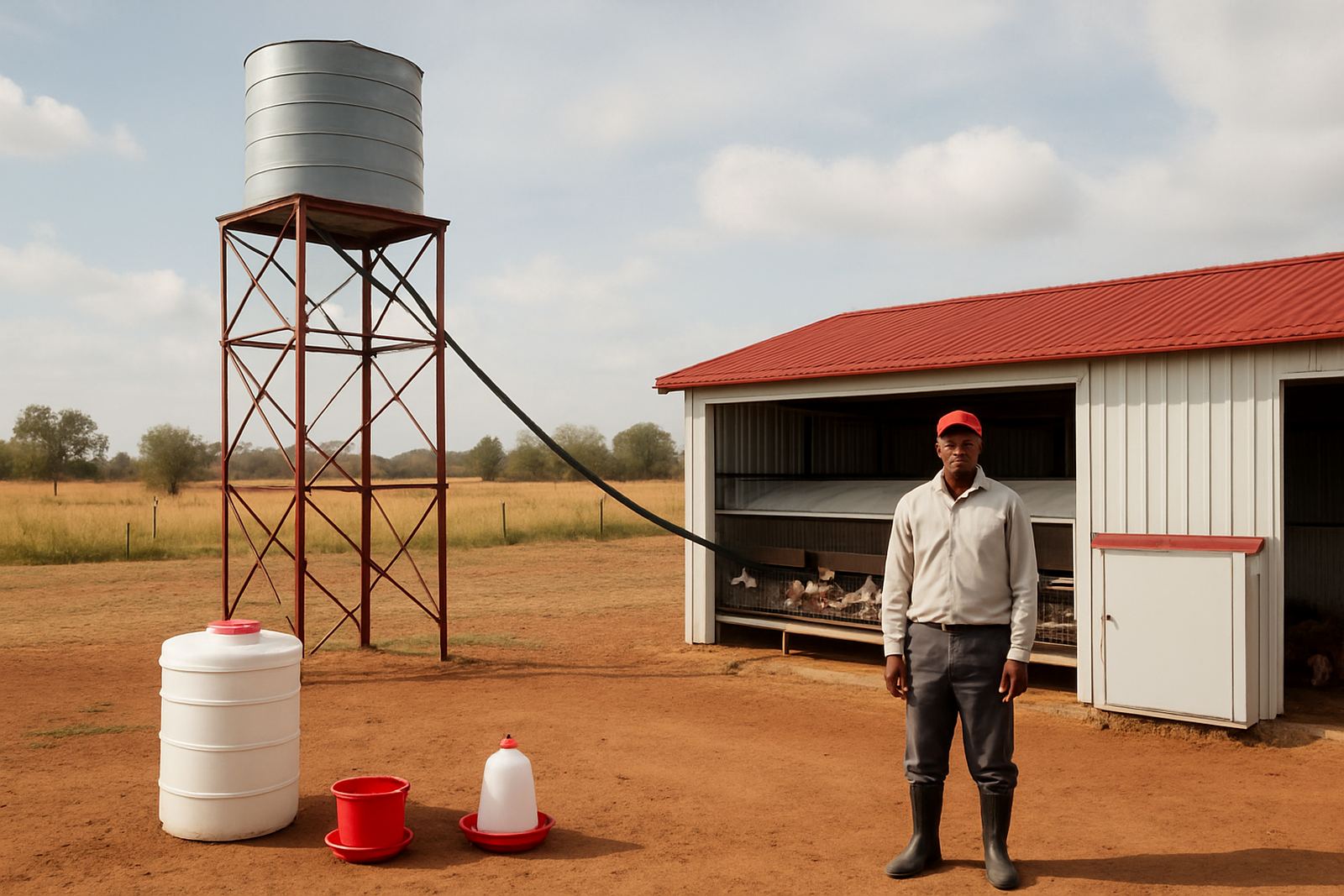
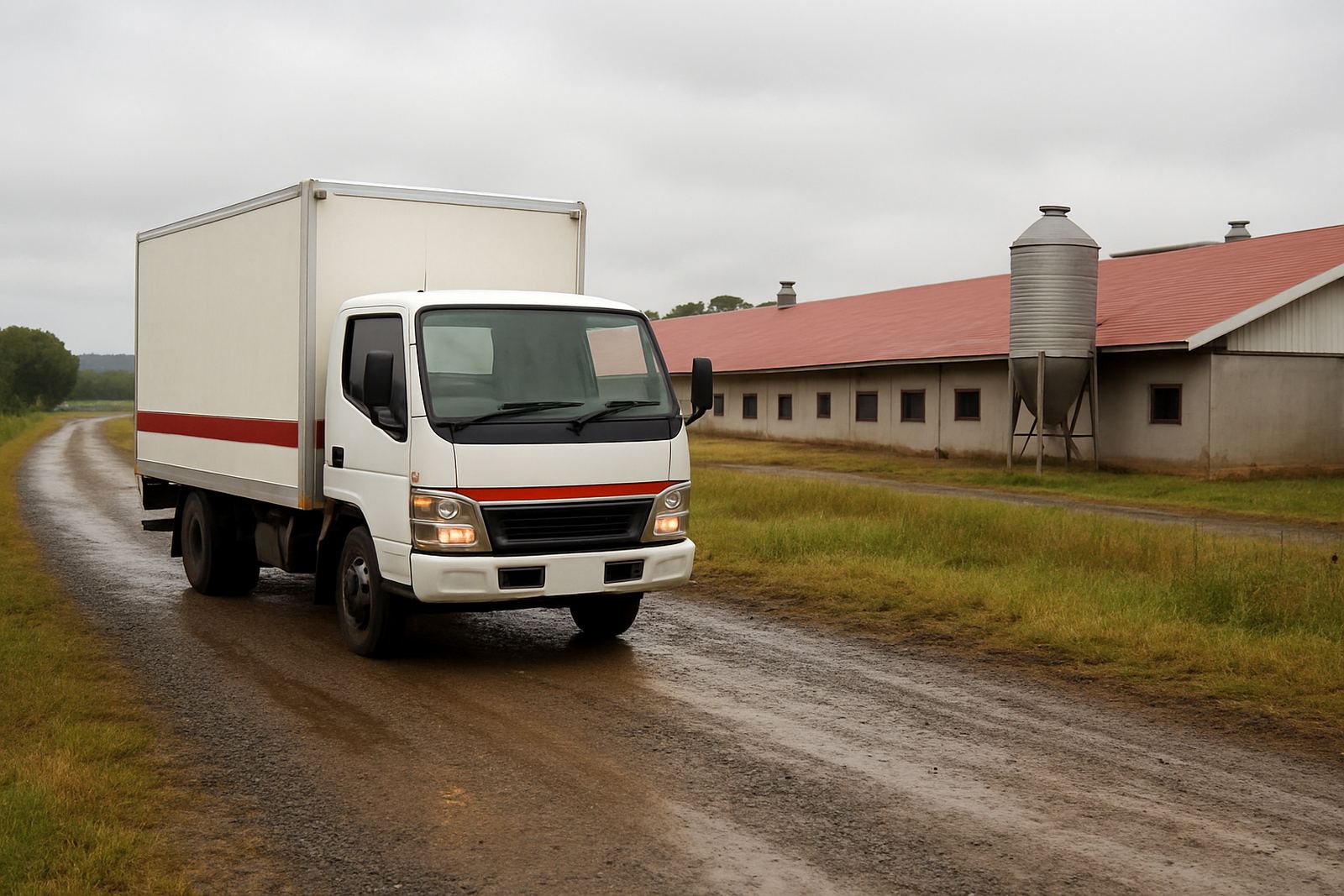
Good planning starts before any equipment arrives. We look at access roads, delivery space, floor levels, drainage, water points and whether the electrical supply can handle the load. If you are working on a municipal site or a farm with older infrastructure, that review can save you from delays that are hard to fix once the order is in motion.
Maintenance, Training and Spares That Keep Operations Moving
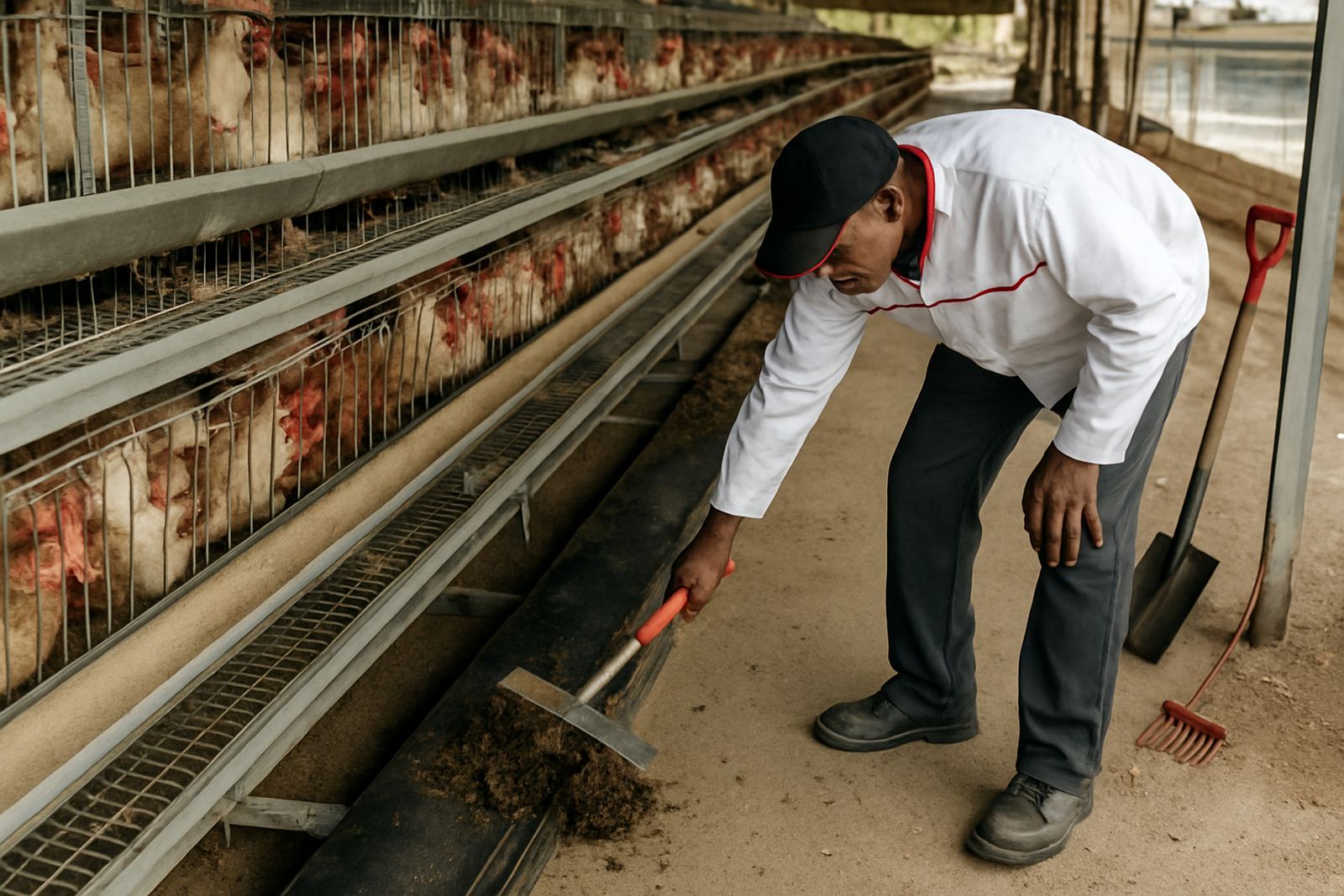
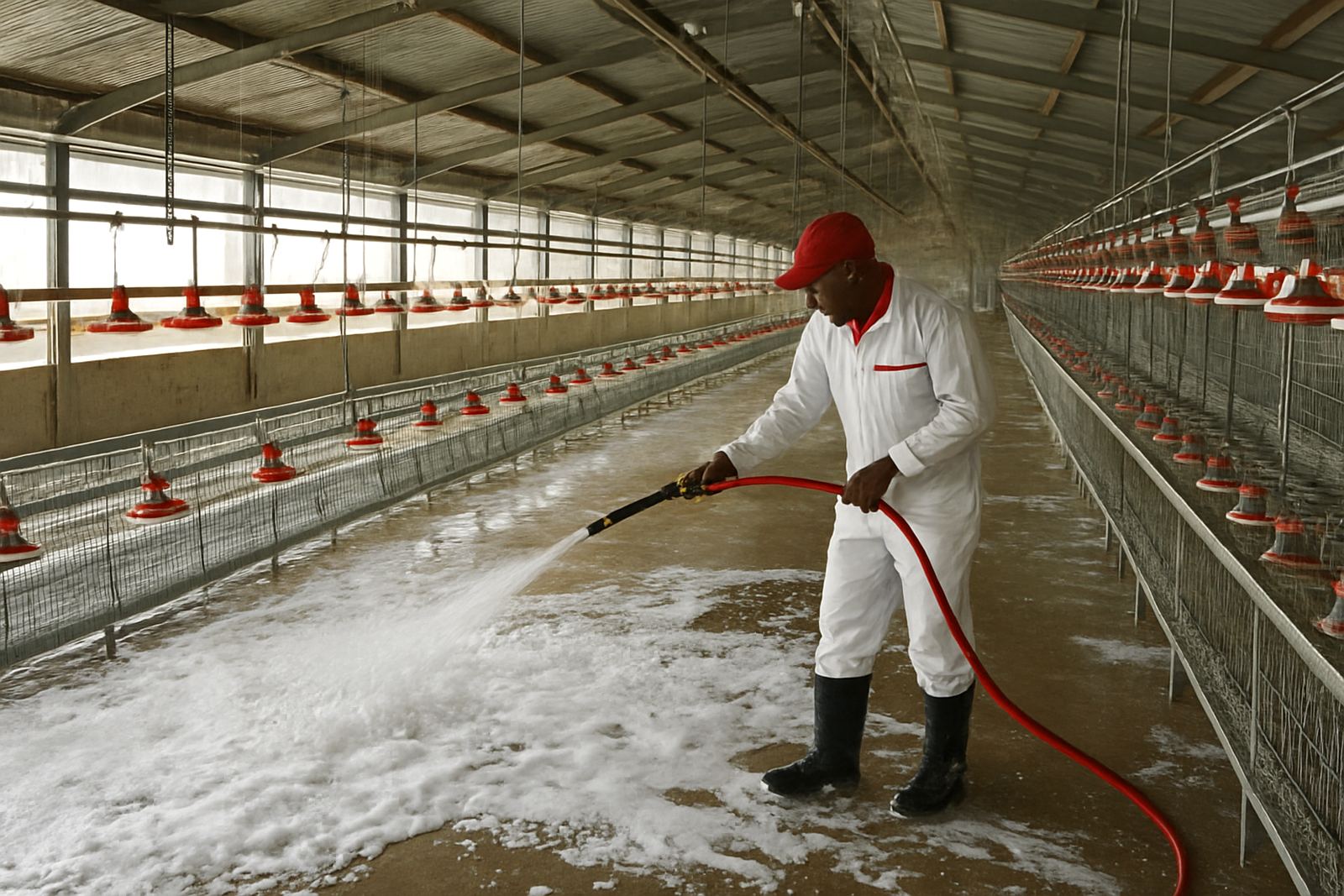
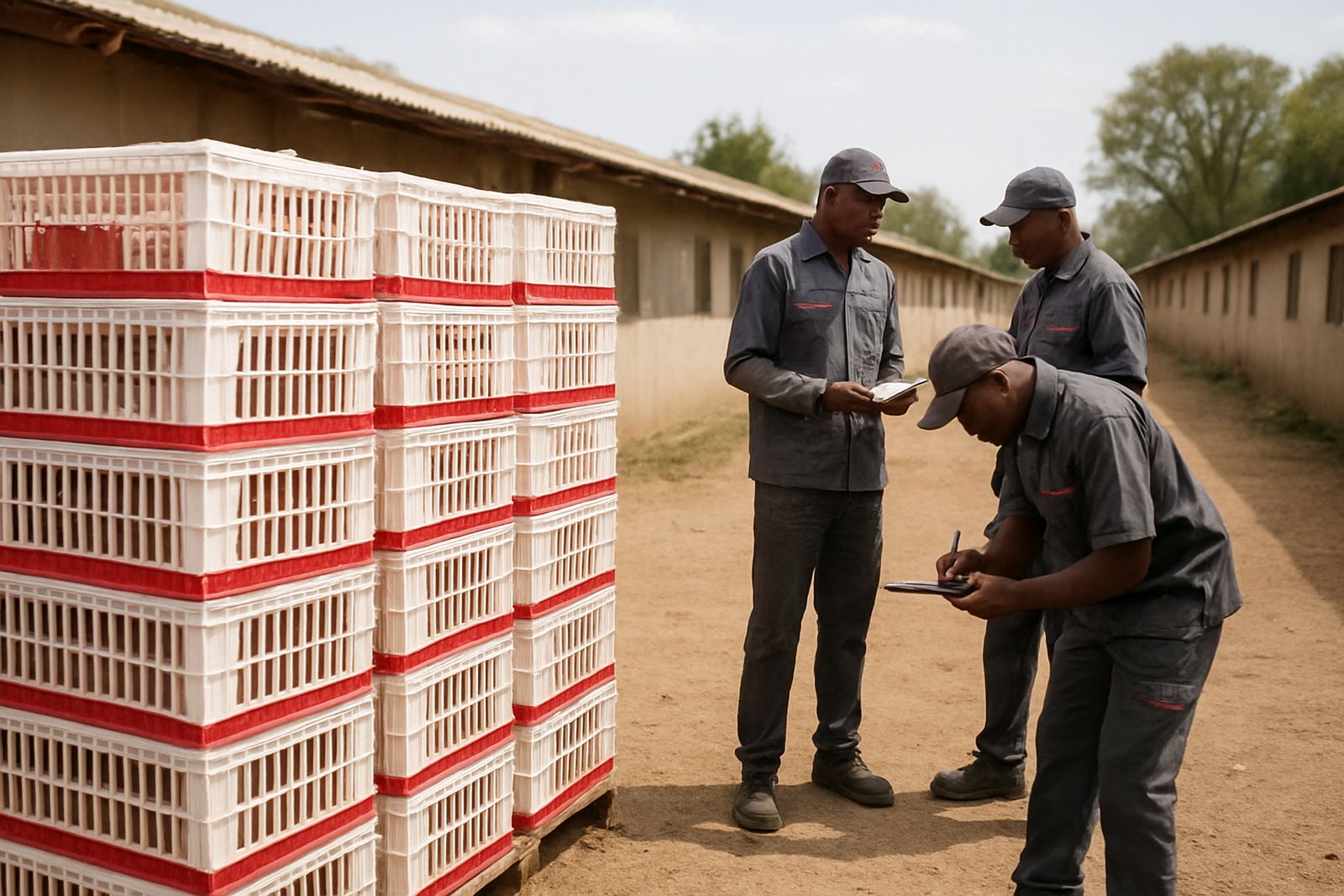
Articles in this section focus on what happens after installation. A poultry house or processing room is only as good as the people running it, so training matters. The same goes for service intervals, cleaning routines and keeping spares on hand for items that wear out under daily use. A missing bearing or cracked fitting can stop a line quicker than most buyers expect.
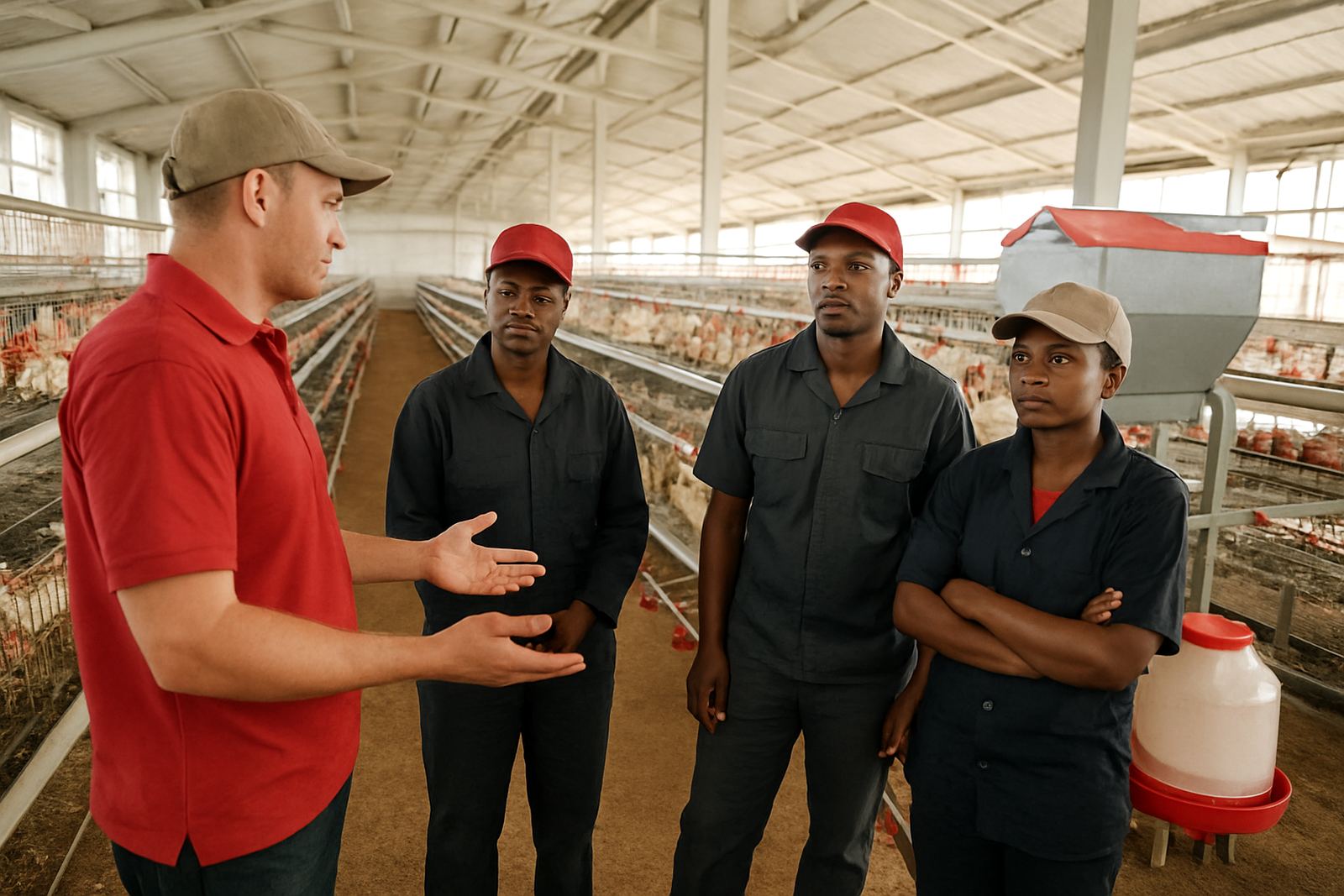
- Operator training for daily checks and cleaning
- Maintenance programmes for busy production sites
- Spares supply for wear parts and fast replacement
- Commissioning checks before full production starts
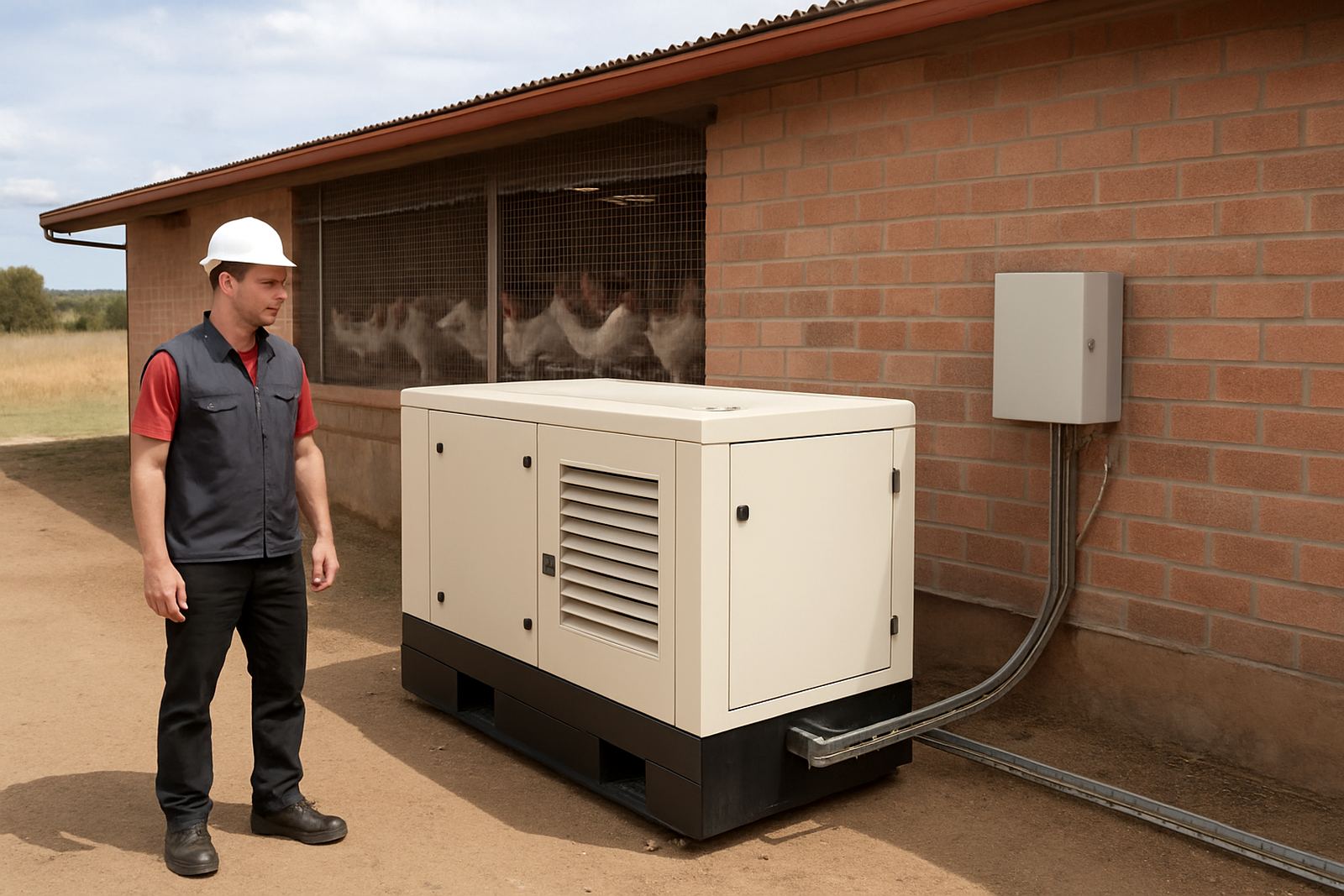
We keep the advice grounded in real working conditions, including power cuts and periods of high heat. A plan that works in a showroom may not work when the temperature climbs or the generator comes on unexpectedly. That is where service support and simple routines matter most, even if the paperwork looks tidy.
Why These Editorial Pages Help Before You Request a Quote
The newsroom exists so buyers can get context before they ask for pricing. It helps you compare equipment types, understand likely footprint requirements and decide whether a project needs a full turnkey approach or a phased upgrade. That makes it easier to brief the team properly and avoid back-and-forth on basic details.
When you are ready, the same practical thinking carries into site planning, equipment selection, installation supervision, commissioning and training. The articles are there to support that process, not replace it, and they are written for people who want straight answers and clear next steps.