Why the room matters before the first egg goes in
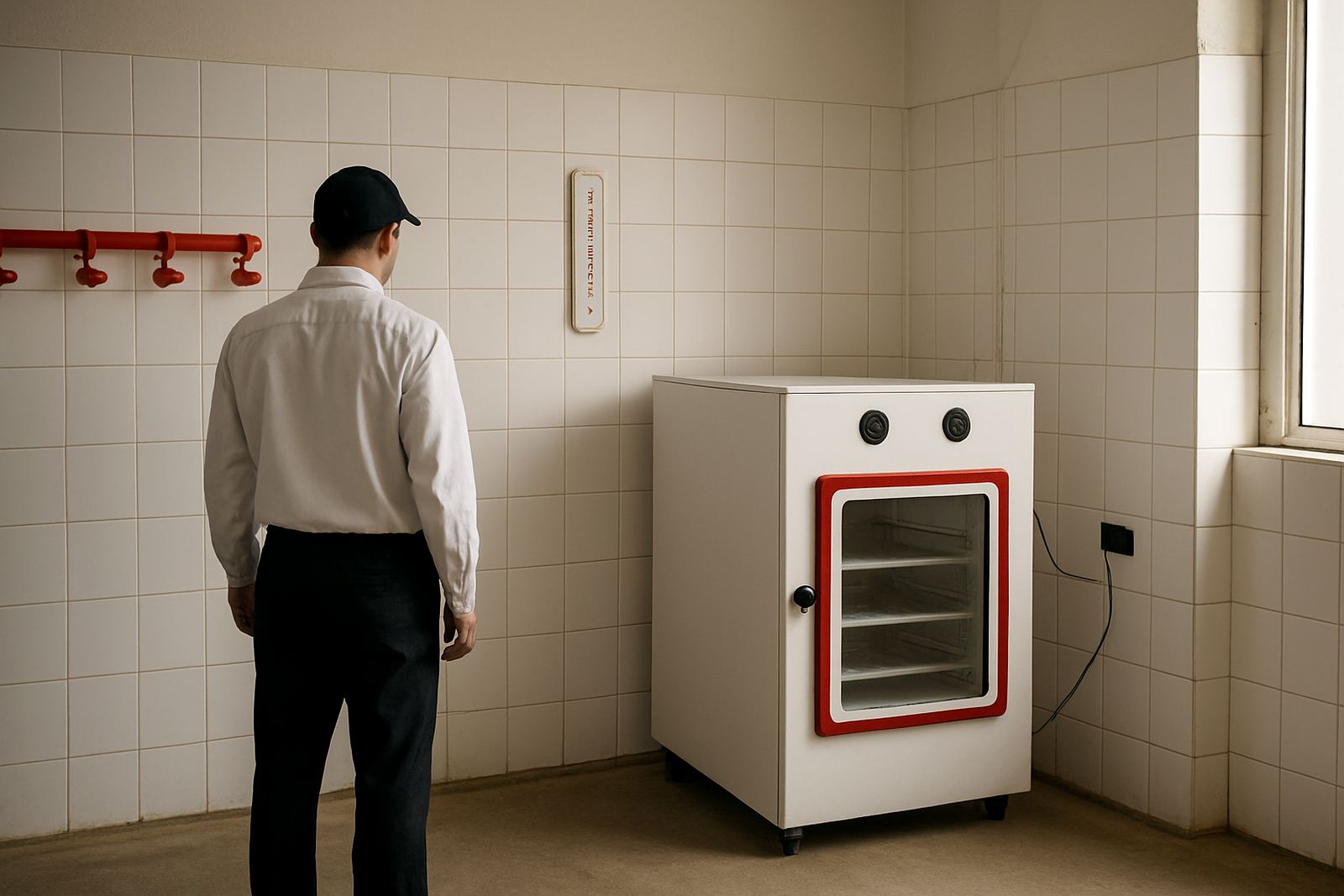
An incubator can only do its job properly if the room around it stays steady. In practice, that means a controlled environment with limited dust, low traffic, and enough space for staff to work without opening doors every few minutes. For poultry producers in places like Boksburg, Middelburg, Polokwane, Klerksdorp, and Pietermaritzburg, room conditions matter even more because summer heat, winter cold, and load-shedding all push the system off balance.
When the room runs hot, the incubator has to work harder and temperature recovery slows down after door openings. When the room is too cold, the machine may draw more power and struggle to hold set points during outages. Humidity also plays a role, especially in dry inland areas and in coastal towns where moisture can affect electrical panels and stored spares. The room should support the incubator, not fight it.
A well planned incubation room should also sit inside the wider farm or hatchery workflow. Eggs coming in, trays moving out, chicks or day-old birds going onward and waste leaving the room should all follow a clear path. If people keep crossing paths, the risk of contamination goes up and the job takes longer.
Keep temperature and airflow steady, not clever
Incubation rooms do not need complicated tricks. They need stability. Aim for a room temperature that stays within a narrow range, with proper ventilation and no direct sun on the walls or roof where possible. In a steel or block building, roof insulation and sealed gaps can make a noticeable difference. If the room gets afternoon sun on one side, that side may become hotter than the rest and create uneven conditions around the machine.
Airflow should move fresh air through the room without blowing directly onto the incubator. Strong drafts can affect cabinet performance and make temperature readings less reliable. It is better to use controlled extraction and intake points than to rely on open windows and hope for the best. In winter, especially across the Free State and North West, cold air entering through gaps can create cold spots near the floor and around stored eggs.
- Keep incubators away from external doors that open often.
- Do not place machines under leaking roof sheets or near water lines.
- Leave enough space around each unit for service access and heat dispersal.
- Use shaded or insulated storage for spare motors, sensors and controls.
Clean rooms hatch better eggs
Dust, feathers, egg shell debris, disinfectant residue and cardboard all have a way of building up in a working hatchery. The trouble is that contamination often starts small, then spreads through trays, trolleys, shoes and hands. A clean room is not only about appearance, it is about reducing the number of problems that reach the incubator and the chicks afterward.
Set cleaning routines that happen every day, not only after a problem shows up. Floors should be easy to wash and dry quickly. Cracks, rough plaster and exposed timber hold dirt and make proper cleaning harder. If the room is used for both incubation and packing, separate those functions as far as practical. The cleaner side should stay clean, with tools, gloves and labels stored where they do not collect dust.
For smaller operations in places like Bronkhorstspruit or Standerton, one room sometimes has to do too much. In that case, create simple zones. Mark a dirty entry point, a clean working area, and a discharge area for waste. Even a basic line on the floor or a change in matting can help staff keep to the right flow.
Workflow should move one way only
A good incubator room is arranged so people and materials move forward in one direction. Eggs enter, are stored or set, monitored through the cycle, and then chicks move out without crossing the incoming route. If the same path is used for clean eggs, used trays and waste sacks, it is easy to carry dirt back into the room. That is where many avoidable problems start.
Think about the work from the first step to the last. Where will eggs be received? Where will records be kept? Where will trays be washed? Where will operators stand when checking temperature, turning schedules or alarms? If the room layout forces staff to twist around machines or walk long distances with open trays, the process becomes slower and riskier. In a tight room, a few metres of planning can save hours every week.
- Separate egg intake from chick dispatch where possible.
- Keep wash-up and waste handling outside the cleanest part of the room.
- Allow space for trolleys, crates and spares without blocking exits.
- Position controls where they can be checked without standing in the doorway.
Power backup and maintenance are part of room planning
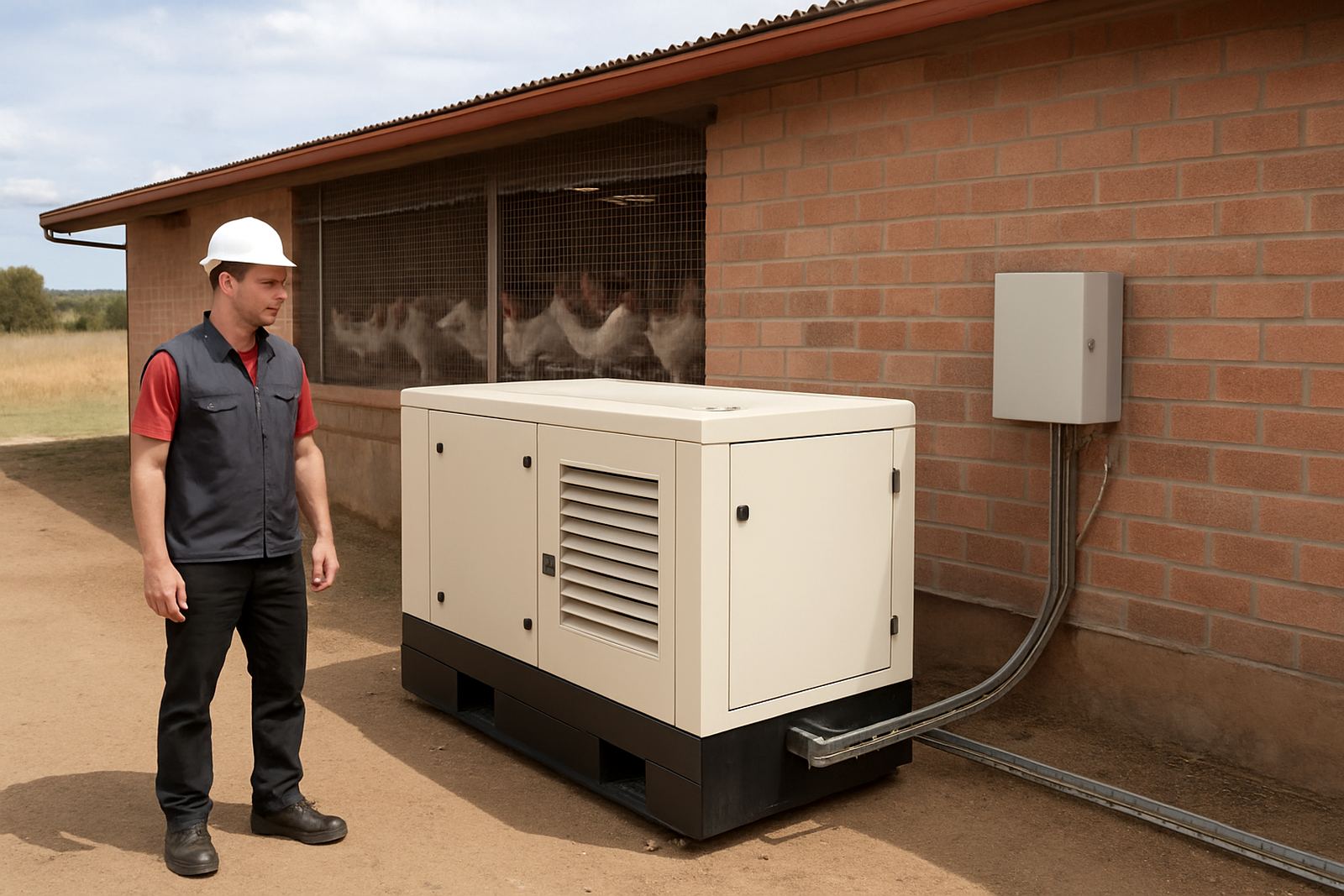
In South Africa, no incubation room should be planned as if the power never fails. Even a short outage can upset the balance inside a room, especially if doors are opened during the interruption. Backup power, whether from a generator or other suitable supply, should be sized for the incubators plus the ventilation and support equipment around them. If the room goes dark but the incubator is still running, the room conditions can change fast.
Maintenance access matters too. Technicians need clear access to panels, fans, sensors, heating elements and alarm systems. If equipment is pushed so close together that nobody can reach a fault without moving half the room, repairs take longer and the risk of damage increases. Keep spare parts dry, labelled and off the floor. In humid areas along the KwaZulu-Natal coast, corrosion can affect connectors and fittings if storage is careless.
A practical maintenance programme should include checks on room seals, extractor fans, cleaning equipment, lights and temperature monitoring. It should also cover what happens after load-shedding, not just during normal running. If the room is easy to restart, you lose less time and fewer eggs are put at risk.
A simple Gauteng example that shows the difference
At a poultry project in Gauteng, the room initially had a basic incubator set-up but weak control around the space. Staff moved in and out through the same doorway used for tray handling, a fan blew directly across one side of the unit, and the room collected dust from an adjacent working area. Hatch results varied from week to week, and the team could not always link the changes to one clear cause.
After reviewing the room conditions, the layout was adjusted. The doorway flow was changed, the machine was shifted away from direct airflow, and cleaning duties were split into daily and weekly tasks. A small storage point was added for clean trays and spares, and the room gained better sealing around doors. The result was not dramatic overnight, but the variation reduced and operators had a clearer routine. That kind of change is usually what makes the biggest difference.
For producers in Gauteng, Mpumalanga, Limpopo, North West, Free State and KwaZulu-Natal, the lesson is the same: incubation performance is not only about the cabinet. It is about the room, the route, the cleaning, the power and the discipline of the people using it. Get those basics right and the equipment can do the rest.
Build the room around the work, not the other way round
When John F Marshall plans incubation and poultry projects, the room conditions are treated as part of the equipment package, not an afterthought. That includes site planning, house layouts, installation supervision, commissioning, operator training, maintenance programmes, spares supply and expansion upgrades. The aim is straightforward: give the incubator a room that helps it hold steady, stay clean and stay easy to work in.
If you are setting up a new incubation room or correcting an existing one, start with the basics. Check temperature, airflow, traffic flow, cleaning access and power continuity. Then look at how staff actually move through the room during a normal day. Small changes there often give better returns than buying more equipment. In hatchery work, steady conditions count more than fancy extras.