Distance changes the job plan
When a poultry site sits far from a city, every decision takes on more weight. A missed delivery can hold up a build by a week, and a small shortage of fasteners or pipe fittings can stop a crew in its tracks. That is why remote work starts with a proper site plan, not with a truck full of equipment.
At John F Marshall, we treat remote projects as a logistics exercise as much as an equipment supply job. The route, road conditions, off-loading point, storage space and local labour picture all affect the order of work. In places like Limpopo, the far reaches of Mpumalanga or rural KwaZulu-Natal, the best project is the one that arrives in the right sequence, with nothing left to guess.
It also helps to be clear about the house size, flock numbers and production goal. A laying site for 20 000 birds has very different needs from a smaller breeder unit, and the transport plan should match that scale. If the road is gravel or the yard is tight, we will often break deliveries into smaller loads so the site stays manageable.
Transport planning that saves time and fuel
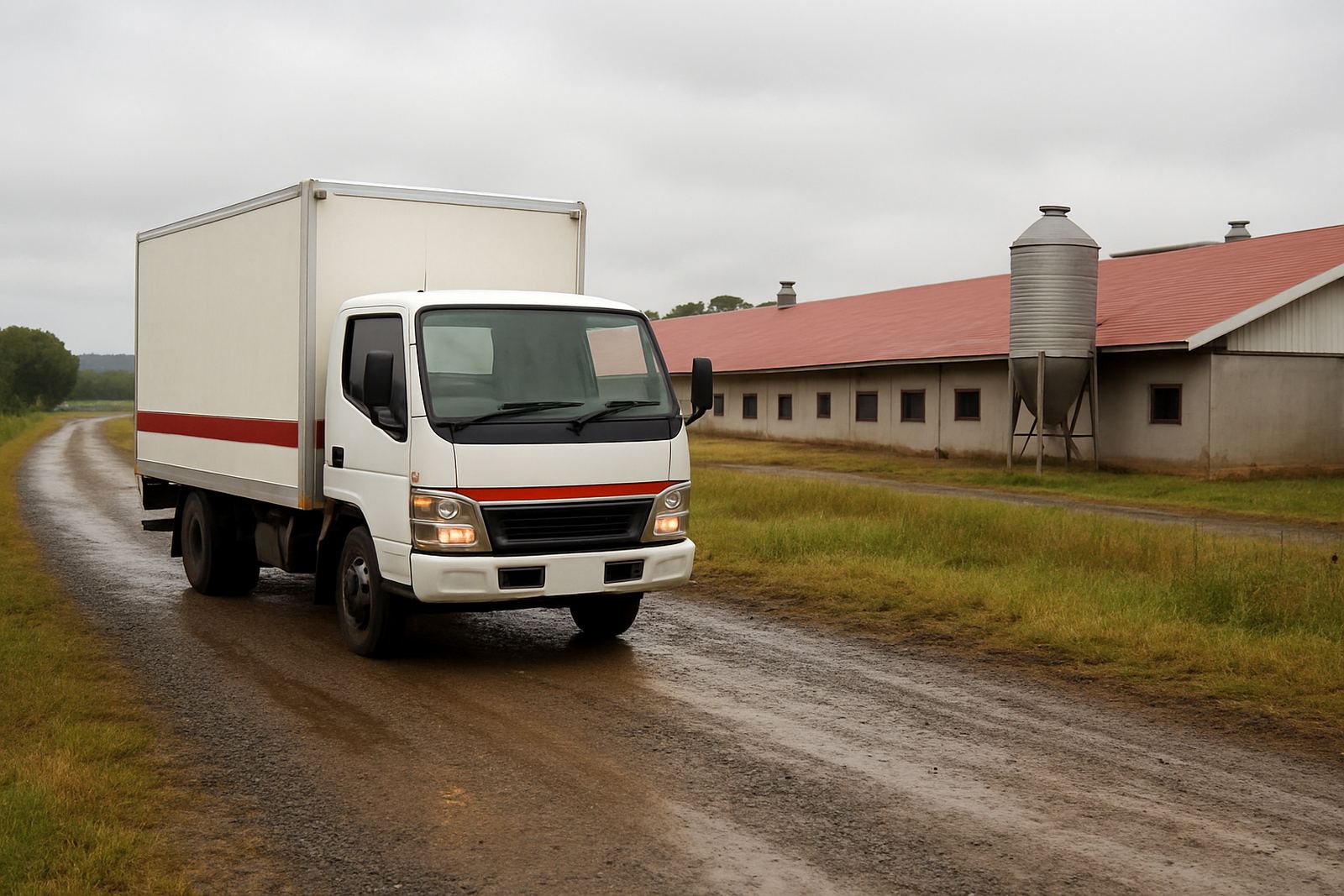
Long-distance transport is one of the biggest cost points in remote work. A cage system, incubator room, feed lines, drinker lines and abattoir equipment all need to arrive in the correct order. If not, you end up paying for extra handling and waiting time. That is why transport planning must sit alongside equipment selection right from the start.
Good planning also reduces damage. Rural roads can be hard on packed materials, and wet weather adds another layer of risk. We recommend checking access routes before dispatch, especially after heavy rain, and allowing space for turning and off-loading. If a truck cannot get close to the house, you need the right lifting plan on site not after the vehicle arrives.
- Confirm road access for each delivery vehicle.
- Measure gate widths, turns and off-loading space.
- Store equipment under cover if the site is open to wind and dust.
- Schedule critical items first, then consumables and fittings.
Labour on site: train early and keep it simple
Remote sites often rely on local labour, which is a good thing when it is managed properly. Local workers know the area, and they can become a strong part of the business if they are given clear instruction. The issue is not willingness, it is usually experience. Poultry houses need people who understand routines, hygiene and equipment care.
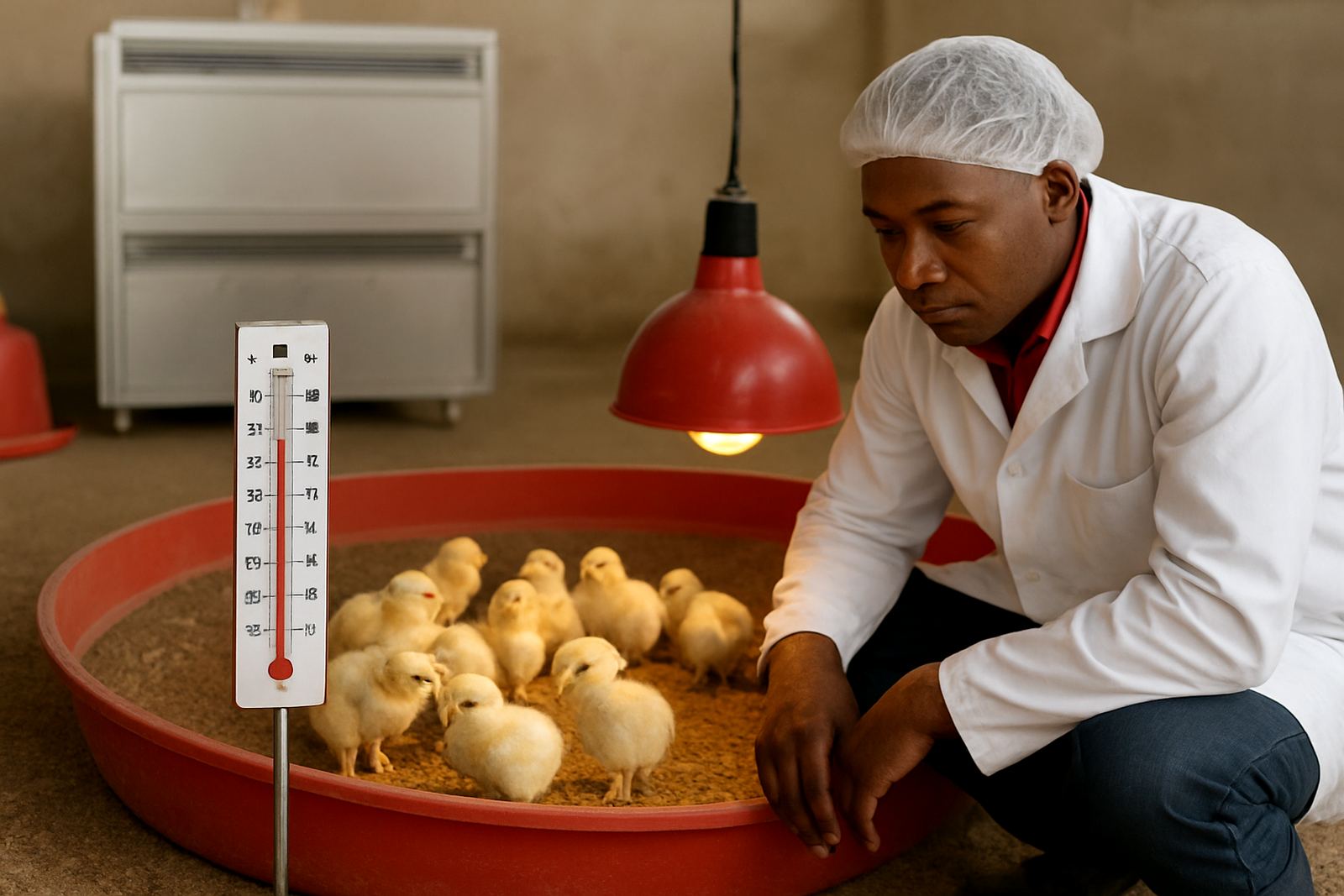
That is why operator training should happen during installation, not after the project is already running. A team that learns how to clean drinker lines, check feeders, spot faults and manage temperature early will make fewer mistakes later. In many remote areas there is no spare technician nearby, so the first line of defence is the person on the floor.
We also advise keeping procedures written in simple steps. A laminated sheet on the wall can help more than a long manual stored in an office drawer. If the power goes off during load-shedding or a generator fault, the team must know what to do within minutes.
Water, power and climate need local answers
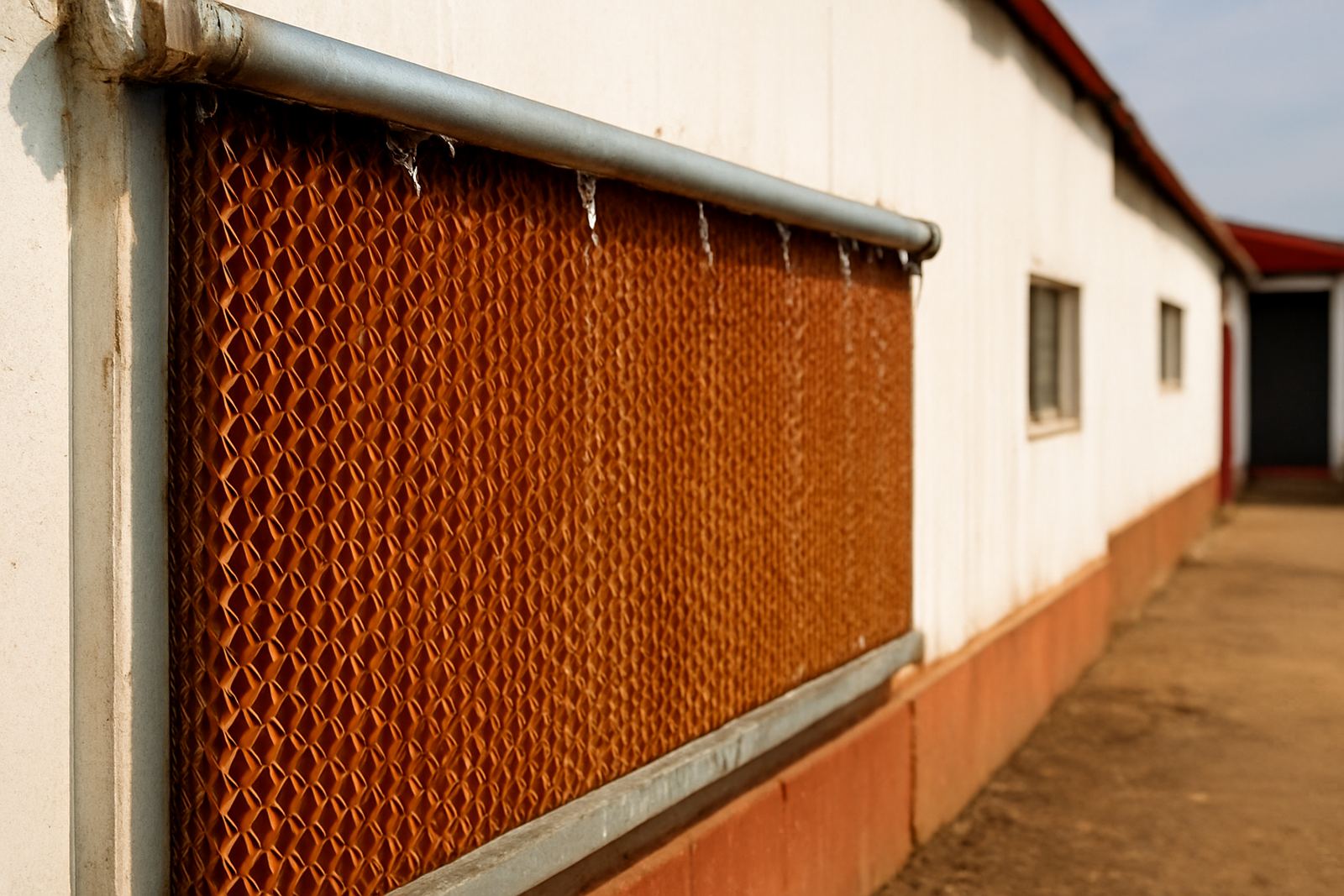
Remote poultry work fails fast when water and power are treated as afterthoughts. In dry areas, borehole yield and tank storage need to be checked before bird placement. In coastal or high-humidity zones, corrosion and condensation can also affect fittings, wiring and steelwork. A project in Mpumalanga Highveld conditions will not behave the same as one near Richards Bay or in the Lowveld heat.
Power supply is another key issue. Some sites have weak municipal supply, while others run entirely on generators or solar backup. Whatever the setup, the equipment layout should match the power plan. It helps to know which systems must stay live during outages, and which parts can be switched off safely. That can mean the difference between a controlled house and a stressful one.
- Check borehole output, tank size and filtration before commissioning.
- Plan backup power for lighting, ventilation and critical control points.
- Use materials suited to dust, heat, humidity and corrosion.
- Keep spare parts on site for items that fail often in remote conditions.
A local example from the road to farm country
One recent project in the North West gave a clear lesson. The site was far from the main town, with gravel access and limited local supply shops. The client wanted laying hens, with future room for an expansion upgrade. Instead of sending everything at once, we planned the house layout, split the delivery into stages and scheduled installation supervision around the road conditions.
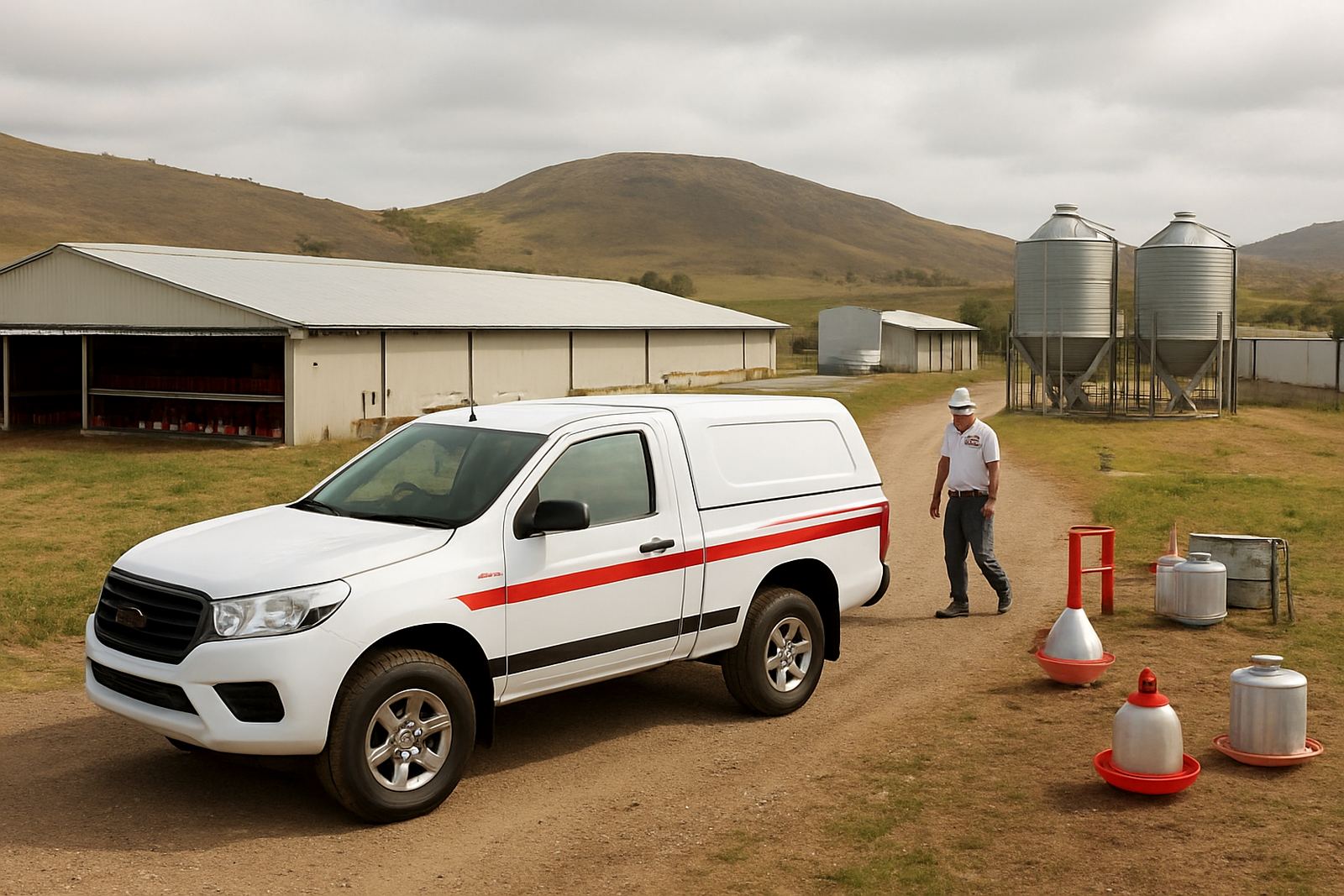
The first load carried the main structural items and essential house equipment. The second load brought drinkers, feeders and smaller fittings after the storage shed was ready. That saved re-handling and kept parts dry during a week of dusty wind. The client also assigned two local workers to support the crew, and they were trained on cleaning, feeding checks and routine maintenance before the first flock arrived.
The result was simpler than trying to fix problems after placement. It is a good reminder that remote work is not about cutting corners. It is about getting the order right and making practical choices that fit the area.
Support after handover must still reach the farm
Remote projects do not end on commissioning day. They only work long term if maintenance, spares supply and support are planned for the distance between the farm and the nearest service point. A poultry house in Jet Park does not face the same reality as a project several hours away in a rural district.
We usually advise clients to keep a basic spares list on site, including parts that wear out under daily use. We also encourage regular service visits, especially in the first production cycle, because small issues often appear once the house is under pressure. If a pump, motor or valve starts behaving badly, it is far cheaper to catch it early than wait for a full shutdown.
For abattoir areas, processing room fitout and expansion upgrades, the same rule applies. Remote sites need more planning, not less. A good project team should think about the next delivery before the current one is finished.
John F Marshall works from Jet Park, Boksburg and supports poultry projects across Gauteng, Mpumalanga, Limpopo, North West, Free State and KwaZulu-Natal. If your farm is far from the city, the job can still run properly as long as the planning is solid from the start.
What to ask before you start building
If you are planning a remote poultry project, ask these questions early. They will help you avoid delays and extra trips later.
- How will equipment be transported and in what order?
- Who will receive and store deliveries on site?
- What power source will run the house during load-shedding?
- Is there enough water storage for full flock demand?
- Who will be trained to operate and maintain the system?
- What spares should be kept on site before placement?
The best remote projects are the ones that look ordinary once they are running. That usually means a lot of thought went in before the first truck left the yard.