Start with the parts that stop the whole house
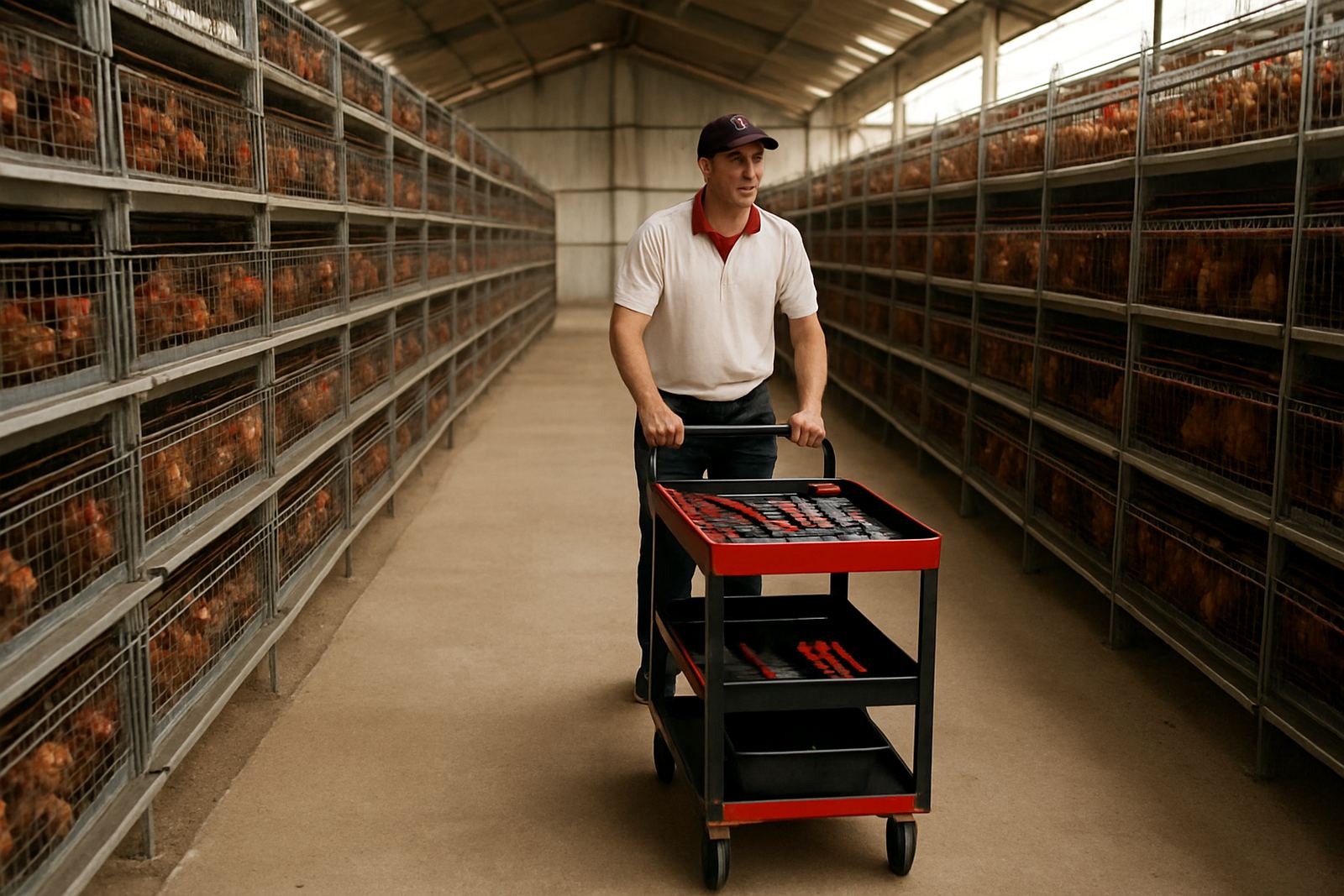
If a feeder line stops, a drinker leaks, or a controller fails, the impact shows up fast. Birds do not wait for a supplier to open on Monday, and a small fault can spread through the house before anyone notices. That is why every poultry unit should keep a simple spares list for the equipment that affects feed, water, temperature and airflow first.
In practice, this means the parts that are easiest to replace and hardest to do without. It is not about filling a storeroom with expensive stock. It is about keeping the parts that let your team carry on until a proper repair can be done. For farms in Gauteng, Limpopo or the North West, where some sites are a long drive from town, that one box of spares can make the difference between a controlled problem and a full day of losses.
Feeding and drinking systems need the most attention
Feeding and drinker equipment works every day, so wear builds up quietly. Clips loosen, valves stick, nipples drip, chains stretch and hopper parts crack. If the house is full, even a small fault can lead to uneven growth and extra labour. Keep the items that fail most often, especially on older installations or houses with heavy use.
- Feed line motors and motor capacitors
- Auger couplers, end bearings and line supports
- Feed pan springs, adjusters and shut-off parts
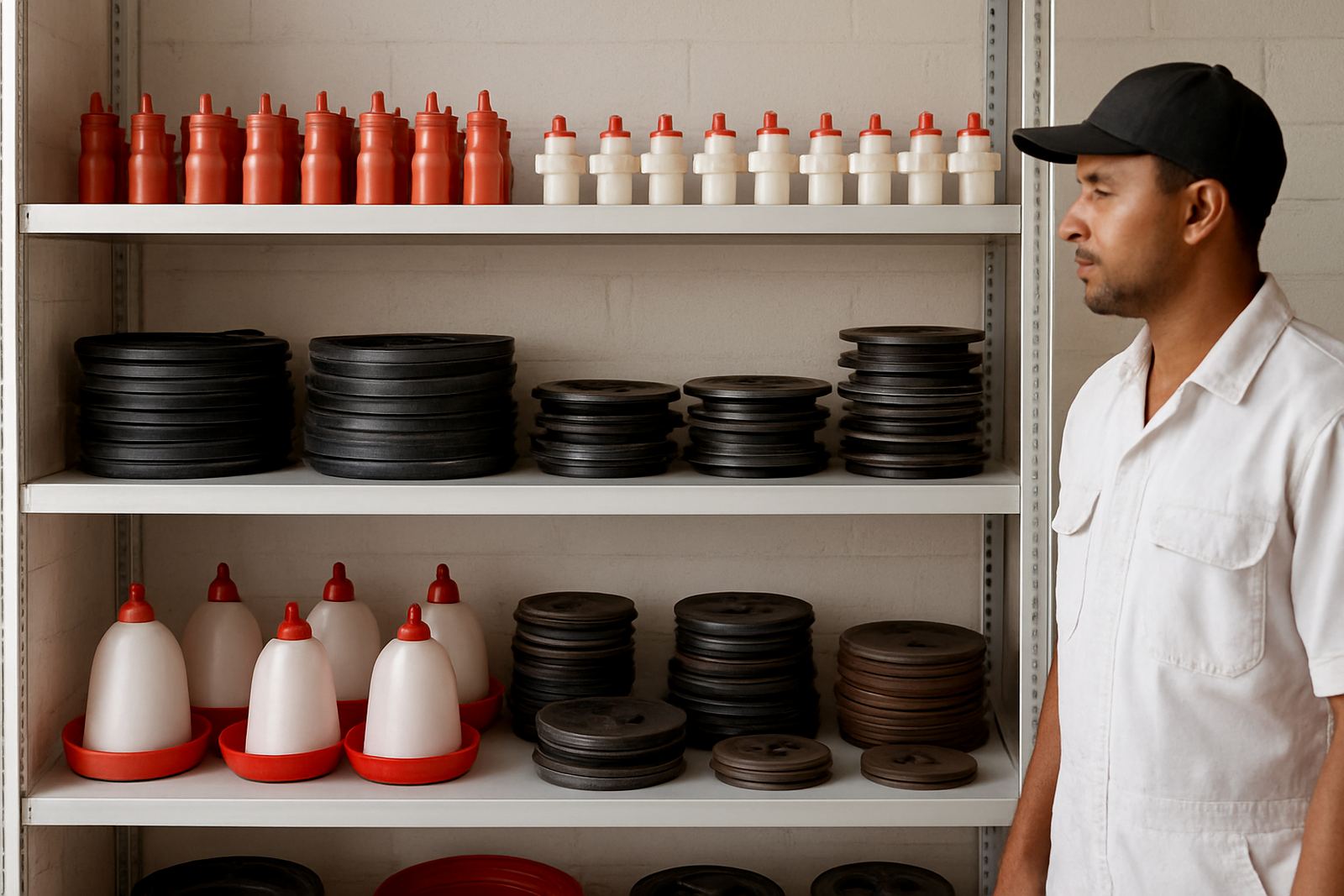
- Drinkers, nipples, seals and pressure regulators
- Flexible pipe lengths, clamps and end caps
On many farms the same few parts get replaced again and again, so it makes sense to count them properly after each service visit. If a site is running two or three houses, hold enough to cover at least one full line, not just one repair. That way the team can get moving without waiting for another delivery from the city.
Heat, airflow and power back-up spares save the flock
South African poultry houses deal with very different conditions. A hot Mpumalanga summer, a humid KwaZulu-Natal coast, or a dusty Free State afternoon all place stress on fans, heating and control gear. Add load-shedding and voltage dips, and the risk goes up again. Spare parts for climate control should be treated as essential stock, not optional extras.
Keep a record of which parts give trouble most often at each site. A house near the coast may need more attention on corrosion-prone fittings, while a dry inland house may need fan belts and contactors more often. The idea is to match the spares to the site, not just to the machine list.
- Fan belts, blades and motor mounts
- Contactors, relays and fuses
- Thermostats, sensors and probes
- Heater elements, igniters and gas valves where fitted
- Control panel indicators and emergency switches
Brooders and incubators need small parts with tight tolerances
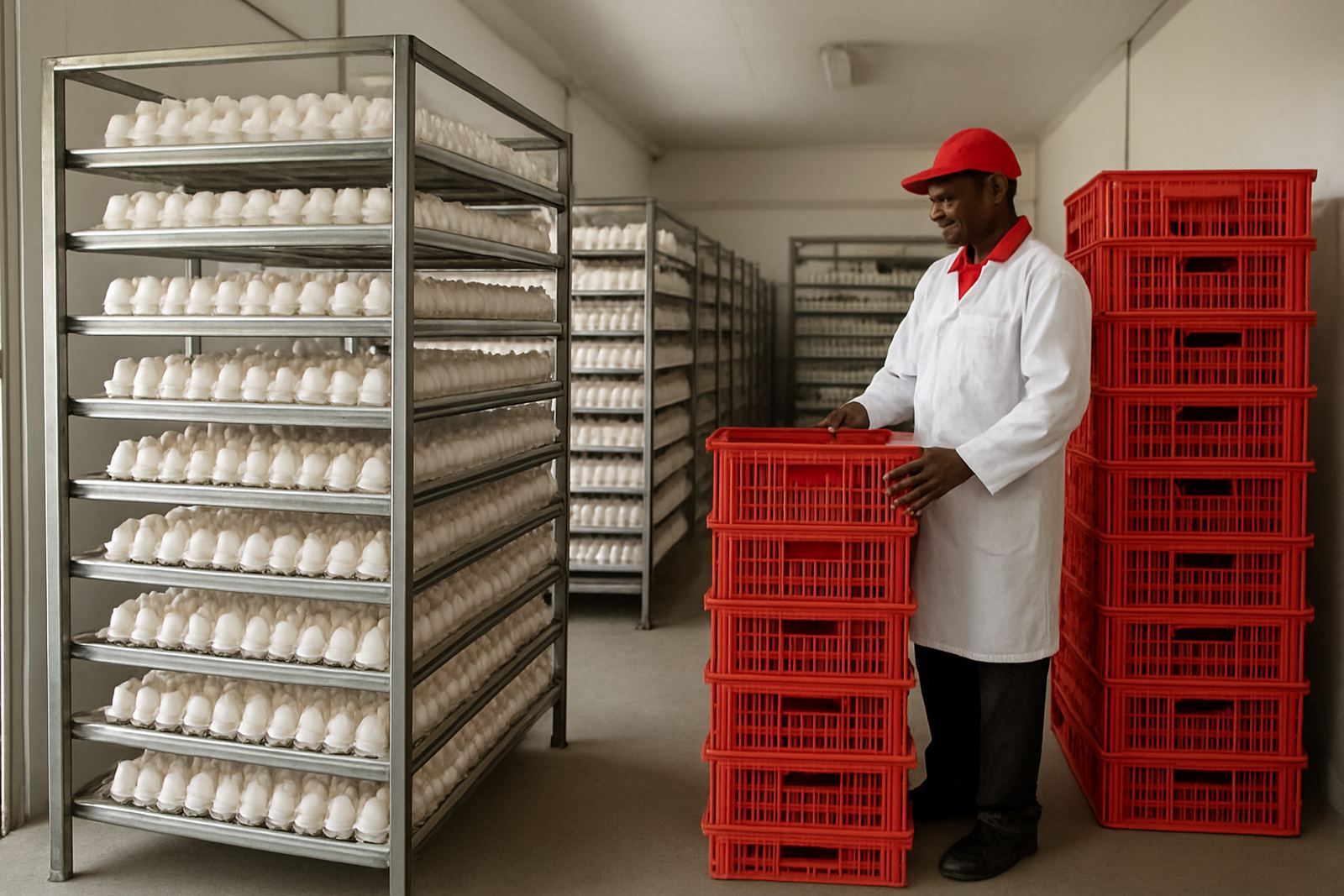
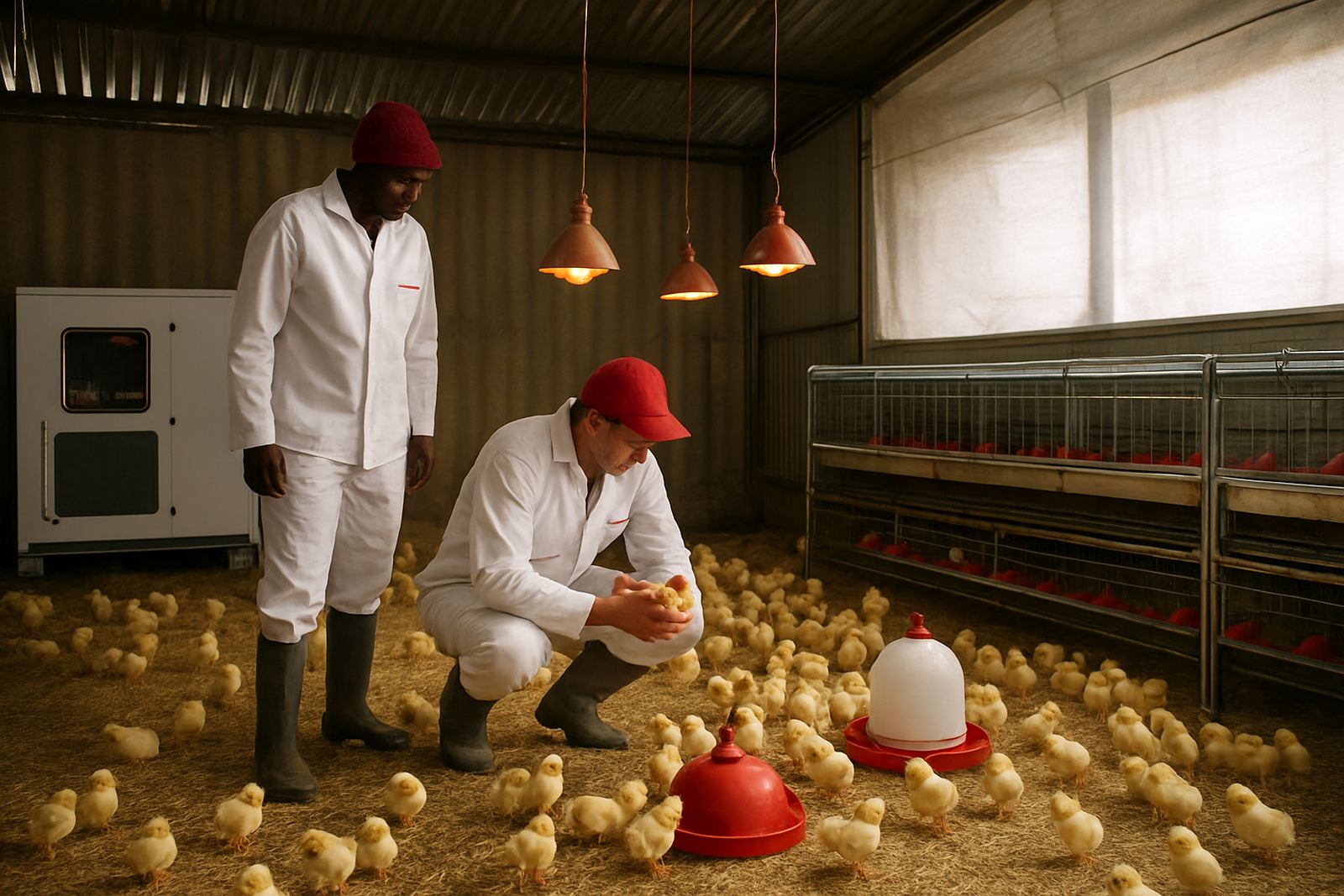
Hatchery equipment is not the place to improvise. Small parts affect temperature, turning, humidity and hatch consistency. A worn seal or faulty sensor can change results before the problem is picked up. For hatcheries and brooding areas, keep spares that protect the whole batch, not only the machine itself.
It helps to check these items before each production cycle and again after cleaning. A missing washer or damaged hinge may look minor, but in a hatchery environment it can affect performance more than expected. One hatchery outside Polokwane kept replacing only the obvious parts, then found the same fault kept returning because the sensor housing had a slight crack. That one part was cheap, but it kept upsetting the temperature reading for three rooms, so the issue dragged on for weeks.
- Temperature and humidity probes
- Turning motor parts and drive belts
- Door seals, hinges and latches
- Trays, rollers and egg handling parts
- Bulbs, fans and ventilation motors
Processing room spares should match food safety rules
Abattoir and processing room equipment must stay clean, functional and easy to service. When a part fails in this area, downtime often affects hygiene as much as output. That is why spares for processing rooms should be chosen with maintenance and cleaning in mind, not just speed of replacement. Municipal and veterinary requirements can also affect how and where equipment is fitted, so it pays to keep proper records of what is installed.
For processing lines, the most useful spares are usually the ones that wear from repeated wash-downs and movement. Keep stock that lets the team repair a section quickly and return it to service with minimum interruption. If you are expanding, it is worth planning spare storage into the room layout from the start, because it is easier to store parts properly than to find a place for them later.
- Seals, gaskets and O-rings
- Spray nozzles and wash-down fittings
- Conveyor rollers, guides and bearings
- Switches, foot pedals and safety interlocks
- Stainless fasteners and replacement handles
A simple spares system beats a crowded store room
The best spares system is neat, tracked and reviewed. Too little stock leaves you exposed, but too much stock ties up cash and can lead to parts sitting unused until they corrode or go missing. Start with usage history, supplier lead times and the number of houses on each site. Then set minimum and maximum levels for each key item.
A good rule is to review spares after every servicing visit and again after any breakdown. If a part has been used twice in a quarter, it probably belongs on the shelf. If it has not moved in two years, it may not deserve space unless the lead time is long or the equipment is no longer standard. Keep the list simple enough that someone on the farm can check it without guesswork.
- Keep one stock card or digital record per item
- Mark fast-moving parts with minimum and maximum levels
- Store seals, electrics and sensors in dry, labelled bins
- Separate cleaning chemicals from spare parts
- Check expiry dates and corrosion before each season
Why planning spares early saves money later
Most poultry businesses only feel the true cost of missing spares when a fault happens on a Friday afternoon or during a busy placement cycle. That is when a minor delay becomes overtime, lost feed time or a service callout from a long distance. Planning ahead keeps those costs down and gives the team more control.
At John F Marshall, we see this often on projects across Gauteng, Mpumalanga, Limpopo, North West, Free State and KwaZulu-Natal. A farm near Boksburg may need parts for a quick fix, while a site in a more rural area may need enough stock to last until the next delivery run. The same logic applies everywhere: know your equipment, know the wear points, and keep the spares that protect your production first.
When a house is planned properly, spares become part of the business plan, not an afterthought. That approach keeps birds safer, keeps staff working, and helps the farm hold its rhythm even when power cuts or weather push things around a bit.