Start with the bird flow, not the shopping list
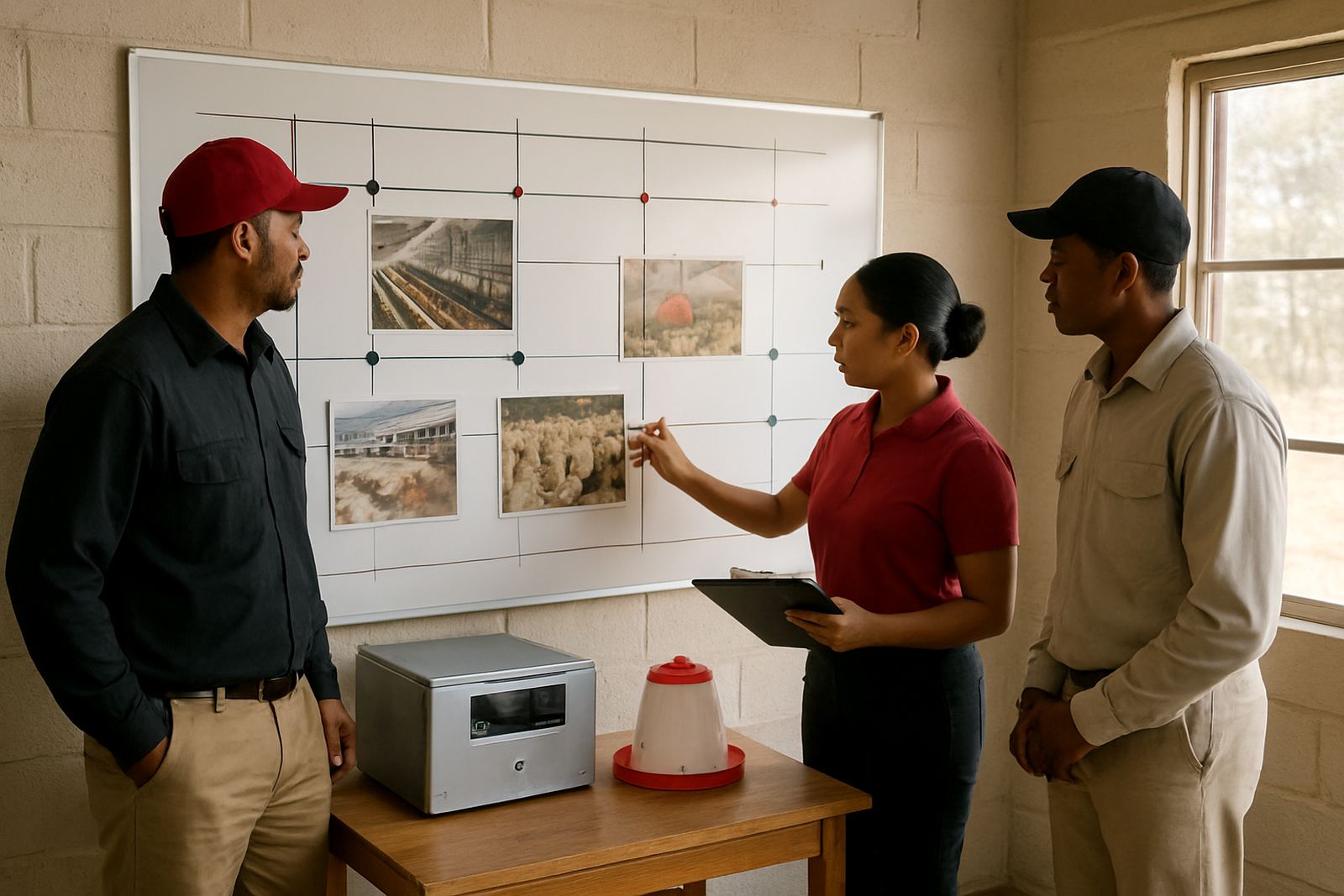
Before you buy anything, map the full path of the flock. Where will chicks arrive, where will they be brooded, when will they move to rearing and then to the laying house, and how will eggs move out without crossing dirty foot traffic? A free-range system still needs order inside the shed, otherwise you spend every day fixing avoidable problems.
In practice, the first decisions should cover flock size, housing type, range access, and the age at which pullets enter production. If the house layout is wrong, every later cost goes up. Feed waste, damaged eggs, uneven lighting and poor ventilation all show up fast, especially in hot inland areas like Gauteng and Limpopo where daytime heat and load-shedding can hit the same week.
John F Marshall has supported poultry projects since 2009, so the planning conversations usually start with house dimensions, bird numbers and service access rather than with individual machines. That approach saves time on site and helps the owner choose equipment that suits the building, not the other way round.
Brooding gear that gives pullets a clean start
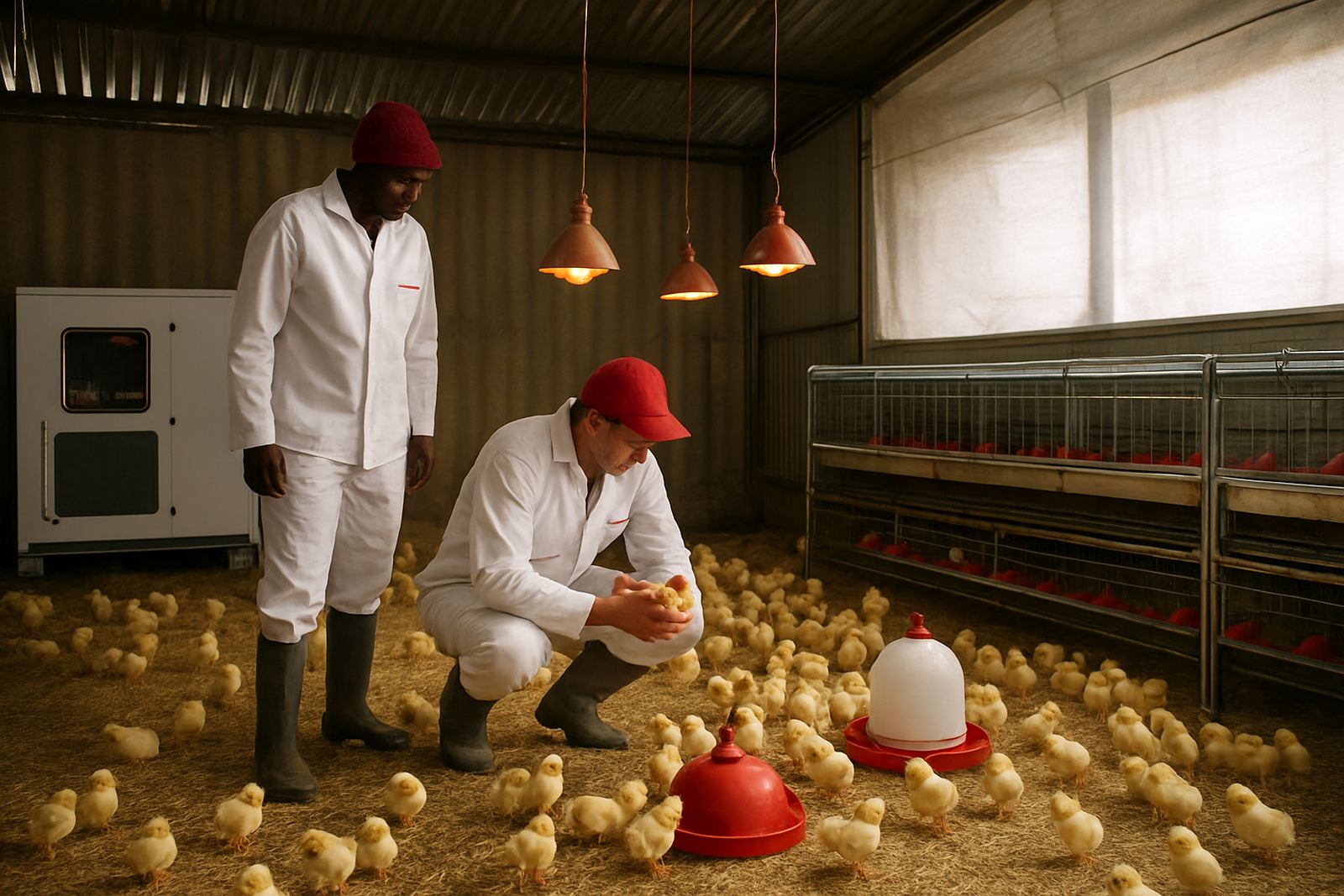
Strong laying performance starts in the first weeks. If you are raising your own pullets, the brooder setup matters as much as the laying house because it shapes growth, feather cover and later uniformity. Chicks need stable warmth, dry litter, easy access to water and feed, and enough space to move without piling.
Plan for:
- Brooders or heating equipment matched to the shed size and winter conditions
- Chick guards, drinkers and feeders set at bird height
- Thermometers and simple daily checks for heat, draughts and humidity
- Emergency power planning for outages, especially in areas with regular load-shedding
If you are buying point-of-lay birds instead of brooding on site, you still need a receiving area where birds can settle without stress. Clean water, enough feeder space and a calm transfer process reduce early losses. On smaller farms around North West and Free State, this is often where a few extra fittings make the biggest difference to survival and later egg numbers.
Feeding and drinking systems that keep birds moving
Free-range eggs still depend on precise feed and water control. Birds may range outside, but the shed needs enough feeding and drinking points so dominant birds do not block the rest. Poor access leads to uneven size, poor shell quality and birds hanging back from the system. It also creates more labour because staff keep topping up by hand.
A good layout should allow easy cleaning, quick refilling and simple checking every day. In hotter parts of KwaZulu-Natal and Mpumalanga, water line pressure and tank position need attention, because birds will drink more when temperatures rise. If the water delivery fails for even a few hours, production can slip and recovery is slow.
- Feeders positioned to reduce wastage and contamination from litter
- Drinkers sized for flock age and daily water demand
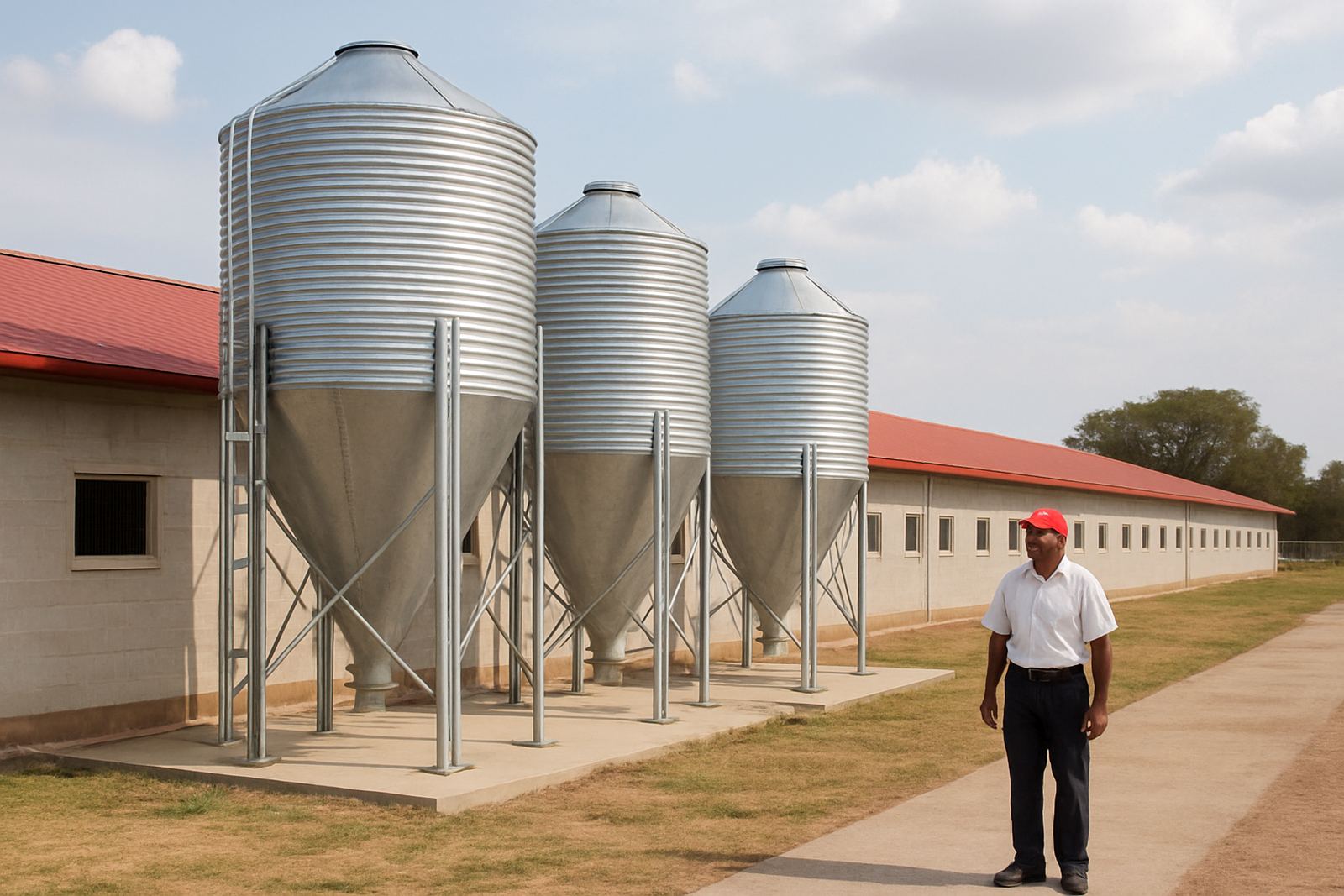
- Feed storage that stays dry and protected from rodents
- Back-up water storage for dry spells and municipal interruptions
It also helps to keep maintenance simple. If a feeder line or drinker section needs a specialist every time it blocks, the system becomes expensive to run. A practical setup is one that the farm team can inspect, clean and reset without waiting for outside help.
Laying house equipment that supports egg quality
Once pullets are nearing lay, the house must be ready for nest use, egg collection and easy movement. This is where the free-range unit either becomes manageable or turns messy. Birds need a consistent place to lay, and workers need a clean route to collect eggs without cracking, dirt or delays.
Key equipment areas include nesting systems, perches where needed, egg trays and handling tables, and a sensible walk-way layout. Good lighting matters too. Birds respond to light patterns, so windows and artificial lighting should be planned together. In simple terms, you want enough light for inspection and collection, but not so much glare or uneven brightness that birds scatter and miss the nests.
Ventilation is also part of the equipment plan. A free-range unit can still build up heat and moisture, particularly when birds come back in after rain or during coastal humidity. Fans, roof vents and side openings should be planned with the local climate in mind, along with mesh that keeps out wild birds and pests.
Free-range access needs more than a gate
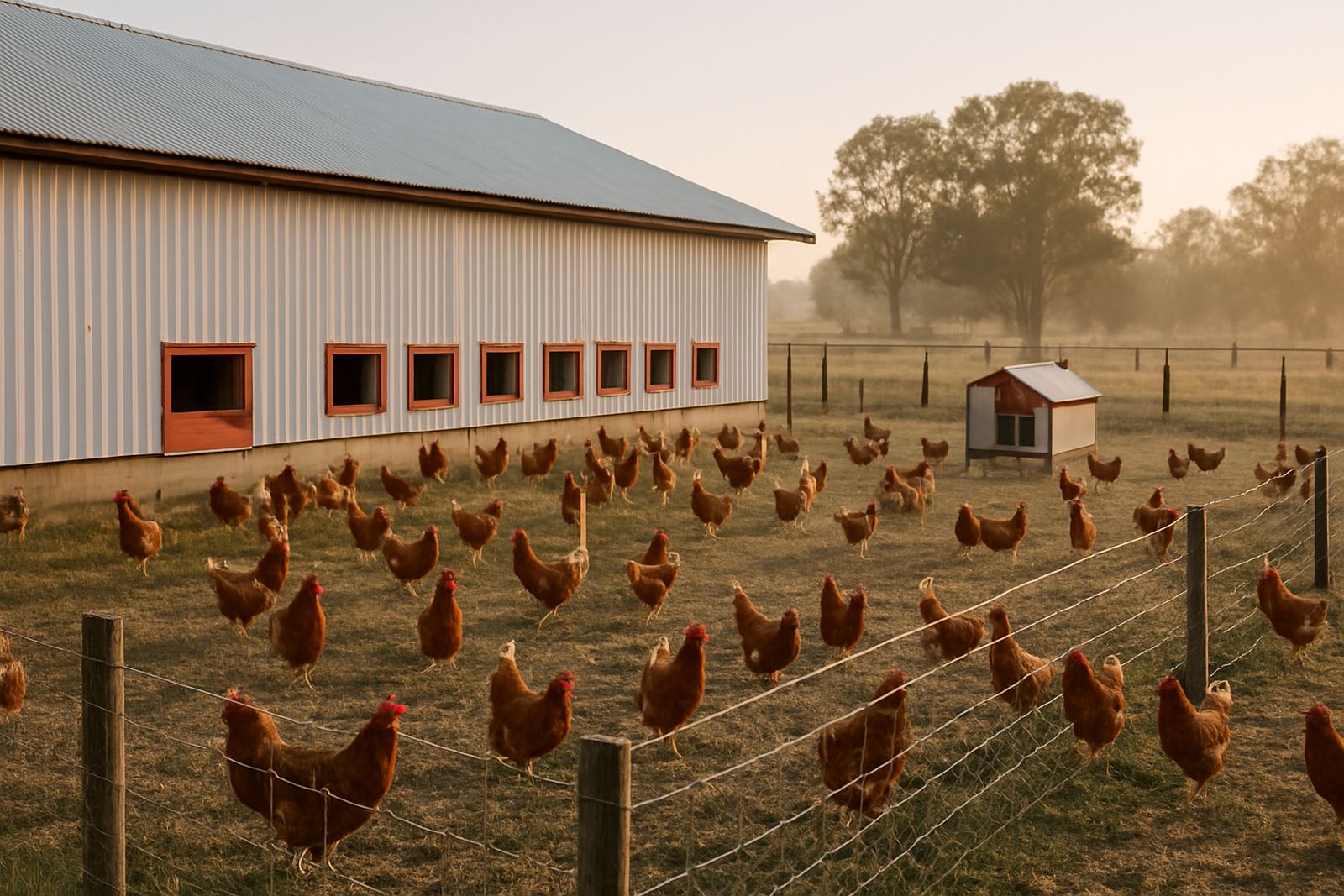
The outside area is part of the production system, not an extra. Range access must be safe, drained and easy to manage, otherwise birds crowd near the pop-holes and the rest of the land gets underused. That creates mud in wet weather and dust in the dry months, both of which affect bird health and egg hygiene.
Think through fencing, shelter, drainage and rotation from the beginning. If the land is too bare, add shade and windbreaks. If it sits low, plan runoff channels before the first rain. On municipal edges around Gauteng, you may also need to consider nuisance control, stormwater flow and how manure will be stored and removed. These are not afterthoughts, they shape whether the project runs cleanly.
- Secure fencing to control movement and protect against dogs and predators
- Shade structures or trees for heat control
- Ground cover and drainage to prevent mud and standing water
- Controlled pop-hole access to keep birds returning to the house
A local example: a 5 000 bird unit outside Boksburg may work well with a compact house, water tank backup and shaded range runs, while a similar flock in Limpopo may need stronger heat control and more attention to dust. The equipment list changes with the site, even if the egg target is the same.
Packing, washing and processing room fitout
Eggs leave the farm only after they have been handled properly. Even a small free-range unit needs a clean room for sorting, packing and storage. This area should be separate from feed stores and livestock traffic, with washable surfaces and enough space for egg trays, tables and crates. If the room is cramped, breakages climb and hygiene slips.
Plan for the following:
- Sorting tables and packing surfaces that can be cleaned daily
- Crate and tray storage away from dust and moisture
- Hand-washing points and basic hygiene controls for staff
- Temperature management for short-term egg holding
If you are also processing birds later, or planning an abattoir link, the layout becomes even more important. Dirty and clean zones need separation, and the flow of people and goods must make sense from the start. John F Marshall often assists with processing room fitout and expansion upgrades, so the same site can grow without having to rebuild everything later.
Maintenance, spares and training keep the unit alive
The best equipment fails if nobody checks it. A free-range egg unit needs a maintenance plan, spare parts on hand and staff who know what normal looks like. Simple tasks like clearing drinker lines, checking nests, tightening fittings and testing backup power should be written into the weekly routine.
Training is just as important. The person collecting eggs should know how to handle cracked shells, spot dirty nests and report feed or water issues before they spread. The person overseeing the house should know when bird behaviour is normal and when it points to heat stress, overcrowding or a ventilation problem. That knowledge saves money because small faults are caught early.
From Jet Park in Boksburg, John F Marshall supports poultry projects across Gauteng, Mpumalanga, Limpopo, North West, Free State and KwaZulu-Natal. The practical goal is simple: match the equipment to the birds, the building and the local conditions, then keep the system easy to run every day.