Why Heat Stress Shows Up So Quickly in Poultry Houses
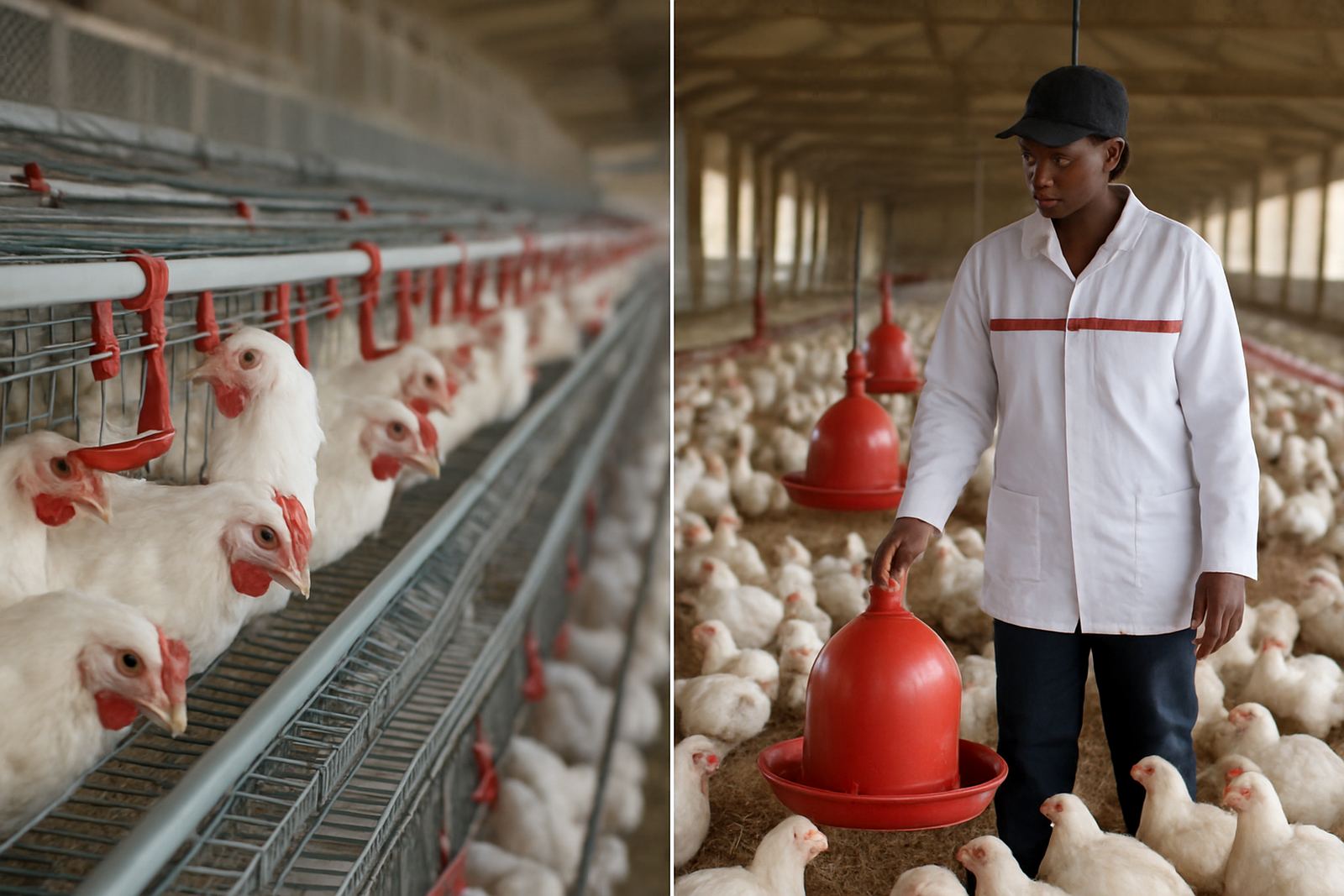
In a closed or semi closed house, heat does not stay outside for long. By late morning, roof sheets warm up, side walls hold heat, and still air starts to build around the birds. Once that happens, feed intake drops, water use climbs, and the flock spends more time panting than growing. That is a problem whether you are running layers, broilers or breeder birds.
South African summers can push houses past comfortable limits for long stretches, especially in Limpopo, northern Gauteng, Mpumalanga and parts of KwaZulu-Natal. Even in the Free State and North West, a clear hot day with low humidity can push house temperatures up quickly. Cooling pads help by cooling incoming air before it reaches the birds, which gives the ventilation system a better chance of holding conditions steady.
How Cooling Pads Work With the Rest of the House
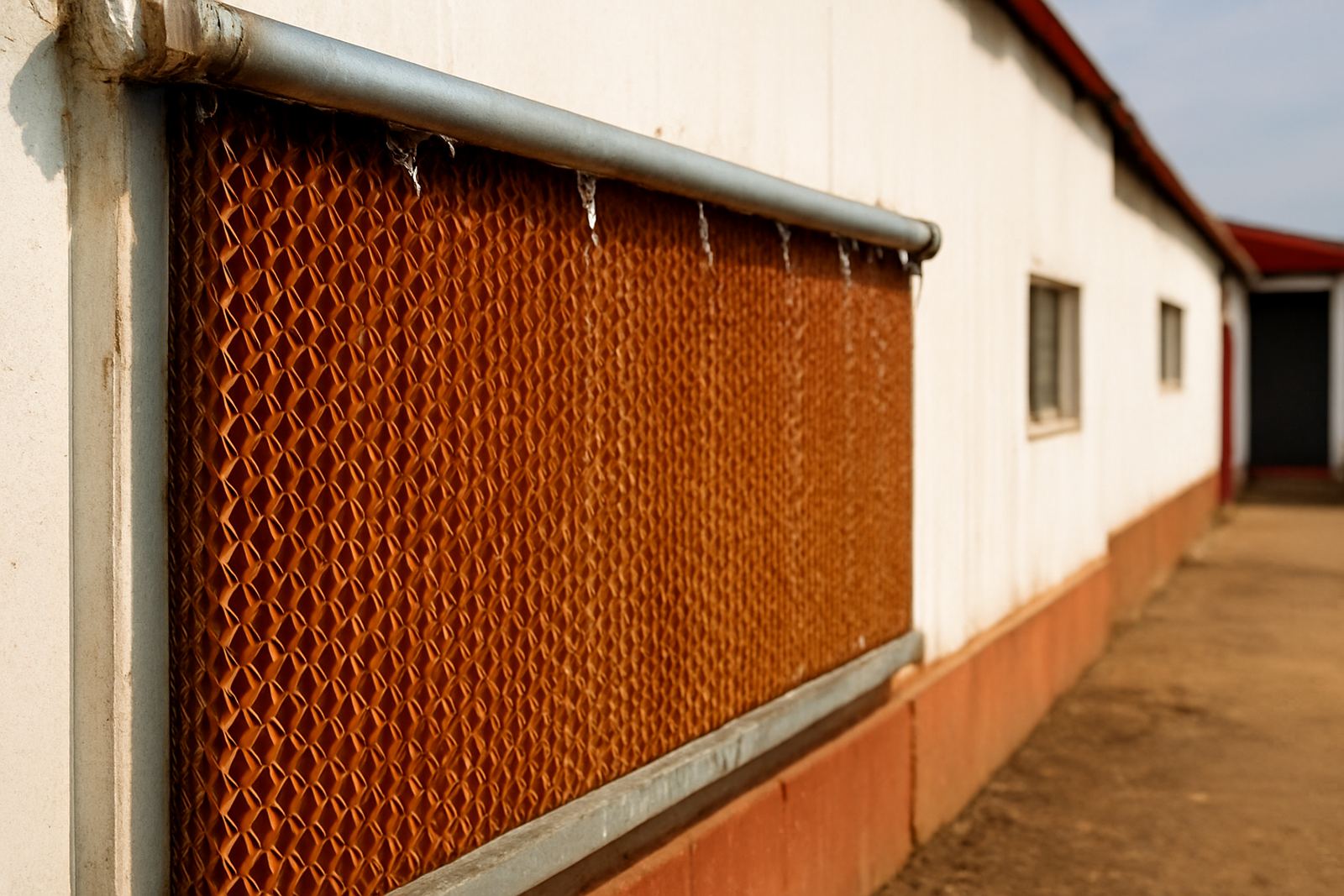
Cooling pads are not a stand alone fix. They work best when the house has the right fan capacity, good air sealing and proper water flow. Air is pulled through the wet pad, heat is taken out of the air and the birds receive a cooler stream of fresh air. If the house layout is right, that cooler air moves through the flock instead of sitting above it.
That is why pad size, fan position and house length all matter. A pad that is too small will choke the airflow, while a poorly sealed house will waste the cooling effect before it reaches the birds. During planning, it helps to check inlet area, roof height, house width and the position of end walls. Small choices here can make a big difference later on.
- Enough fan capacity for the house volume
- Correct pad depth and pad face area
- Clean water distribution across the full pad surface
- Good sealing around doors, joins and cable points
- Regular checks for algae, scale and dust build up
The Practical Benefits Farmers Notice First
The first gain is usually bird comfort. When temperatures stay lower, birds eat better, drink in a more even way, and keep moving through the house instead of bunching together. That helps reduce stress, and in many houses it supports more even growth and better flock uniformity.
Another benefit is control. A house with pads gives the team a better chance to manage temperature swings through the hottest hours of the day. That matters during load shedding too. If power backup is limited, any cooling system needs to be planned carefully so the house can still cope when supply is unstable. Pads can be part of that plan, but only if the whole ventilation system has been checked first.
- Less panting and crowding during peak heat
- Better comfort during afternoon temperature spikes
- More predictable house conditions for operators
- Reduced strain on birds when outside temperatures rise fast
A Local Example from a Hot Inland Site
Consider a layer house near Middelburg in Mpumalanga. In November and December, the outside air can move from comfortable early in the morning to harsh by midday. Without cooling pads, the house may struggle to hold a workable range after 11h00, even with fans running. Birds start opening wings, feed bins empty unevenly, and the team spends the afternoon reacting instead of managing.
Once the house is set up with properly sized pads, the change is immediate in practical terms. Incoming air is cooler, the birds settle sooner, and the staff can keep a closer eye on water lines, litter condition and light levels. It is not magic, just better control. For a business with more than one house, that control can save a lot of small losses that usually add up over a season.
What to Check Before You Install Pads
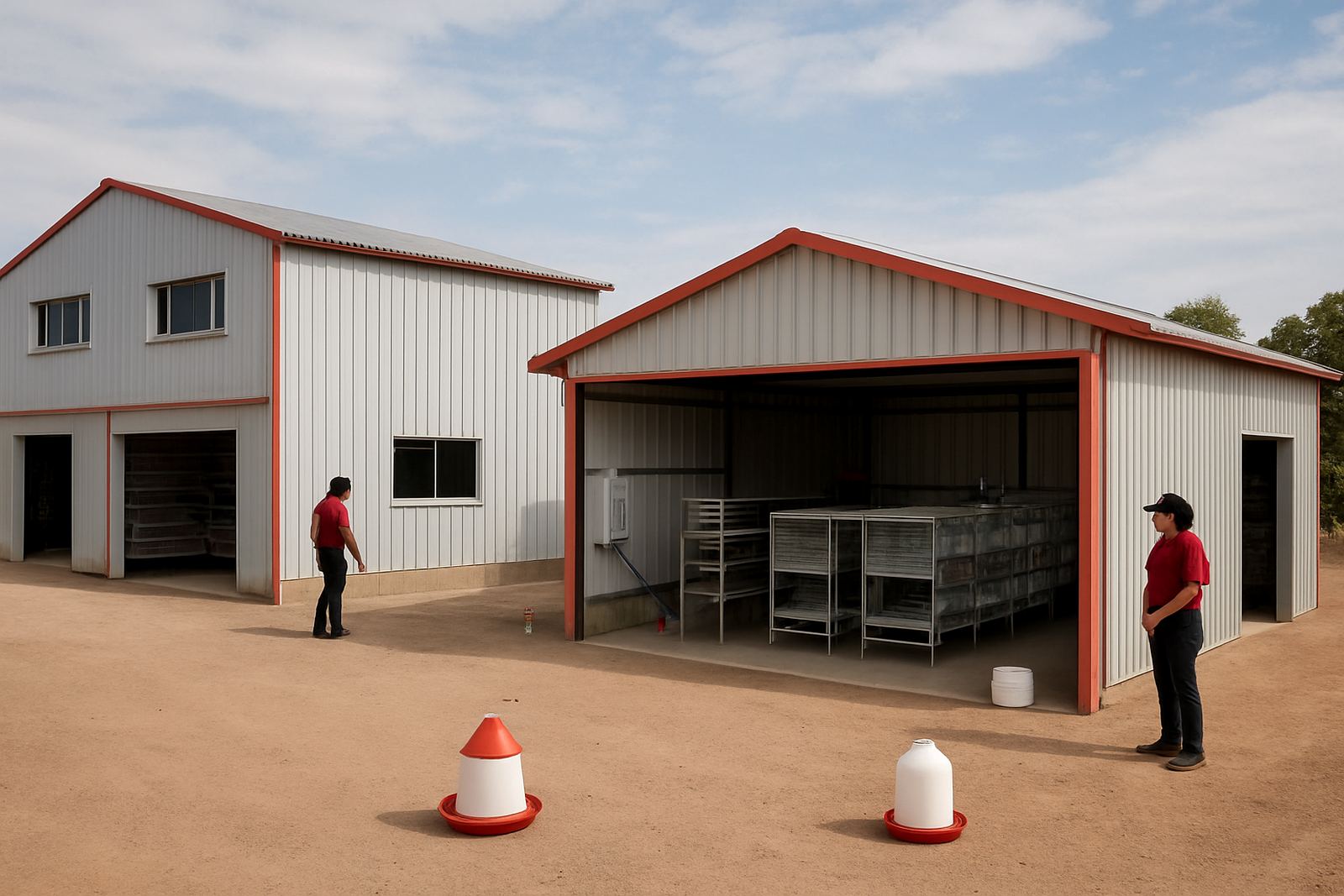
Before fitting cooling pads, the house needs a proper check. The goal is to match the pad system to the building, not force a one size solution onto every site. A long house in Polokwane may need a very different setup from a shorter house in Vryheid or a site on the Highveld with stronger afternoon winds. Site planning makes the difference here.
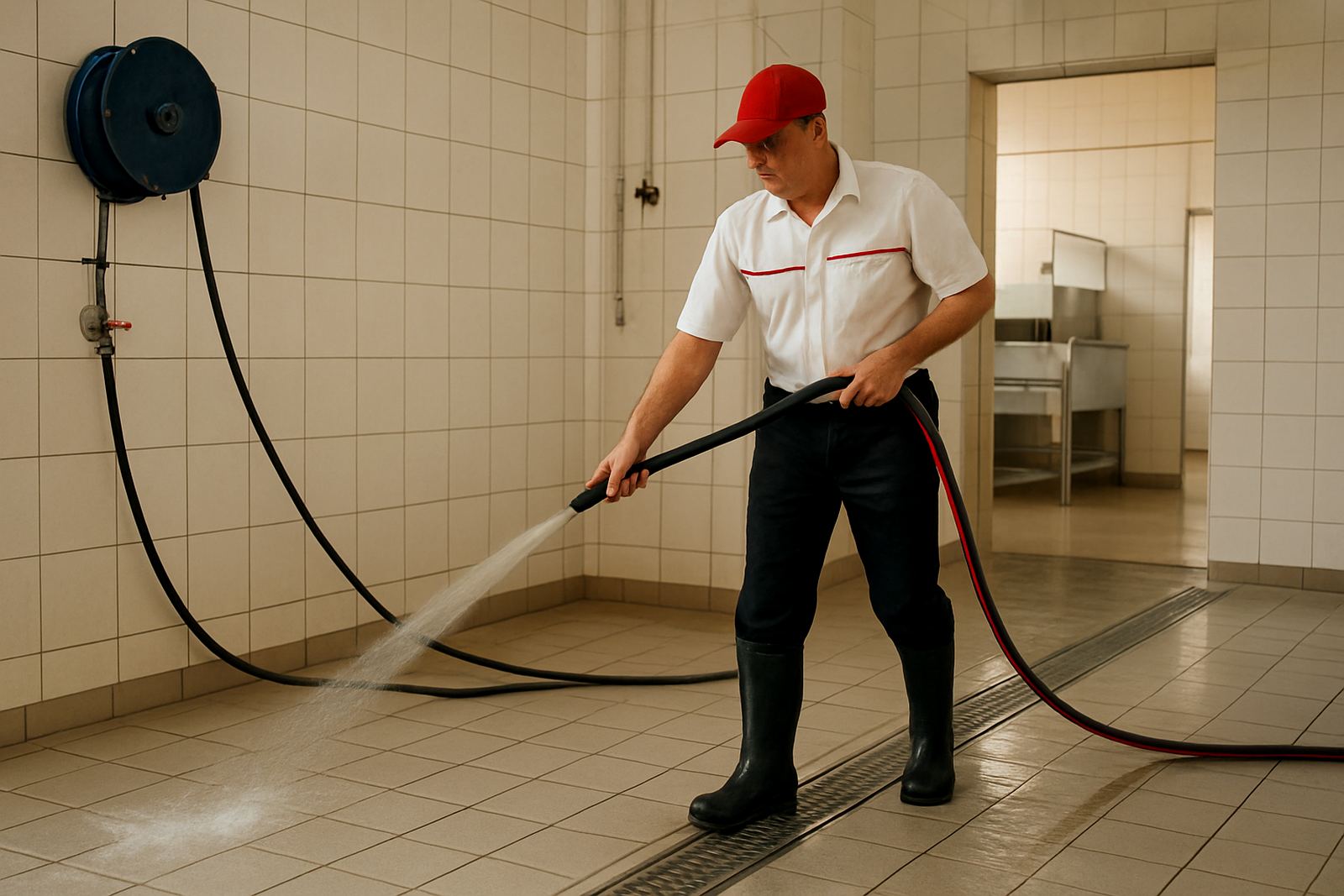
It also helps to think about water supply, cleaning access and maintenance. Pads need clean water, sound pipework and a way to flush dirt out. Where borehole water is hard, scaling can block the pad surface over time. Where municipal water is limited, storage capacity should be checked before installation. If the house is close to a processing area, drainage and waste water routing also need attention so the site stays compliant and practical to run.
- House width, length and roof height
- Fan layout and air speed through the flock
- Water pressure, storage and filtration
- Drainage points and cleaning access
- Backup power arrangements for hot weather periods
Keeping Pads Working Through the Season
Cooling pads do need routine care. Dust, lint and mineral build up reduce their effect, so a pad that was working well in October can underperform by January if nobody checks it. The same goes for pumps, valves and wetting lines. A small fault can leave one side of the pad dry, which reduces cooling and can create uneven conditions in the house.
Good maintenance is simple enough if it is planned. Staff should know what normal water flow looks like, how to spot blocked sections and when to clean the system. Training helps here, because most pad problems are caught early by operators, not by technicians. A short weekly check often prevents a much bigger problem later on.
- Inspect pad face for dry patches or crusting
- Flush lines and clean filters on schedule
- Check pump operation before the hottest part of the day
- Watch for uneven bird behaviour across the house
- Keep a spare parts list for fast repairs
A Sensible Way to Improve Summer Performance
Cooling pads are worth considering when summer heat is affecting bird comfort, feed use or house consistency. They do not replace good ventilation design, but they strengthen it where the pressure is highest. For poultry producers, that means fewer heat related surprises and better day to day control.
For new houses and upgrades alike, the best results come from proper planning, correct equipment selection and solid installation supervision. If the system is matched to the house and maintained well, cooling pads can become one of the most useful parts of a hot weather setup. It is a practical investment, not a cosmetic one, and on a tough January day that difference is easy to see.