What a point-of-lay bird should look like before transfer
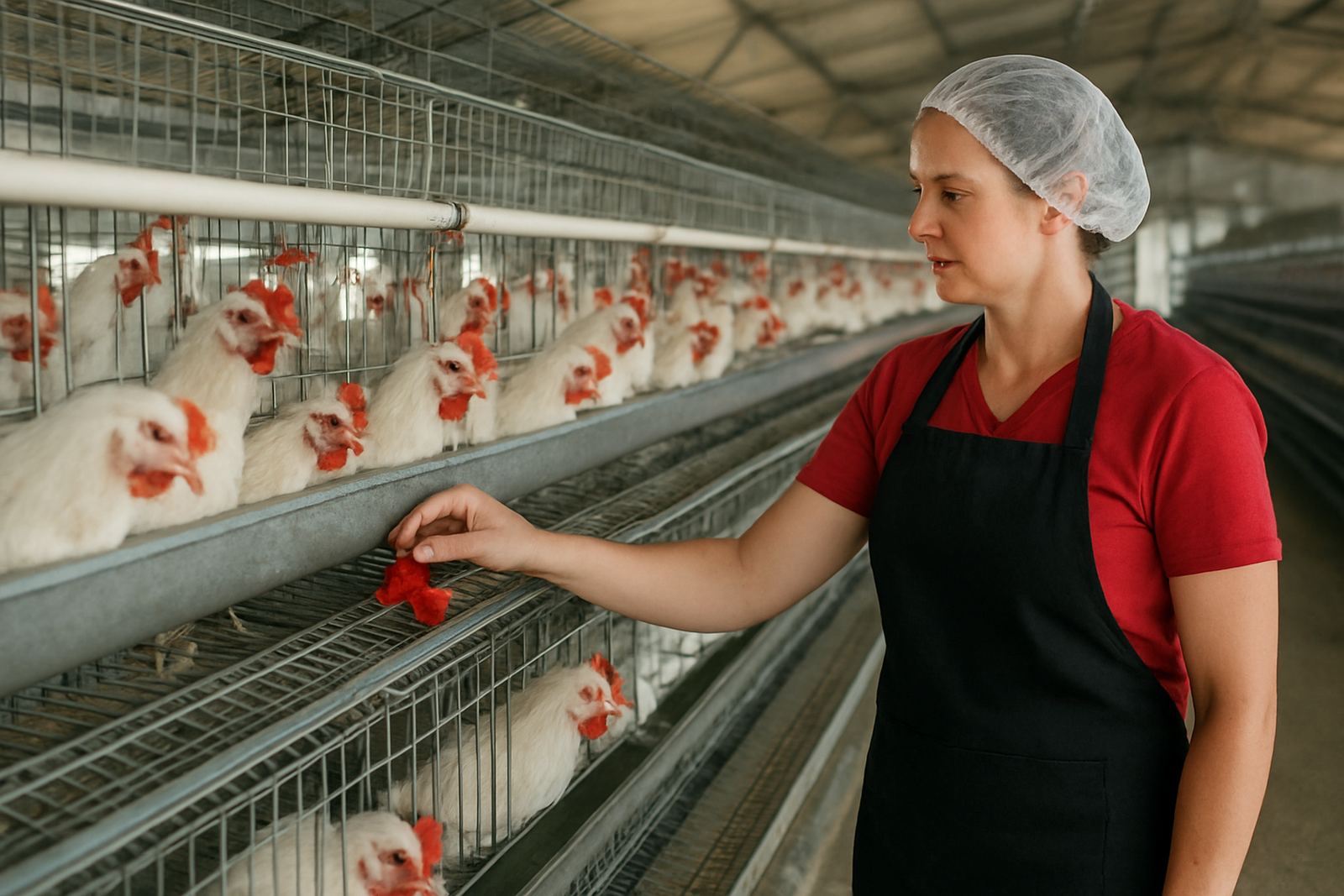
A pullet that is ready for transfer should be uniform, calm and on target for age and weight. In practical terms, that means a flock with even feather cover, steady body condition, clean beaks and legs, and no birds hanging back at feed time. If there is a wide spread between the small and heavy birds, the laying curve usually starts uneven as well.
In South African conditions, especially where houses in Gauteng, Limpopo or KwaZulu-Natal can swing from cold mornings to hot afternoons, the rearing phase must build a bird that can cope with change. A pullet that has learnt to move, eat and drink properly indoors will transfer better than one that has been kept too quiet or too crowded. The aim is not just weight, but readiness.
Space, floor type and feeder length all shape uniformity
Space is one of the first things to get wrong. Too little floor area and birds crowd, compete and feather-peck. Too much space too early and they spread out, lose warmth and waste feed. The right stocking density changes as the birds grow, so the house must allow sensible adjustment from brooding through to transfer. House layout matters as much as bird genetics.
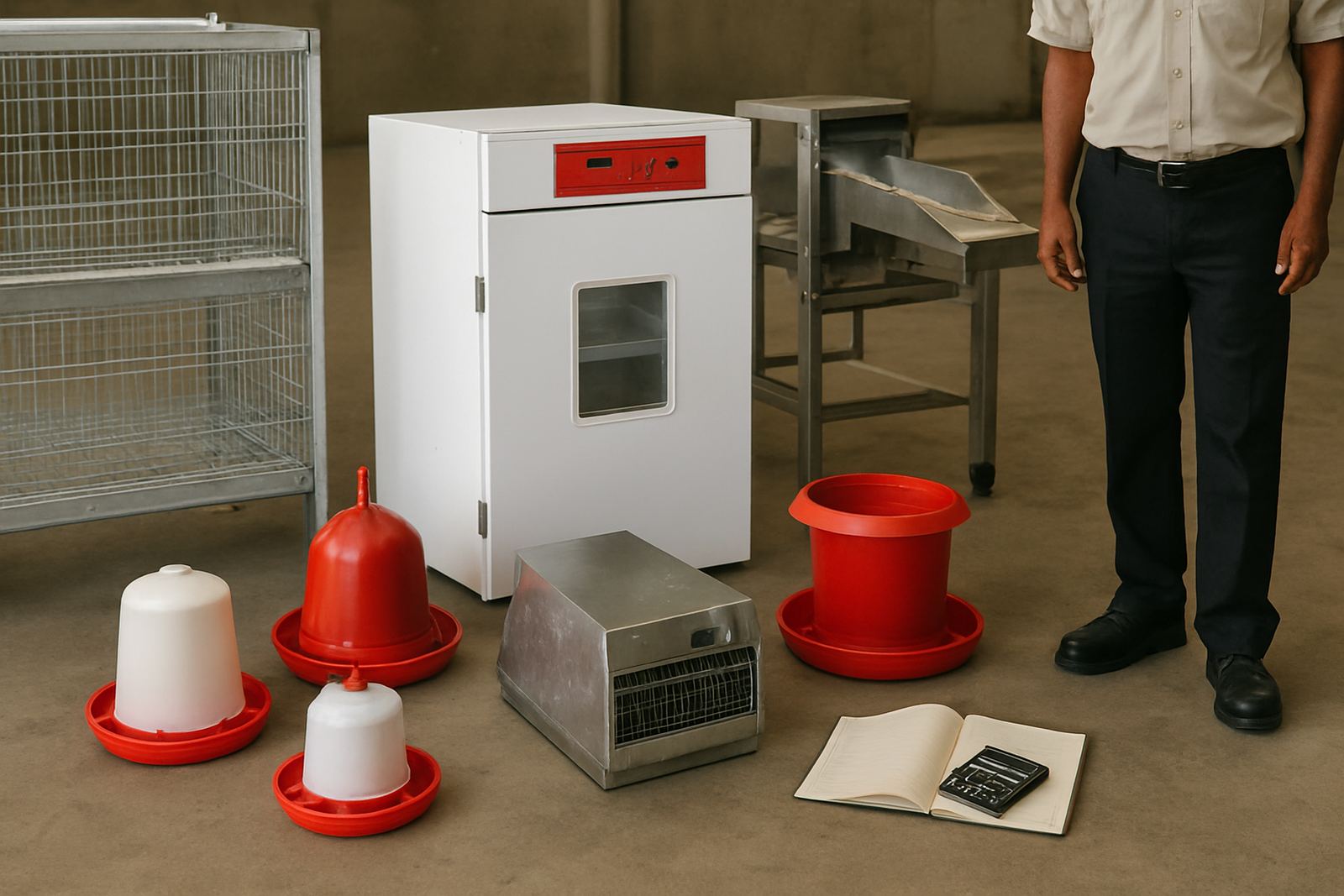
Equipment spacing is equally important. Feeders and drinkers must be placed so weaker birds reach them without pushing through the whole flock. If the line spacing is poor, the birds will camp in some areas and ignore others. That creates patchy growth and more work later when the flock has to be transfered.
- Allow enough feeder access so birds do not queue for long periods.
- Keep drinkers level and at the correct height for the birds age.
- Check that dead corners and dark spots are removed from the house plan.
- Use walkways wide enough for daily inspection and cleaning.
Heat, ventilation and light programmes need to match bird age
Brooding is not only about keeping birds warm, it is about teaching them where to find feed, water and rest. In the first weeks, the house should hold a steady temperature with no draughts at floor level. If the birds pile up, pant or sit away from the brooder area, the setup needs correction. In winter on the Highveld, a cold house can slow crop fill and reduce early growth before the birds are even noticed.
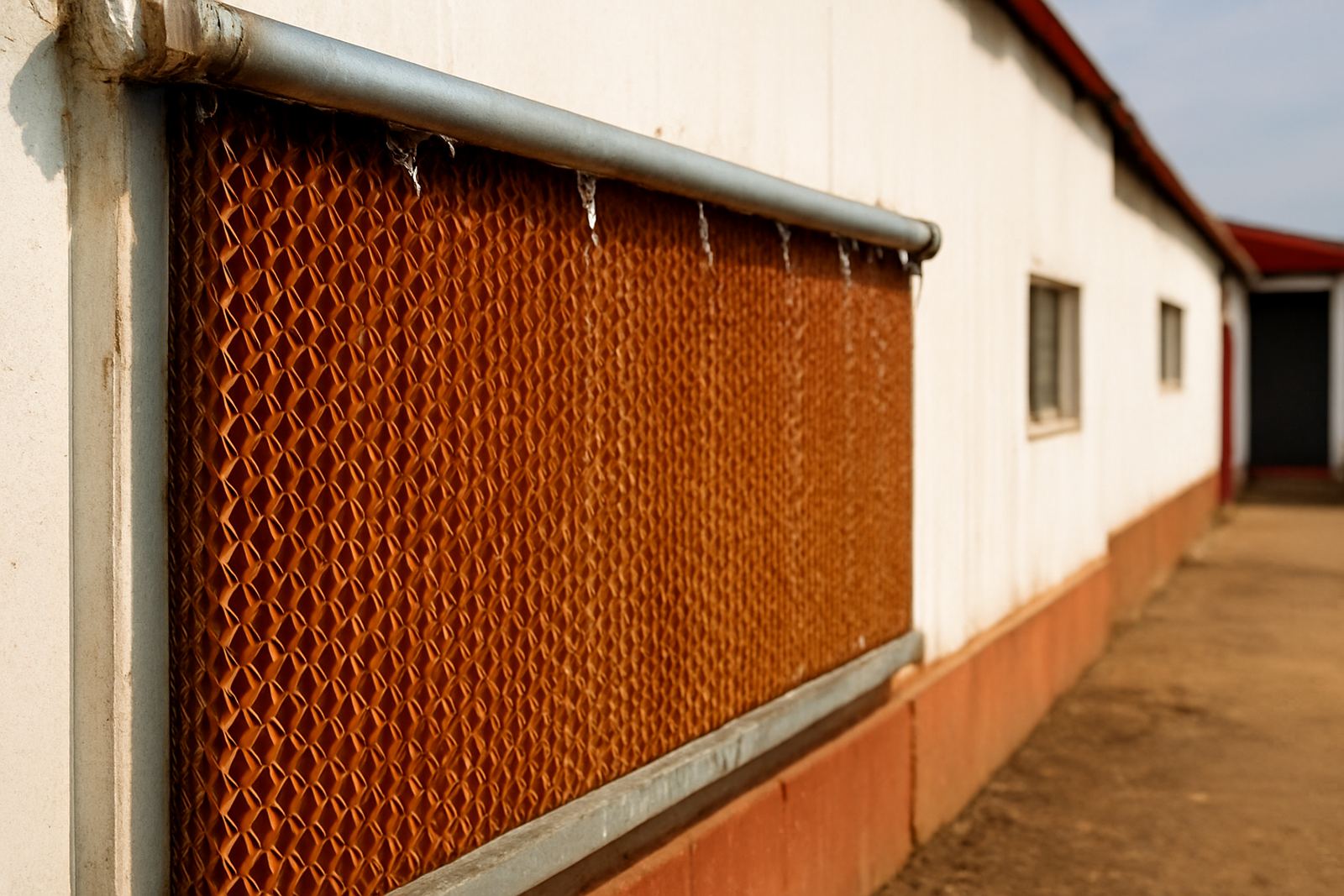
Ventilation should remove moisture and smell without chilling the flock. Poor air movement causes damp litter, ammonia and eye irritation. That leads to foot problems and weak birds. Light programmes also matter. Birds need enough light to move, feed and learn the house, but too much light can make them restless and noisy. Get the timing right early and the flock settles better for the full rearing cycle.
Feed and water systems that prepare birds for the laying house
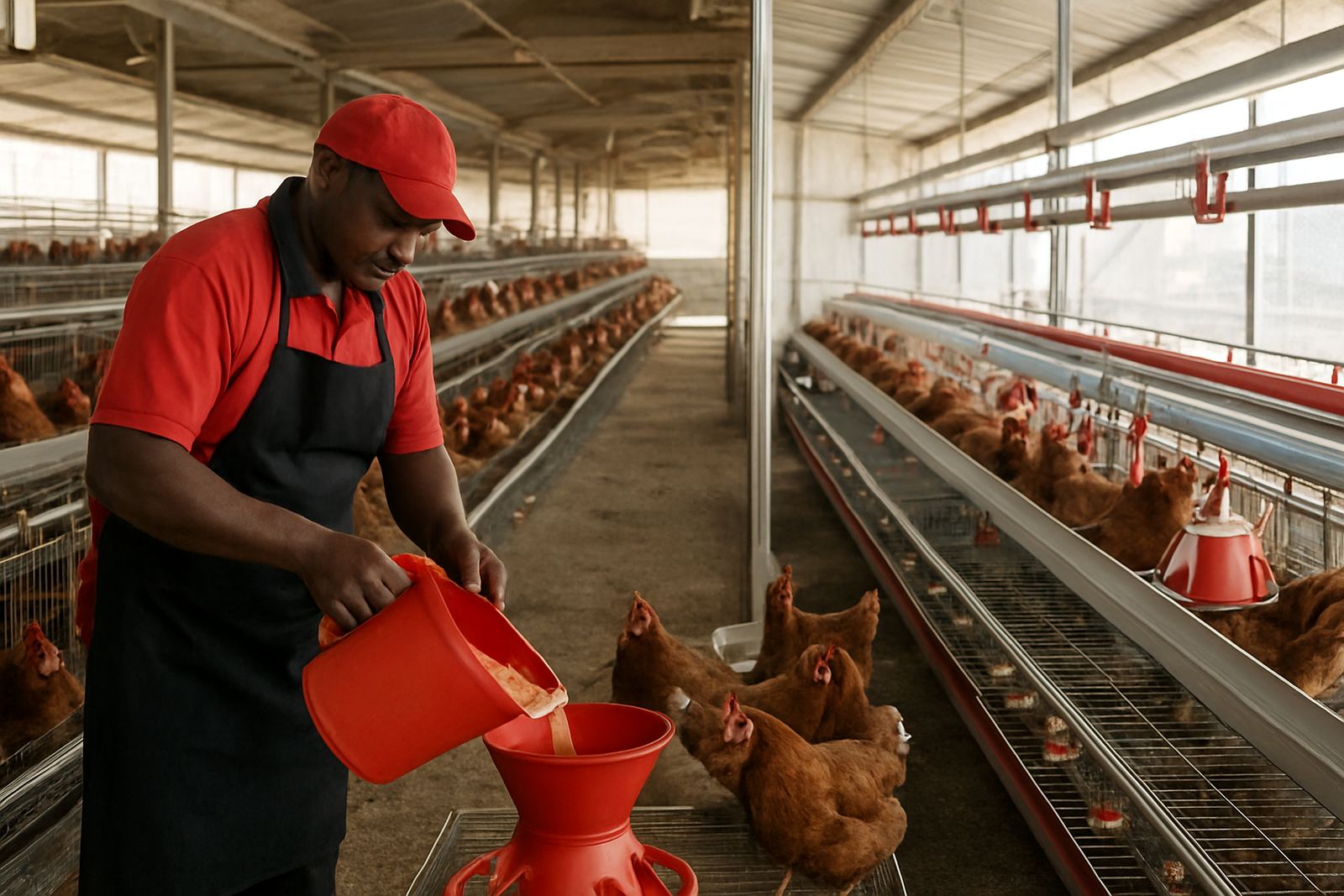
Rearing birds must learn the same habits they will use later in production. That means consistent feed delivery, clean water and equipment that the birds can reach without stress. A bird that has struggled with low drinkers, blocked nipples or uneven feed distribution will not suddenly improve after transfer. It will carry those habits into lay.
The water line should be flushed and checked often, especially where borehole water or municipal water quality changes through the year. In coastal areas and parts of KwaZulu-Natal, humidity can make litter wetter and equipment harder to keep clean, so routine inspection matters even more. Feed should be available at the same times every day, and the flock should learn the rhythm early.
- Check drinker flow daily, not only when problems show.
- Keep feed bins, augers and pans free of dust build-up.
- Adjust line heights as the birds grow to reduce waste.
- Test that all birds can access water within a few steps.
Handling, catching and transfer planning reduce later stress
Even a well-reared pullet can lose condition if catching and transfer are rushed. The birds should be handled quietly, with clear routes from rearing house to transport and then into the laying house. If the move is messy, birds arrive hot, tired and uneven. That can knock down first-week intake and delay the start of lay.
Good planning starts before the day of move. Doors, lighting, crates, ramps and vehicle access should all be checked. In some townships and farm areas, access roads can be rough after rain, so the loading point should be practical for the vehicle being used. Sibusiso Dlamini, one of the project coordinators at John F Marshall, often reminds clients that the best transfer is the one the birds barely notice.
A Gauteng example: why one house worked better than another
At a small poultry site near Boksburg, two rearing houses started with the same batch of chicks and the same feed programme. One house had better feeder distribution, cleaner drinker lines and steadier lighting. The other had dead ends in the layout and a few cold patches near the side walls. By week 14, the first house had a tighter weight spread and better feather cover, while the second house needed more sorting before transfer.
After the site review, the operator changed the line spacing, improved the airflow path and adjusted the inspection routine. The result was not dramatic overnight, but it was plain by the time the pullets moved. The better house produced birds that settled quicker in the laying house and started more evenly. That is why the rearing phase cannot be treated as a holding pen. It is the making of the flock.
What to check before a flock leaves the rearing house
Before transfer, walk the house as if you were seeing it for the first time. Look for feed wastage, wet litter, uneven growth, broken fittings and birds that avoid certain zones. Check whether the house is holding temperature properly at bird level, not just on the wall gauge. Make sure the flock is calm at inspection time and that water and feed intake have stayed consistent for at least several days.
A practical checklist helps the team avoid rushed decisions:
- Bird weight and uniformity are within target for age.
- Feather cover is even and there are no obvious stress signs.
- Feeders, drinkers and lighting are working across the full house.
- Ventilation is moving air without chilling the flock.
- Catch routes, crates and loading areas are ready before transfer day.
When the rearing house has done its job properly, the laying house starts with a bird that knows how to eat, drink and settle. That is the real goal. Not just birds that survived to point-of-lay, but birds that are ready to begin.