Start 24 to 48 hours before the catch
The best catching prep starts well before the first crate is loaded. Walk the house a day or two ahead and look at the things that slow people down, such as broken bulbs, loose netting, wet patches near drinkers and blocked passages between pens. If the shed is in Gauteng or Mpumalanga, also think about heat in the day and cooler nights because birds that are comfortable in the afternoon can still pile up after sunset if ventilation is poor.
It helps to agree the catch time, vehicle access and crate count before anyone arrives. Collection teams do better when they are not waiting at the gate, especially on narrow farm roads or where low bridges and municipal access rules can hold up a truck. If the site has a gravel yard, grade the entry so the vehicle can turn without sinking into soft ground after rain.
- Confirm collection time and who opens the gate.
- Check that the route to the house is clear for the loader and crate trolley.
- Repair broken drinkers, loose wire and sharp edges that can injure birds or workers.
- Move tools, feed bags and loose boards out of the catching path.
Make the house easy to catch in, not just easy to clean
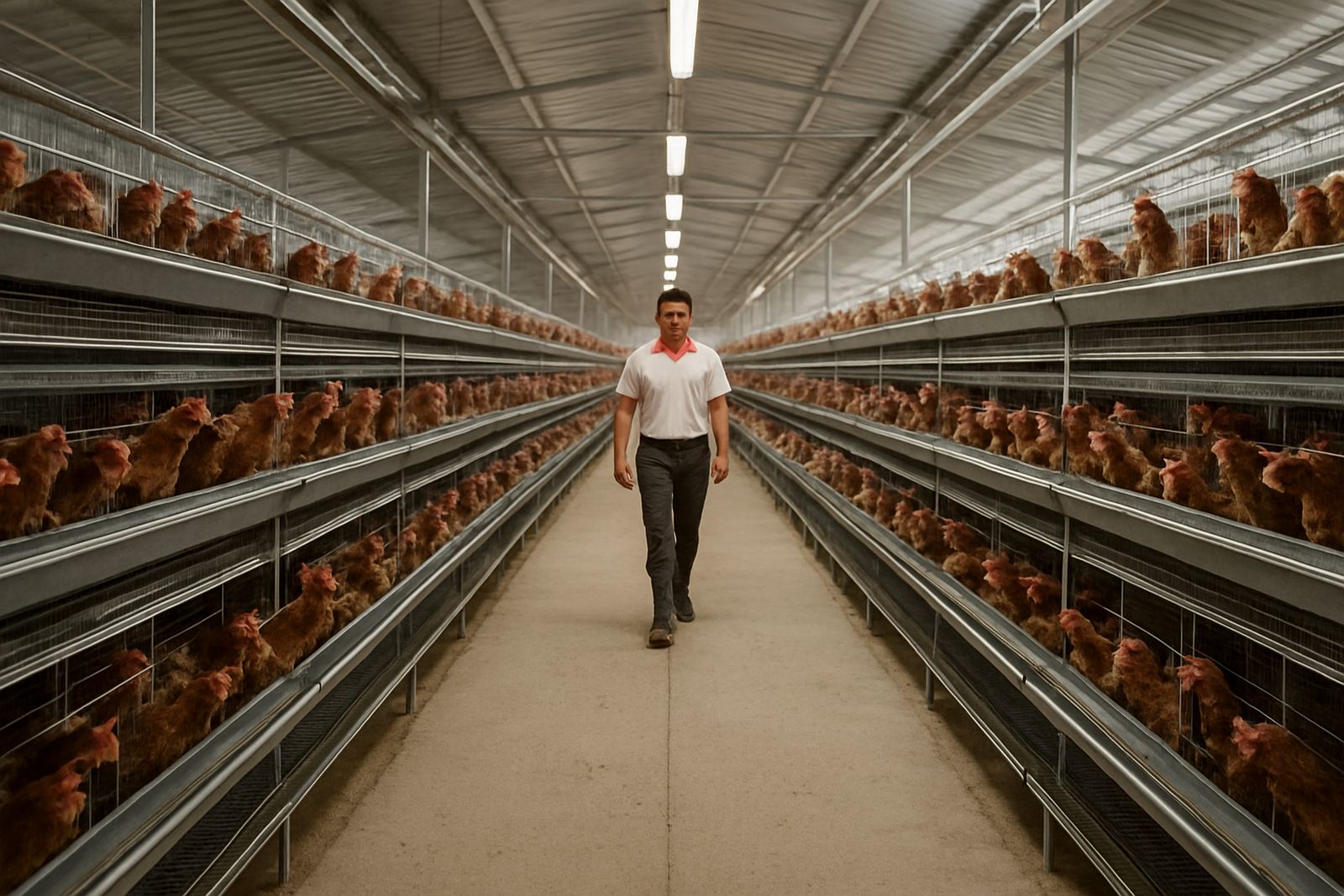
Birds should move into the catching area without crowding or panic. That means the house needs enough light control, working doors and a simple plan for where people stand and where the crates go. In older broiler houses, a small repair such as replacing a sticking latch or closing a gap at the side wall can make a big difference because birds stop rushing towards light leaks and corners.
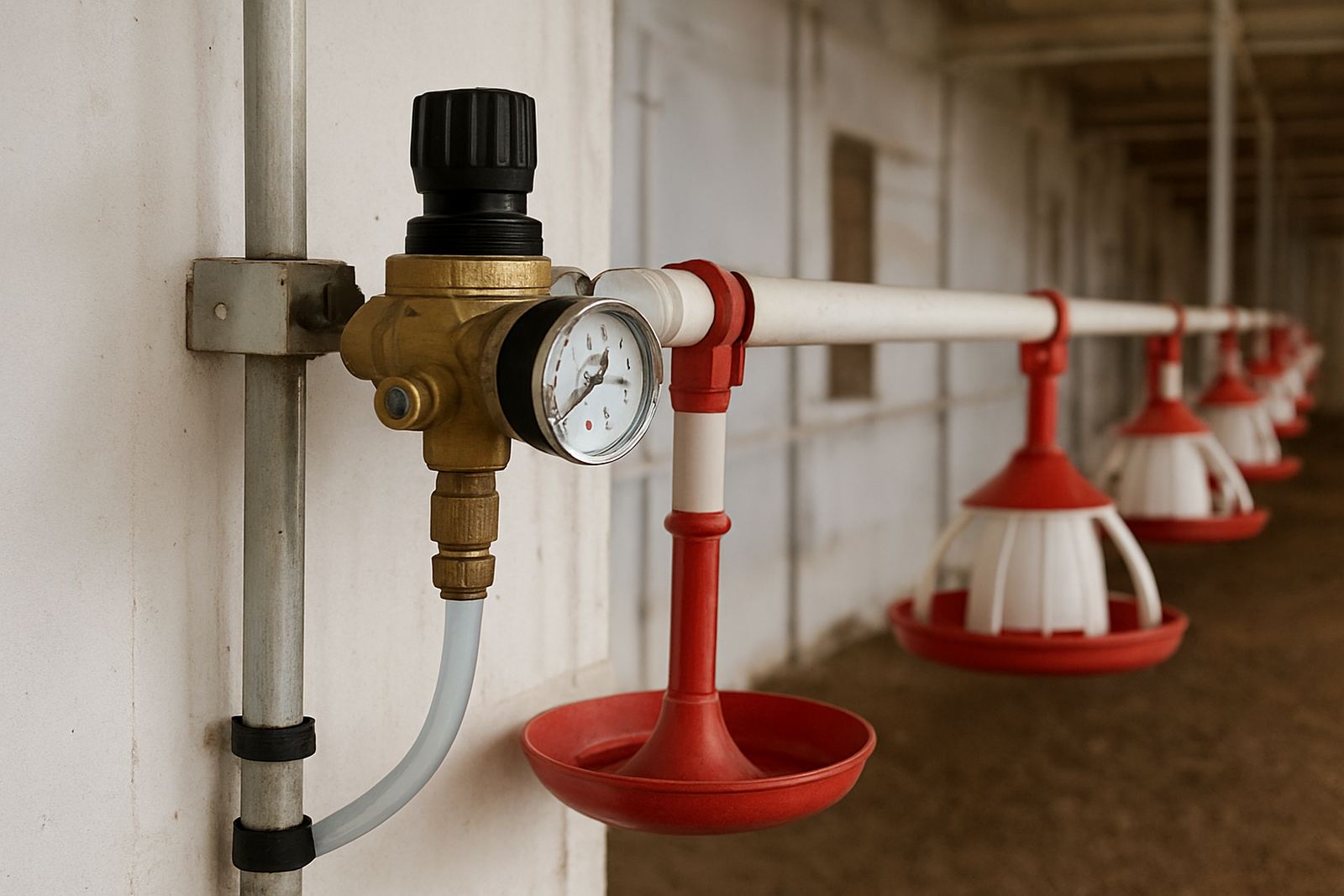
Water lines should be managed with care. Depending on age and weather, some growers shorten access to water before catching so the floor stays drier and the birds are calmer. Do this according to your vet or production plan, not by guesswork. In hot weather, especially in Limpopo or KwaZulu-Natal, the timing has to suit the day because birds can become stressed very quickly if ventilation is cut too soon.
- Dim the house evenly so birds do not bunch under the brightest spot.
- Keep walkways dry and free of hoses, buckets and loose fittings.
- Check all doors, curtains and catch pens for easy opening and closing.
- Have spare tape, cable ties and a torch handy for small repairs at short notice.
Crates and catching equipment need their own check
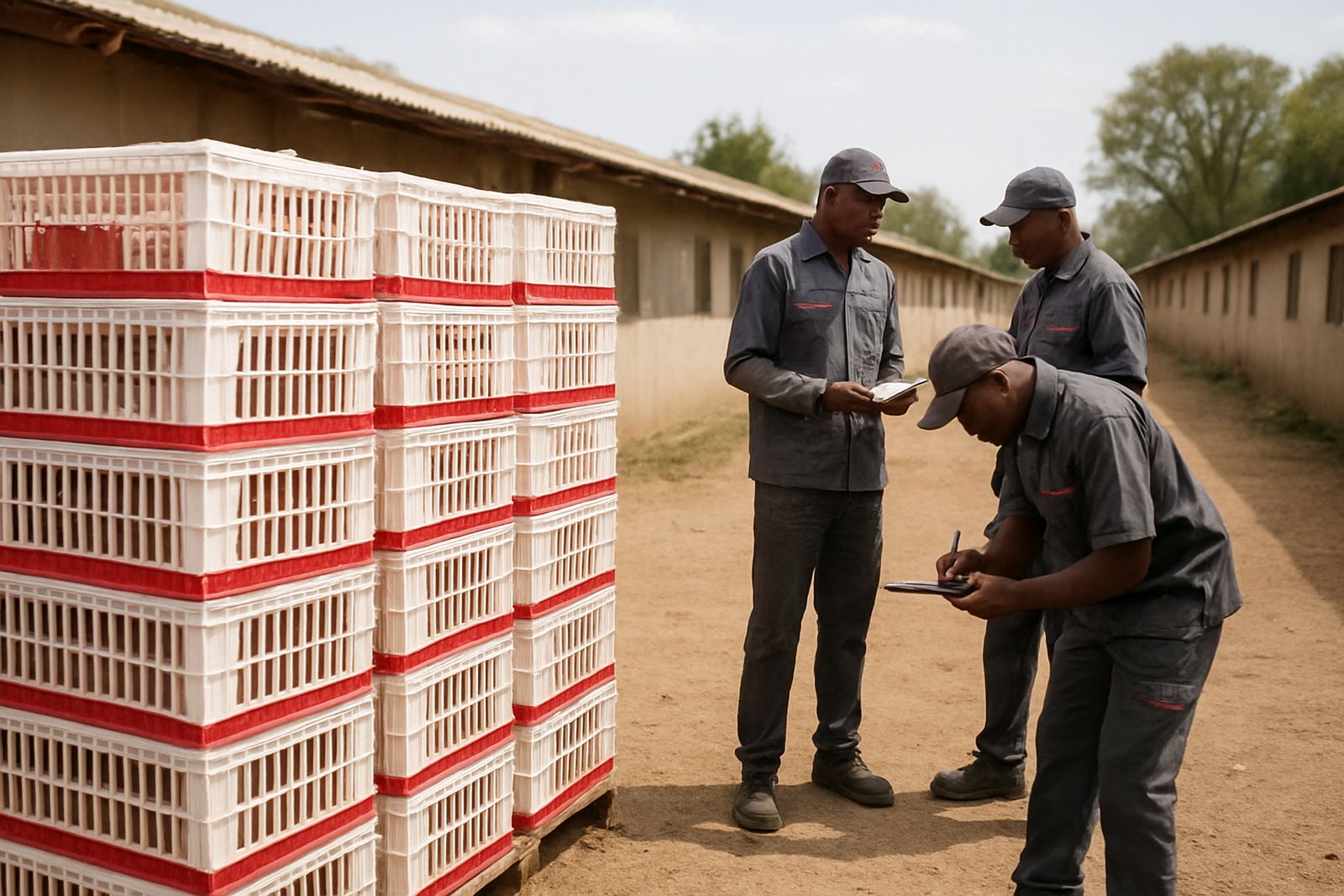
Crates are part of the handling chain and should be treated that way. Cracked crate corners, bent doors or rough edges cause bruising and make loading slower. Before collection, stack the empty crates where the truck can reach them easily and where they will not pick up mud, dust or broken glass. If the farm uses washable plastic crates, make sure they are clean and dry enough to grip properly, because slippery crates can shift and fall when the team is moving fast.
The catching equipment should be ready too. That includes gloves, headlamps where needed, torch batteries, hand sanitiser, and any weighing or counting tools used on site. One missing item can hold up the whole line. In winter, a spare headlight or torch battery matters more than most people think, especially on farms outside Potchefstroom or Ermelo where the light fades early.
- Inspect crate doors, corners and stacking points before loading starts.
- Keep broken crates out of circulation and mark them for repair or disposal.
- Count crates against the load plan so the truck does not wait for extras.
- Set aside a clean area for loaded crates, away from mud and traffic.
Lower stress by working with the birds, not against them
Broiler catching is faster when the birds are calm. Loud shouting, hard banging and sudden movement only make them pile into corners and scrape against fittings. A steady team with clear roles usually gets a better result than a bigger team that is not coordinated. The catching crew should know who is guiding birds, who is loading crates and who is checking each bay.
Bird density, house temperature and floor condition all matter. If litter is too wet, birds can stick and struggle. If the house is too warm, they pant and tire quickly. If it is too cold, they huddle and become difficult to move. On a Free State cold front, for example, a shed that was fine in the afternoon can become tight and draughty by the time the last crates go out. Small changes in timing, curtain position and crew pace help a lot here.
- Keep the same catching rhythm from the first house to the last.
- Reduce noise and bright torch beams directly on the flock.
- Watch for corners where birds begin to pile and guide them early.
- Leave enough space at the crate loading point so birds are not squeezed.
Plan for biosecurity and municipal realities
Collection day is also a control point for disease spread and farm hygiene. Trucks, boots and crates move from one site to another, so the clean and dirty sides of the operation must be respected. Wheel wash, footbaths and hand washing are not just paperwork items, they help keep the house safer for the next cycle. Where local by-laws or farm zoning rules affect traffic, effluent or washing water, make sure your collection setup does not create a mess at the boundary line.
It is also worth checking power and water backup before the catch. Load shedding can affect lighting, pumps and gates, while a water interruption can slow down cleaning after the birds leave. On a poultry unit near Boksburg or Middelburg, one failed pump can delay the turnaround long after the truck has gone. A short check on backup supply is cheaper than losing half a day later.
- Keep dirty crates separate from clean equipment and holding areas.
- Use clear foot and vehicle control at the house entrance.
- Make sure the wash-down point drains properly and does not flood access routes.
- Test backup power for lights, gates and pumps before catch day.
A local example from hatch to loading bay
On a recent Gauteng site serving markets into the Free State, the farm had a simple problem: the birds were ready, but the catching day kept slipping because the crate stack point was too far from the house and the access track turned muddy after rain. The team moved the stack point closer, levelled the track with compacted stone and repaired two broken lights at the end wall. Collection time dropped and the birds were out of the house faster, with less crowding near the door.
The lesson is straightforward. Broiler catching prep is not about fancy equipment, it is about order. When the house, crates, crew and access are all checked before the truck arrives, the day usually goes as planned and the birds come through better. That matters whether you are running a small house in North West or a larger project in KwaZulu-Natal.
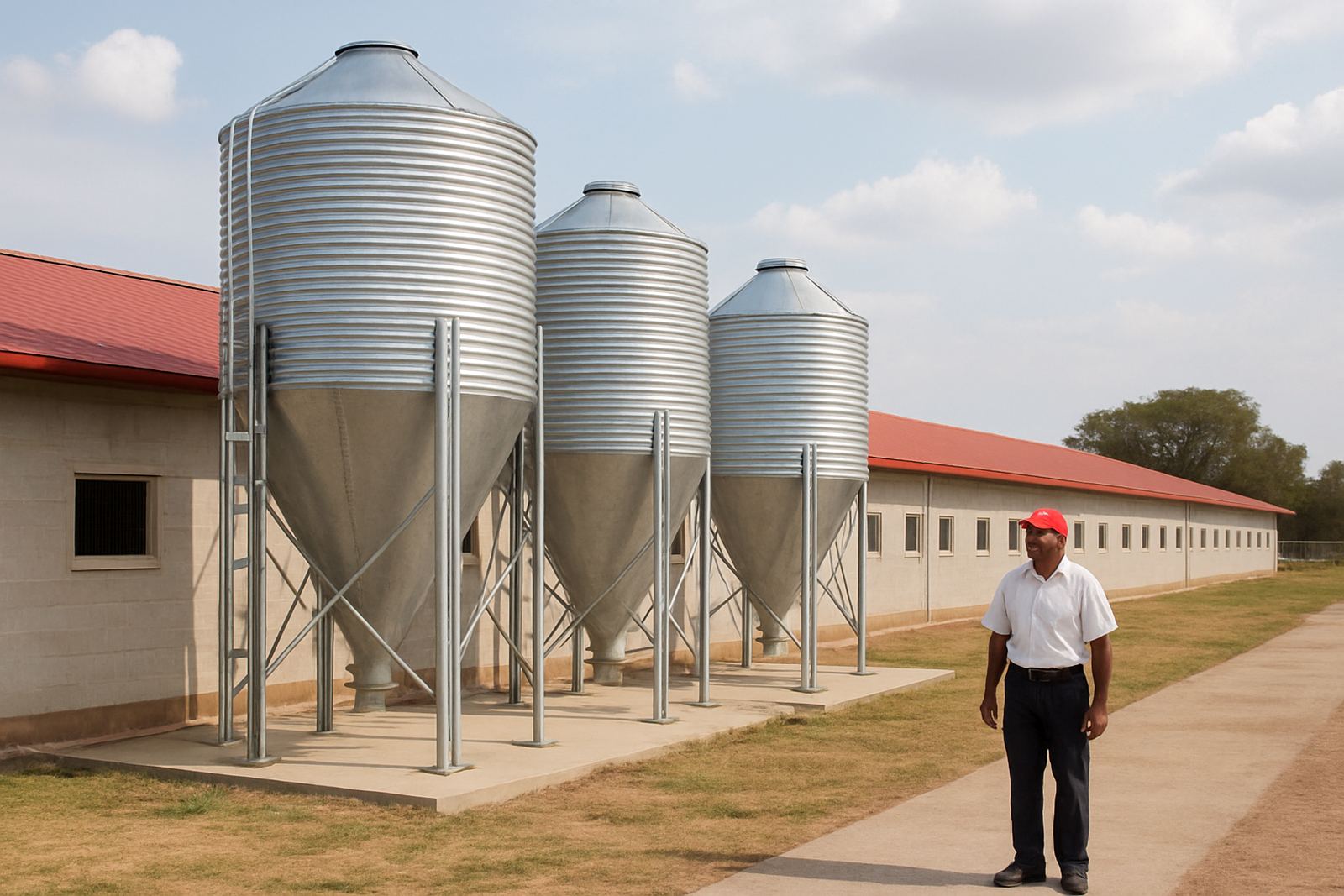
For farms planning new houses, upgrades or a full poultry project, the catch flow should be built into the layout from the start. Door widths, turning space, crate holding areas and staff movement all need to be considered early so collection day does not become a problem later on.