

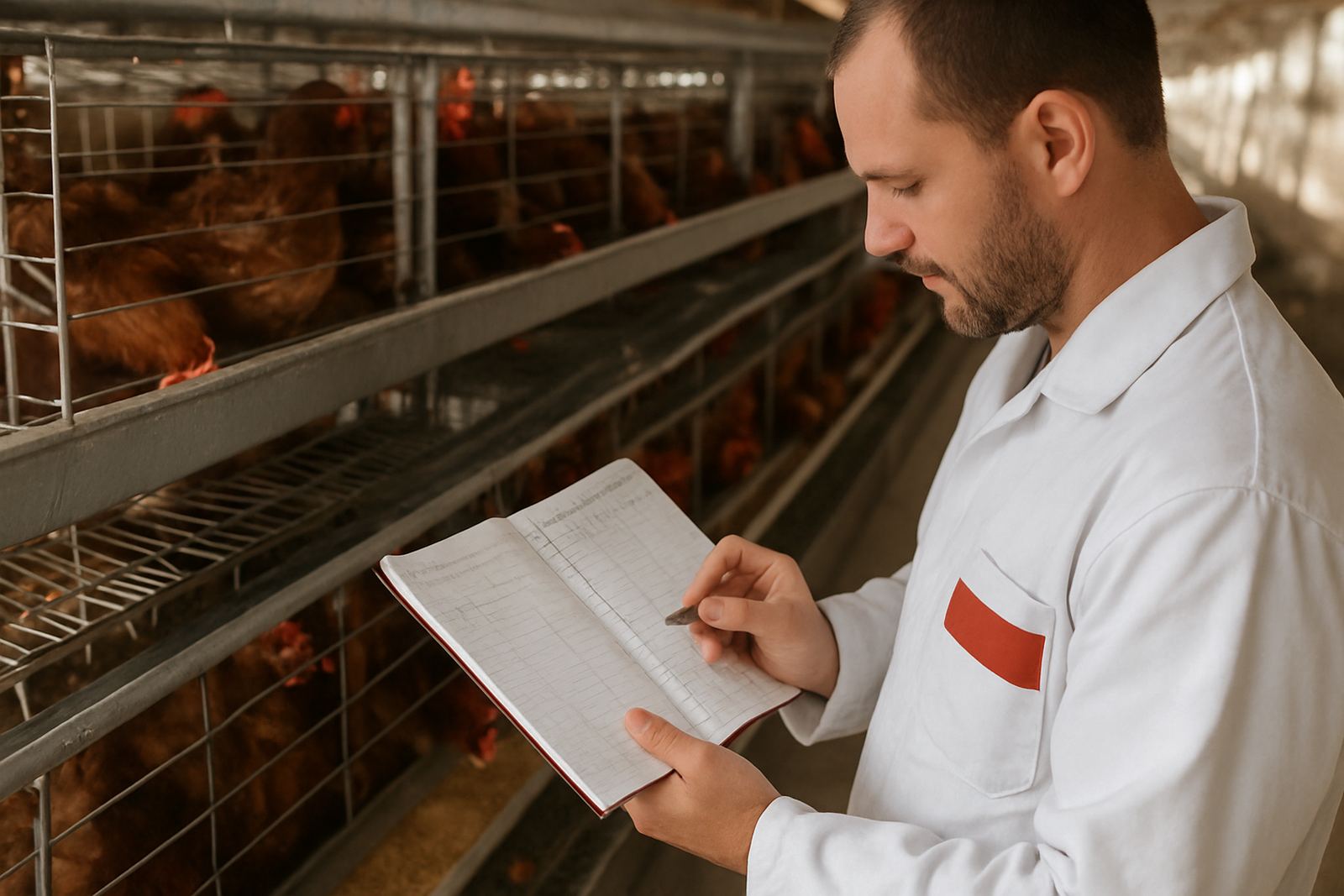
What these husbandry guides cover
When you are comparing poultry equipment, the first question is not only what to buy, but how it will work in the house, in the hatchery and in the day to day routine. These guides cover the practical side of husbandry so you can match cages, incubators, brooders, feeders and drinkers to your flock size, labour, water supply and power backup.
We write for people who have to make decisions on the ground, not just on paper. That means looking at stocking density, bird flow, cleaning time, feed waste, water pressure, access for staff and what happens during load-shedding or a municipal water interruption.
How to choose the right guide for your operation
If you run layer birds, broilers, a breeder unit or a small hatchery, start with the guide that matches your stage of production. A buyer in Gauteng township supply work may need different handling tips to a project in Limpopo where heat, dust and long supply runs change the daily routine. The right guide should help you plan what to use, where to place it and how many staff hours it will take.
- New build or expansion: start with layout, space use and service access.
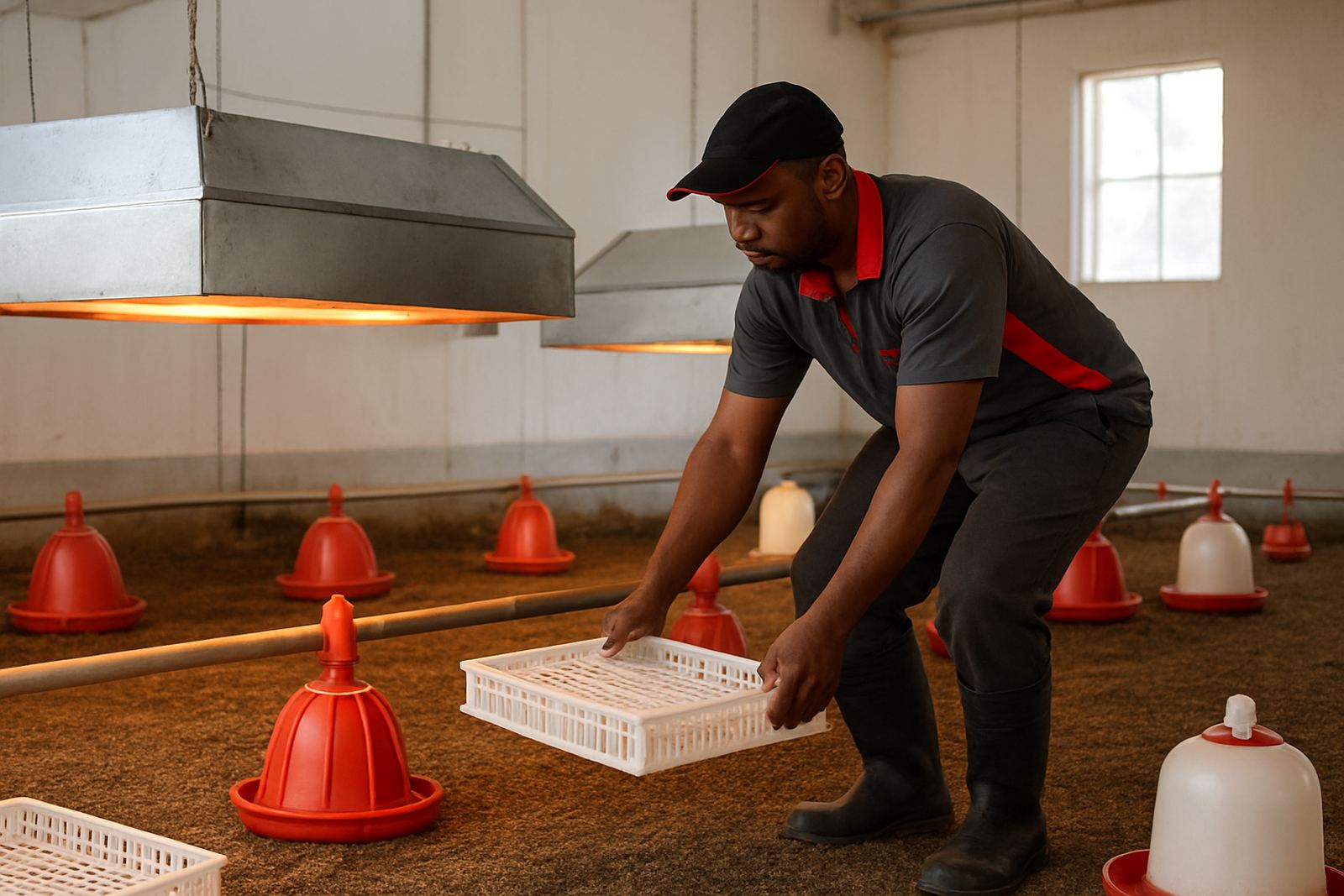
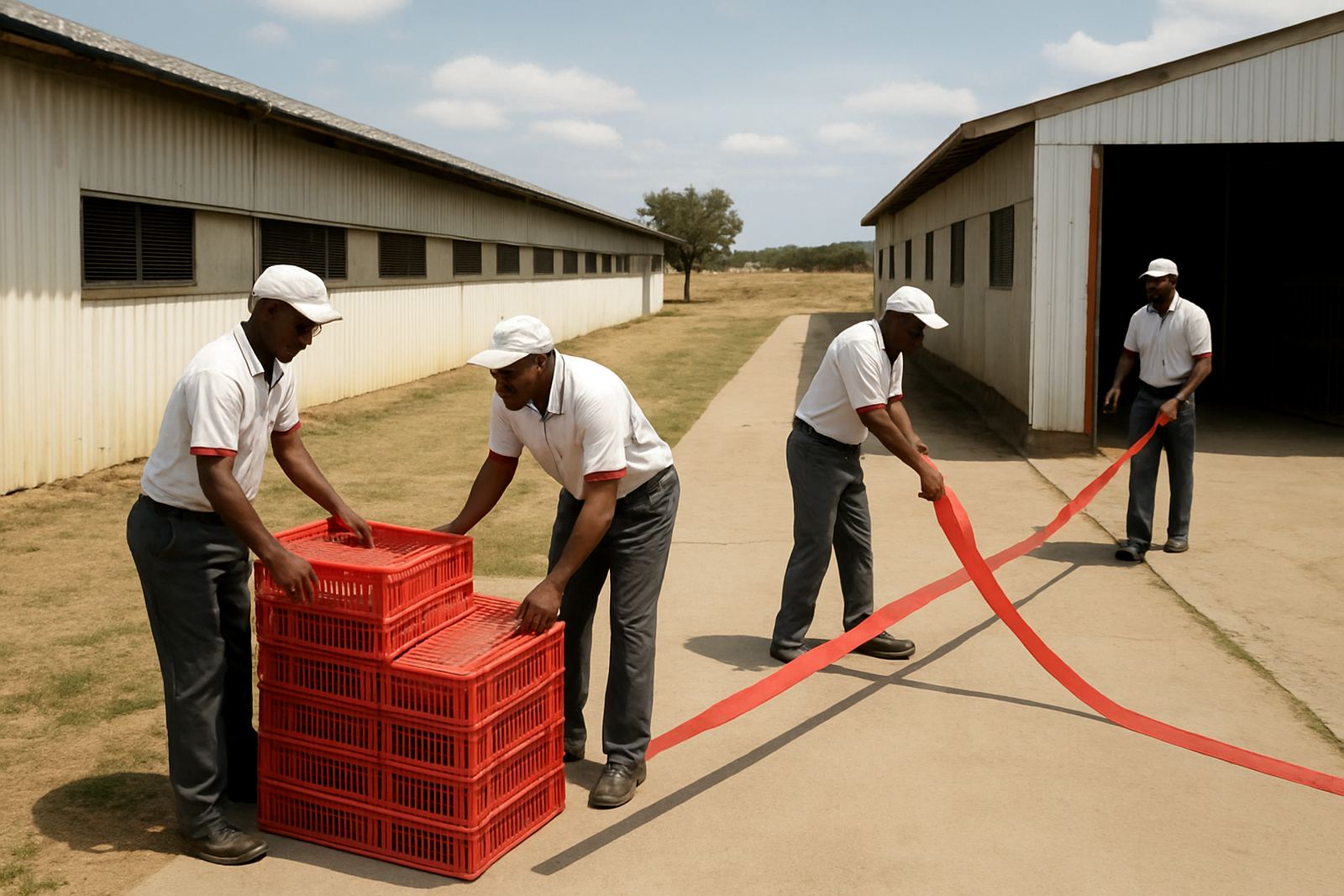
- Hatchery work: focus on incubator settings, tray handling and chick transfer.
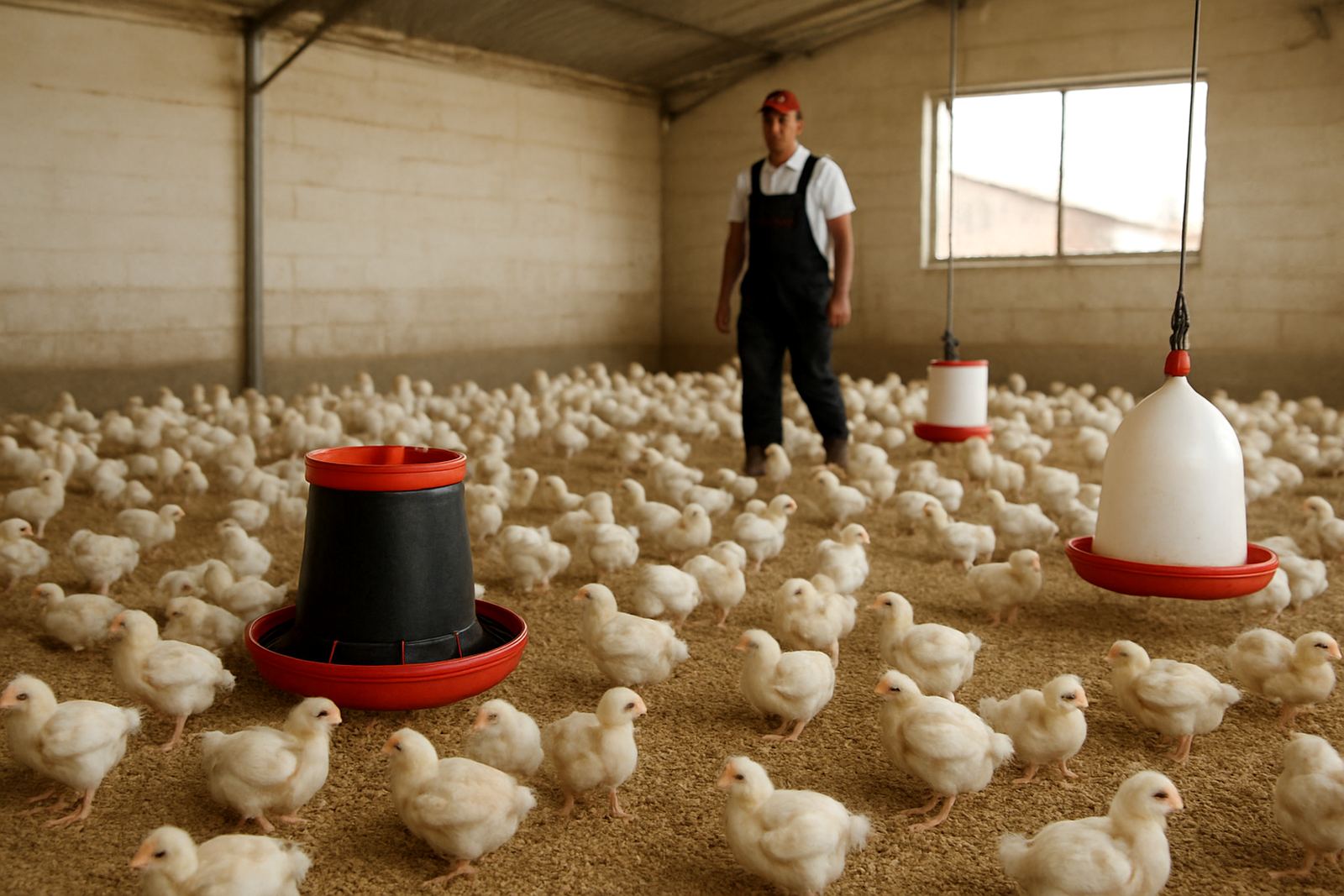
- Brooding: look at heat, ventilation and chick start-up care.
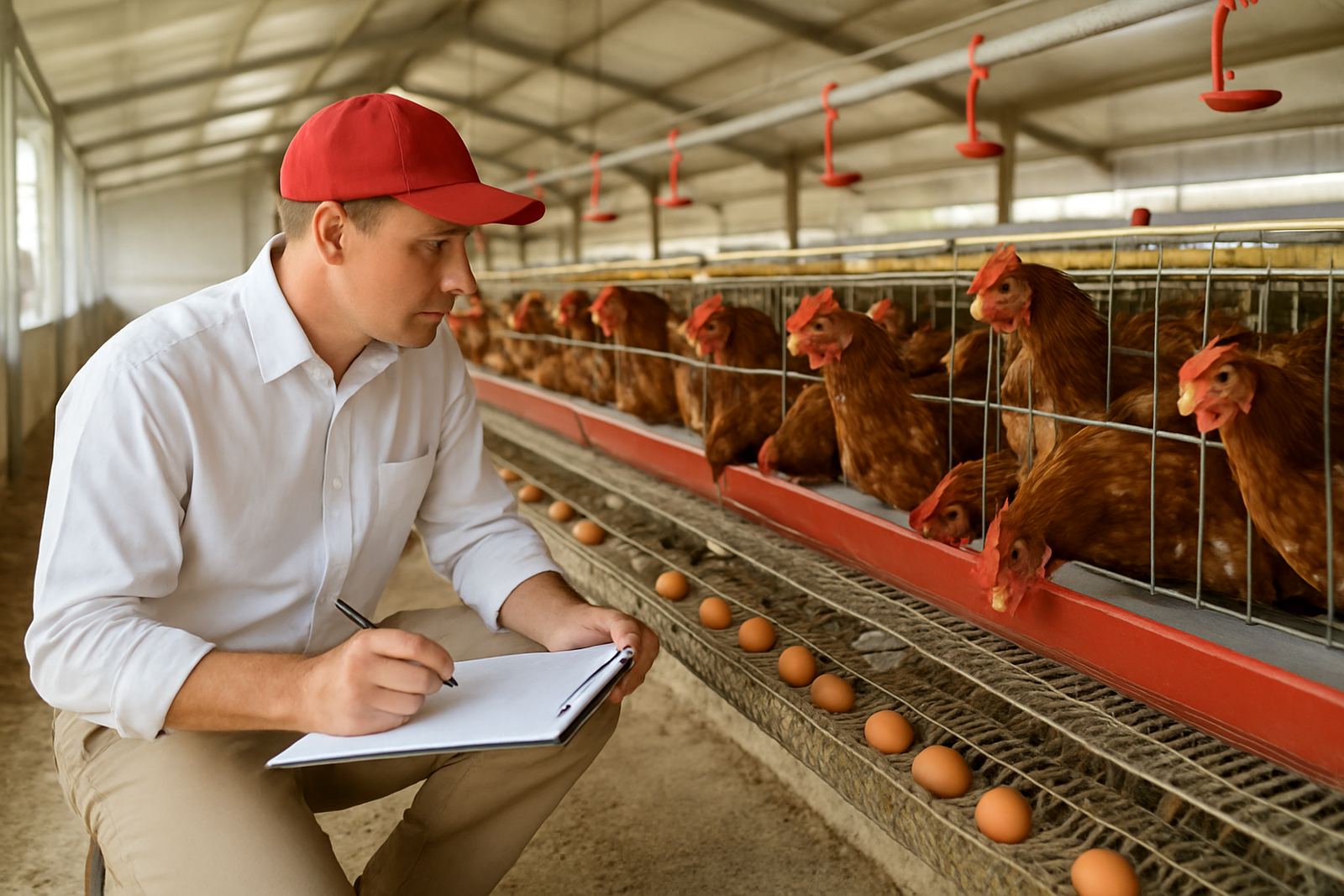
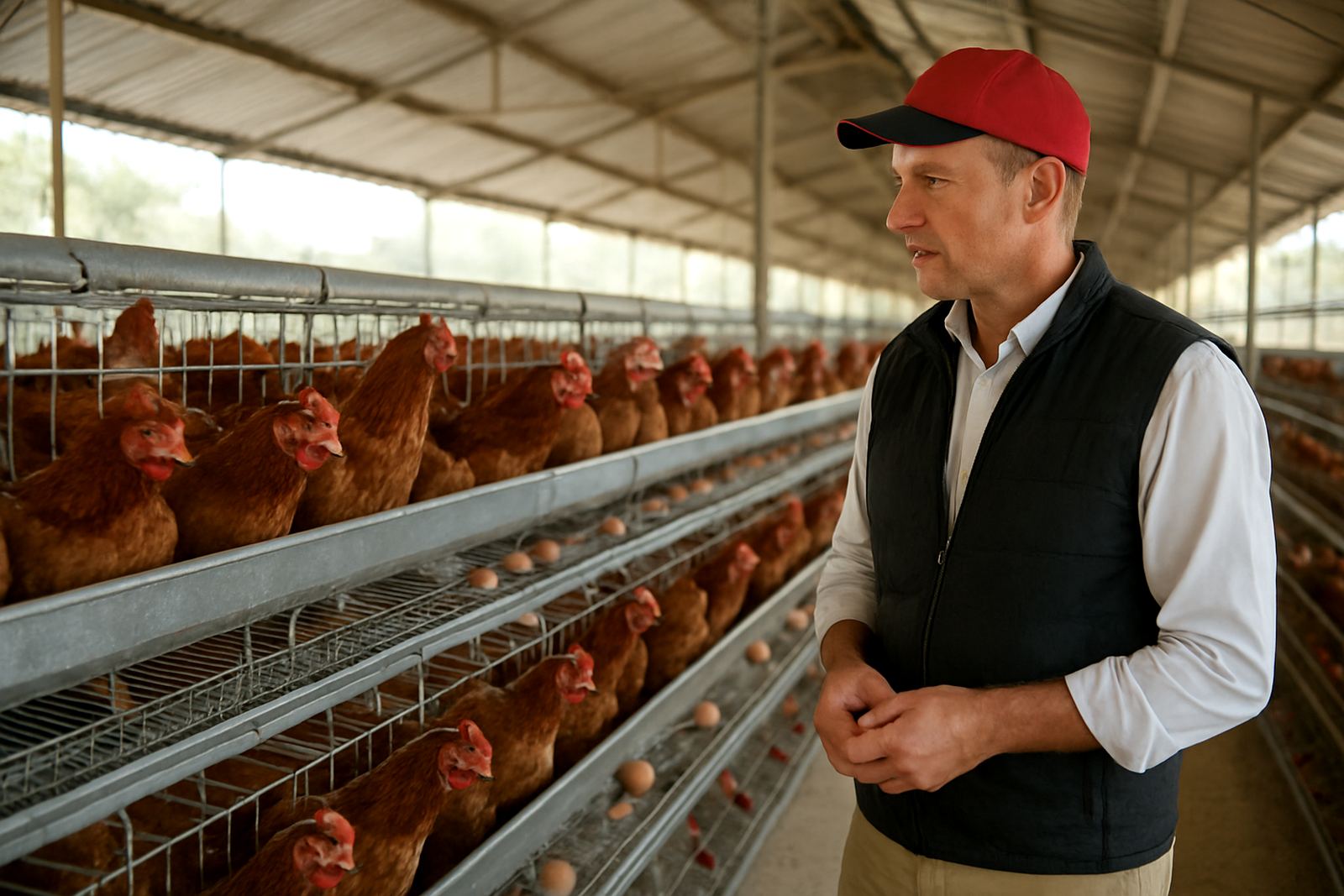
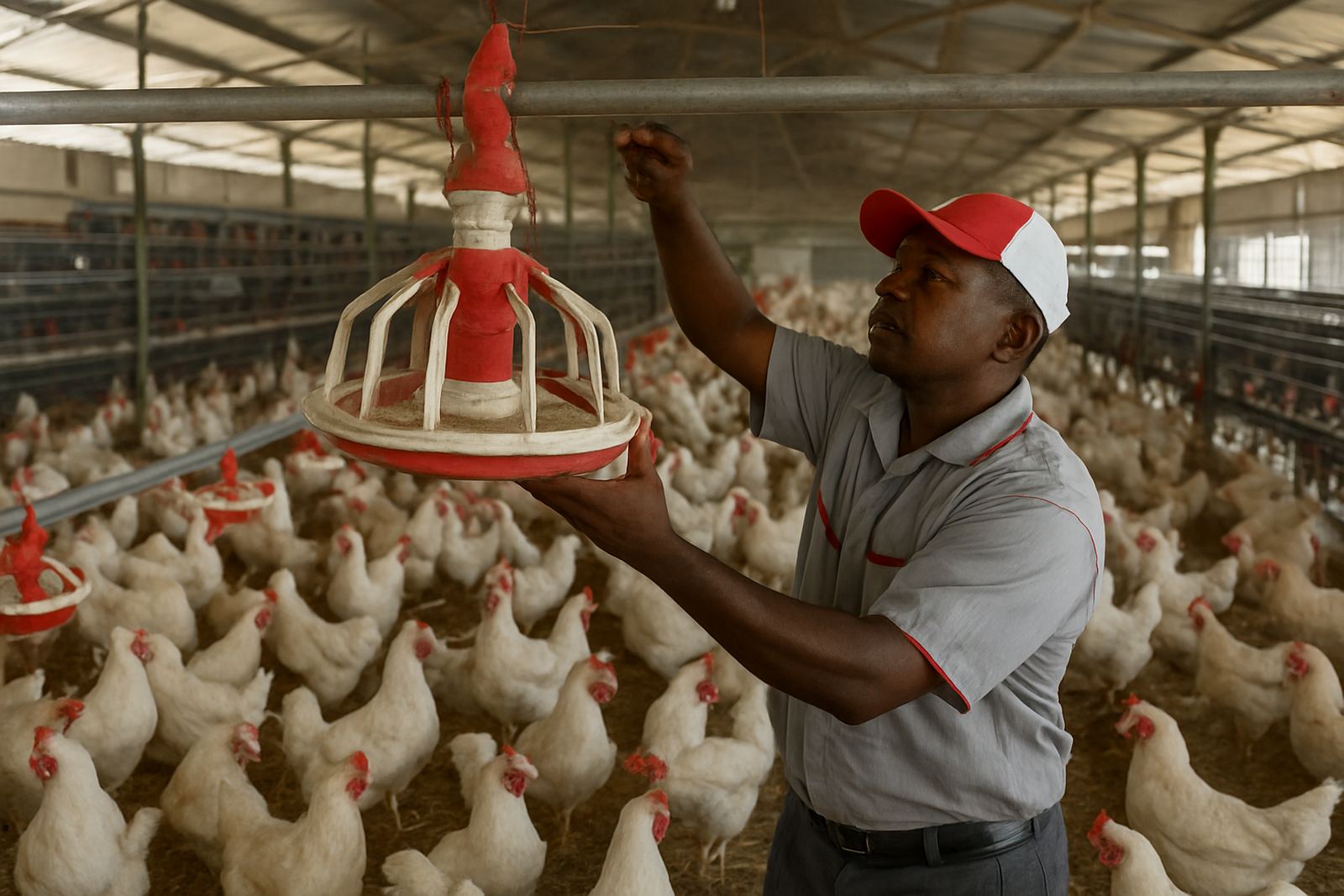
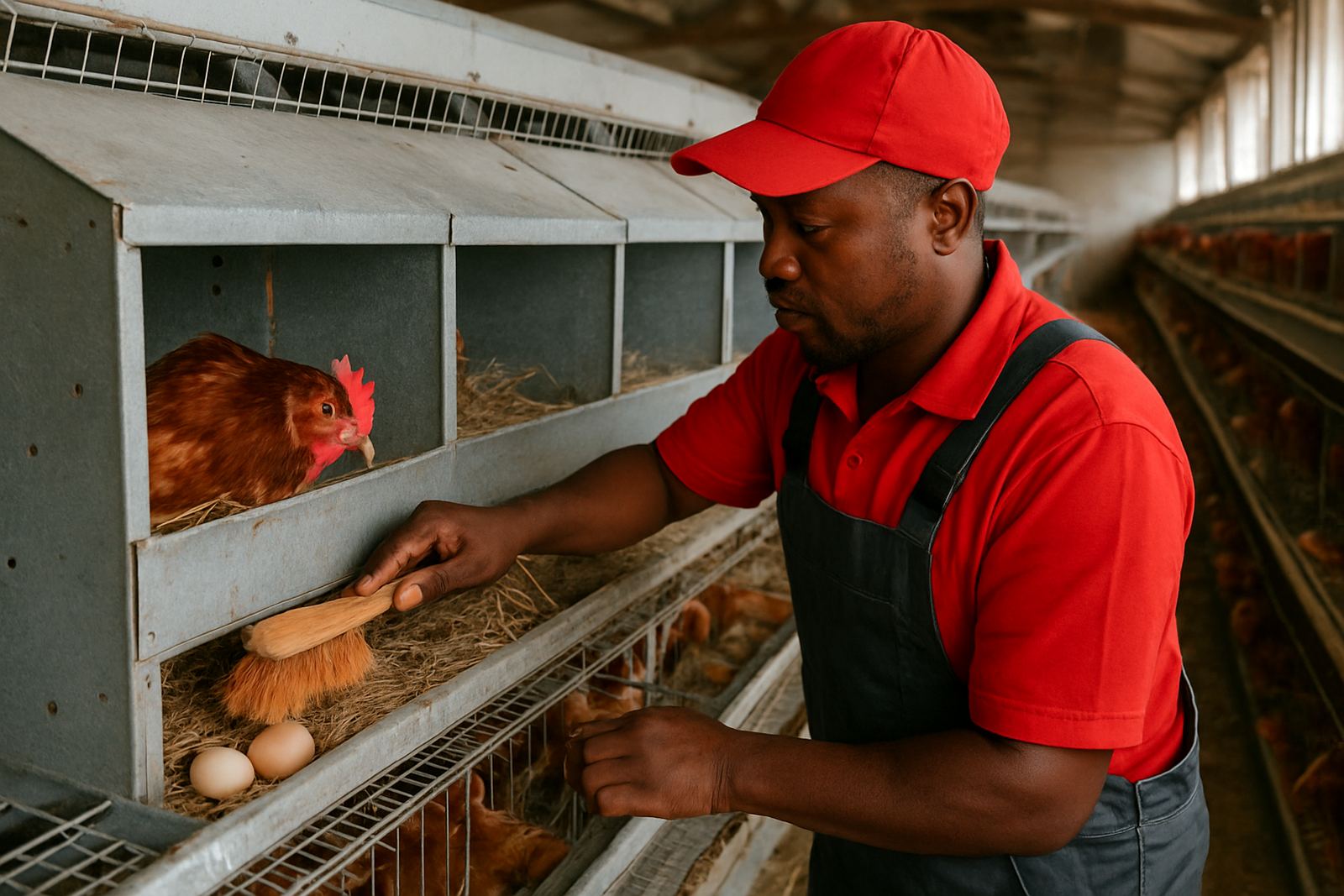
- Layers or breeders: check cage fit, feed delivery, drinker height and manure handling.
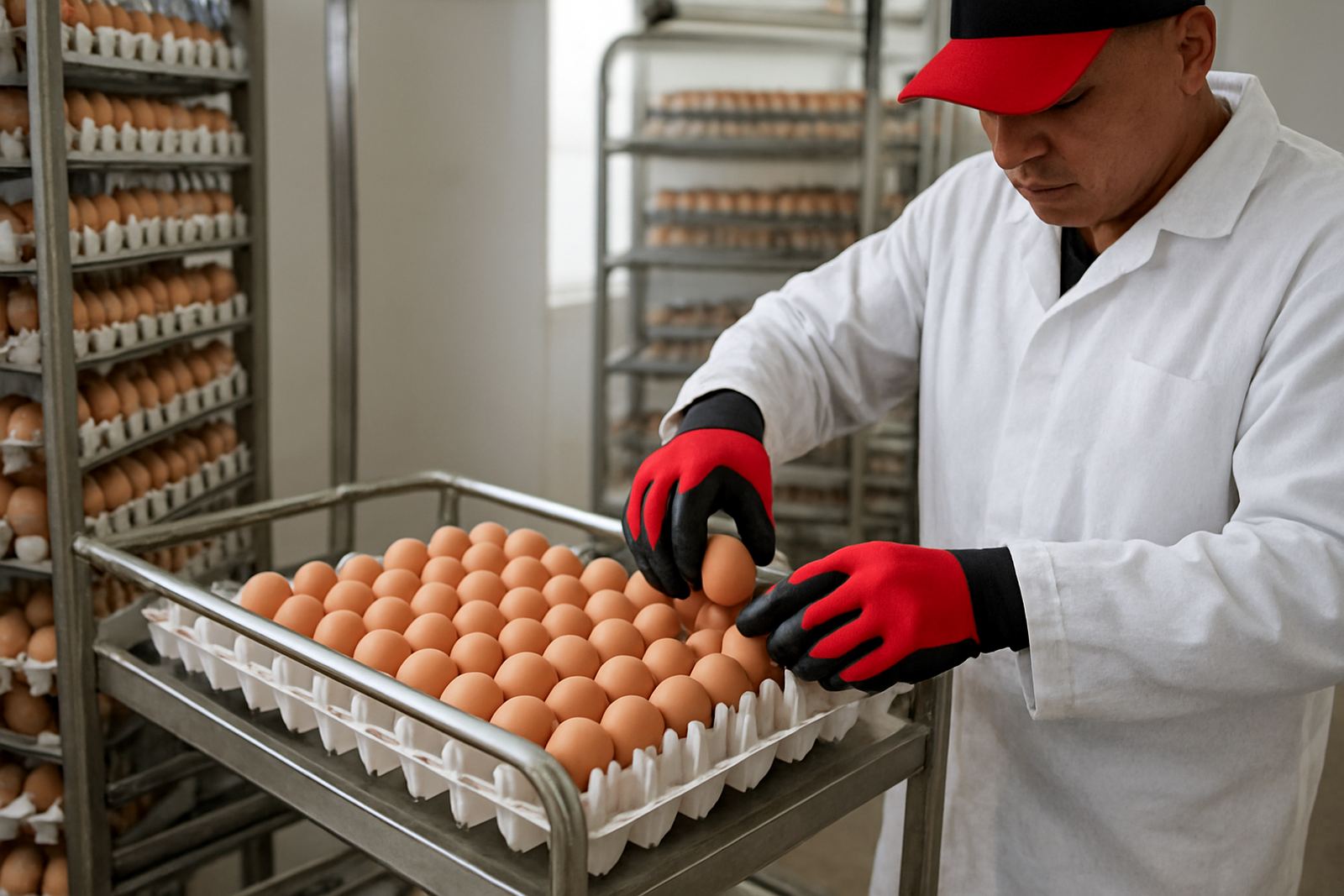
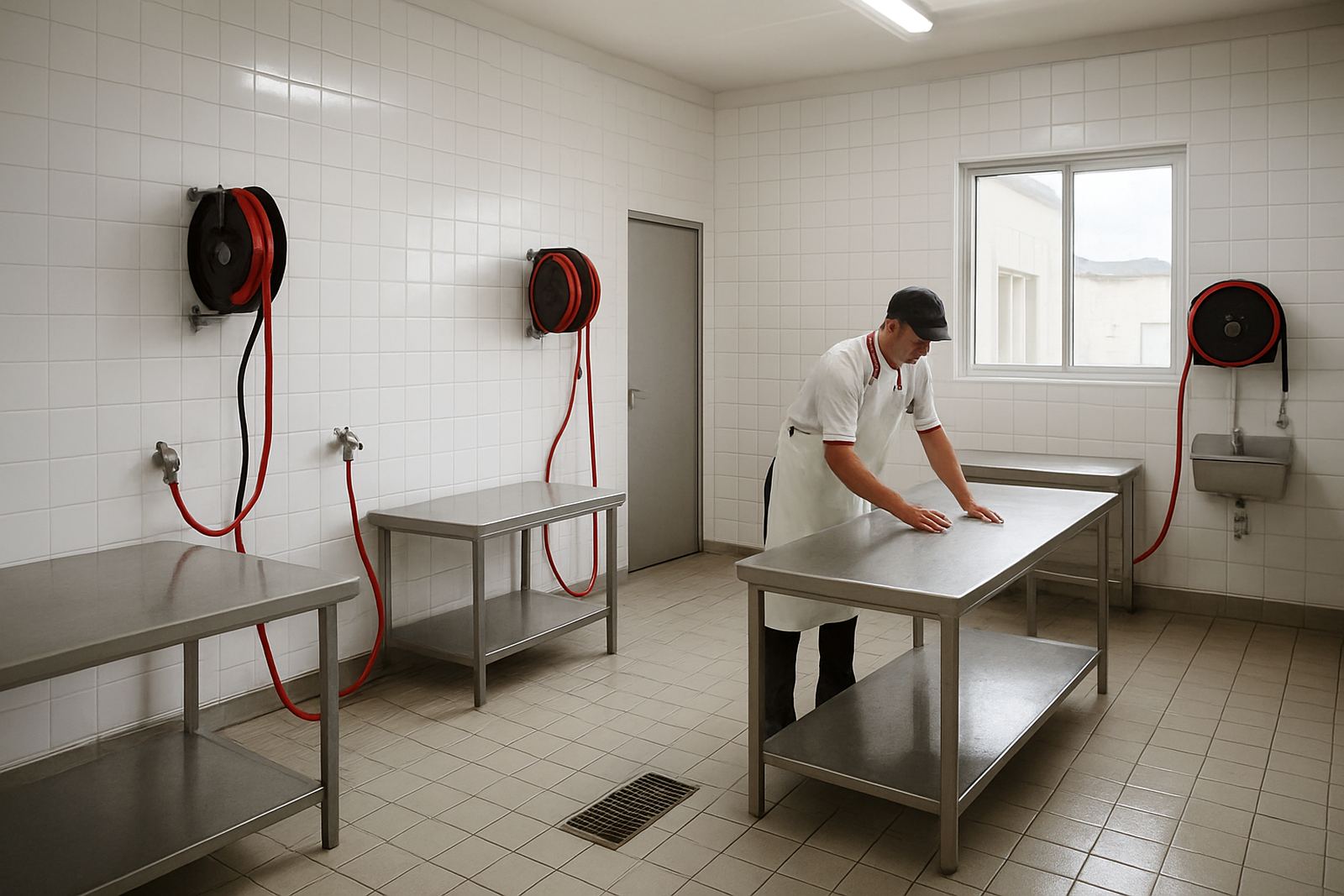
- Processing areas: review hygiene flow, room separation and wash-down planning.
Flock management topics that affect equipment choice
Good husbandry is not separate from equipment. A feeder that is too high, a drinker line with poor pressure, or a cage row that is awkward to service will show up quickly in egg numbers, bird condition and staff fatigue. In practical terms, the guide you choose should help you prevent those problems before they start.
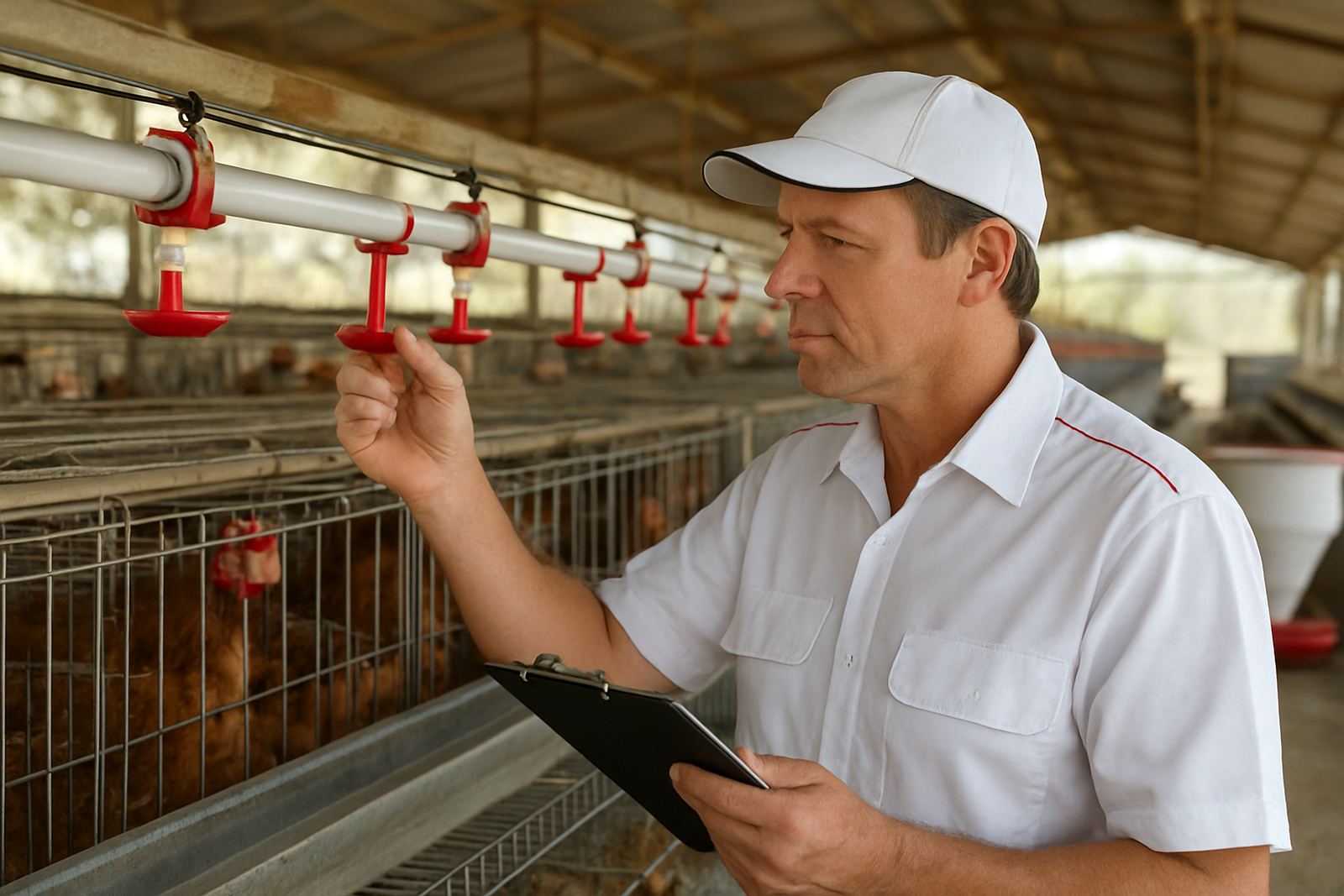
Useful topics include lighting routines, heat management, ventilation, watering schedules, feed presentation, egg collection and cleaning cycles. In coastal areas, extra attention to corrosion and humidity matters. Inland, dust and temperature swings often affect motors, sensors and the time it takes to keep houses running properly.
Planning for South African conditions
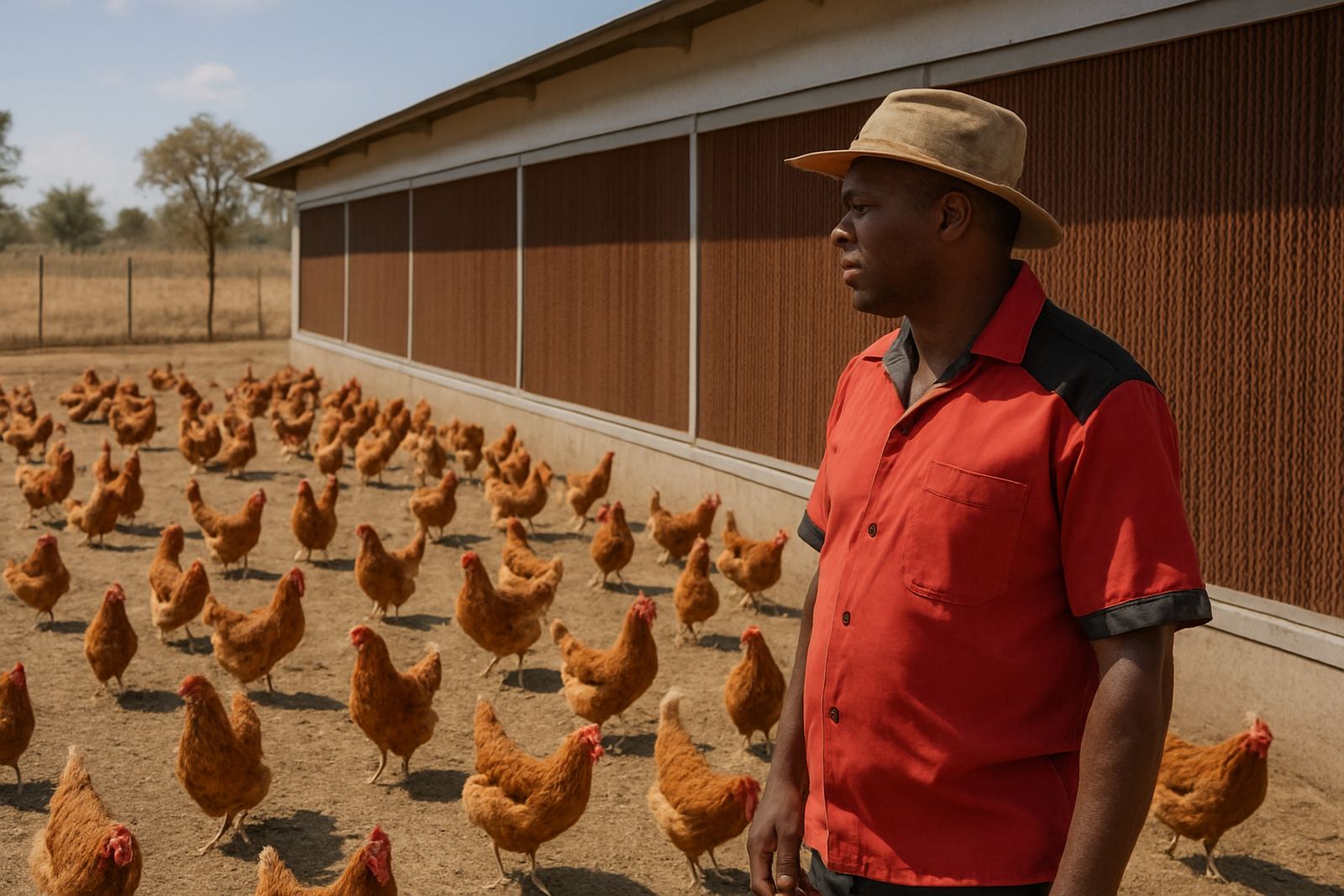
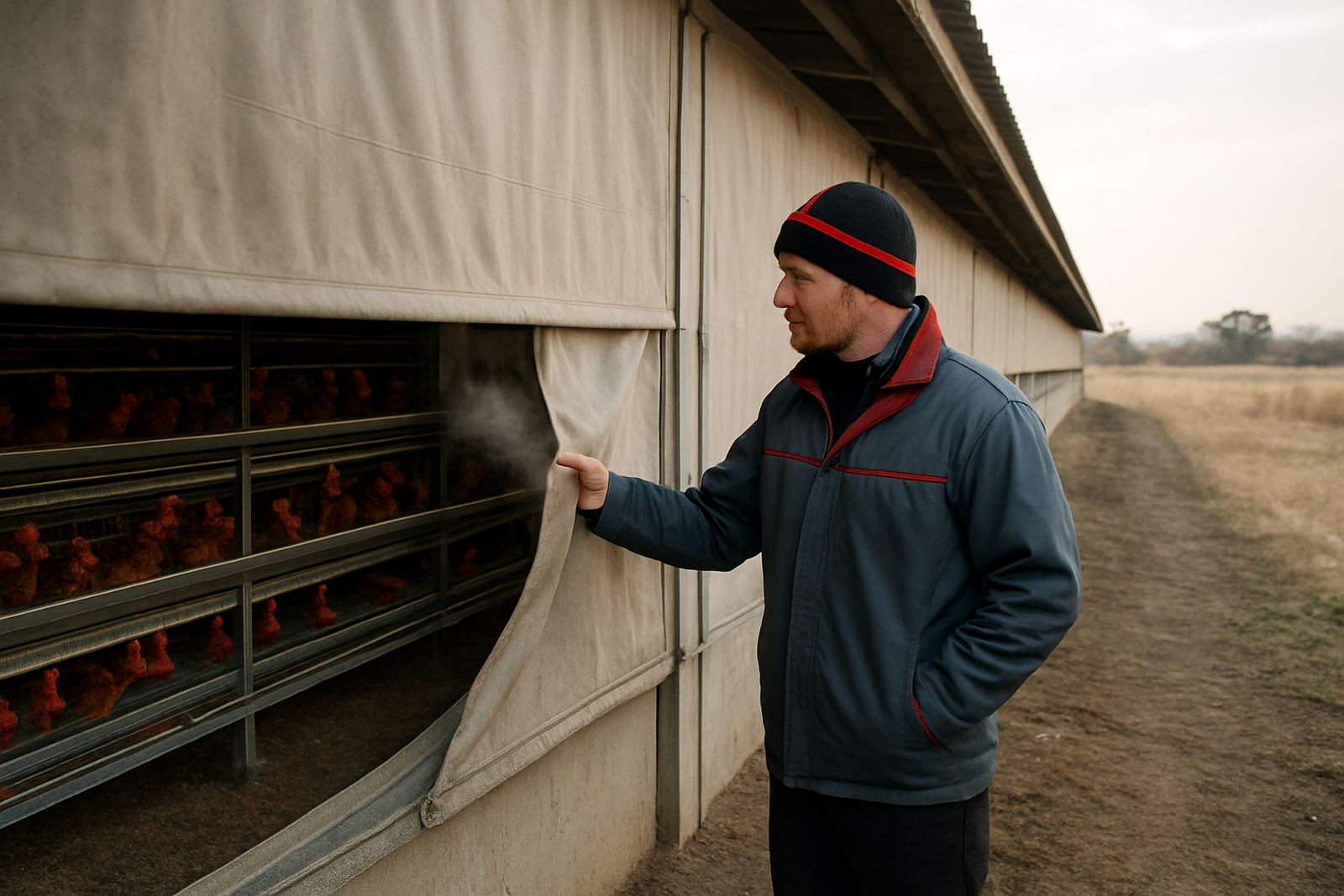
South African poultry sites face real pressures, from summer heat in KwaZulu-Natal to winter mornings in the Free State and power cuts across Gauteng and North West. Husbandry guides should help you plan around those conditions so birds are not left guessing and staff are not working blind during an outage.
That may mean setting up backup power for critical equipment, keeping spare nipples and valves on hand, and having a clean water reserve for the house. Municipal rules also matter, especially where wash water, effluent and processing room drainage need to be managed in line with local requirements.
Using these guides before you place an order
The best time to read a husbandry guide is before equipment is ordered and again before installation. That is when you can still adjust house size, aisle width, feeder runs and service points without costly changes later. It also helps when you are planning a turn-key poultry project, because each decision affects the next one.
- Check access for cleaning and maintenance.
- Confirm power points, water lines and pipe routing.
- Match the equipment to the number of birds and growth cycle.
- Allow space for spares, storage and safe movement by staff.
- Keep future expansion in mind, not just the first flock.
Ask for guidance that fits your site
If you are unsure where to begin, use the guide index to narrow down the topic that fits your operation. The listings on this page are added separately, and each one is meant to answer a practical question, such as how to raise chicks better, how to reduce feed loss, or how to keep a house cleaner between cycles. Small changes in routine can make a real difference to output and labour use.
For poultry projects across Gauteng, Mpumalanga, Limpopo, North West, Free State and KwaZulu-Natal, the right husbandry advice should always line up with the equipment on site. That is the point of this hub, to help owners and supervisors read, compare and act with less guesswork.