Why the first 15 minutes after lay matter
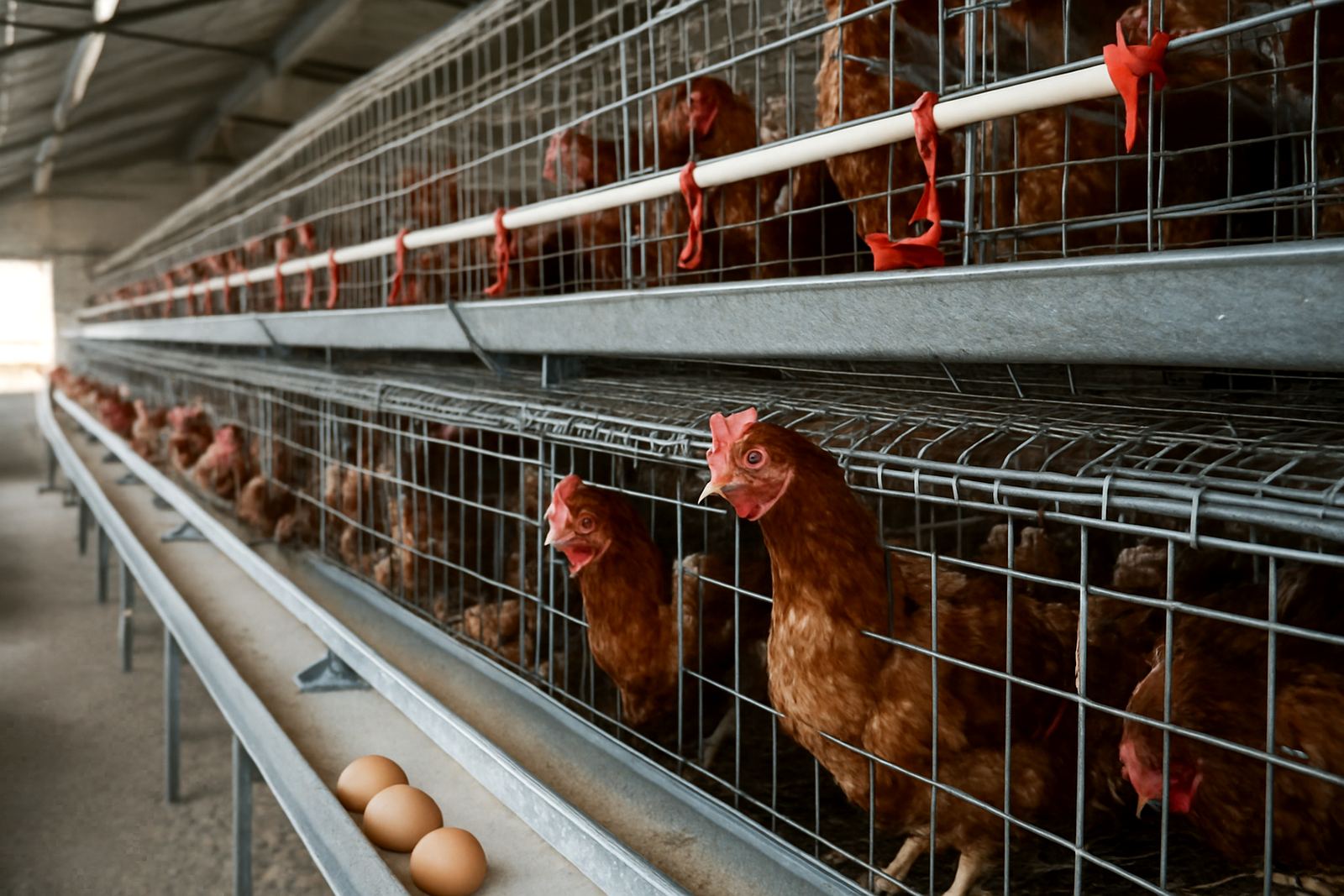
An egg is at its weakest soon after lay. The shell may look fine, but a rough hand, a crowded collection route or a hot room can turn a saleable egg into a cracked one before lunch. In Gauteng and North West summer heat, the risk is higher because trays warm up fast and moisture on the shell can pick up dust, feathers and manure.
The basic rule is simple: move eggs gently, keep them out of direct sun and get them into a clean, shaded room as soon as possible. If eggs sit in the house or under a loading bay for too long, the dirt dries on and becomes harder to remove without damaging the shell. A short delay can cost more than a full crate, especially when the pack room is busy and staff are rushing.
- Collect eggs often enough to stop rolling and piling up
- Use clean hands, gloves or clean baskets for every round
- Keep collection paths clear of feed bags, hose pipes and loose wire
- Move trays straight to a shaded staging point
Collection routines that reduce cracks
Cracks often start with handling, not with the hen. Too much pressure on trays, stacking crates too high or dropping trays on a concrete floor will show up later at grading. In broiler areas turned over for layer units, uneven floors and old doors also cause bumps that shake eggs against each other. If the house runs on a narrow corridor, plan the route so staff do not cross back and forth with full trays.
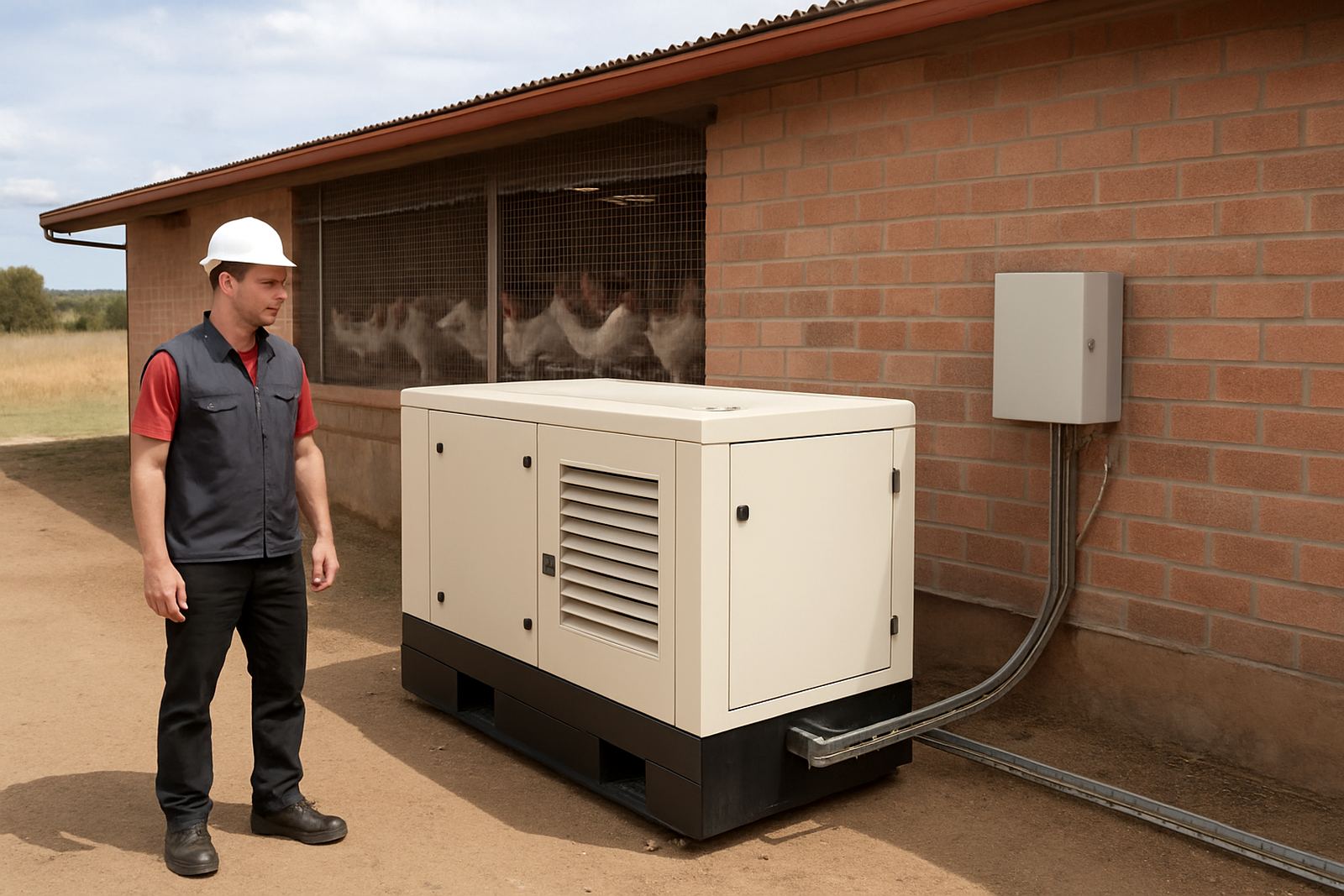
Good collection also depends on timing. Early morning collection works well before the house heats up, then a second and sometimes third round later in the day. Where load-shedding affects lighting or belt systems, keep a simple backup routine so eggs are not left in nests longer than needed. A torch, spare batteries and a clear manual path can save a lot of breakage.
- Do not overfill collection trays or baskets
- Stack trays square, not leaning to one side
- Avoid lifting crates by the top tray only
- Train every worker on the same lifting and stacking method
Clean rooms beat hard scrubbing later
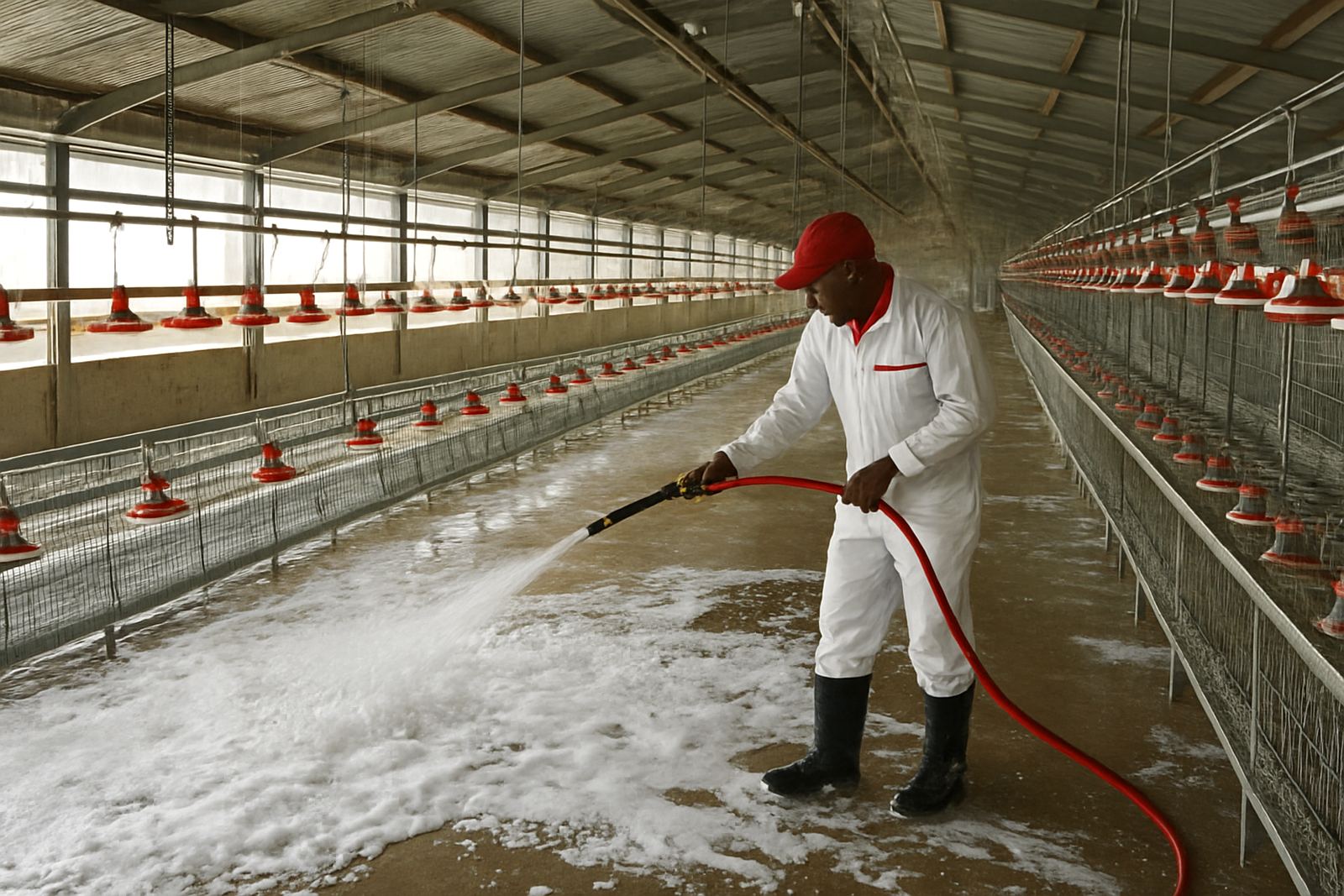
The egg room should be treated as a clean area, not as a catch-all store for sacks and spare parts. Dirt on floors gets moved into trays, then into the pack line, then onto the shell. In humid coastal areas, even a little moisture in the room can hold dust on the shell and make sorting slower. A dry, washable room with good airflow keeps the work cleaner and easier.
Set up the room so eggs move in one direction only. Dirty trays come in one side, clean trays go out the other. Keep chemicals, fuel and rodent bait away from eggs. If the room has a concrete floor, sweep it before each shift and wash only when eggs are out of the way. A simple written routine, even on a scrap board, helps staff follow the same steps every day.
- Wash hands before handling egg trays
- Keep windows and vents screened against birds and insects
- Store clean trays off the floor
- Separate the egg room from feed mixing and maintenance work
Sorting, grading and packing without extra damage
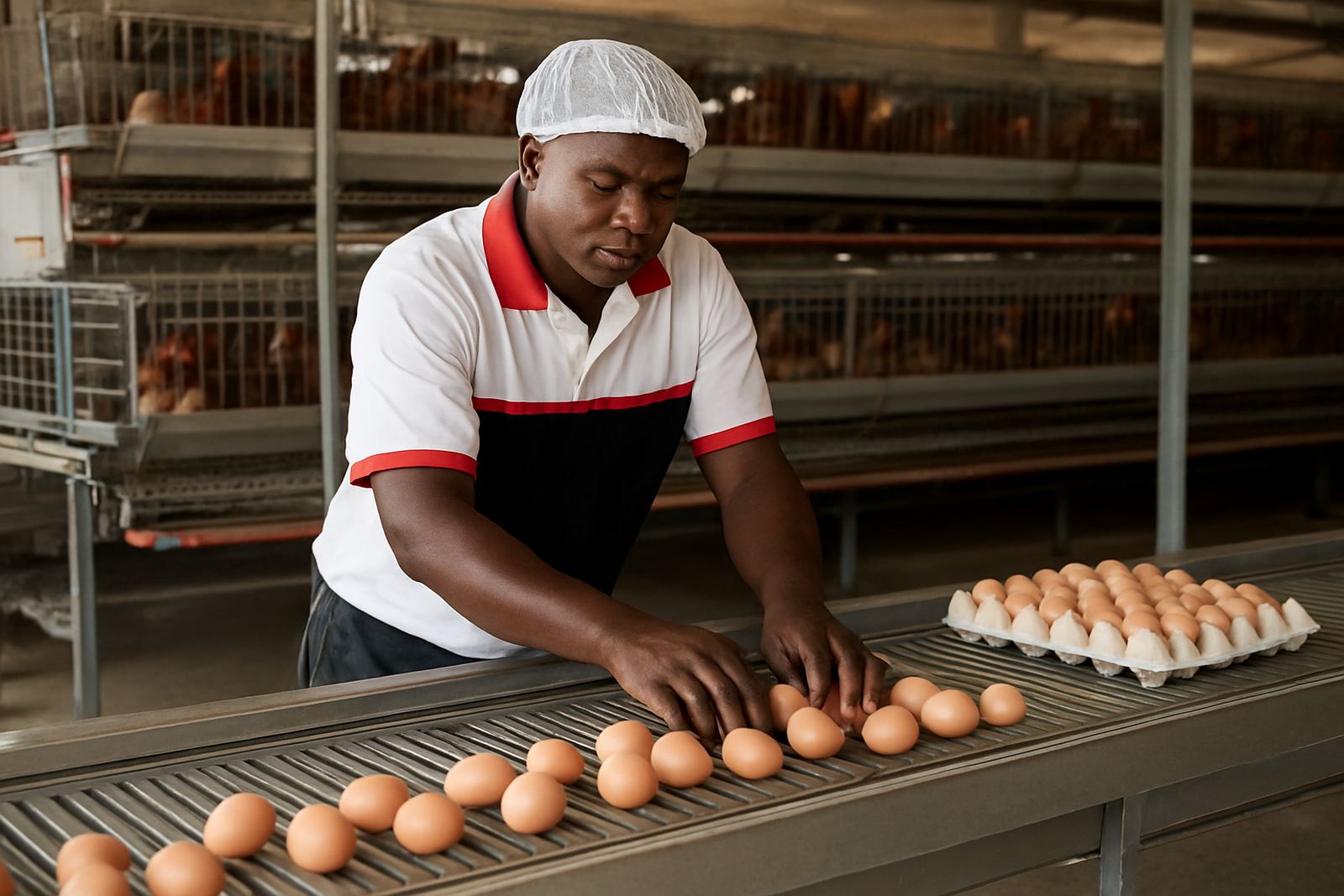
Once eggs reach the room, the goal is to sort quickly without more knocks. Bright enough lighting helps spot hairline cracks, dirt patches and misshapen shells. Use a table or line that lets staff work at waist height, not bent over, because tired workers drop more eggs. A steady rhythm is better than speed bursts, and it avoids people placing eggs down too hard.
Pack only clean, sound eggs with the same size grouped together. Dirty eggs should be separated straight away and handled according to the farm's hygiene and market rules. If grading happens after lunch, keep the room cooler and do not let eggs sit near the door where hot air blows in. On some farms in Limpopo, this one habit reduced afternoon losses enough to keep a small retailer account open through peak summer.
- Check shell condition under good light, not in a dim corner
- Do not wipe dirt hard across the shell
- Keep cracked eggs out of the main pack line
- Close cartons firmly so trays do not shift in transit
Storage, transport and local conditions
After packing, the eggs still need careful treatment. Storage should be cool, dry and free from strong smells. In hot inland towns, a closed room can heat up fast if ventilation is poor, so use shade, insulation and working fans where allowed. At the coast, moisture control matters just as much as temperature because damp cartons weaken and dirty more quickly.
Transport is the last chance to avoid losses. Keep cartons level, do not stack them too high, and secure the load so it does not shift on potholes or stop-start traffic. Municipal by-laws and customer rules may also affect where and how eggs are loaded, especially near processing rooms or shared farm yards. A clean loading point with a firm surface protects the product and makes inspections easier.
- Use vehicles with a clean load bed and no sharp edges
- Keep cartons away from feed, fertiliser and chemical drums
- Load early if the day will be very hot
- Check that doors, seals and latches hold the load steady
A practical Gauteng example from house to pack room
A layer unit in the east of Gauteng was losing money on cracked eggs even though the hens were healthy. The issue was not the birds. It was the way eggs moved from nest to room. Trays were being left near a sunlit doorway, staff used different carrying methods, and the sorting room shared space with spare feed and cleaning gear. Once the farm changed the route, added a shaded staging point and set a fixed cleaning routine, the reject rate dropped within weeks.
That sort of change does not need a big rebuild. It needs planning, the right equipment layout and staff who know the routine. On a poultry project, the egg handling line should fit the house layout, the room size and the daily staff count. When those pieces match, the work feels calmer and the eggs arrive in better condition. Small changes, done every day, protect the margin better than a once-off fix.
What to review every week
Weekly checks keep the system honest. If breakage rises, look first at collection timing, tray condition and room cleanliness before blaming the market. Check whether staff are rushing at shift change, whether trays are worn, and whether doors or fans are letting in dust. If eggs are coming in dirty, the nests, floors and walkways may need attention as much as the pack room.
A short weekly review can be done in ten minutes and it often shows the problem early. Keep notes on cracks, dirt, temperature and missed collections. Then act on the pattern, not the guess. Over time, that habit gives better pack-out and fewer arguments between the house team and the room team.
- Count cracked eggs by house or shed, not only by day
- Inspect trays for broken corners and rough edges
- Check shade, airflow and lighting in the egg room
- Review staff training after any rise in reject rates