Why trained operators protect the equipment you already paid for
Poultry equipment usually fails early because it is used badly, not because it was built to do the job. A drinker line left at the wrong height, a feeder overfilled, or a brooder started too hot can cause wear that shows up later as leaks, spills, uneven growth and unnecessary repairs.
When operators know what normal looks like, they spot small changes before those changes become expensive. That matters on farms near Gauteng industrial areas where production teams are often working around power cuts, water pressure changes and tighter labour schedules. A trained person does not guess. They check, adjust and report early.
- Correct start up and shut down reduces strain on motors, chains and controls
- Better daily checks help catch broken nipples, bent trays and loose fittings
- Clean handling slows down corrosion, which is especially useful in coastal humidity
- Less rough use means fewer callouts and longer service life
What practical training should cover on a poultry site
Training should be built around the actual house, not just a manual. A worker needs to know how the cages, feeders, drinkers, incubators or brooder systems in front of them are meant to work on that site. The same applies to processing room equipment, where cleaning routines and hygiene rules matter as much as operation.
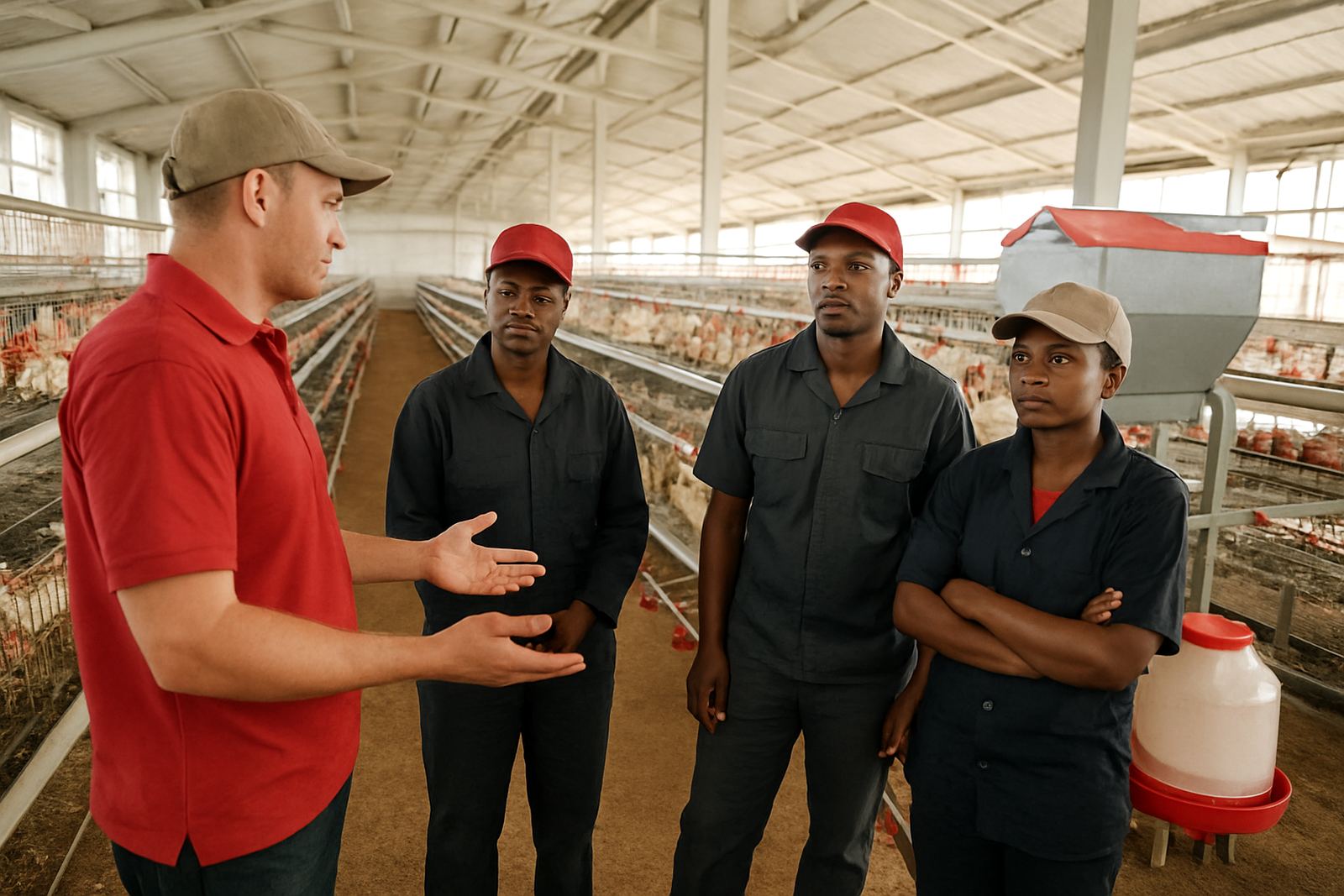
At John F Marshall, operator training is usually matched to the equipment supplied and the layout of the farm. That can include daily use, safe cleaning, routine inspections, simple fault checks and what to do when there is a break in water supply or electricity. It is better to teach one clear method than to let three different people manage the same machine in three different ways.
- Daily startup checks and safe operating steps
- Feed, water and temperature management basics
- Cleaning, washing and hygiene procedures
- Fault reporting and when to call for service
- Simple record keeping for maintenance and stock use
Training lowers waste in feed, water and labour
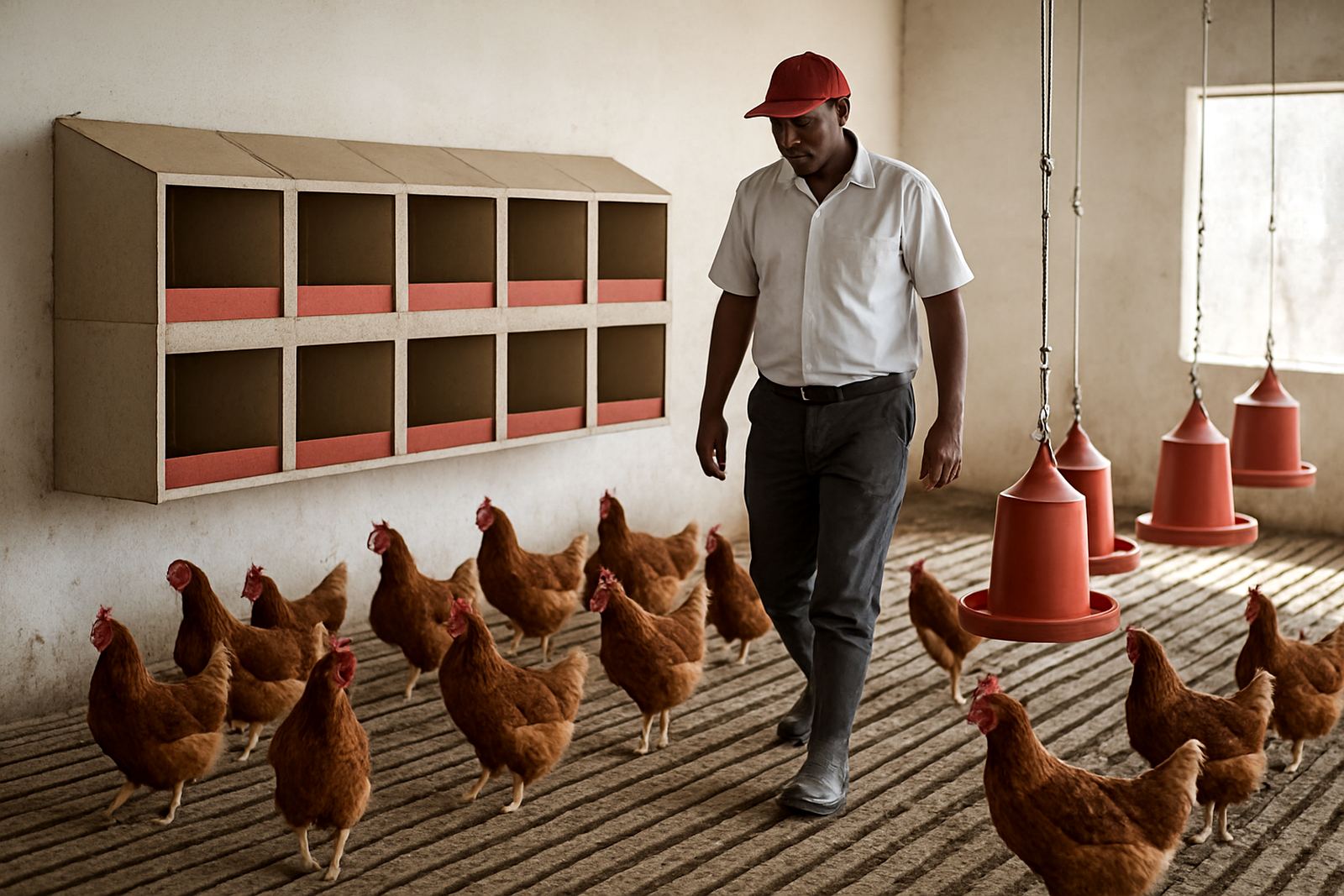
Feed wastage adds up quickly. If troughs are set too high or too low, birds scratch feed onto the floor and the house becomes harder to clean. If drinkers drip, you get wet litter, higher ammonia and more work at the end of the shift. That is money lost every single day, not once in a while.
Good training helps operators work with the equipment instead of fighting it. They learn how to set heights, how to check pressure, and how to keep lines clean. They also learn the small habits that save time, like doing a walk through in the same order each morning so nothing gets missed. It sounds basic, but basic is what keeps a site steady when staff change or loadshedding disrupts the normal routine.
- Less spilled feed and fewer damaged trays
- Reduced water leaks and damp floors
- Shorter cleaning time after each cycle
- Better use of labour across the shift
A local example from a Gauteng poultry house
We often see the value of training in places like Boksburg, Bronkhorstspruit and the wider Gauteng belt where farms run close to busy supply routes and staff turnover can be high. One small layer unit had repeated complaints about uneven bird growth and broken fittings. The equipment itself was sound, but the team had not been shown how to check feeder levels and water line height properly after each batch.
After a practical training session on site, the daily routine changed. Operators started with a simple inspection, followed by cleaning, adjustment and a short note on any issues. The result was fewer callouts, better bird comfort and less wasted feed. Nothing dramatic, just a steadier house and fewer avoidable problems. The owner said the biggest change was that the team stopped making the same mistakes over and over.
Training also supports compliance, hygiene and safer work
In poultry work, good training is not only about output. It also supports hygiene and safe handling. People who understand cleaning chemicals, lock out steps, hot surfaces and moving parts are less likely to get hurt or contaminate a processing area. That matters where abattoir equipment or processing room fitout forms part of the project.
Municipal and environmental rules can also affect how a site operates, especially around effluent handling, water use and waste disposal. Operators do not need to become compliance officers, but they do need to understand the site rules and why they exist. If staff know the reason behind the routine, they tend to follow it properly rather than cutting corners when the day gets busy.
- Safer cleaning around moving parts and electrical points
- Better hygiene in egg handling and processing spaces
- Less cross contamination between clean and dirty areas
- Improved follow through on site rules and records
How John F Marshall structures operator support after installation
Training works best when it starts at installation and continues after commissioning. A new team may need hands on guidance during the first few days, then follow up support once the house settles into normal production. That is especially true when a client is adding new units, changing house layouts or expanding into another site in Limpopo, Free State or KwaZulu-Natal.
John F Marshall supports poultry projects from Jet Park in Boksburg and works across Gauteng, Mpumalanga, Limpopo, North West, Free State and KwaZulu-Natal. The focus is practical support that helps the site run properly, not just a quick handover and a forgotten file. If operators know who to call, what to check and how to log a problem, the equipment has a better chance of staying in service for longer.
The value shows up in the daily routine, not only on paper
Training is easy to ignore when a farm is busy because it does not look urgent. But the benefits show up in the routine: fewer stoppages, cleaner houses, better output and staff who are more confident with the equipment. That is the real return. Not theory, but fewer problems before breakfast.
For poultry businesses trying to protect margins, operator training should be treated as part of the equipment package, not an extra. A well trained team uses the right method, takes better care of the plant and keeps the house moving with less stress. In the long run, that helps the whole operation run with more order and less waste.