Start with bird welfare, not with the biggest bill
When new poultry businesses price up a project, they often jump straight to cages or a full processing room. That usually creates pressure on cash before the first bird has even laid. A better approach is to start with the items that protect bird health, reduce mortality and keep daily work manageable. If the basics are right, income can be reinvested into the next round of equipment instead of being swallowed by emergency fixes.
For laying hens, the first budget should normally cover housing, feeders, drinkers, lighting, ventilation and a reliable way to handle manure and cleaning. In Gauteng and North West, where daytime temperatures can climb quickly, airflow matters as much as metalwork. In coastal areas, fittings also need to cope with humidity and corrosion so the budget should allow for material choice, not only price.
- Housing or house improvements
- Feeding and drinking systems
- Light control and basic ventilation
- Cleaning, waste handling and sanitation items
- Simple backup for load-shedding, such as a plan for water and lights
Buy the equipment that affects survival and production first
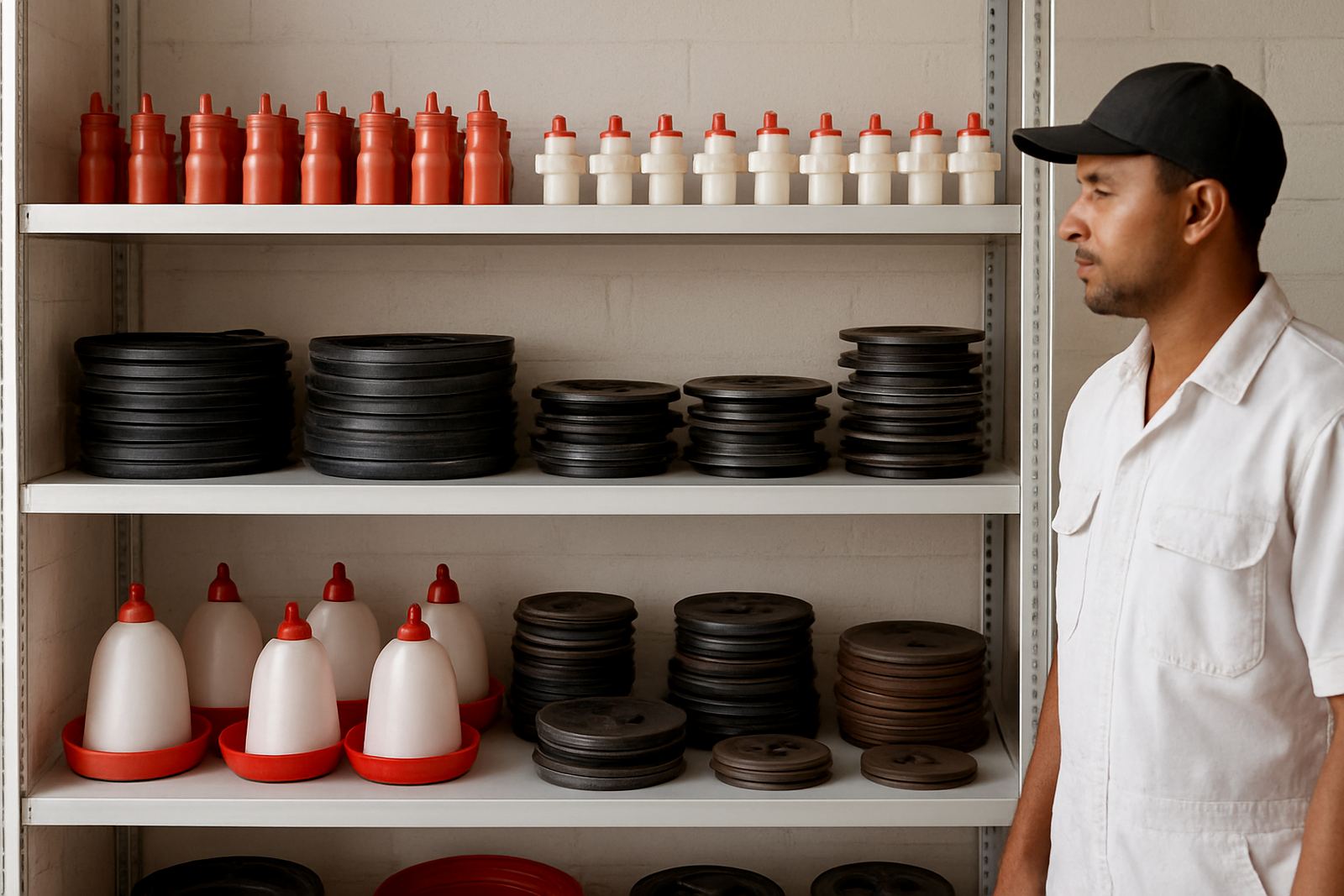
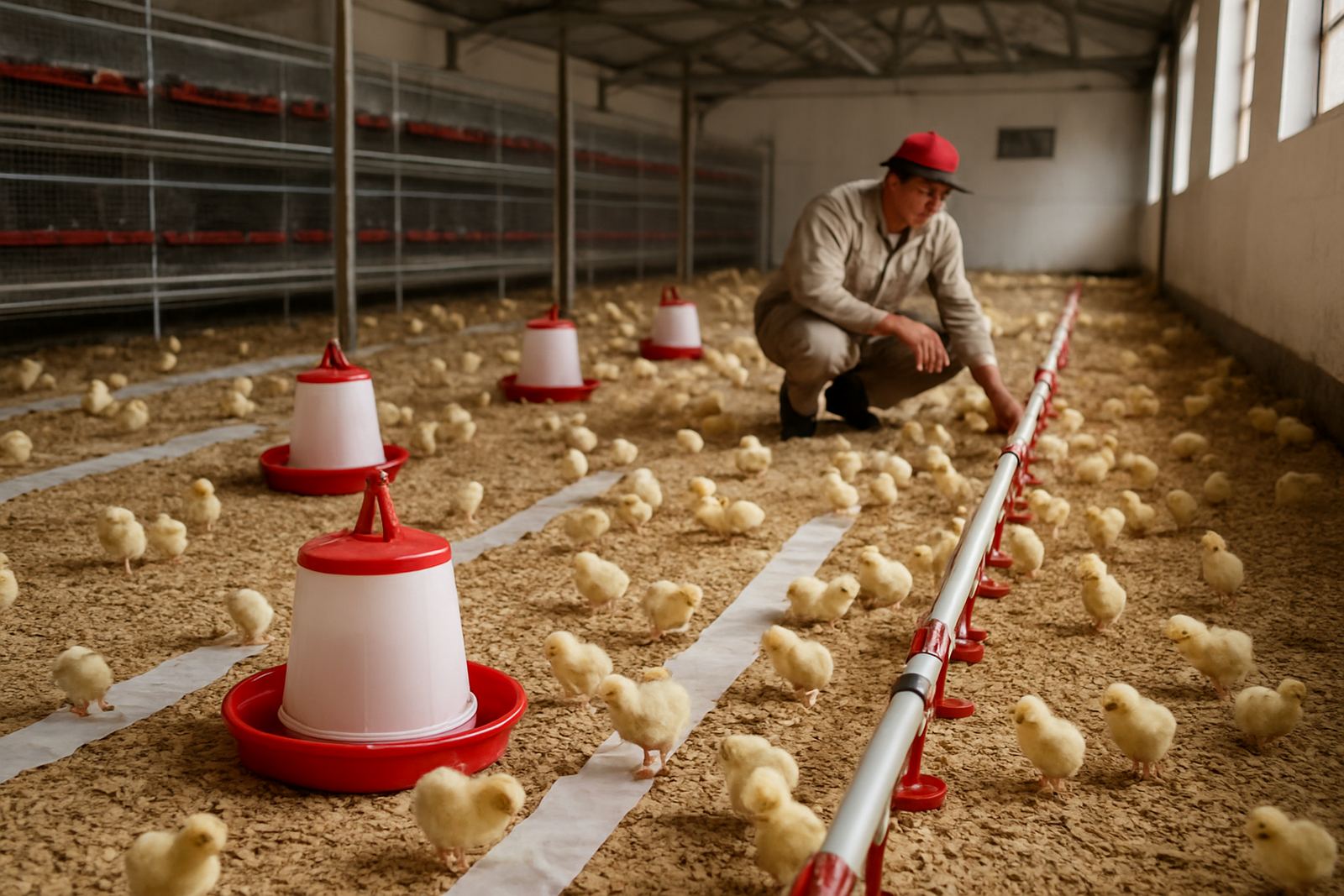
If money is tight, the order of purchase should follow the bird's daily needs. Chicks and layers do not care whether a project is fully fitted out, they need warmth, water, feed and a clean environment. That is why brooders, drinkers and feeders often come before extras. A business can expand later, but poor early decisions can hold back flock performance for months.
In small starter flocks, even a modest mistake in drinker height or feed access can push up stress and uneven growth. It is also worth budgeting for spare parts, because a missing nipple, valve or connector can stop a section working properly. When a house is in a rural area outside towns like Middelburg, Tzaneen or Potchefstroom, downtime can cost more than the part itself.
- Brooders or chick heating equipment for young stock
- Drinkers sized for the number of birds and the house layout
- Feeders that limit wastage and keep birds moving evenly
- Thermometers, timers and basic monitoring tools
- Spares that can be fitted quickly on site
A starter budget should leave room for power and water realities
South African poultry operators have to budget for conditions that do not appear in the catalogues. Load-shedding can affect lighting, ventilation and pumping, while municipal water interruptions can affect washing and drinking lines. A practical starter budget includes a small contingency for these realities, even if the business is only beginning.
For a young operation, it is often smarter to set aside money for a backup plan than to overspend on non-essential finishings. That could mean extra water storage, safer electrical protection or a simple way to keep critical systems running during a short outage. In winter around Bethlehem or Ermelo, temperature swings can also be sharp, so insulation and heat control should not be treated as optional.
Good planning also helps with compliance. Municipal rules around effluent, drainage and processing rooms can affect where equipment is installed and how easy it will be to clean. It is cheaper to plan these matters early than to move machines later because an inspector or contractor has raised an issue.
Turnkey does not have to mean full build on day one
Many small poultry businesses think turnkey projects are only for large operations. In practice, a turnkey approach can be scaled to suit a starter budget. It simply means the project is planned as a working system, not a random collection of items. That can start with a single house, a defined flock size and a clear path for later expansion.
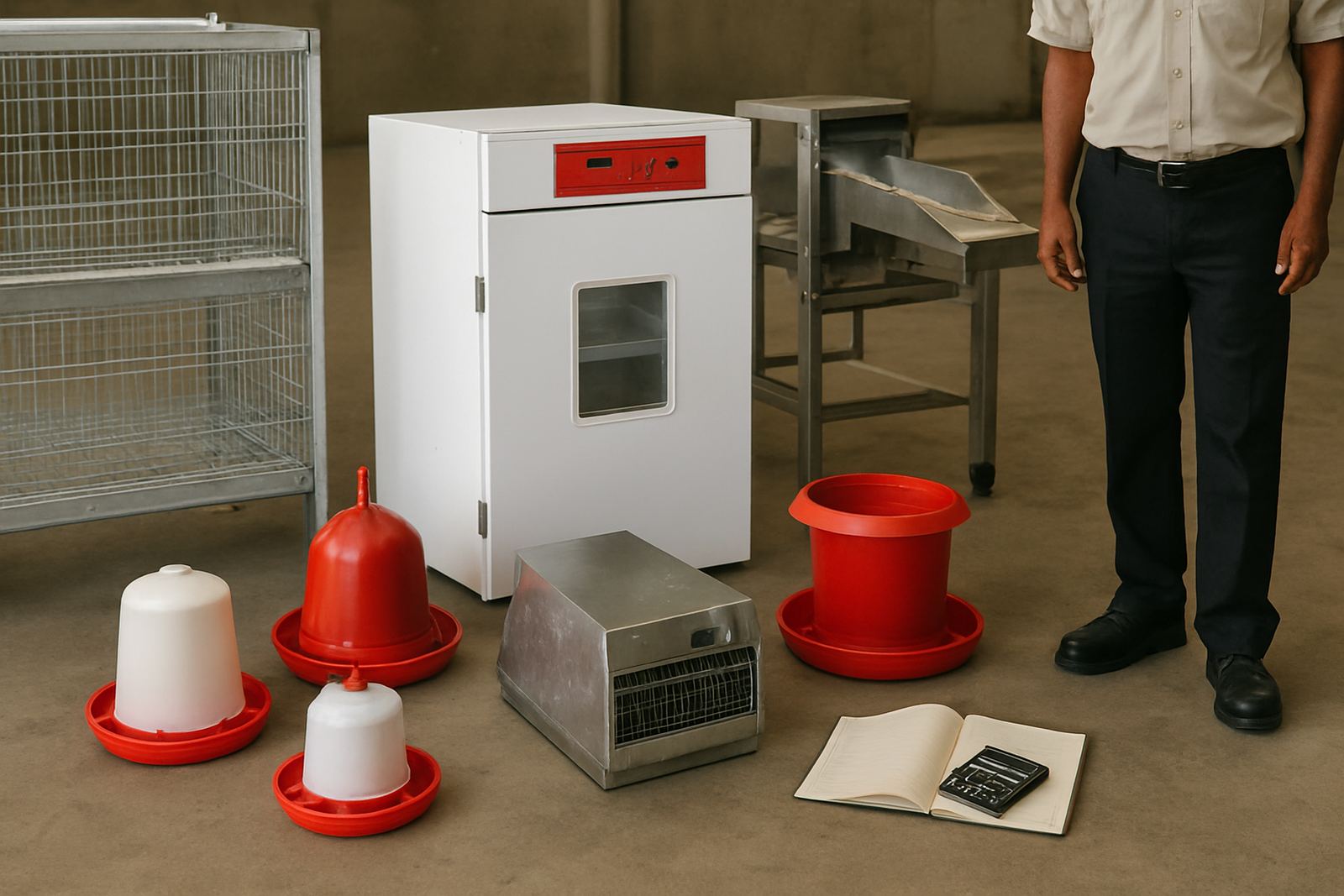
For example, a producer near Standerton might begin with one controlled laying unit, then add a second unit once egg sales have stabilised. The first purchase list could cover housing, cages, drinkers, feeders and basic training. A second phase can add grading space, a processing room fitout or extra holding equipment when turnover supports it.
This staged method helps owners avoid paying twice for the same decision. It also makes training easier because staff learn one system properly before the business adds another layer of complexity.
A local example from a small Gauteng start-up
Take a small family operation in the East Rand with 1 200 laying hens and limited working capital. The first instinct might be to buy all the equipment at once, but the better plan is to prioritise the house, the bird handling system and the daily working tools. The owners can then build stock and sales before they commit to extra processing equipment.
In that case, the starter budget would normally focus on:
- House layout and installation supervision
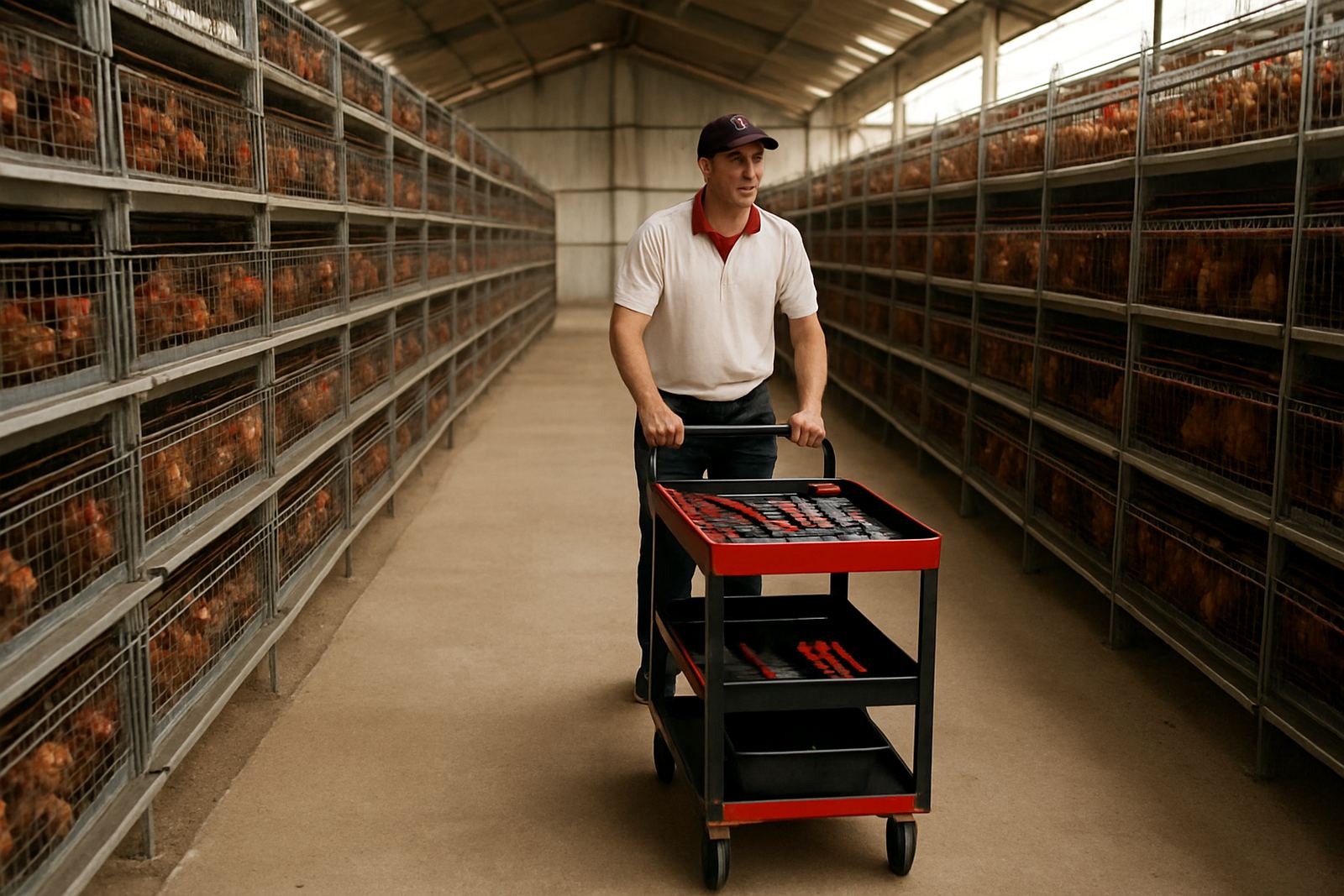
- Laying-hen cages or housing fittings matched to flock size
- Feeders and drinkers with a practical spare allowance
- Lighting and ventilation suited to the building
- Commissioning and operator training so the team can run the system correctly from the first week
By keeping the first phase controlled, the business protects cash flow and gets a clearer picture of real running costs. That matters when feed prices, transport and labour all shift through the year.
The hidden costs that should sit in every starter budget
Starter budgets are often blown by items that were never seen as major purchases. Freight, installation supervision, spare fittings and training can be easy to overlook, yet they decide whether the equipment works properly or sits idle. A machine that arrives but cannot be installed or maintained is not an asset, it is a delay.
Small operators should also allow for maintenance programmes from the start. A few scheduled checks can prevent breakdowns in drinker lines, feeder systems or processing room equipment. In hot months, a blocked line or a faulty valve can create losses fast, so small repairs are best treated as a normal cost, not an emergency.
- Delivery and on-site installation support
- Initial operator training and refresher training
- Maintenance checks and call-out allowance
- Spares stock for common wear parts
- Future expansion planning so the next phase fits the same site
What a sensible starter plan should aim to achieve
The best starter equipment budget is not the cheapest one and not the biggest one. It is the one that lets a business begin properly, keep birds healthy and grow without reworking the whole site after six months. That is especially important in poultry, where small mistakes can spread quickly through a flock.
For small producers, the aim should be simple: get the birds feeding, drinking, growing and laying under control first. Then add processing, storage and higher capacity systems once sales justify the extra spend. If the first budget follows that order, the business has a better chance of surviving the difficult early months and building something steady.
At John F Marshall, that usually means helping clients set the right sequence for site planning, equipment selection, house layouts, installation supervision, commissioning and training. A starter budget works best when it reflects the real farm, not just the price list.