1. Storing feed where moisture can get in
Moisture is the quickest way to turn good feed into a problem. In a Gauteng summer storm, a single loose roof sheet or a gap around a feed room door can pull damp air into the store and the feed starts caking at the bottom of bags or in bins. Once that happens, flow slows down and the first sign is usually staff shaking bags or poking at a hopper to get feed moving again.
On coastal and high-humidity sites, the risk is even higher. If the storage area is not sealed properly, feed can pick up moisture overnight, especially when temperatures drop after sunset. That is why the room, silo or bin must be kept dry, with decent ventilation but no direct water entry. A clean concrete floor helps too, because a dirt floor will hold dampness and attract pests.
2. Ignoring first in, first out rotation
Feed does not last well when older stock gets pushed to the back and forgotten. Many operations bring in a fresh load and keep opening the nearest bags or the easiest bin access point, while older feed sits untouched for weeks. By the time it is used, the smell, colour and flow may already have changed.
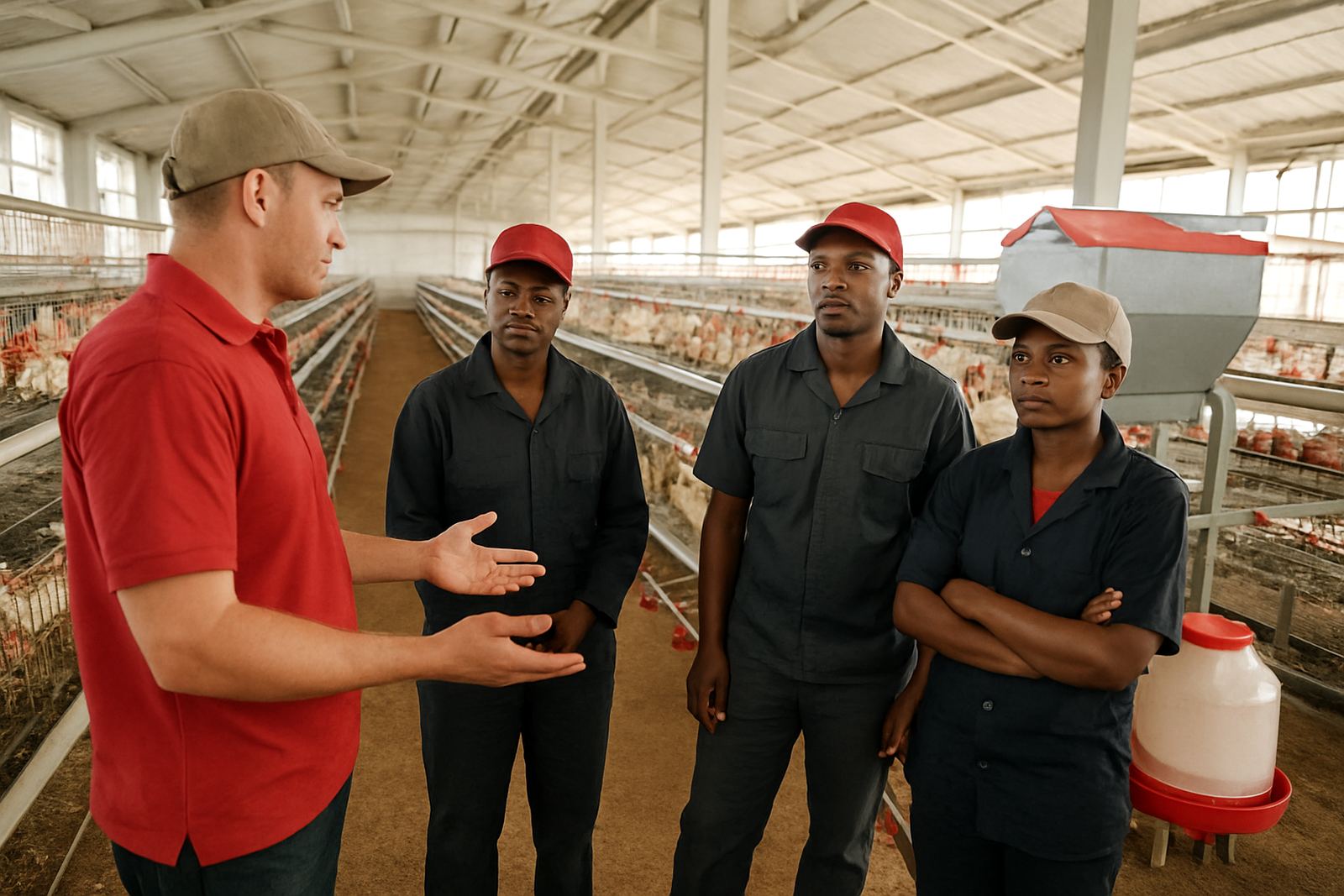
The fix is simple but it needs discipline. Put delivery dates on every bag stack and every bulk bin record. Use the oldest stock first, even if the new delivery is more convenient. This matters most with starter feeds and medicated rations, which should not sit around in hot storage areas. If your team works in shifts, make sure everyone follows the same rotation system, otherwise one person’s good habit gets undone by the next shift.
- Mark delivery dates clearly on bags and bin records.
- Keep older stock at the front, not behind new stock.
- Check for stale smell, off colour or clumping before feeding out.
3. Letting pests live in the feed room
Rodents, birds and insects are not just a nuisance. They tear bags, contaminate feed and leave droppings that spread disease pressure through the house. In the North West and Limpopo, where stores often sit near open yards and grain movement, pest control gets overlooked until the damage is already done. Then the feed room becomes the weak point in the whole biosecurity plan.
Look for chew marks, spilled feed under pallets, and fine dust around corners. Rats and mice love gaps behind stacked bags and under older wooden pallets. Insect activity often starts in warm corners where air does not move properly. Keep the room clean, close unused openings, and do not leave broken bags lying around. If you have a recurring pest problem, the storage layout itself may need changing, not just more bait stations.
4. Overfilling bins and crushing the flow
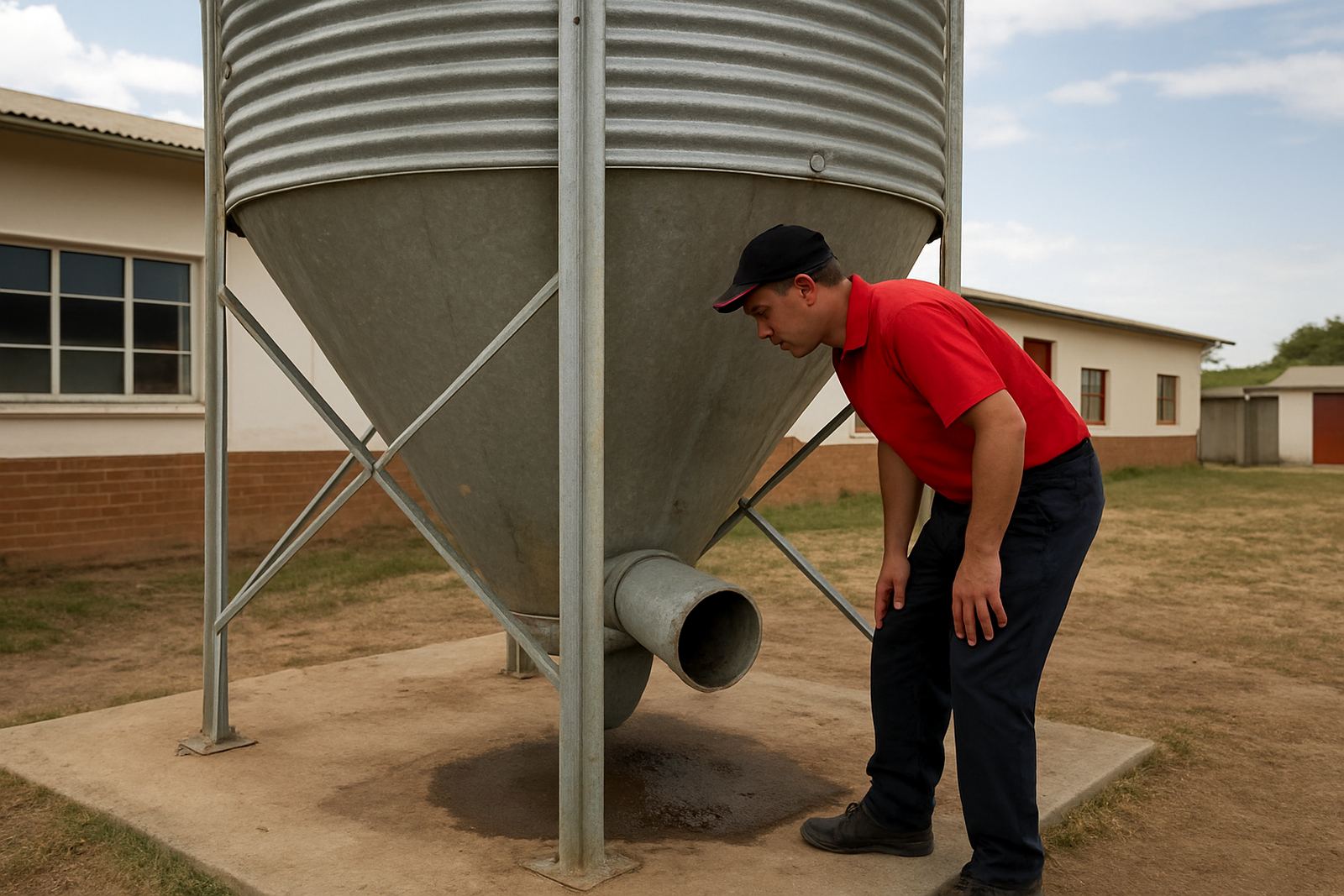
Some feed storage mistakes come from trying to use every last bit of space. Overfilled bins and silos can cause feed to compact, bridge and hang up in the cone. Then the team thinks there is a motor fault or a blockage in the line, when the real issue is poor headroom or feed sitting too tightly in the vessel.
This is common on expansion projects where extra birds were added before the storage side was upgraded. The house grows, but the feed room or bulk storage stays the same. That means more movements, more dust, and more pressure on the transfer system. If your bags are stacked too high, or your bin is filled past its working level, you also increase the chance of damaged product at the bottom. A few extra bags are not worth the wastage and labour later on.
- Never block access hatches or inspection points with stacks of feed.
- Leave enough working space for cleaning and inspections.
- Check that augers, chutes and outlets are not under strain from compacted feed.
5. Mixing storage temperatures and feed quality
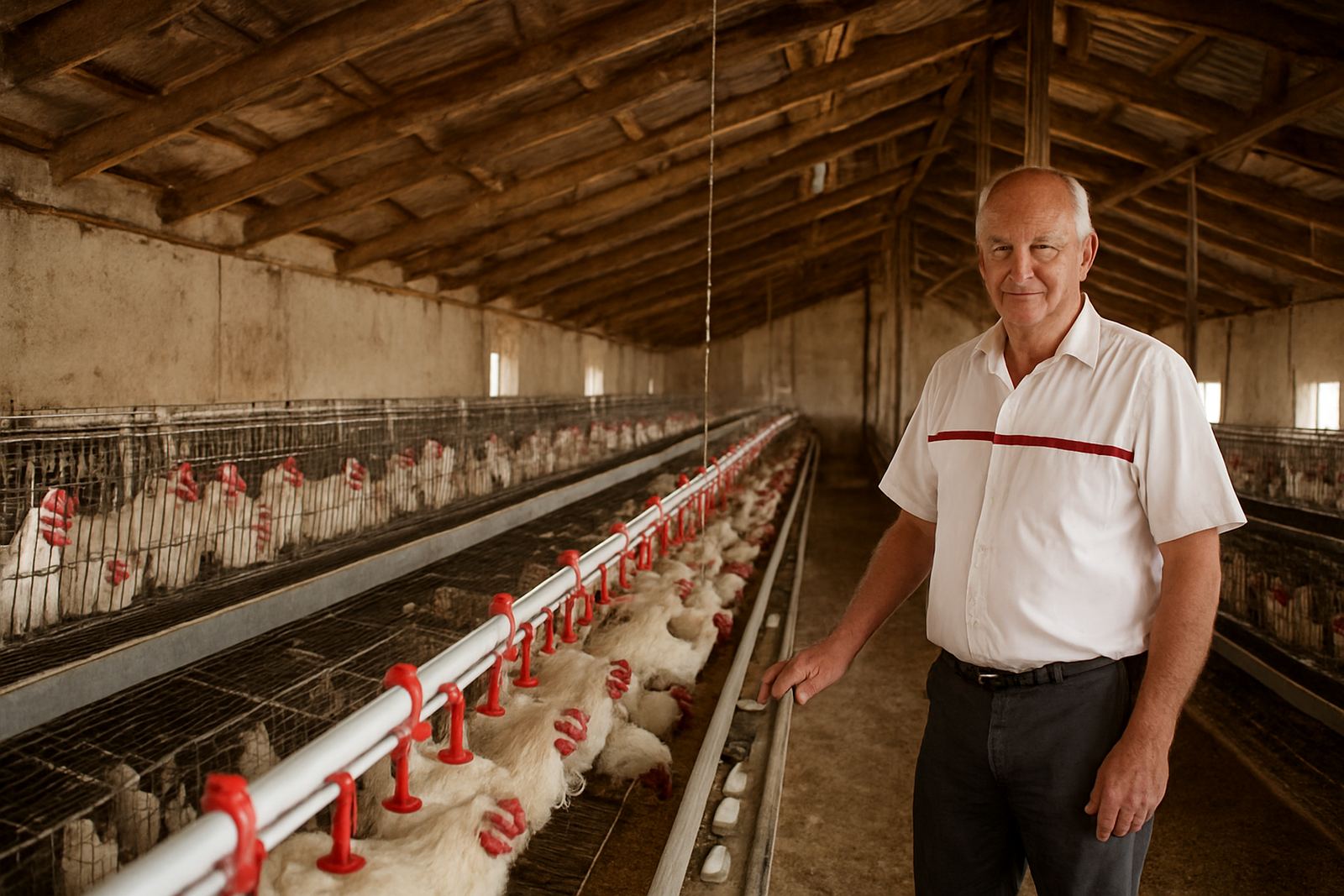
Feed is sensitive to heat. In a closed metal room, temperatures can climb quickly during the day, then drop at night. That repeated cycle creates condensation and can shorten shelf life. If the feed contains fats or additives, poor temperature control can affect smell, taste and consumption. Birds may not stop eating completely, but intake becomes uneven and performance slips.
For smaller farms, this often shows up in rooms with poor ventilation and no insulation. For larger operations, it can happen in feed stores that sit next to boiler rooms, processing rooms or direct sunlight. If the building gets very hot by midday, move stock away from outside walls, improve airflow, and use shading where possible. In some cases, a simple roof treatment or additional vents can make a noticeable difference. It is not fancy, it just stops feed going off before it reaches the birds.
6. Using the wrong storage setup for the farm scale
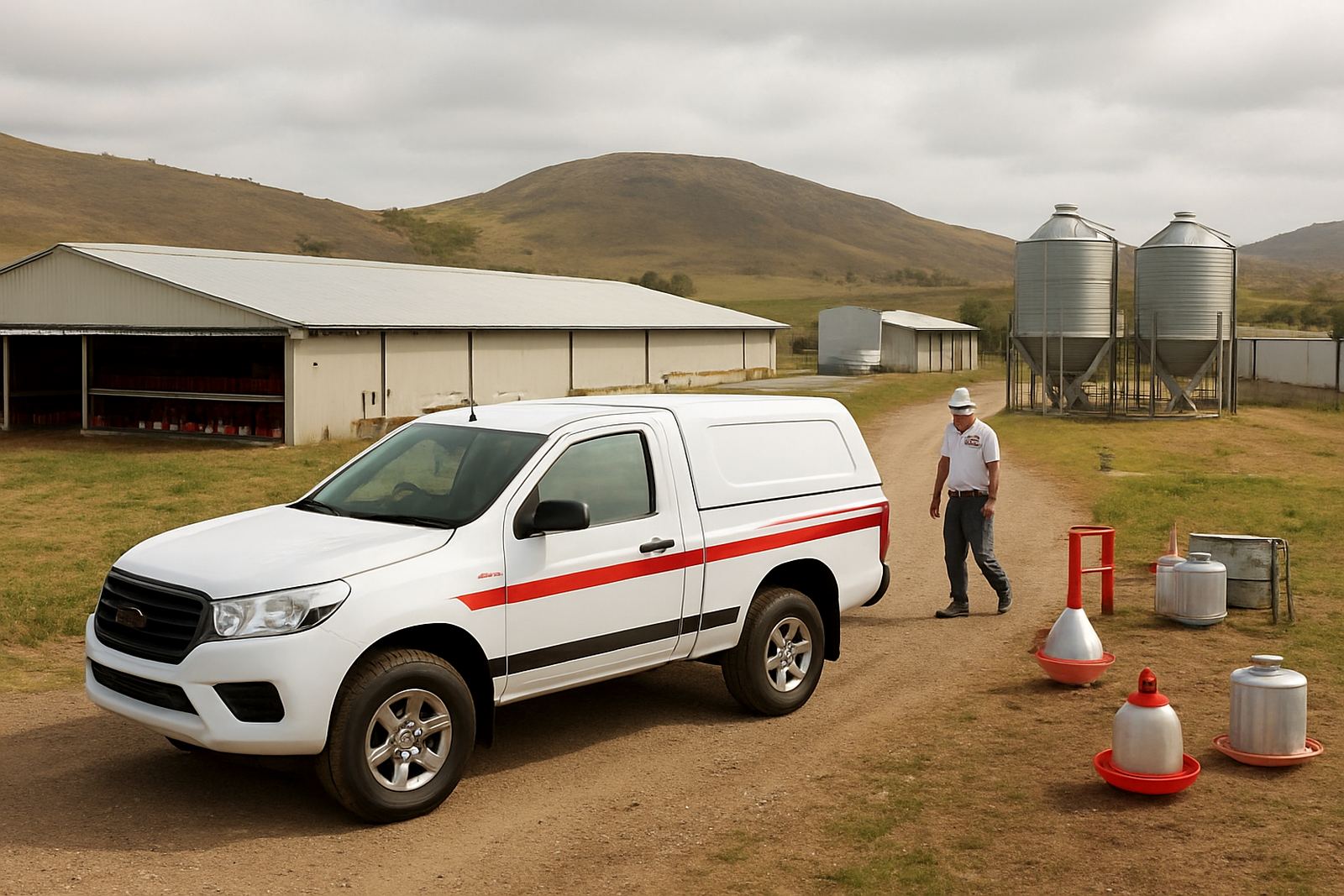
A common mistake is copying a storage setup that worked on a much smaller flock and expecting it to cope after the farm has expanded. A broiler house with a few bags a week has different needs from a layer operation feeding daily through automated lines. The same goes for a project in Free State winter and one near the coast in KwaZulu-Natal. The storage solution must match the feed movement, the climate and the labour available.
If the store is too far from the houses, feed handling gets slower and bags are dragged across dirty ground. If it is too small, bags get stacked badly and access gets lost. If it is too open, wind, rain and dust become part of the problem. A proper layout should allow clean delivery offloading, dry storage, easy inspection and safe transfer to the feeding point. That is especially important on turnkey poultry projects, where one weak link affects the whole chain.
We often see farms in Jet Park, Boksburg and across Gauteng trying to make an old store do a new job. The answer is not always a full rebuild. Sometimes it is better racking, better doors, a raised floor, or a revised feed route. Small changes can cut waste and save labour every week.