Start with the house, not the hen
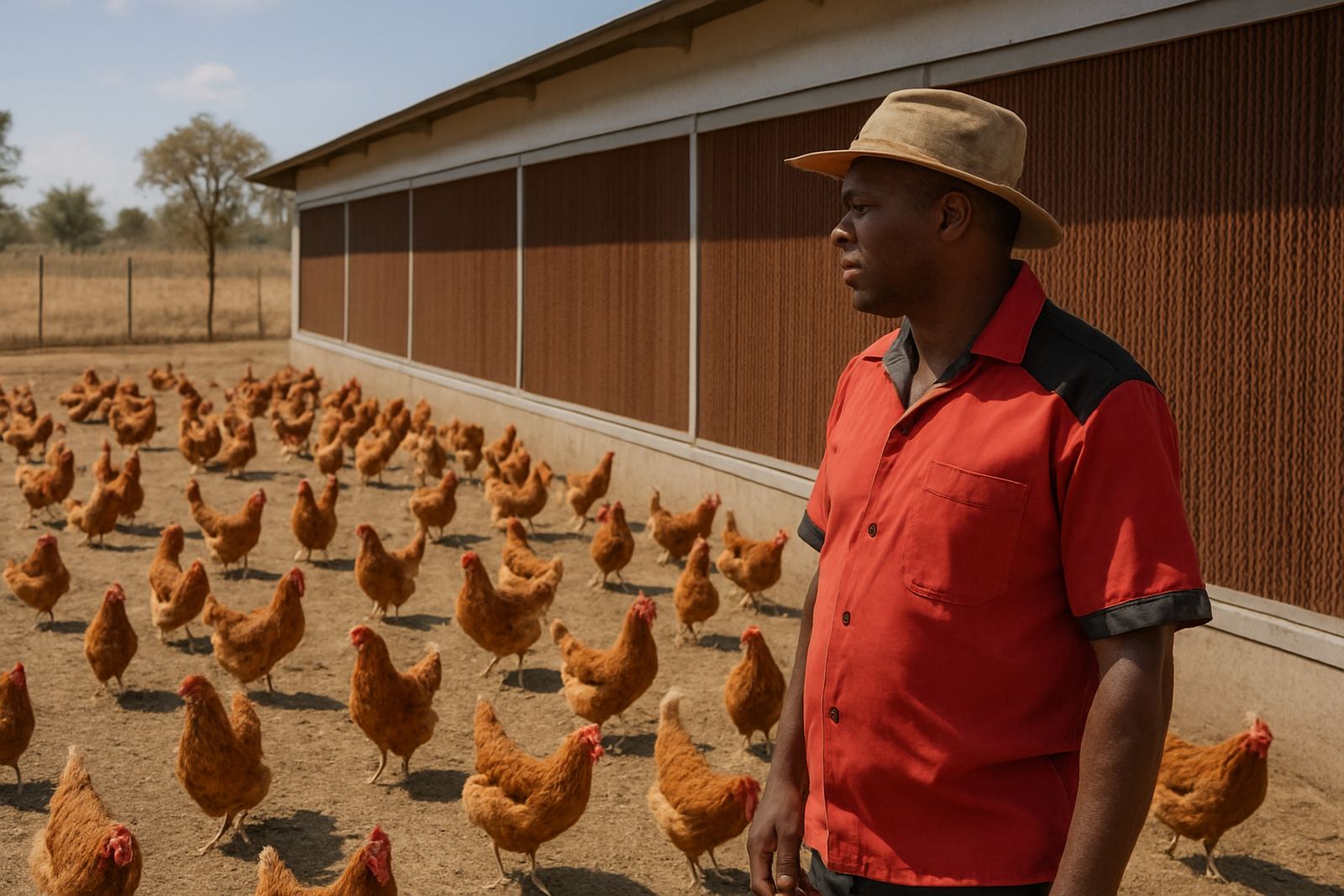
A comfortable layer house starts before birds go in. Check roof sheets, side cladding, curtains, fans, inlets and shade so air can move without draughts on the birds. In Gauteng and the North West, hot afternoons can push house temperatures up fast, while winter nights in the Free State and Limpopo can cool a house down sharply, so the building must hold a fair balance.
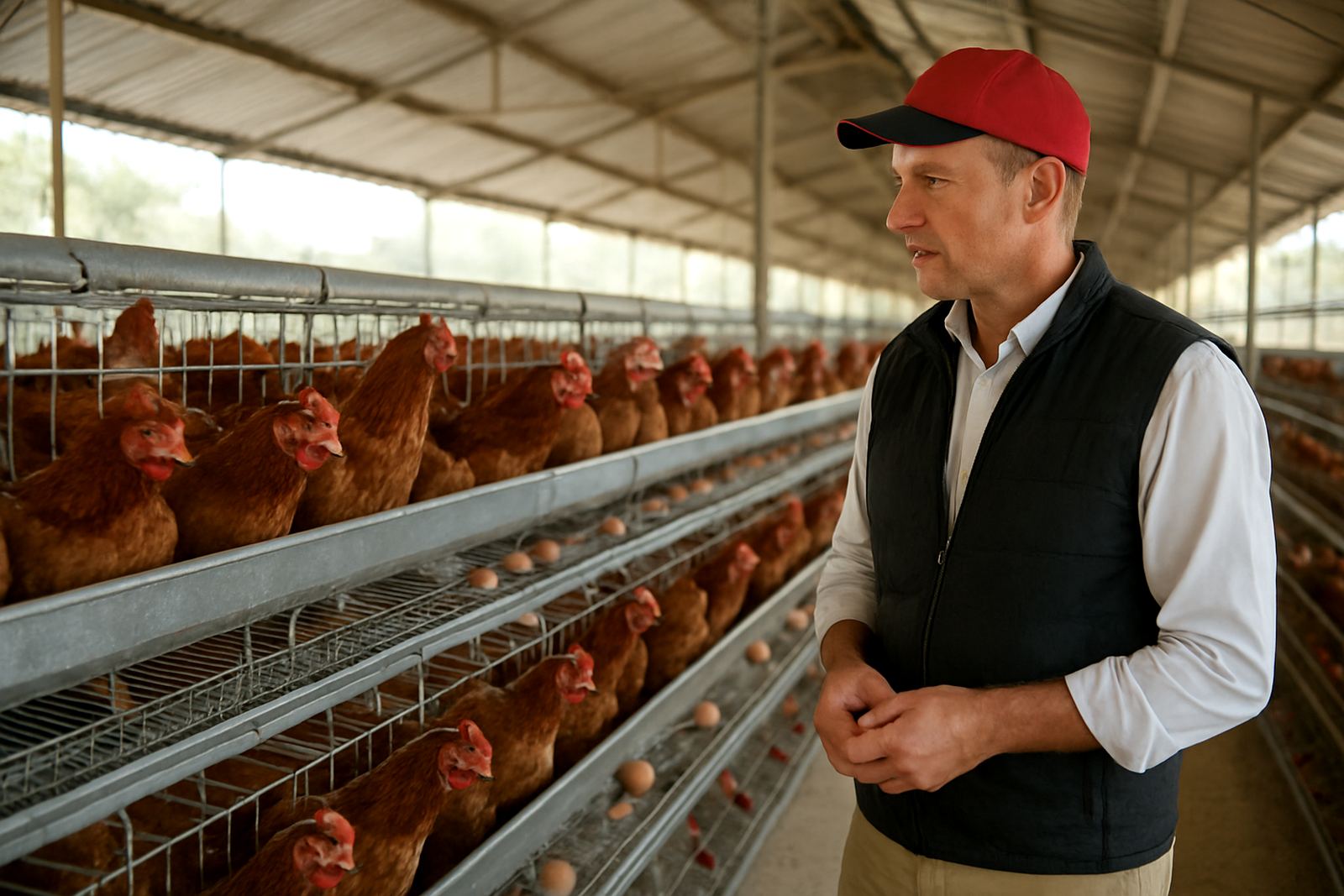
Walk the house at bird height, not only at the door. If the air feels stale or heavy by the cages or floor level, the flock will feel it too. Look for dead corners, leaking pipes, broken curtain clips and light gaps. Small faults like these add up, and once birds start bunching or panting, production can slip for days.
Keep air moving and dry enough
Air movement matters because hens need to release heat every day, especially when houses are full and outside weather shifts quickly. Use fans, vents and open sides to keep fresh air flowing through the full length of the house. If you smell ammonia, the air is already wrong and the litter or droppings need attention. The smell may be mild at first, but it still affects eyes, breathing and feed intake.
During load-shedding, the risk is higher. Have a plan for backup power, manual checks and alarm response so the house does not sit still for hours. Even a short power cut can change temperature and air quality enough to upset laying birds. Keep the generator serviced, fuel stored safely and changeover steps written where staff can see them.
- Check fan belts, shutters and belts weekly
- Clean dust from inlets, fan guards and motor covers
- Record house temperature and humidity twice a day
- Watch for condensation on walls, pipes or roofs
Water must stay clean, cool and easy to reach
Water is the first thing to look at when hens go off their feed or eggs get light. Drinkers should sit at the correct height and pressure, with no leaks onto litter or around cages. In warm weather, water that is too hot is often left behind, so line flushing and tank checks matter. In coastal areas the humidity can make a house feel sticky, so birds drink more and the system must keep up.
Flush lines after medicine, after long shut-downs and when water has been standing too long. Check for blocked nipples, cracked cups, rust marks and slime. A quick taste and smell test by staff can help too. If the water feels off to you, it is probably off for the hens as well. Keep tanks covered and stop birds, dust and sunlight from getting in where possible.
- Check water flow at the start of every shift
- Look for wet patches under lines or around header tanks
- Measure consumption against bird age and weather
- Clean filters before they choke the line
Feed access and body condition guide the flock
Layers do best when feed is available on time and in the right amount. Delays, uneven trough filling or poor auger delivery lead to crowding, pecking and uneven body condition. Birds that are too light struggle to hold peak lay, while birds that get too heavy may sit too much and waste feed. An even flock is easier to manage and gives steadier egg output.
Watch the first 20 minutes after feed delivery. Birds should move calmly to the feed, not rush, fight or leave empty spaces in the line. In cage houses, check that all rows are feeding evenly. In floor systems, make sure feed is spread across the house so weaker birds are not pushed aside. Keep a small notebook for body weights and feed use, because memory alone is never enough.
Do not ignore a sudden change in feed intake. Heat, blocked lines, old feed or a sharp dip in water supply can all show up first in the feed trough. A few birds may seem fine, yet the flock as a whole can lose condition quietly over a few days.
Lighting, noise and routine affect egg numbers
Layers need a steady daily rhythm. Lights that switch late, flicker, or change length too often will disturb the flock. Keep light levels even through the house and replace weak lamps before the flock starts drifting into dark corners. If you are running a mixed site with chickens in several age groups, keep each house on its own fixed plan rather than trying to fit one schedule to all.
Noise also matters. Bangs, shouting, sudden metal sounds and irregular movement make birds nervous and can reduce feeding and nesting behaviour. Train staff to work calmly and follow the same route each day. The birds learn the house pattern and settle better when the routine stays the same.
- Set a fixed light schedule and write it up clearly
- Keep repairs, caging work and lifting of equipment outside peak activity times
- Use the same entry routine for all staff and visitors
- Check nests, slats and walkways for broken parts that cause crowding
Daily walk-through checks that catch trouble early
A good walk-through should take place every day, even when the house looks fine from the outside. Start with the roof and end with the droppings area, because comfort problems often begin at the top and show up at the bottom. Look at bird posture, comb colour, feather condition, breathing, manure quality and egg shell quality. These small signs tell you what the flock is feeling.
Use the same route each day so changes stand out. Check doors, curtains, feed flow, drinker height, lights, and the condition of floors or manure belts. If one side of the house looks different from the other, do not wait. A blocked vent, poor slope, or one faulty fan can cause a bigger issue by the next feed run.
Keep a simple action list: fix, clean, replace, report. The aim is not fancy records, it is early action. That habit saves eggs, feed and time, and it helps the flock stay steady through hot spells, cold snaps and power cuts.
When to call for support or upgrade the setup
Some comfort problems come from equipment that is no longer matching the flock size or site conditions. If you are regularly fighting uneven temperatures, poor air speed, water loss, or crowding at feed points, the house may need a layout review. Sites in Mpumalanga, Limpopo and KwaZulu-Natal often face different pressure points from inland sites, so one fix does not suit every farm.
That is where proper planning helps. John F Marshall works on site planning, equipment selection, house layouts, installation supervision, commissioning, operator training, maintenance programmes, spares supply, processing room fitout and expansion upgrades. A well set up layer house is easier to run and simpler to maintain, which matters when teams are busy and conditions change fast.
If you are starting a new unit or improving an older one, get the comfort points checked before the next cycle begins. A few practical changes now can prevent bigger losses later.