Start with the flock age, weight and readiness
Transfer planning begins long before the truck arrives. Birds should be moved at the right age and target body weight for the strain and production plan, not just because the house is empty. Check rearing records, vaccination history, uniformity and any signs of heat stress, coccidiosis or leg weakness. A flock that is uneven on weight or under pressure from a recent feed change will struggle more during the move.
Walk the rearing house 7 to 10 days before transfer and score the flock. Look for birds that are active, balanced on perches or slats where used, and eating and drinking well. If mortality has climbed or feed intake has dropped, fix that first. It is better to delay a move by a few days than to send a stressed flock into a new house and lose performance for weeks.
Prepare the laying house before the pullets arrive
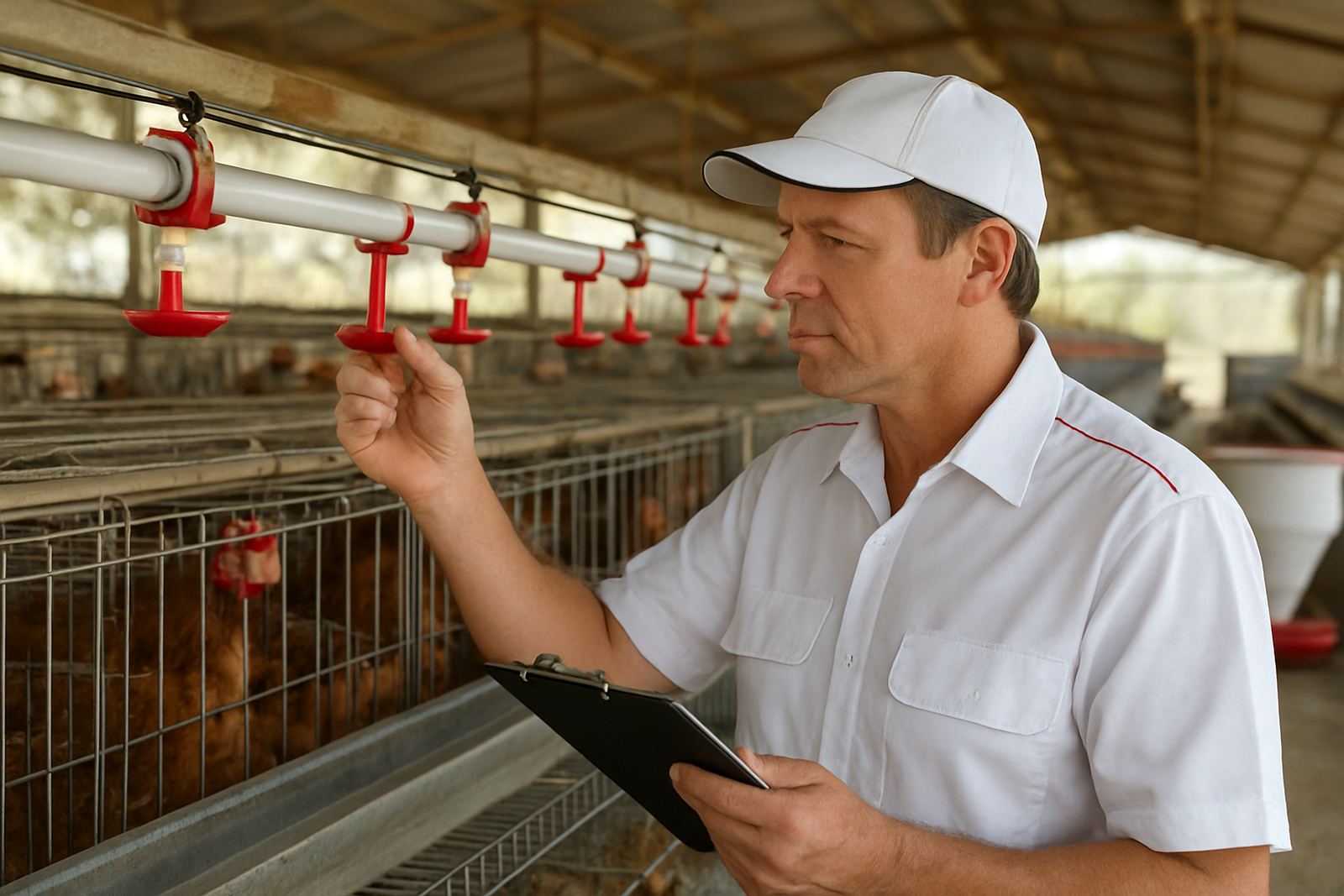
The laying facility must be ready before the first crate is loaded. Clean out litter, wash and disinfect the house, then allow enough dry time. Check that drinkers run freely, feeders are at the correct height and lighting works across the full house. In Gauteng and nearby provinces, dusty conditions and load-shedding can quickly affect fans, pumps and controllers, so test backup power and water storage too.
- Flush water lines and check pressure at the end of each line.
- Set feed troughs, pans or chains to the right height for the birds expected.
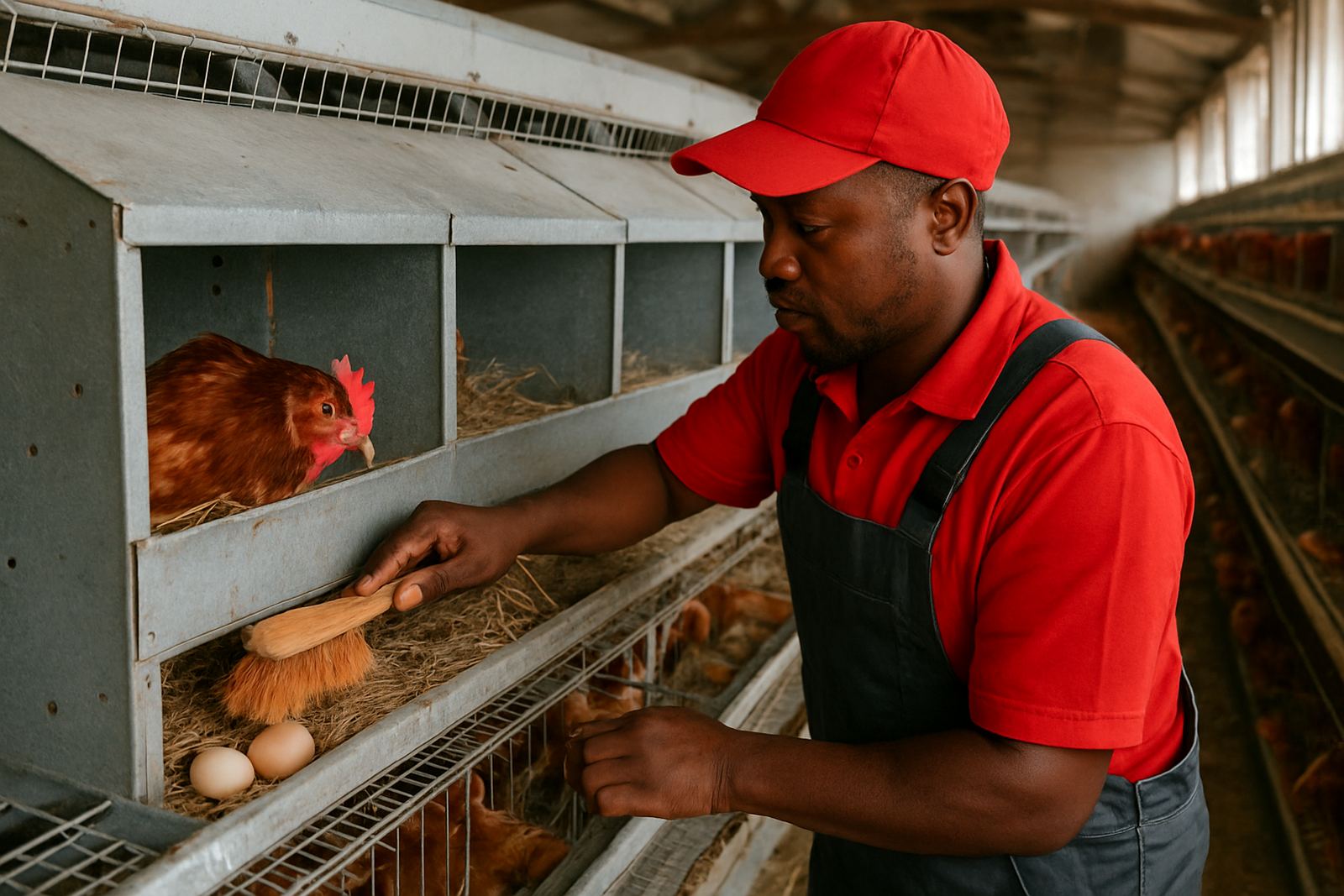
- Confirm nest access, slats, perches and gates are secure.
- Remove sharp edges, loose wire and broken fittings.
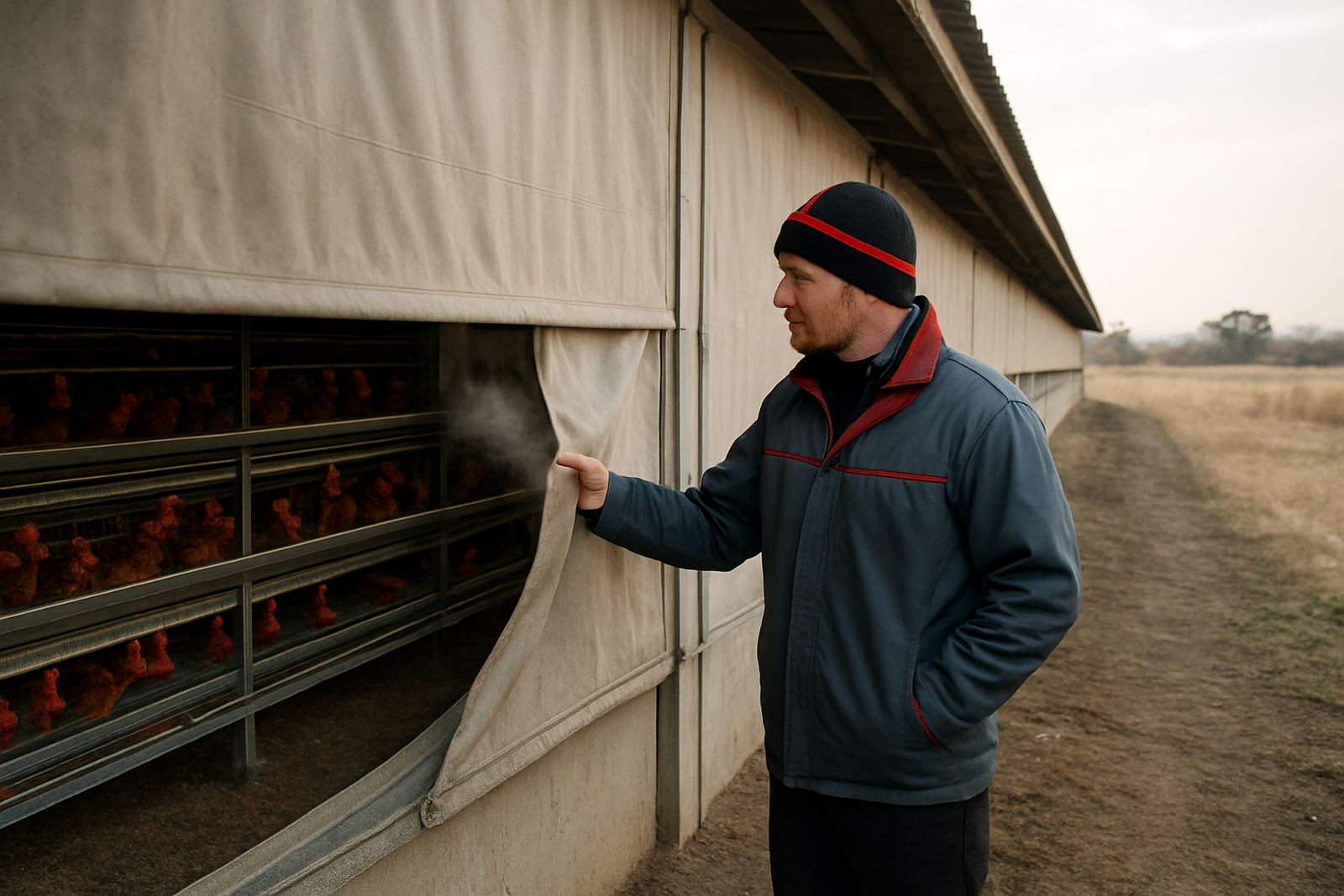
- Check temperature, ventilation and alarm systems before birds come in.
If the house is close to roads, feed sheds or a processing room, plan the transfer route so crates do not pass through dirty areas. That simple step reduces disease risk and cuts down on bird losses.
Build the transfer day schedule around light, heat and distance
In South Africa, transfer timing should match the weather. On hot summer days in Limpopo, North West or KwaZulu-Natal, load early in the morning or late in the afternoon. In cooler months, avoid long waits in open air. Birds held in crates too long can dehydrate fast, especially if the trip covers farms outside town or between provinces.
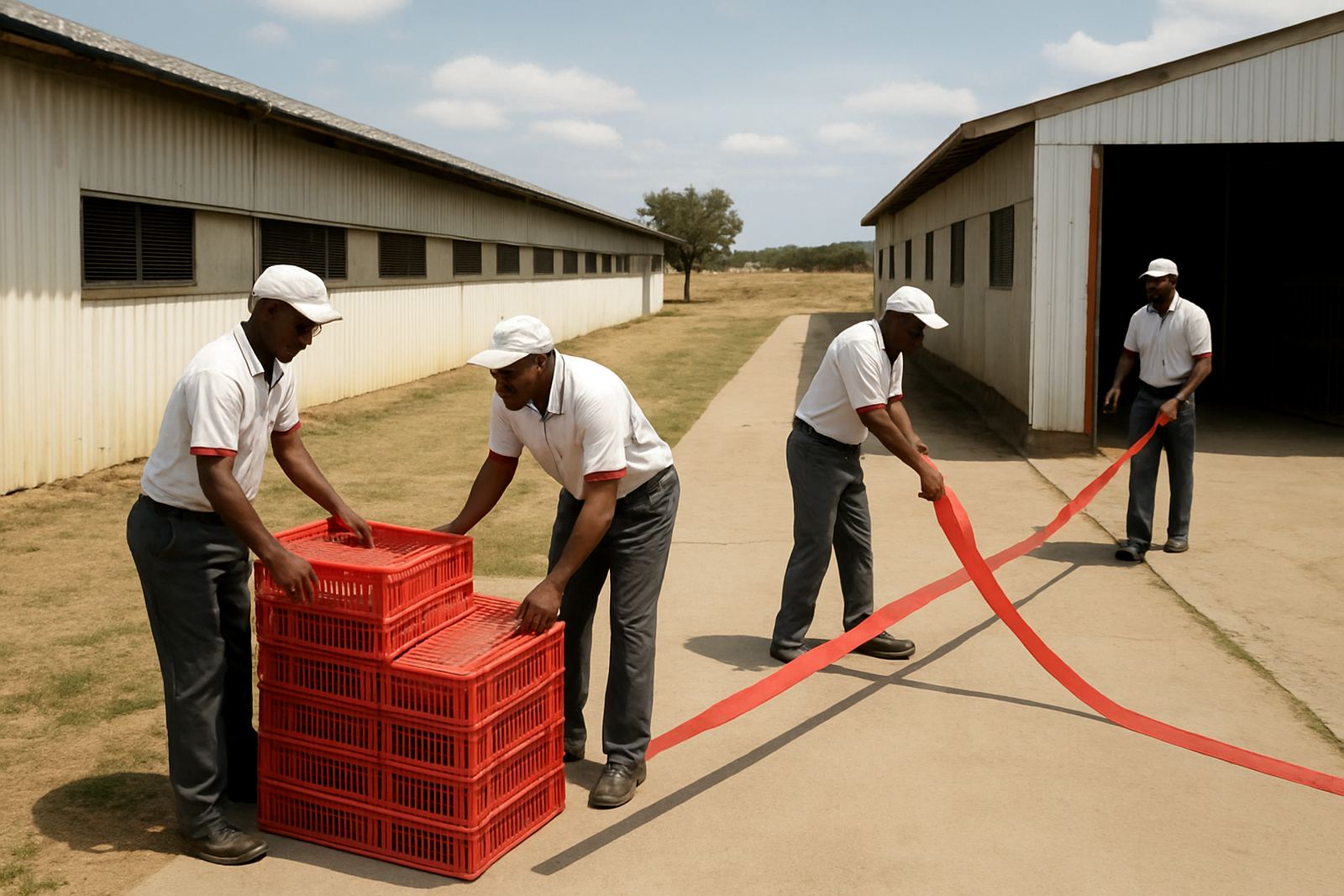
Plan the route, vehicle access and unloading order before staff starts handling birds. Measure gate widths, turn points and loading bay heights. If the laying house is far from the rearing site, agree on one person to control timing and communication. Keep handling calm and steady, with as little noise as possible. When people rush, birds pile up in corners and injuries rise.
- Use clean crates or modules that are dry and intact.
- Keep transport time as short as possible.
- Avoid mixing birds from different houses unless the flock plan allows it.
- Have water, disinfectant and record sheets ready at the receiving house.
- Assign staff for loading, transport, unloading and counting.
Set up feed and water for the first 48 hours
Once the pullets arrive, the first two days matter a great deal. Birds should find water immediately and feed soon after settling. Pre-fill drinker lines, check nipple pressure or cup level, and make sure every section is reachable. Feed should be offered in a way that encourages even intake across the house, not just in one corner.
Use the same feed form, if possible, for the handover period to avoid a sudden drop in intake. A change from crumbs to mash, or the other way around, must be planned with the nutritionist and production manager. Watch crop fill, droppings and bird behaviour after placement. If birds crowd under lights or stay restless, the environment may be too bright, too cold or too warm.
Keep notes on water use, feed use and any bird that fails to settle. Small corrections in the first 48 hours save a lot of trouble later, and they help the flock reach peak lay more evenly.
Use a practical checklist for staff, equipment and records
A good transfer only works when everyone knows their task. The supervisor should brief staff before the move starts and again at unloading. Keep record books or digital logs simple and complete. Count birds, note mortalities, record transport time and capture any equipment issues while they are fresh.
- Confirm flock count and crate count before loading.
- Check house temperature, ventilation and backup power.
- Inspect feeders, drinkers, lines and controllers.
- Prepare first-day feed and water points.
- Record any damaged birds, delays or losses.
- Notify the maintenance team if equipment needs attention.
This is also the time to review spare parts and service support. A blocked nipple line, faulty motor or broken sensor can unsettle birds quickly. Having a maintenance plan in place keeps the transfer running properly and reduces repeat visits to the house.
Plan the handover so the flock settles into lay
Transfer planning is not only about moving birds, it is about setting up production for the next cycle. After placement, observe the flock for seven days and compare intake, behaviour and mortality against the target. If the birds do not settle, check the basics first: water access, lighting hours, house temperature and air movement. In many cases the answer is simple, not a major fault.
As the flock approaches lay, fine tune nest access, feed depth and lighting programme. Keep the same people involved where possible, because familiar hands pick up changes faster. A clear handover between rearing and laying teams helps prevent gaps in feeding, vaccination records or equipment settings. Done well, the transfer is calm, measurable and much easier to manage.
At John F Marshall, we support poultry projects with site planning, equipment selection, installation supervision, operator training and spares supply. For farms across Gauteng, Mpumalanga, Limpopo, North West, Free State and KwaZulu-Natal, that practical support helps turn a transfer plan into a working routine.