Start With The Same Checks At The Same Time Each Day
Pick a fixed time and follow the same route through the house, every day. Morning checks are usually best because you can catch overnight feed interruptions, drinker leaks, heater faults and any changes in bird behaviour before the day gets too hot. If you run several houses in Gauteng, Mpumalanga or the Free State, keep the route order the same so the records are comparable from house to house.
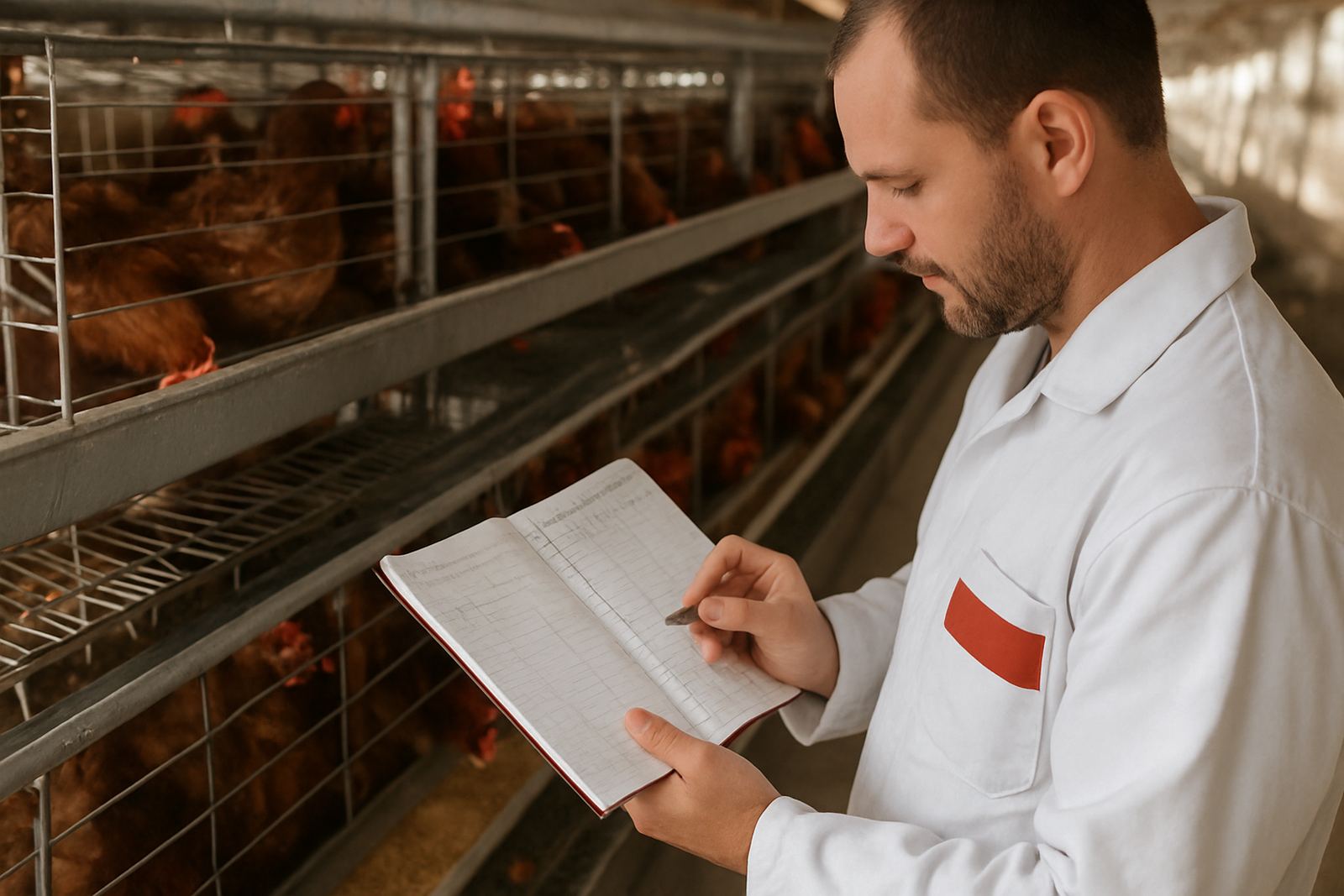
Record the date, house number, flock age, bird count, and the person doing the inspection. Then note weather conditions inside and outside the house, including heat, humidity and strong wind if it affects side curtains or natural ventilation. If you use fans, brooders or alarms, write down whether they started and stopped normally. It sounds simple, but this is often where the first warning sign appears.
- House temperature at bird level
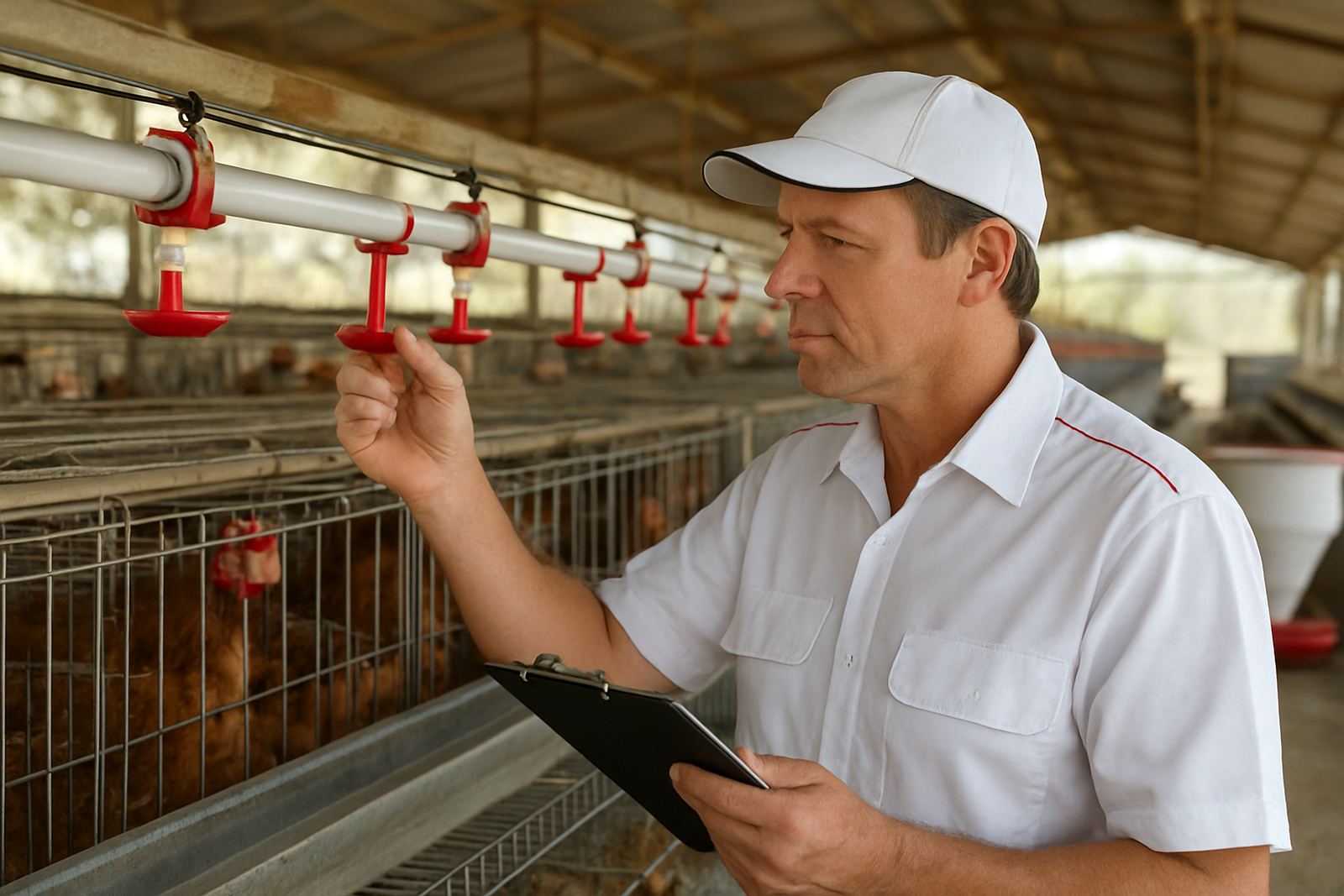
- Water pressure and drinker line condition
- Feed in bins, pans or troughs
- Light schedule and any outages
- Dead birds, culls and obvious injuries
Record Feed And Water Use Before You Guess At Growth
Feed and water numbers tell you a lot about flock health. If feed intake drops but water use stays normal, or water use jumps without a matching rise in feed, something is off. It may be a blocked feeder, a leaking nipple line, poor ration flow or birds under heat stress. In summer, especially in Limpopo and KwaZulu-Natal, hot afternoons can hide a problem until the next morning, so daily figures matter.
Use the same units every day, and if possible note the amount per house and per 1 000 birds. That makes it easier to compare houses of different sizes. Where feed is stored in bins, log the bin level before and after delivery. Where drinkers are on line systems, check for wet litter, drips at line ends and pressure changes. The goal is not just to collect numbers, but to see a pattern early enough to correct it.
- Feed delivered, used and remaining
- Water meter reading or tank level
- Spills, blockages or caked feed
- Wet patches under drinkers
- Any change in bird crop fill or activity
Use Equipment Checks To Explain Bird Behaviour
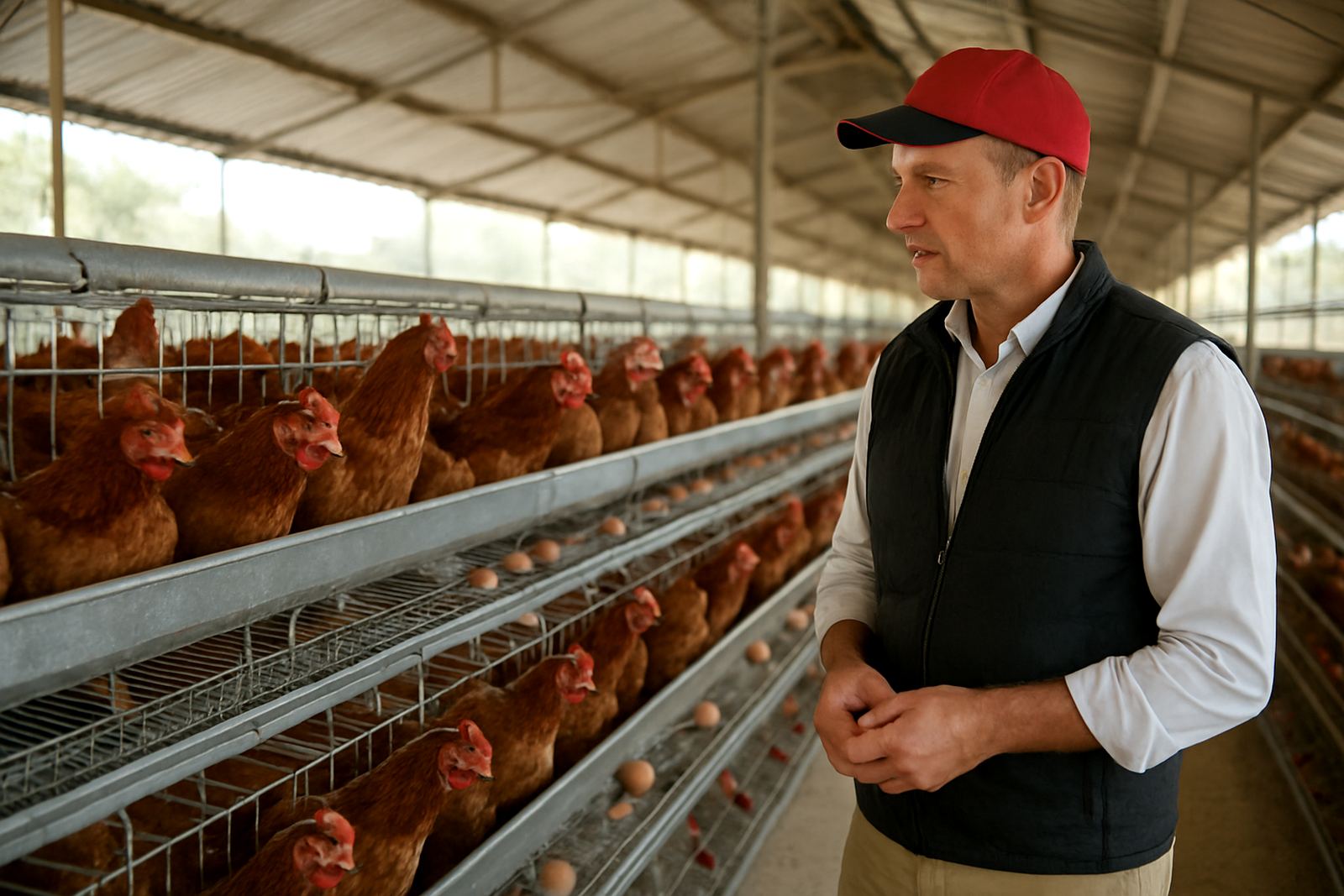
Birds usually show equipment trouble before people do. If birds crowd under a brooder, it may point to cold spots, drafts or uneven heat. If they spread too far from a heat source, the brooder may be too hot or the house ventilation may be pulling air in the wrong place. In laying houses, uneven egg production across rows can point to light differences, feeder access issues or drinker height that has drifted out of setting.
When you record these signs daily, do not write only “birds looked fine”. Note where they were active, where they were standing, and whether they were eating evenly. On cage systems, check that feed is reaching the full length of the line and that drinkers are delivering the same flow on both ends. In older houses around North West and the Free State, dust build-up and worn parts can cause small variations that add up quickly.
- Bird distribution in the house
- Feed line travel and delivery consistency
- Drinker height and flow at the end points
- Brooder or heater output
- Fan, curtain or inlet operation
Keep A Clear Mortality, Culls And Health Log
Mortality records should be brief but specific. Write down the number of dead birds, culls, the suspected cause if known, and where in the house they were found. If you are seeing the same problem in the same section of the house, that is useful information for layout and equipment checks. A spike in deaths after a power cut, for example, may point to a backup issue rather than a feed problem.
Also note vet treatments, vaccines, water additives and any withdrawal periods. This helps with planning and reduces confusion during catching, movement to processing, or dispatch to an abattoir. If mortality rises, compare it with feed, water, temperature and equipment alarms from the same day. The pattern is often clearer than one figure on its own. Small notes matter, even if the house was otherwise normal.
- Dead birds and culls by house
- Likely cause or signs seen
- Treatments, vaccines and dates
- Withdrawal status where relevant
- Power interruptions or alarm events
Make Repairs Traceable Before The Issue Repeats
Daily records are only useful if action follows them. When you fix a blocked nipple, replace a worn feed auger part or adjust a brooder setting, write it down with the date and who did the work. This creates a simple history that shows whether the same fault keeps returning. In poultry projects across Gauteng and Mpumalanga, we often find that one repeated breakdown costs more than a full service would have cost in the first place.
Keep a separate note for any part ordered, the expected arrival date and the house affected. That helps with planning when spares are coming from Jet Park or another local supply point. If you are running houses through load-shedding or a weak municipal supply, log generator use, switch-over problems and any alarm reset. Those details help explain why one house performed better than another.
If a repair is only temporary, say so. A clear note today saves a long argument later when production drops and nobody can remember what happened.
Turn The Daily Sheet Into A Weekly Decision Tool
A daily record sheet should not sit in a folder and collect dust. Review it weekly with the manager, technician or person responsible for the house. Look for repeated feed shortfalls, water pressure changes, temperature swings or a pattern of higher mortality on the same side of the house. Then decide what gets fixed, adjusted or monitored more closely next week.
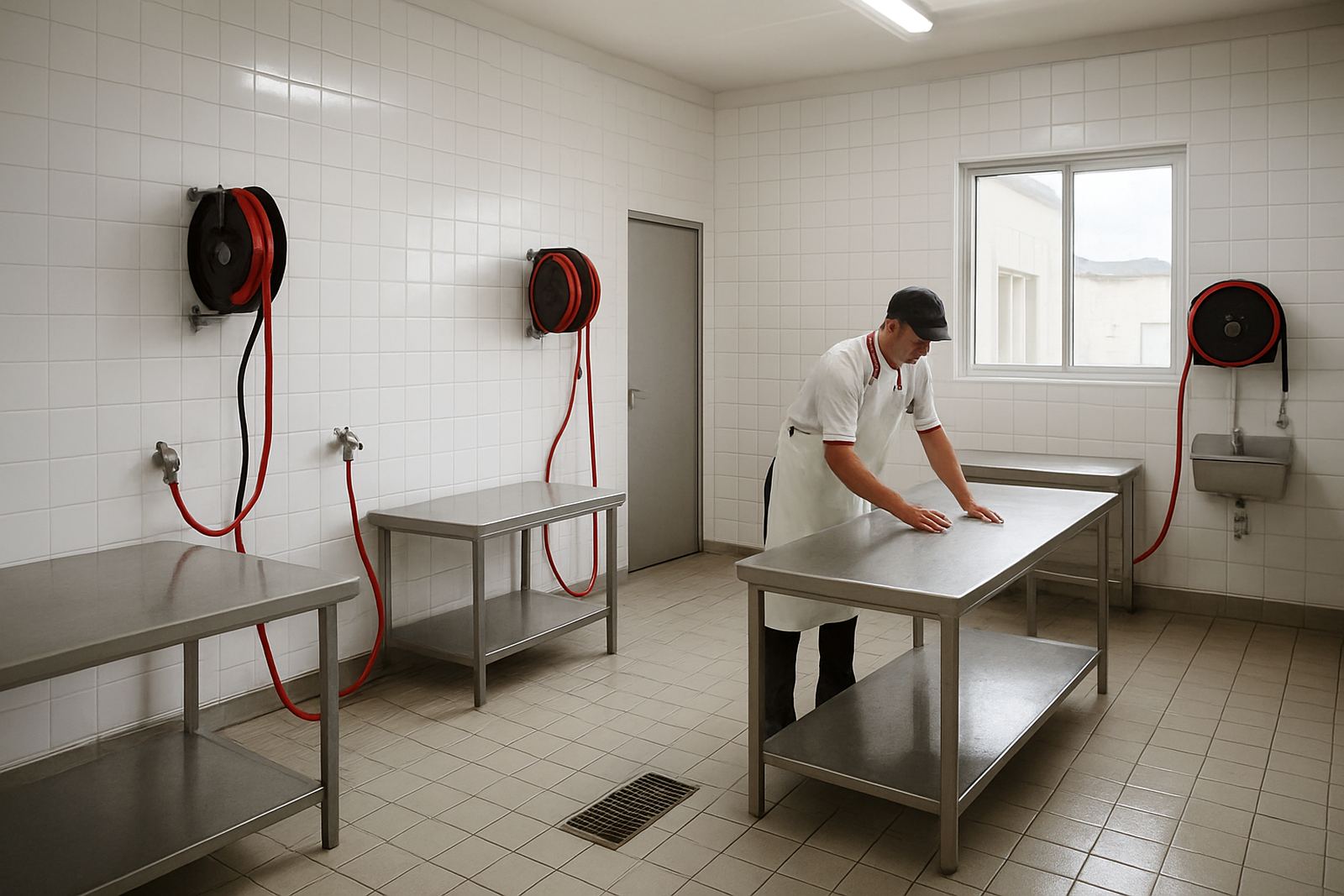
For new projects, it helps to build the sheet around the equipment already in use, whether that is laying-hen cages, incubators, brooders, feeders, drinkers or processing-room equipment. Keep the format plain so the team will actually use it. A good daily sheet is short enough to finish in a few minutes, but detailed enough to explain why a flock did well or missed target. That is the point of recording every day, not after the problem has already spread.
- Compare houses on the same flock age
- Flag repeated faults and slow repairs
- Link equipment changes to production changes
- Keep one standard sheet across all sites
- File signed sheets for traceability