Start with a quick walk at bird level
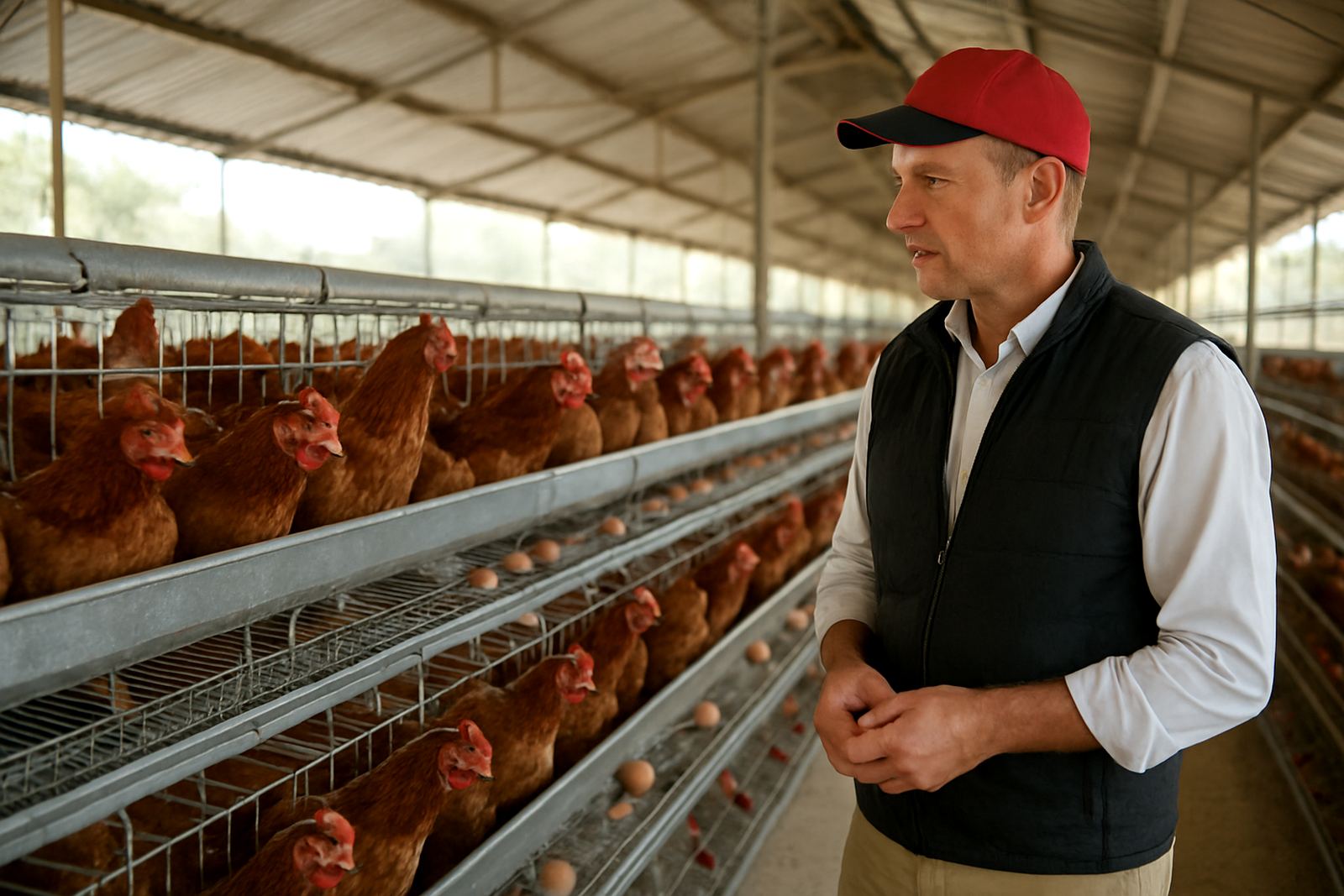
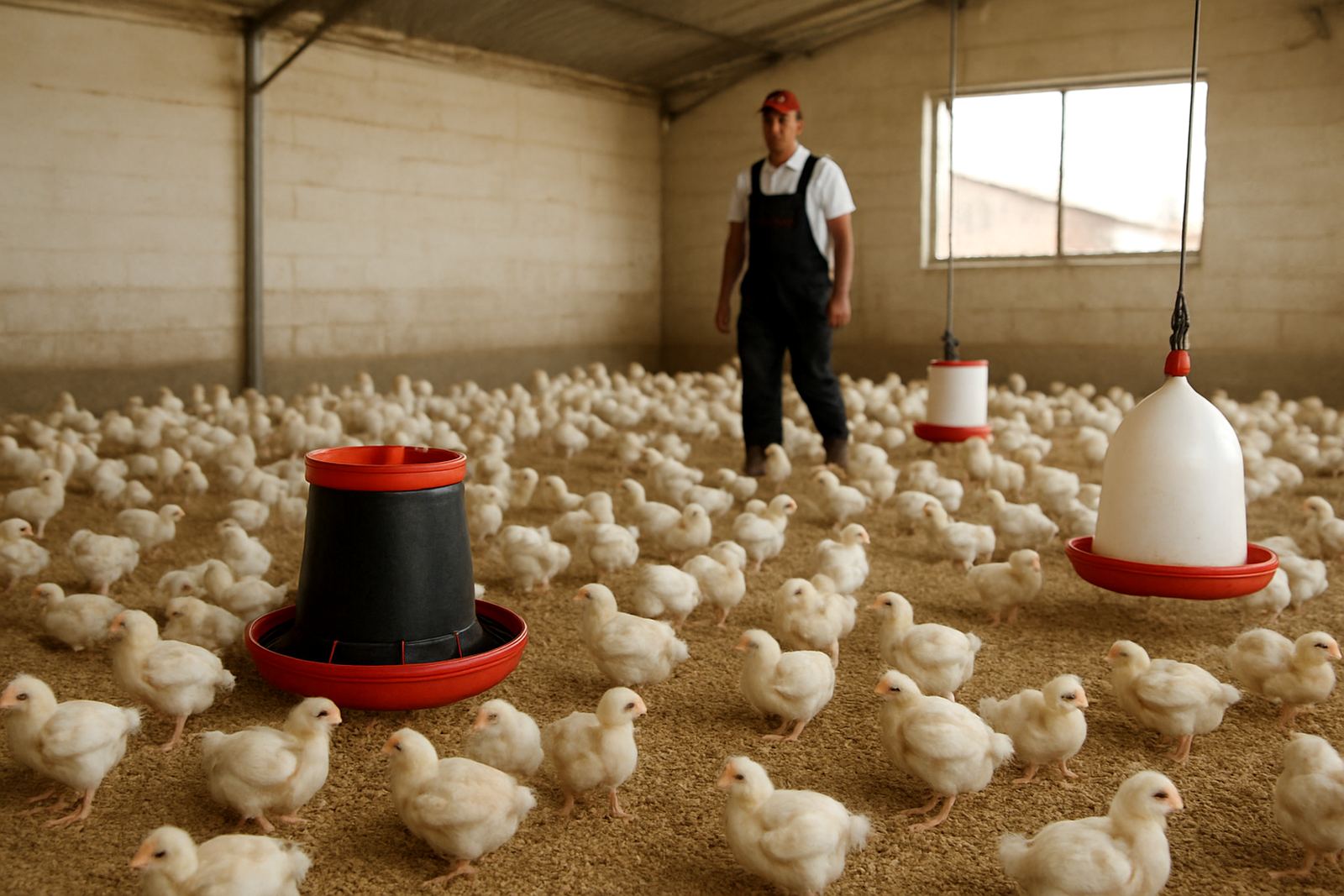
Walk the house slowly before the main feeding round or first full inspection. Do not rely only on looking at the header tank, pump room or controller panel. The real clues are usually at bird level, where you can hear drips, see wet patches and pick up on birds that are standing back from the line.
In a South African poultry house, conditions change fast. A hot afternoon in Limpopo, a damp morning near the coast or a power cut in Gauteng can all affect water delivery. That is why the first check should always be visual and practical. Look for birds with empty crops, birds pecking at nipples too long, and any line that sounds irregular as you walk past.
- Check for wet litter under the line.
- Listen for constant dripping or air in the line.
- Look for birds gathering at one section only.
- Note any lifted, sagging or bumped pipe sections.
Confirm pressure, flow and line height
Water pressure must suit the age of the birds and the type of drinker fitted. Too much pressure causes dripping and wet litter. Too little pressure leaves birds working too hard, especially during heat stress or after a vaccine application. If the house has a gauge, record the reading at the same time each day so you can spot changes quickly.
Line height also matters. A line set too low gets dirty and can be damaged by birds. A line set too high makes access difficult and can reduce intake. As a rule, the drinkers should be at a height where birds can reach them without stretching fully, but are not banging the nipples every time they move through the house.
- Check that the pressure setting matches bird age.
- Make sure all sections of the house are receiving the same flow.
- Adjust line height in small steps only.
- After adjustment, watch the birds for 10 to 15 minutes.
Flush the line when the water looks or smells off
If the water smells stale, feels warm or carries visible dirt, flush the line before the flock gets a bad intake pattern. This is especially important after maintenance work, tank cleaning, power interruption or long idle periods. Stagnant water can build up inside hoses and lines faster than many growers expect, especially during hot weather.
When flushing, watch the first water that comes through. A small amount of sediment, rust colour or cloudy water at the start can tell you where the problem is. If the water does not clear after a sensible flush, check filters, strainers, valves and any section that may have trapped air. Keep a record of which line needed flushing and how much water ran through before it cleared.
- Flush after any outage or repair.
- Check for sediment in the first litre or two.
- Inspect filters and strainers every day.
- Use clean containers if you collect a sample.
Inspect nipples, cups and fittings for leaks or blockages
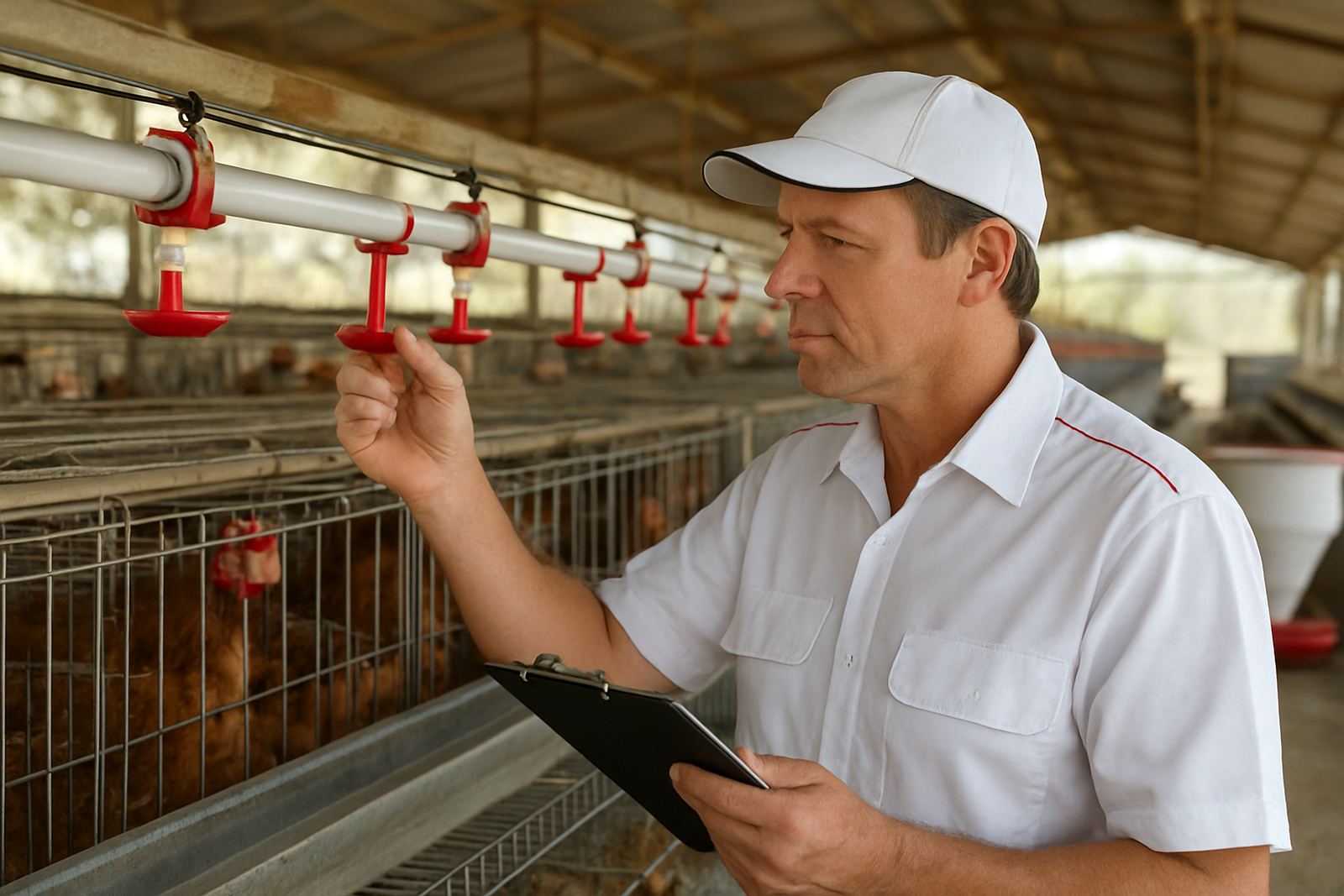
Every drinker point should give a clean, controlled release of water. A blocked nipple leaves birds frustrated and pushes them to the nearest working point. A leaking nipple or cracked cup wastes water and soaks litter. Over time that can lead to ammonia, footpad problems and poor house conditions, so small faults should be sorted quickly.
Work along the line and test a few drinkers in each section. If one point is slow, remove any build-up around the tip and check for air locks or damaged springs. If a cup is present, make sure it drains properly and is not holding dirty water. A small fault left for three days can become a bigger problem by the weekend, especially in large houses.
- Test several points in each section, not only one.
- Look for drips after the bird stops drinking.
- Check seals, end caps and joiners.
- Replace worn parts before they fail completely.
Watch water use against bird behaviour
Bird behaviour will tell you a lot. If intake drops, the flock may be too cool, too hot, stressed or facing a supply problem. If intake climbs sharply, check for leaks, hot conditions or a change in feed. Good operators keep a simple daily note of water use and compare it with feed intake and house temperature.
Do not wait for a major drop before acting. A small change in drinking pattern can show up before birds look weak. This is why a daily waterline routine should be linked to the rest of the house checks. In a well-run shed, water, feed, ventilation and light all work together. If one moves off target, the others usually follow.
- Compare today’s water use with yesterday’s.
- Check for sudden rises after hot weather.
- Record any section with lower intake.
- Link water checks to temperature and ventilation notes.
Keep a short fault log and act on repeated issues
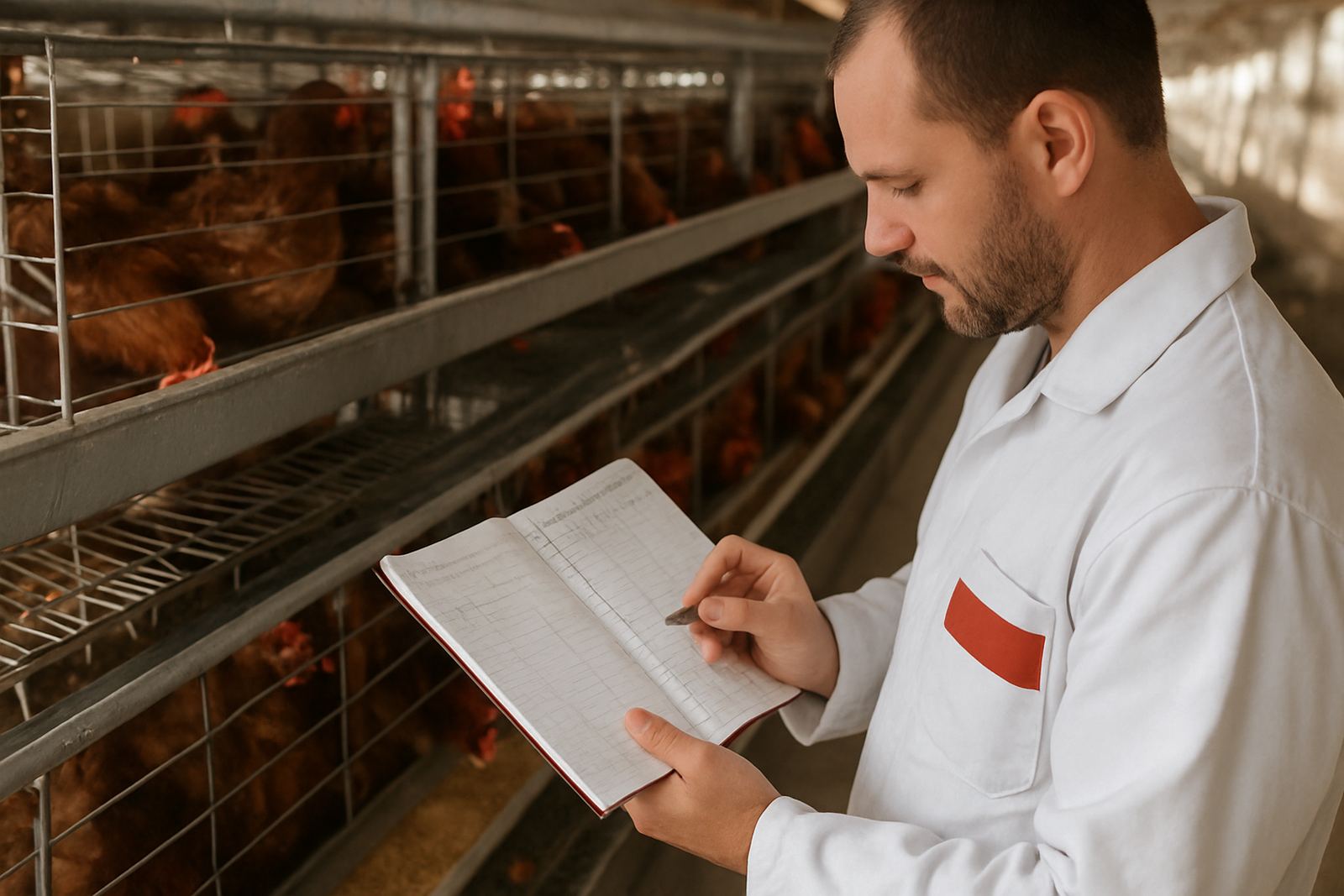
Simple notes are often enough. You do not need a long report, but you do need a clear record of what was checked, what was corrected and what keeps coming back. If one line blocks every week or one valve keeps leaking, that pattern matters. It may point to poor filtration, pressure imbalance, water quality issues or worn fittings that need planned replacement.
For poultry projects in Gauteng, Mpumalanga, Limpopo, North West, Free State and KwaZulu-Natal, the best maintenance programme is the one that fits the farm’s routine and local water conditions. A borehole, municipal supply or storage tank each behaves differently. Keep spare seals, filters and key fittings on hand so minor issues can be fixed before they affect the flock.
- Record the date, house number and fault found.
- Note the action taken and who signed it off.
- Flag repeat faults for maintenance follow up.
- Keep spares where staff can reach them quickly.