What normal flock behaviour looks like in hot weather
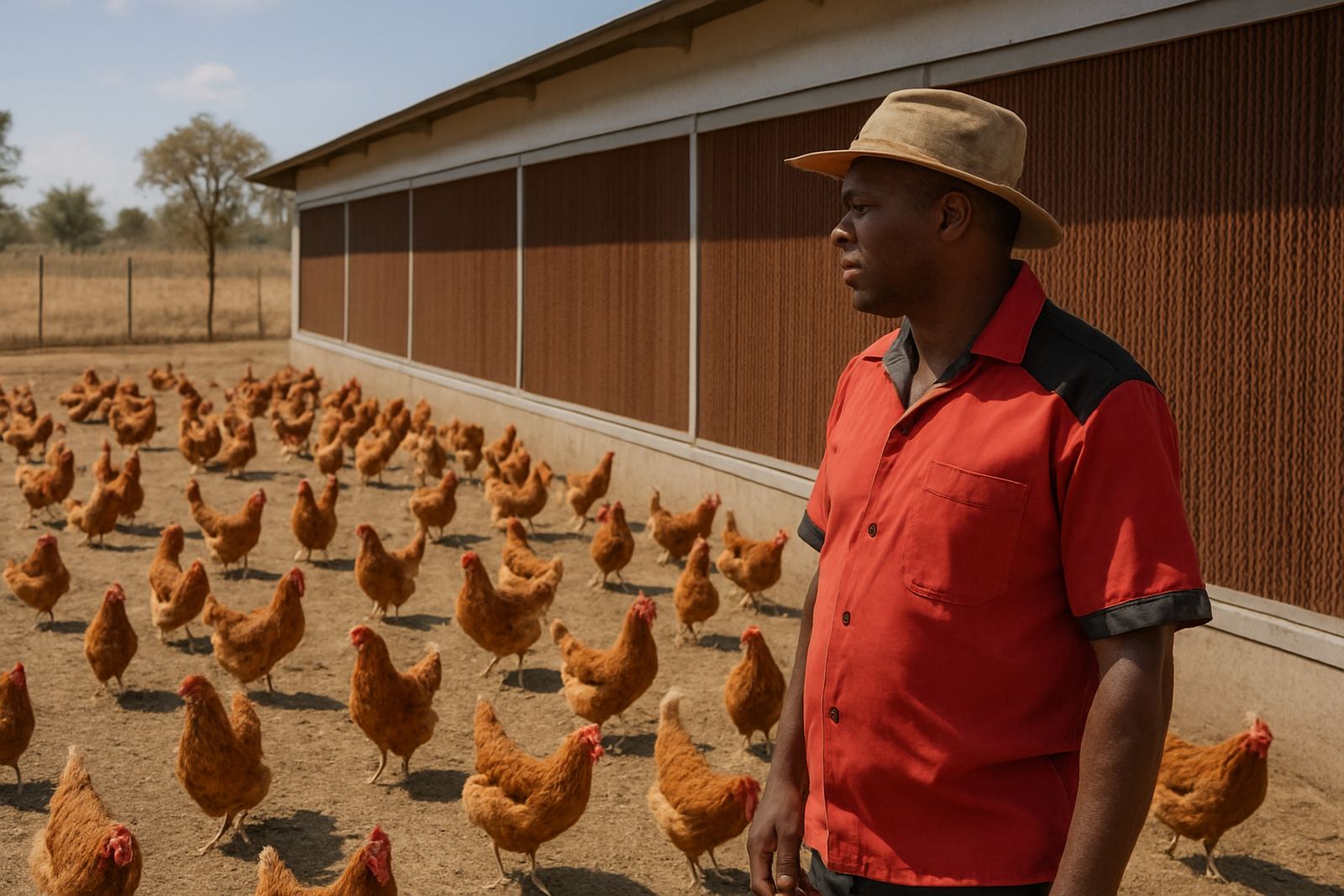
In summer, birds should still spread through the house, drink steadily, and settle without crowding. You will usually see a bit more panting during the hottest part of the day, but it should ease once the temperature drops or the cooling system starts pulling the house back into range.
Watch the flock as a group, not only a few birds near the front. If the whole house is active but calm, feed intake is holding and birds move away from heat pockets, the system is probably doing its job. When you start seeing birds change position every few minutes, sit with wings away from the body, or bunch under water lines, something needs checking.
- Birds spread evenly across the house floor
- Steady drinking with no long queues at drinkers
- Moderate panting only during peak heat
- Even feed access and no trampling at the feeders
Early warning signs that fans and pads need attention
Cooling systems can look fine from the outside while performance drops inside the house. A blocked pad, weak fan belt, dirty guards or a timer fault can reduce air movement enough to stress the flock before you hear any alarm. Listen for changes in the sound of the house. A fan that sounds different, or one that has started cycling irregularly, should be checked straight away.
Look for birds that are opening beaks earlier than usual in the afternoon, standing instead of lying down, or moving to the coolest corners. If only one end of the house seems busy and the other side is quiet, airflow may be uneven. On very hot days, a small fault becomes a big problem quickly, so do not wait until the birds are visibly struggling.
- Uneven flock distribution along the house length
- More panting than usual before midday
- Birds avoiding a section near warm air or dead spots
- Water use rising but feed intake falling
- Fans running, but the house still feels heavy and still
House checks to do before the heat peaks
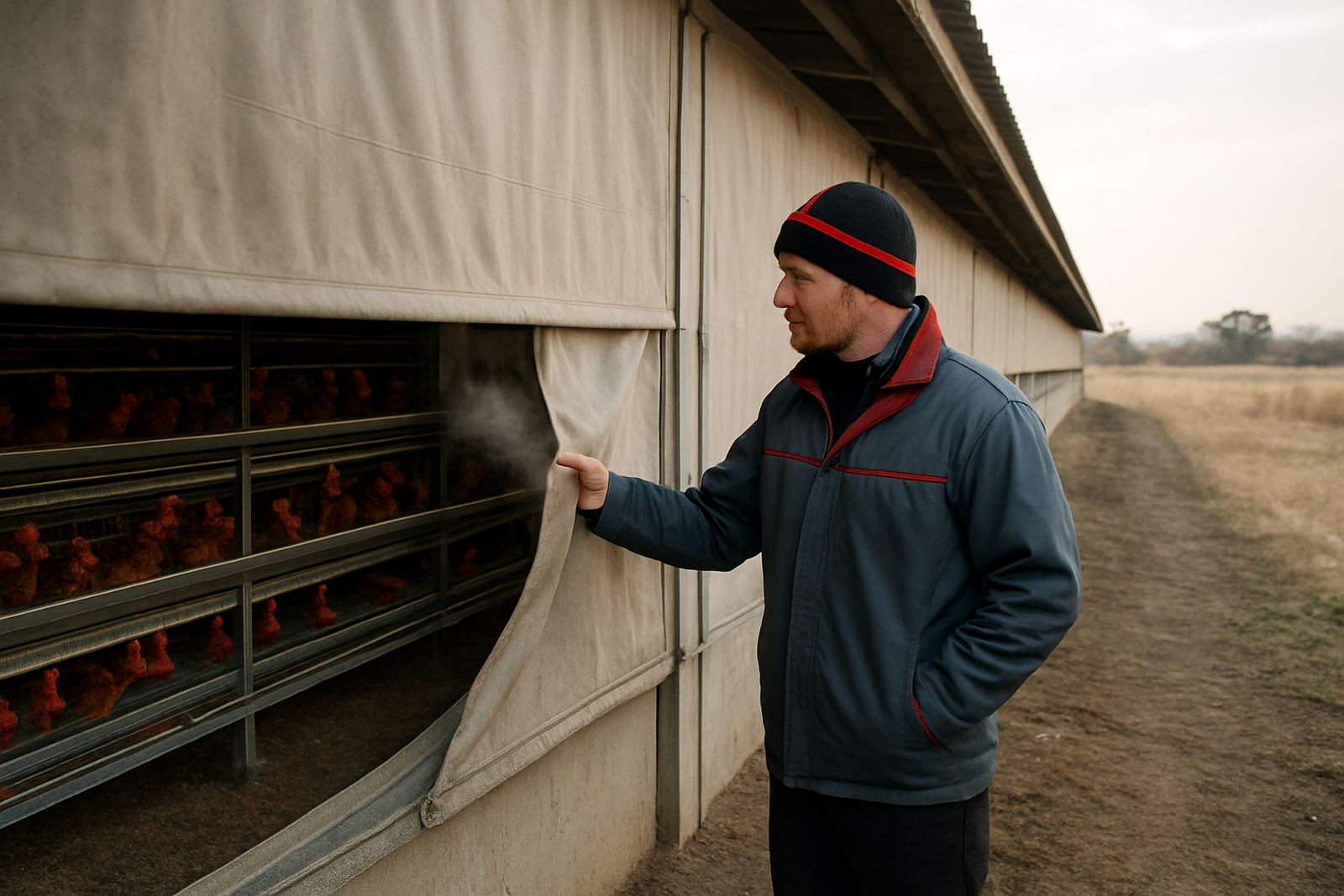
Start your checks early, before the hottest part of the day. Walk the outside and the inside of the house and look at the full system, not just the obvious parts. Make sure pads are wet across the full face, water is reaching all sections, and there is no dry patch at the top or bottom. Check that inlet doors, side curtains and gaps are closing as they should so hot air is not entering where it shouldnt.
Inspect fan belts, shutters, motor housing and power supply. A loose belt or dirty shutter can cut airflow enough to upset the flock. If you are on municipal power and backup power is part of the plan, confirm the changeover is working and that load-shedding settings are correct. In coastal humidity or dusty inland conditions, pads and fan components need more frequent cleaning than many people expect.
- Pads wet evenly from top to bottom
- No leaks, blocked nozzles or dry corners
- Fans starting cleanly and drawing air properly
- Shutters opening fully and closing after switch-off
- Backup power tested and fuel levels confirmed
Bird signals that point to heat stress
Birds give clear signals when the house is too warm, but those signals are easy to miss if you only look from the passage. Watch posture first. A bird under heat stress may stand with wings lifted away from the body, breathe fast, and stop moving to feed. In more serious cases you will see open-mouth panting, drooping wings and a dull response when you walk through.
Also watch droppings and litter condition. Wet litter near drinkers can mean birds are drinking hard, or it can show the system is not balancing air and moisture properly. If the flock is pushing water intake up but bodyweight gain is slipping, check the full environment, not only the drinking line. Small changes in colour of combs, skin tone and eye alertness tell you a lot if you look every day.
- Fast breathing and open-mouth panting
- Wings held away from the body
- Birds avoiding movement and feed space
- Dull eyes, slower response to handling
- Wet patches in litter around drinkers or pads
How to respond when the house starts running hot
If the flock begins to show stress, act at once. First confirm that all fans are operating and that the cooling pads are fully supplied with water. Then check for blocked inlets or any obstruction that is stopping air from moving through the house. Do not make several large changes at once, because you need to see which adjustment is actually helping.
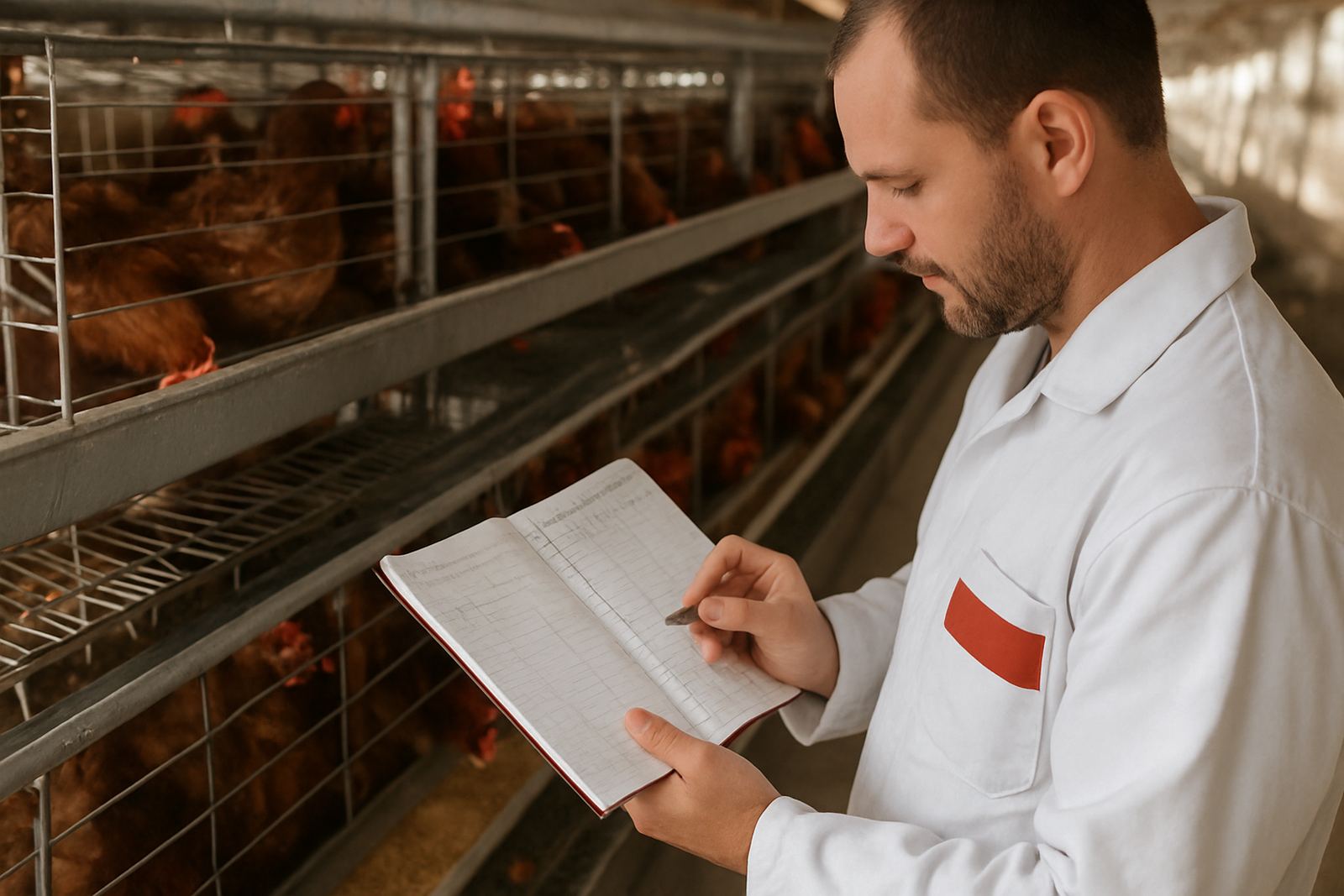
Reduce extra heat load where you can. Avoid unnecessary movement in the house during peak heat, keep doors shut, and limit handling until the temperature drops. If birds are close to the limit, check drinker pressure and give clear access to water lines so they can recover. This is also the time to log what happened, including outside temperature, fan status and flock behaviour, so the same issue can be tracked on the next hot spell. A simple note book helps more than people think.
Daily summer checklist for house staff
A short routine done every day is better than a long fix done after trouble starts. Use the same walk pattern each time so you notice change quickly. Morning checks should confirm the system is ready before heat rises, then midday checks should confirm the flock is coping, not only that the equipment is switched on.
Keep the checklist simple enough for every supervisor and night team member to follow. If there is a repeat fault, report it immediately rather than waiting for maintenance day. In poultry, delay costs birds and money, and you only need one missed hot afternoon to feel it.
- Check bird spread and panting level
- Confirm all fans and pumps are running
- Inspect pads for dry sections and algae build-up
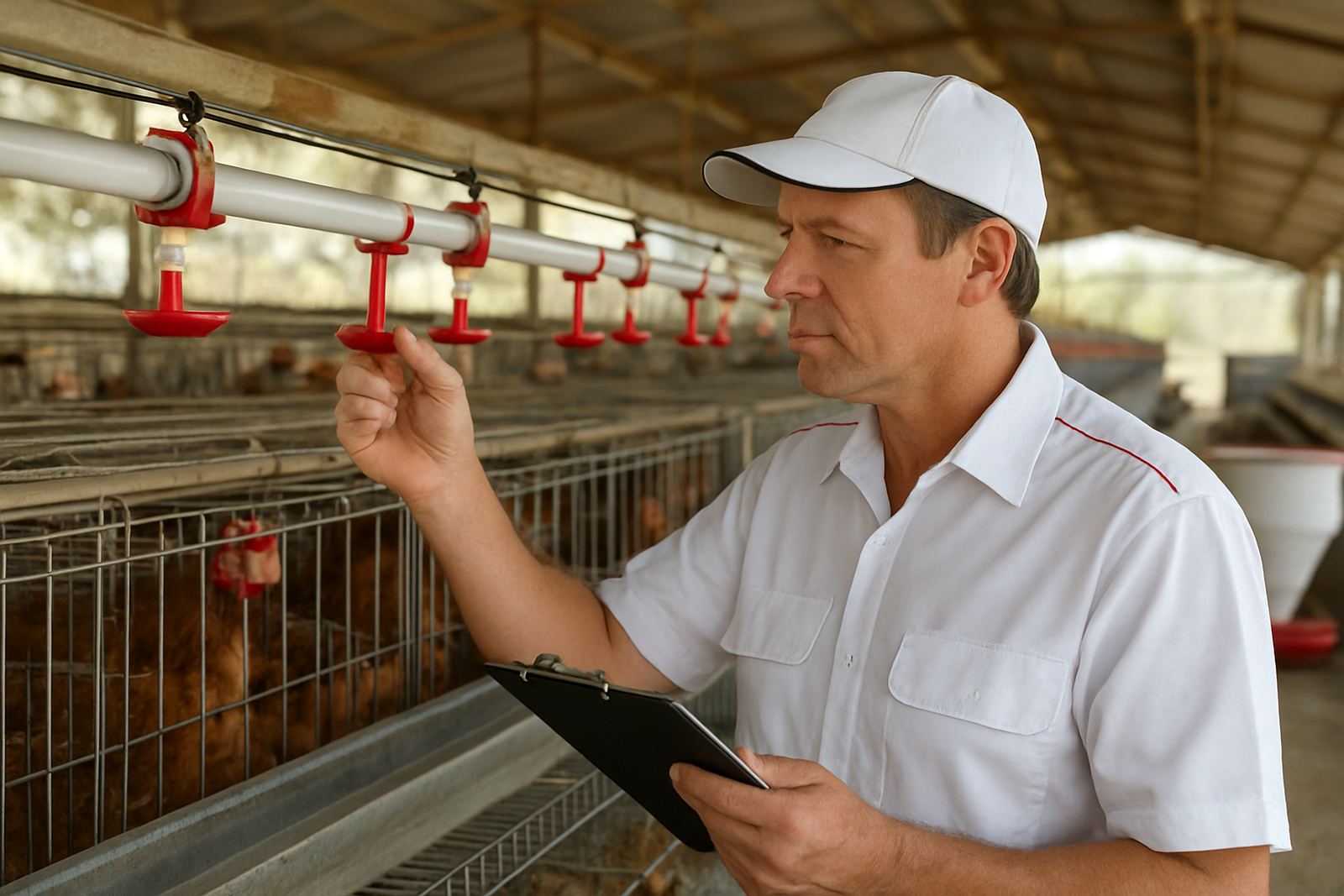
- Test water flow at the drinker line ends
- Check alarm, generator or backup supply status
- Record any dead birds, wet litter patches or abnormal noise
For houses in Gauteng, Mpumalanga, Limpopo, North West, Free State and KwaZulu-Natal, summer conditions vary a lot from area to area. The best habit is still the same: walk the house, watch the birds, and fix the small fault before it becomes a flock problem.