Routine spares that keep daily work going
When a feeder line stops, a nipple leaks, or a heater element fails, the whole house feels it fast. Our spares supply service is built around the parts that wear out in normal operation, so your team can swap components before small faults become bird stress, feed loss, or downtime. We work from our Jet Park, Boksburg base and supply farms in Gauteng, Mpumalanga, Limpopo, North West, Free State and KwaZulu-Natal.
We carry and source routine wear parts for laying-hen cages, brooder systems, incubators, feeders, drinkers and abattoir equipment. That includes line components, fixings, control items, moving parts and consumables used in day to day cleaning and servicing. In humid coastal areas, extra corrosion protection matters, while inland sites often need parts that handle dust, heat and load-shedding related restarts without constant adjustment.
- Feed trough and auger components
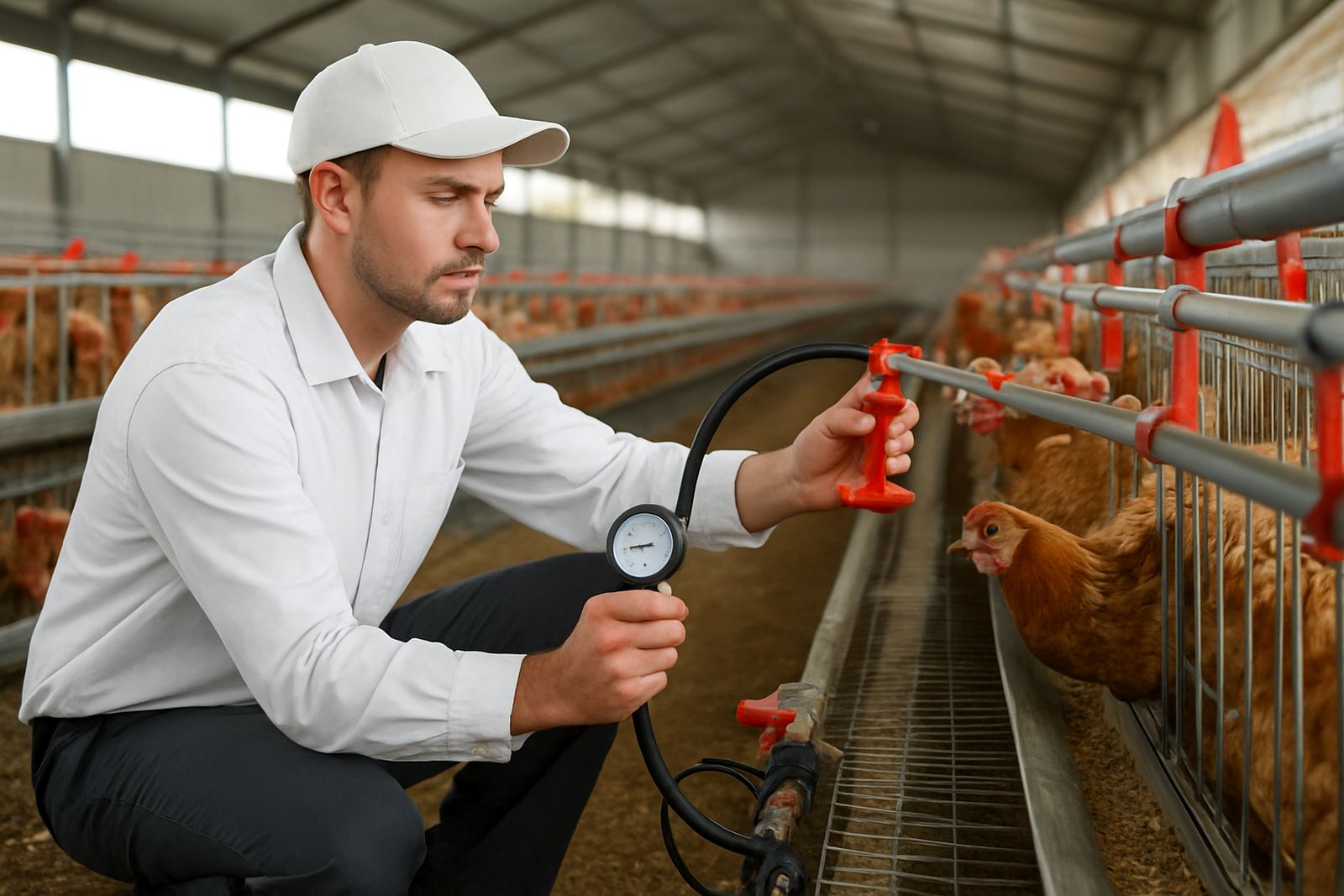
- Drinkers, nipples, valves and regulators
- Heating elements, thermostats and control parts
- Egg collection and cage hardware
- Motors, belts, bearings and pulleys
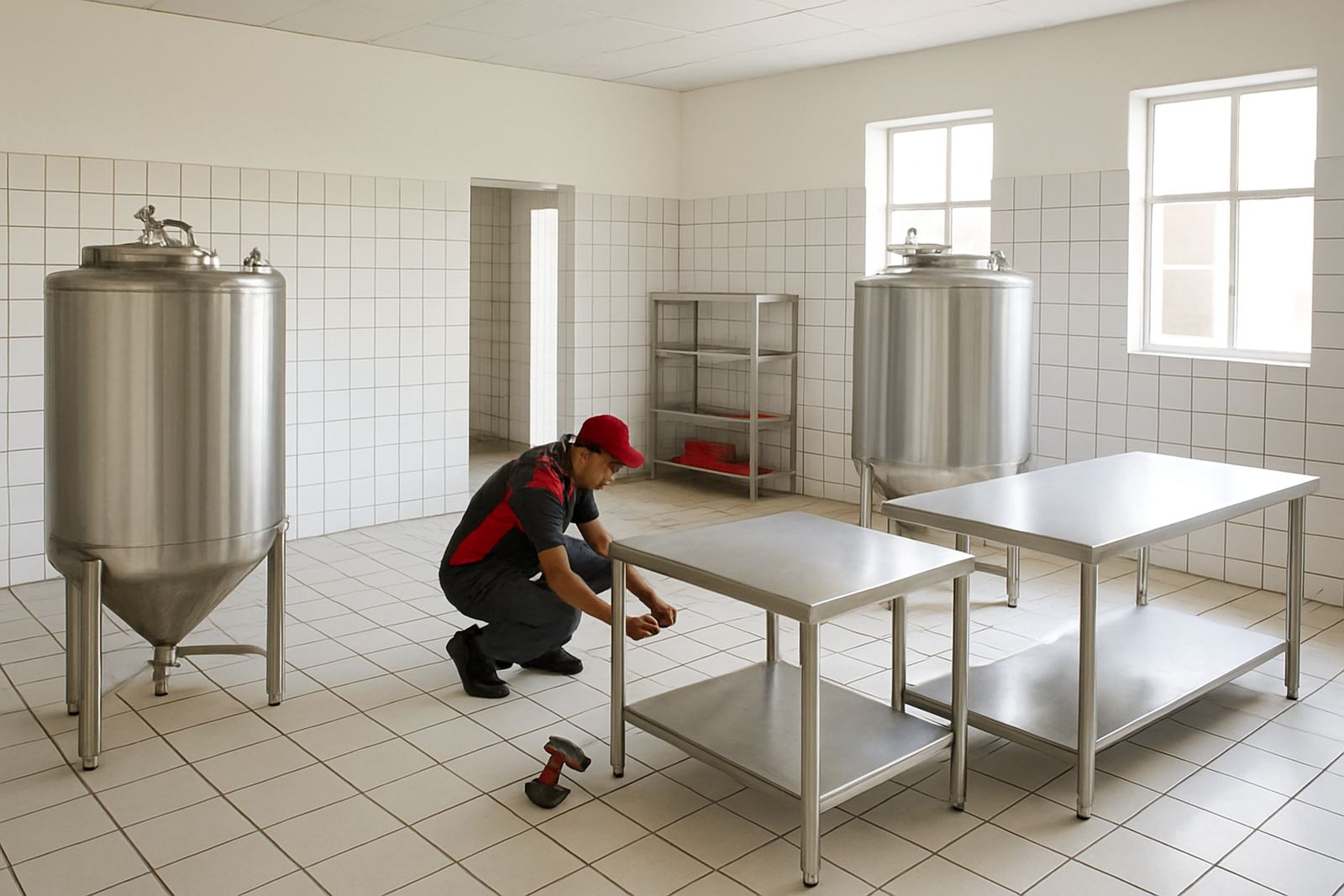
- Washdown, sanitation and processing room fittings
How we identify the right part first time
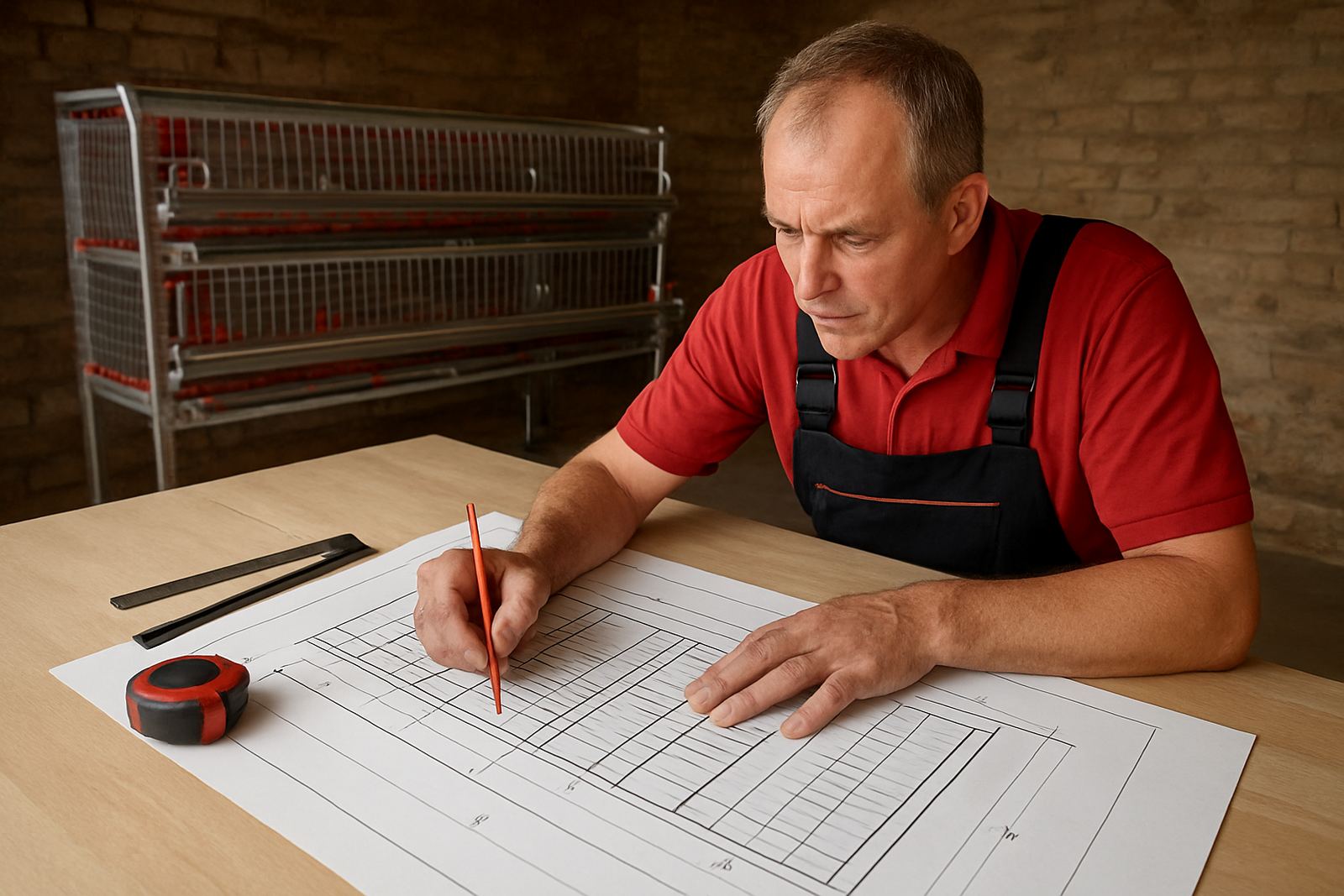
The quickest way to lose time is to order a part by description only and then find it does not fit the machine on site. We start by checking the model, house setup, measurements and, where needed, photographs of the failed component. For older equipment, we compare hole spacing, shaft size, voltage, thread type and material finish before we quote. This matters on farms outside towns like Delmas, Ermelo, Polokwane, Potchefstroom and Richards Bay where travelling back for the wrong part can cost a full day.
Our team works with the farm manager, technician or procurement contact to confirm whether the item is a direct replacement, an upgraded part, or a temporary run-on option. If a line has been modified over time, we flag that early so you do not fit a part that binds, leaks, or trips under normal load. A small check now saves a bigger repair later, especially where municipal water pressure changes or power interruptions make systems work harder than planned.
- Match to equipment type and site layout
- Confirm dimensions, voltage and connection points
- Check compatibility with existing wear items
- Advise on upgrade options if the old part is no longer suitable
Turnaround, ordering and emergency calls
For routine spares, turnaround depends on stock status and where the part is coming from. Common items in our local supply chain can often move quickly, while special components may need longer lead times. We always work with practical timelines and tell you what is available now, what can be dispatched next, and what must be ordered in. If a house is in production, that clarity helps with staffing and bird handling.
Where possible, we consolidate parts for the same site so you do not pay for multiple small deliveries. On urgent requests we help prioritise the items that stop the downtime first, then follow with the secondary pieces once the line is running again. During load-shedding periods, some farms also ask us to stage spares before scheduled maintenance windows, which is often the best way to avoid a stop-start repair.
- Same day response on enquiry and part matching
- Dispatch based on stock, route and courier cut-off times
- Priority handling for breakdown items that stop production
- Consolidated orders to reduce transport cost
Pricing based on usage, volume and site needs
We price spares according to the item spec, quantity, material grade and the urgency of supply. A single replacement nipple is priced differently from a set of cage fittings, a motor component or a group of wear parts for an entire house. If you run multiple sites, we can help you standardise common items so you hold fewer variations on the shelf and buy in better volumes.
For budgets, we recommend planning around the life of the part rather than only the purchase price. A cheaper part that fails early usually costs more in labour, downtime and bird performance. In wet or salty conditions, a better finish or heavier duty component can last longer and reduce repeat callouts. We are direct about what is worth replacing immediately and what can still run for another cycle if monitored carefully.
- Item specific quotes, not guesswork bundles
- Options for single parts, sets and bulk site orders
- Advice on keeping high use items in stock
- Pricing aligned to urgency, transport and spec
Maintenance intervals and stock you should keep on hand
Good spares planning starts with a maintenance rhythm. On poultry farms, high use parts should be checked weekly, while driven components, bearings and control items need closer attention during hotter months and after power interruptions. Drinkers, feeders and heating parts should also be reviewed more often in grow-out houses where bird numbers and dust levels are high. At abattoir areas, washdown and sanitation parts need regular inspection because chemical exposure shortens service life.
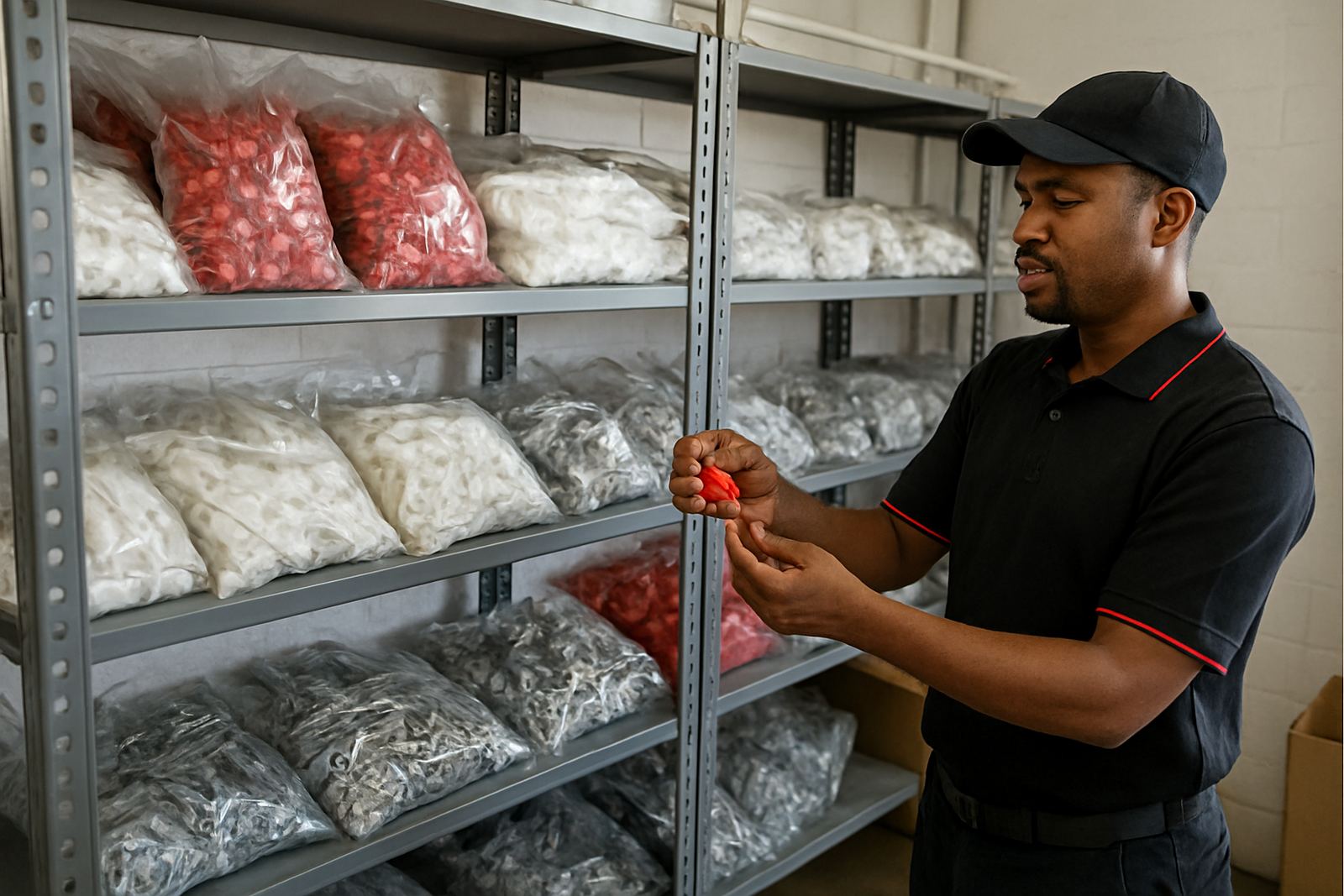
As a rule, we suggest keeping fast moving spares on site in a small lockable store: items that are used monthly or more often, plus one backup for any part that would stop a house or room if it failed. This is especially useful for farms far from major centres or where municipal delays can affect water supply and cleaning schedules. A simple stock list, updated after each issue, keeps the store from filling up with dead parts.
- Weekly checks: drinkers, nipples, feed flow, visible wear
- Monthly checks: motors, belts, switches, seals and fasteners
- Seasonal checks: heating parts, humidity sensitive items and corrosion points
- Hold one critical backup for any part that stops production
From part supply to site support
Spare parts work best when they are part of a bigger maintenance plan. That is why our spares supply service connects with operator training, maintenance programmes and installation supervision. If your staff know how to spot early wear, isolate a faulty section and fit the replacement correctly, the same part lasts longer and the whole line is easier to manage. We can also advise when an old component is worth replacing with a better matched part during an expansion or upgrade.
Our office team includes procurement, technical sales, operations and service support, so the person taking your call can loop in the right support quickly. Whether you are in Boksburg, Witbank, Thohoyandou, Rustenburg, Bethlehem or Pinetown, we aim to keep the process practical: identify, quote, supply, fit and follow up. No fuss, just the parts your farm needs to keep moving.
- Support for fitment and basic troubleshooting
- Advice on storing, labelling and issuing spares
- Link to maintenance plans and expansion work
- Follow-up on repeat wear points and failure patterns
Key facts
| Service scope | Wear parts, line components, consumables and replacement items for poultry and processing equipment |
|---|---|
| Typical parts | Feeders, drinkers, cage hardware, motors, belts, bearings, switches, valves and heating components |
| Areas covered | Gauteng, Mpumalanga, Limpopo, North West, Free State and KwaZulu-Natal |
| Turnaround | Same day response on enquiry, with dispatch dependent on stock and route |
| Pricing method | Quoted per item, set or bulk order, based on spec, quantity and urgency |
| Maintenance note | High use parts checked weekly to monthly, with seasonal review for heat, dust and corrosion |