What commissioning covers on site
Commissioning is more than switching on motors and hoping for the best. It is the stage where we confirm that every cage line, feeder run, drinker line, incubator bank, brooder set and abattoir unit is installed to the right spec, wired correctly and working in the real house or processing area. We check that water pressure, airflow, temperature control and feed delivery match the site plan and the equipment schedule.
For poultry projects, that often means testing controls during a load shedding cycle, checking backup changeover, confirming alarms, and making sure the operator can read the system before stock arrives. In Gauteng, Mpumalanga, Limpopo, North West, Free State and KwaZulu-Natal, dust, humidity and water quality can all change how a unit behaves, so we commission for local conditions, not just factory settings.
- Electrical checks on motors, pumps, panels and sensors
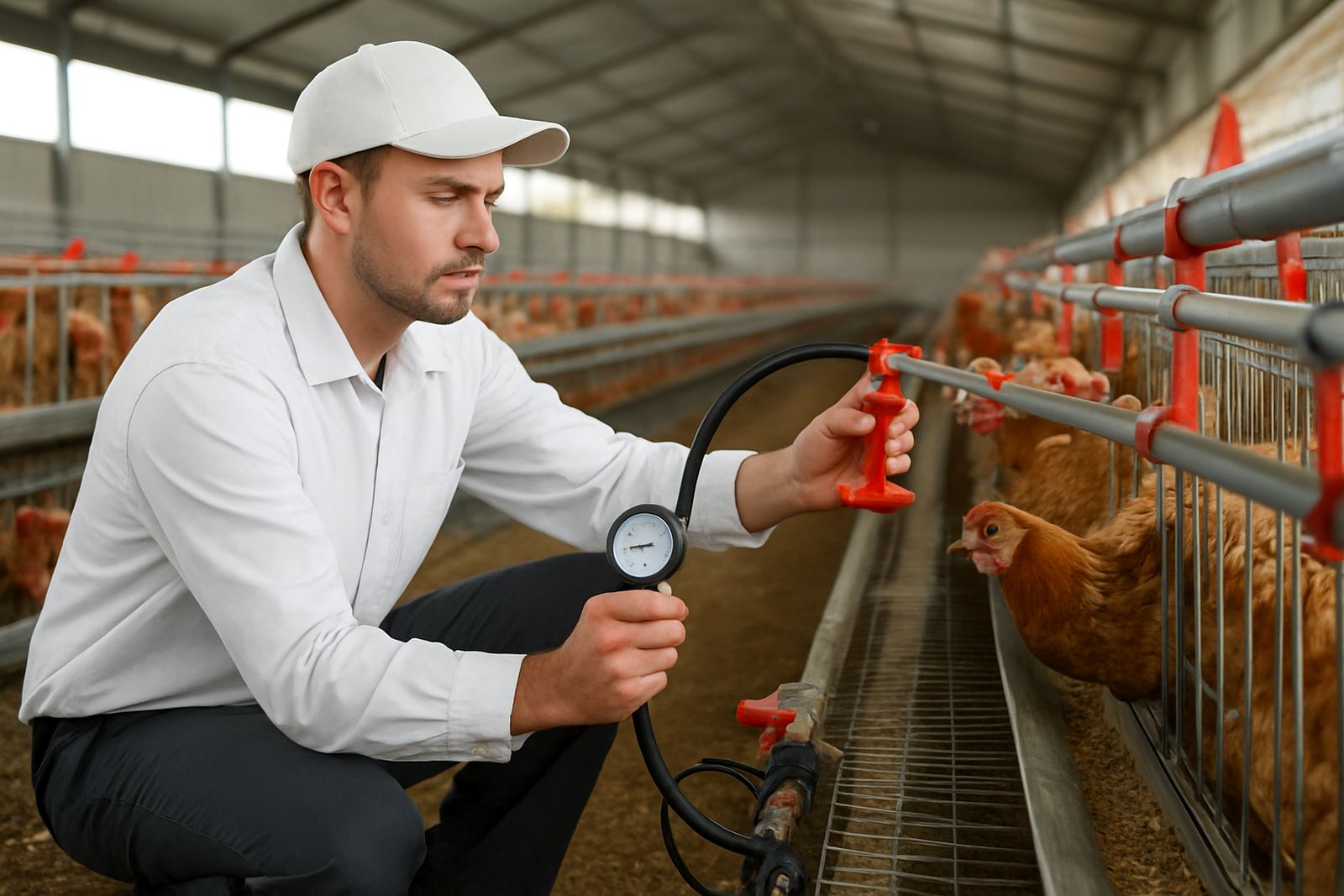
- Water line flushing, pressure testing and leak checks
- Feed system trial runs from hopper to end point
- Temperature, ventilation and alarm verification
- Safety checks on guards, access points and shut offs
Final checks before birds or eggs arrive
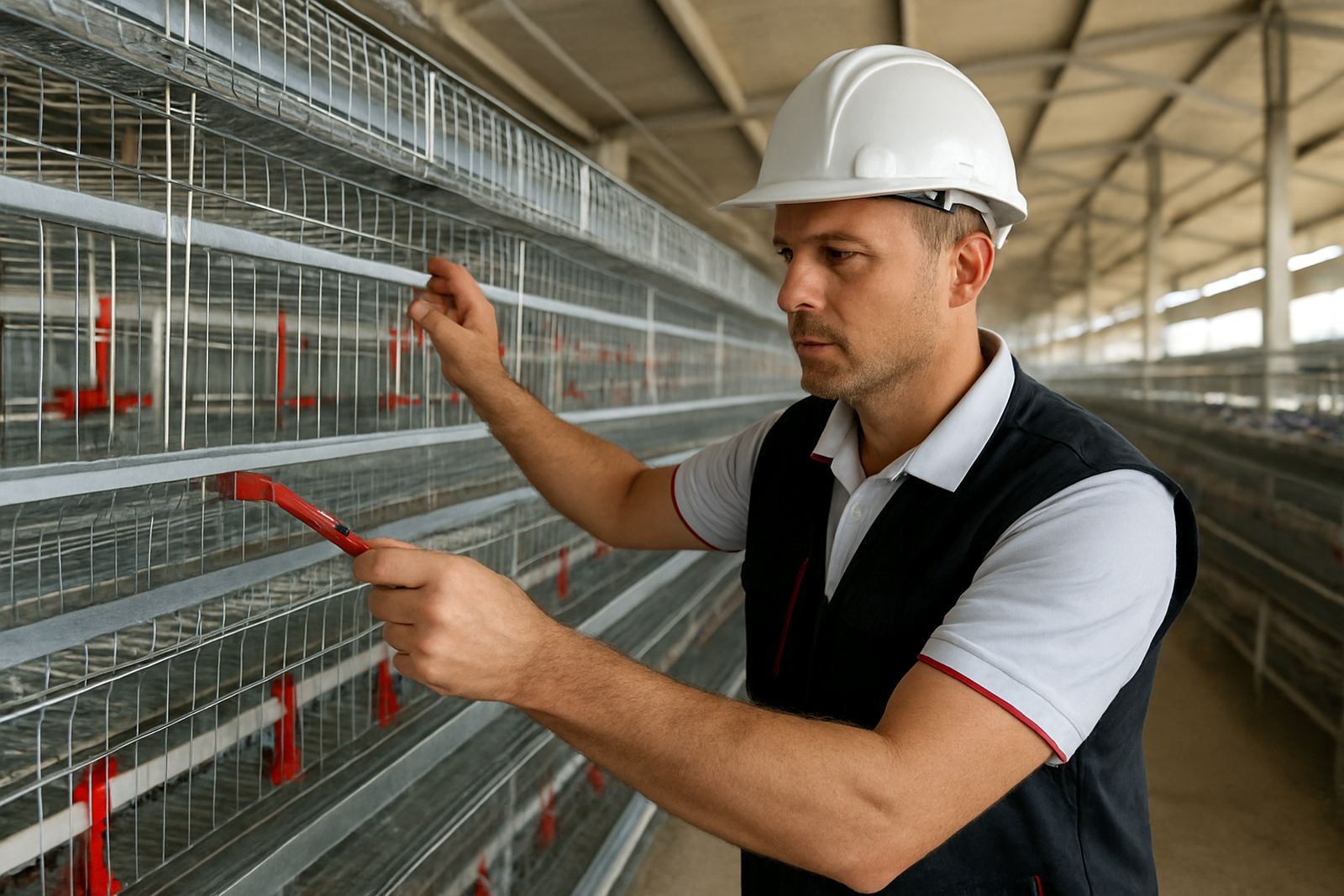
Before placement, we go through each area in a fixed order so nothing gets missed. The house or room is inspected against the layout drawing, then the equipment is run in stages. If there is an incubator room, we test setpoint stability, humidity response and tray movement. If it is a layer house, we check cage alignment, drinker height, feed spread and egg collection flow. If it is an abattoir fitout, we verify the working sequence from the receiving point through to the clean down area.
This is also where small issues are caught early. A mislabelled breaker, a loose union, a level feed trough, or a fan that starts late can cost a client time and money later on. We record the fault, fix it or log it for the snag list, then retest before handover. It sounds basic, but basic faults are what stop a new system from settling in properly.
- Snag list preparation and close-out
- Setpoint calibration and controller checks
- Verification of spares, manuals and wiring notes
- Clean start-up after dust, welding and building work
Our commissioning process from first energising to sign-off
The process starts with a walk-through with your site team, the installer and our technical lead. We confirm what has been fitted, what still needs attention, and which utilities are available. From there we energise section by section, so if a fault appears it can be isolated quickly. We do not rush this part because a rushed start-up can hide a problem that only shows up after the first week.
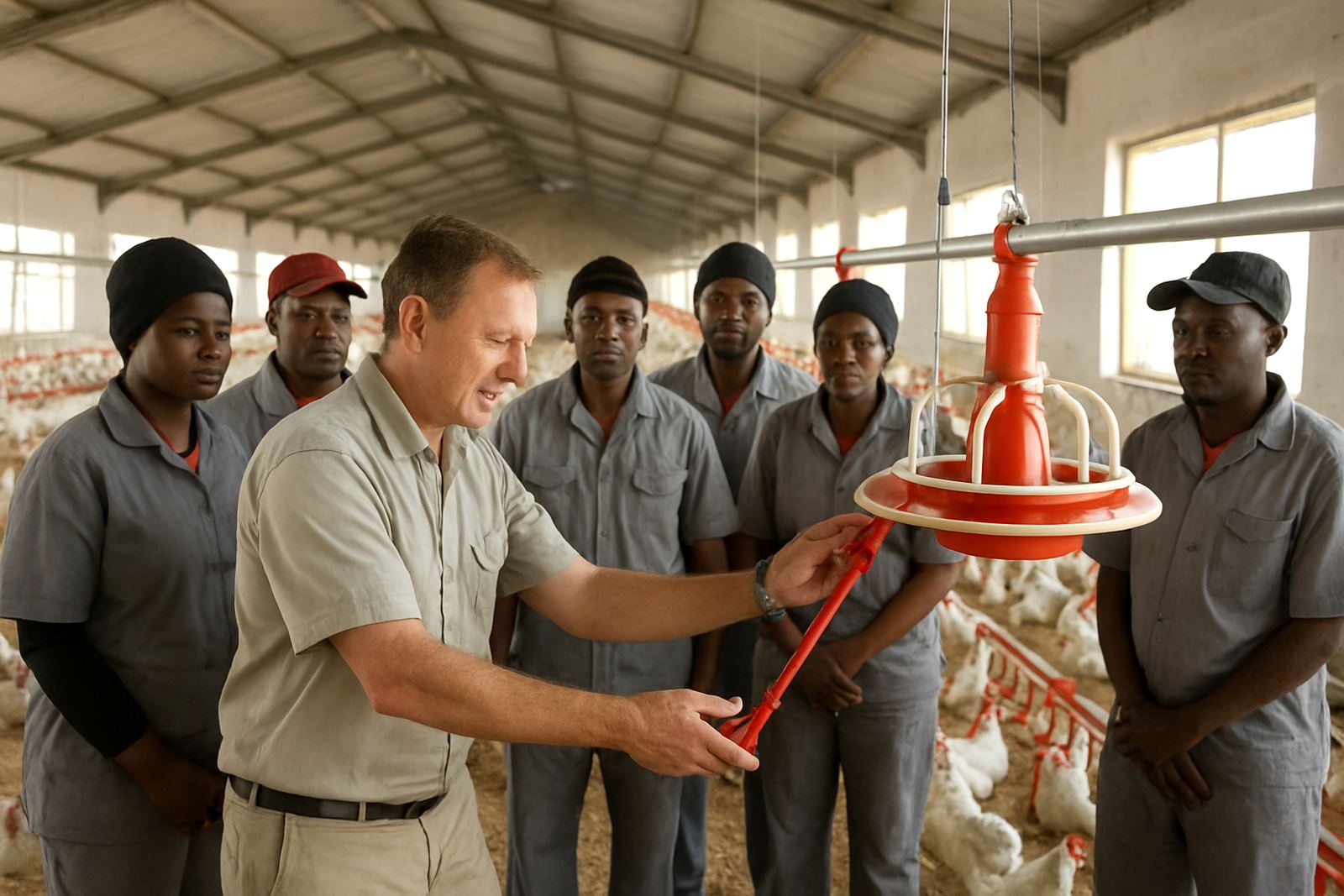
Once the plant is live, we run it under working conditions and monitor performance. A brooder must recover heat correctly, a drinker line must hold pressure evenly, and a feeder must deliver without bridging or overfill. For turnkey poultry projects, we also brief the operator on daily checks, cleaning points and emergency procedures. If your team is new to the equipment, we will repeat the steps until they can do them without guesswork.
- Pre-start inspection and utility confirmation
- Step-by-step energising and function testing
- Load test or simulated operating cycle
- Operator training and acceptance sign-off
Turnaround times, pricing and what affects both
Most commissioning visits for a single house, room or small plant can be completed in one to three days, depending on the size of the system and how ready the site is. Larger projects, multi-house farms and processing room fitouts can take longer if there are several control panels, backup systems or linked lines to test. Where the install is complete and utilities are live, the turnaround is faster. If building work is still going on, we will tell you what must be finished before we can start.
Pricing is based on the scope of work, site location, number of units, after-hours requirements and whether commissioning has to be split over more than one visit. We quote clearly so you know what is included, such as travel, labour, calibration and documentation. If spares or repairs are needed during the visit, those are handled separately after approval. That way you are not paying for guesswork.
- Single-house and small room commissioning
- Multi-house poultry site commissioning
- Incubator and brooder start-up support
- Abattoir equipment testing and handover
Maintenance intervals after handover
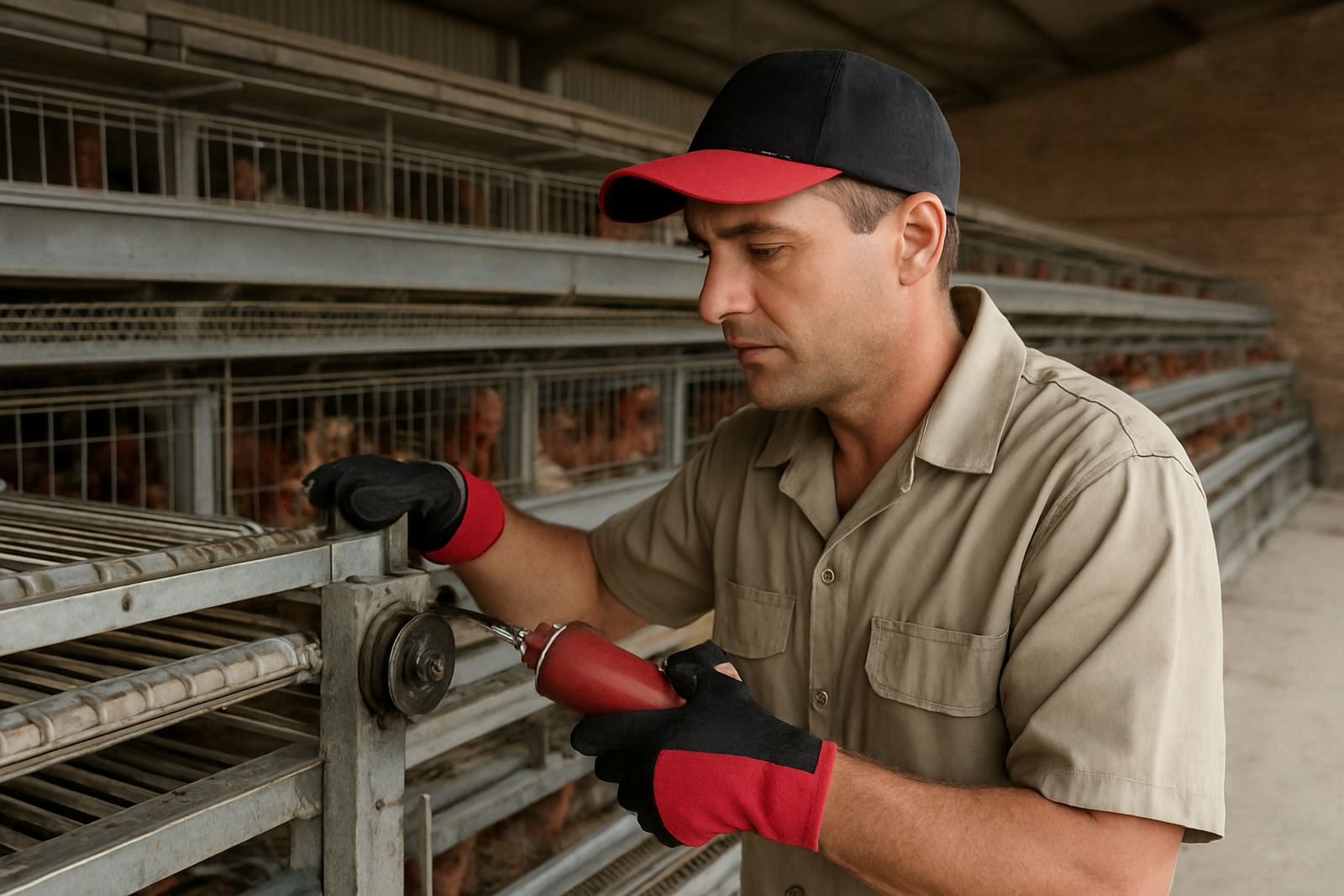
Once a system is handed over, the first few weeks matter. Moving parts settle, water lines need rechecking, and operators learn the rhythm of the house or room. We usually recommend a follow-up inspection after 7 to 14 days, then a further check after the first production cycle or chick batch. For high-use sites, monthly checks are worth doing on motors, bearings, sensors, drive chains and controls, especially where dust and humidity are high.
For poultry houses close to the coast or in warmer districts, servicing intervals may need to be shorter because corrosion and grime build-up happen faster. If a site relies on standby power during load shedding, the backup system should be tested on a regular schedule, not left until there is a power cut. A small fault found early is easier to sort than a breakdown when birds are in the house.
- 7 to 14 day follow-up after start-up
- Monthly visual and functional checks
- Quarterly planned maintenance on active sites
- Annual full system review for major units
What you get when the handover is done properly
At handover, you should not be left with a machine and a lot of unanswered questions. We provide the operating settings, the key contact details, the snag close-out notes and the recommended maintenance intervals. If needed, we also keep a record of the installed equipment, serial references and spare parts that should be held on site. That helps your team react quickly when a belt, sensor or valve needs attention.
John F Marshall has been supporting poultry projects and industrial equipment from Jet Park, Boksburg since 2009. Our team, led by John Frederick Marshall, works with sites across Gauteng and into Mpumalanga, Limpopo, North West, Free State and KwaZulu-Natal. When commissioning is done well, the handover feels calm, the equipment is easier to manage, and the house or room is ready for real work.
Key facts
| Service scope | Poultry houses, incubators, brooders, feeders, drinkers and abattoir equipment |
|---|---|
| Typical turnaround | 1 to 3 days for smaller installs, longer for multi-house or processing projects |
| Test methods | Dry run, wet run, load test, alarm test and operator walk-through |
| Site coverage | Gauteng, Mpumalanga, Limpopo, North West, Free State and KwaZulu-Natal |
| Hand-over outputs | Settings sheet, snag list, operating notes and maintenance schedule |
| Recommended follow-up | 7 to 14 days after start-up, then monthly or quarterly by site load |