Training that fits the way your team works
Our operator training is built for farm staff, supervisors and processors who need practical steps they can follow on a busy shift. We focus on the day to day use of laying-hen cages, incubators, brooders, feeders, drinkers and selected abattoir equipment, with plain instructions that suit new staff and refreshers for experienced operators. The aim is fewer stoppages, better bird care and cleaner records, not theory for its own sake.
Training can be done at your site or arranged from our Jet Park, Boksburg base for local teams. We work across Gauteng, Mpumalanga, Limpopo, North West, Free State and KwaZulu-Natal, and can scale the session to a small hatchery team or a full production crew. In places like Delmas, Polokwane, Rustenburg, Harrismith and Pietermaritzburg, we often time training around receiving days, washing schedules and load-shedding windows so the team can practise on the equipment they use every week.
- Daily start-up and shutdown checks
- Correct loading, feeding and watering routines
- Cleaning steps for poultry houses and processing rooms
- Basic fault reporting with symptoms, timings and photos
- Safe handling around hot water, electrical panels and moving parts
What is covered in the session
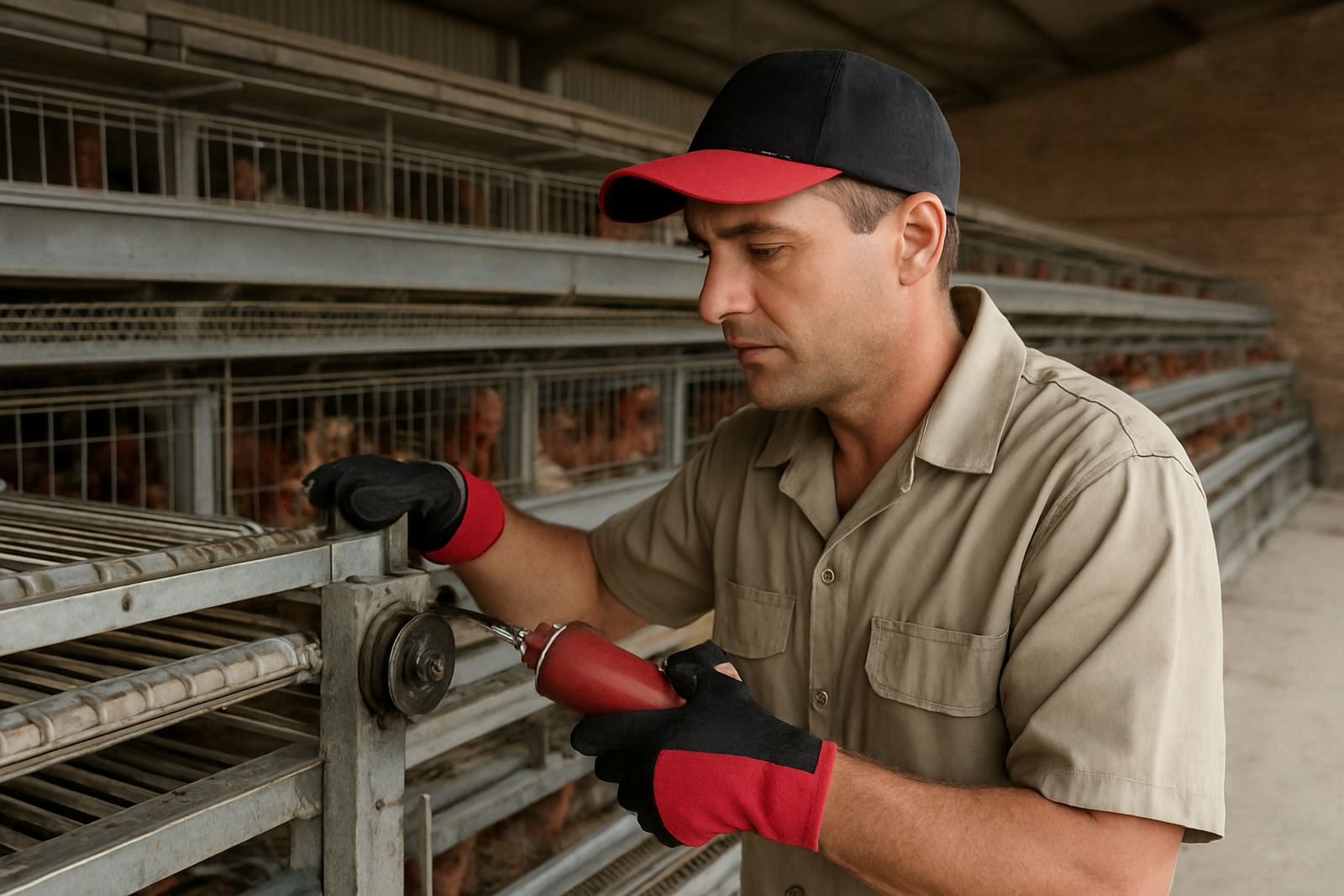
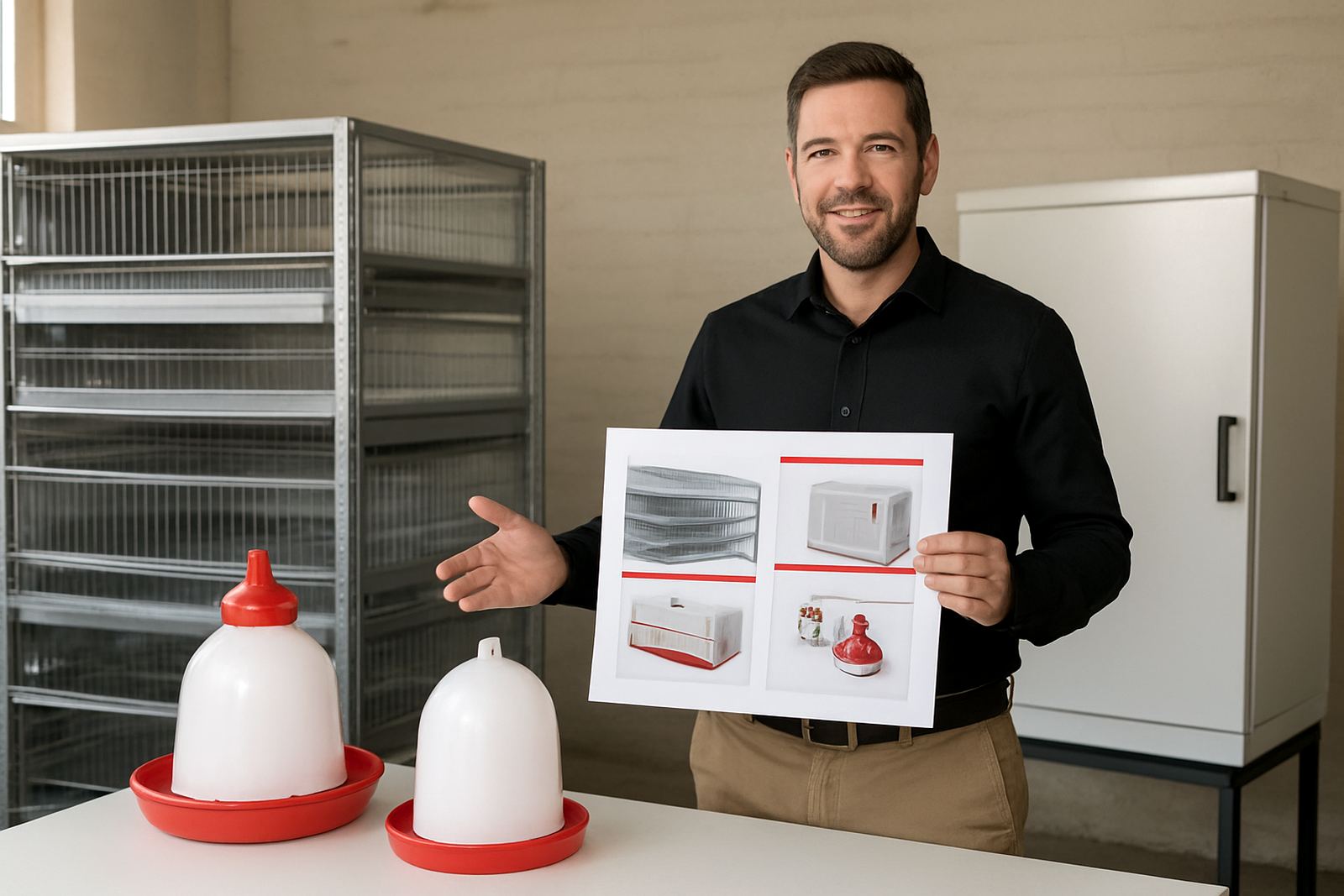
Each session is matched to the equipment on site. For laying systems we cover cage inspection, drinker height, feeder set-up, egg collection flow and signs of wear on wire, clips and lines. For incubators and brooders we cover temperature checks, humidity checks, tray handling, alarm response and what to do when power supply is interrupted. On abattoir side equipment, we cover wash-down routines, hygiene points and the correct sequence for start and stop.
We also explain what should be reported straight away and what can wait for routine maintenance. That keeps small issues from becoming major downtime. A loose nipple line, blocked filter or damaged thermostat wire can usually be caught early if the operator knows what to look for, and knows who to call with the right detail.
- Equipment identification and safe operating points
- Temperature, humidity and airflow checks for incubation areas
- Feed line and water line inspection routines
- Cleaning chemicals, rinse steps and contact times
- What to log in the shift book, including faults and bird losses
How we run operator training on site
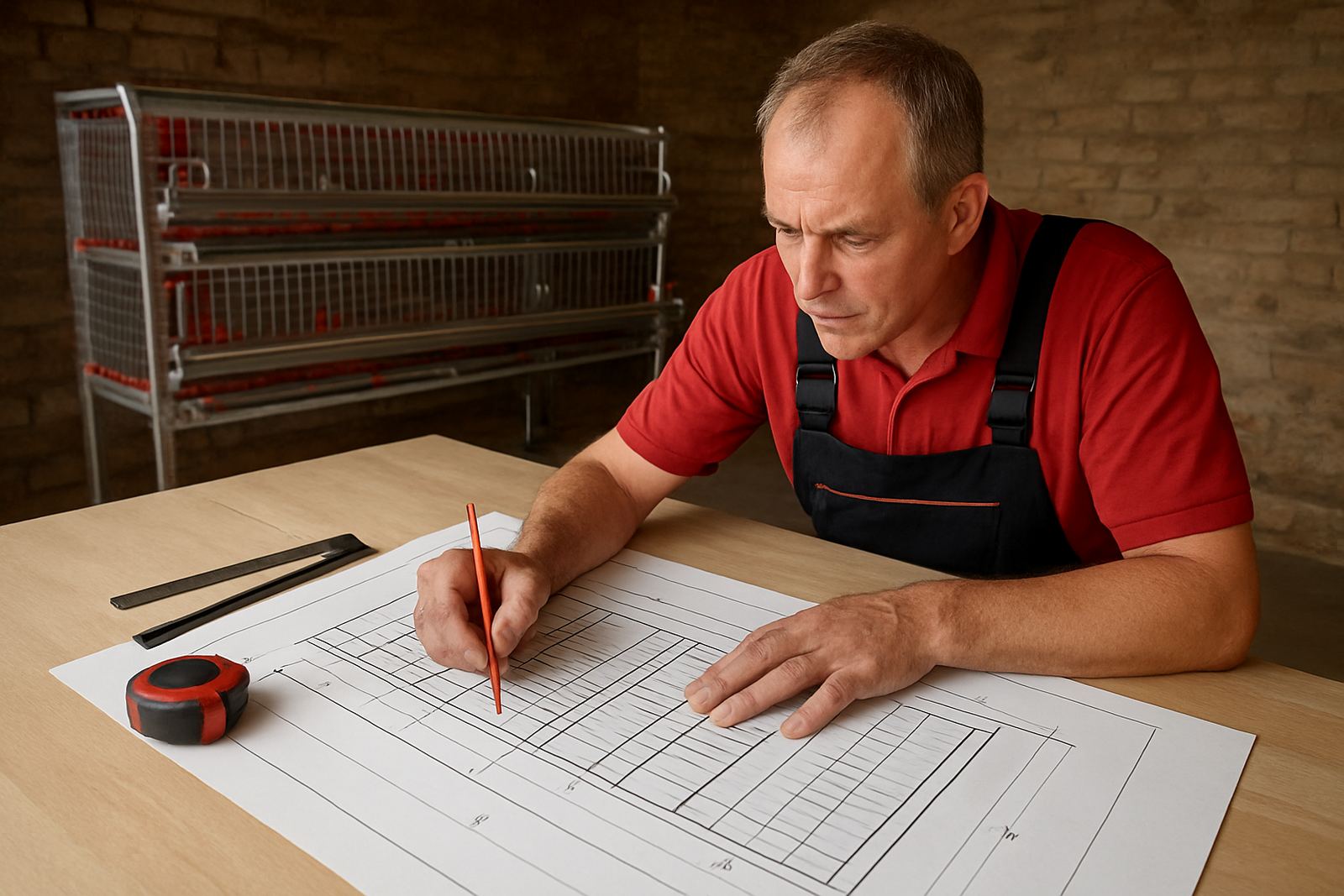
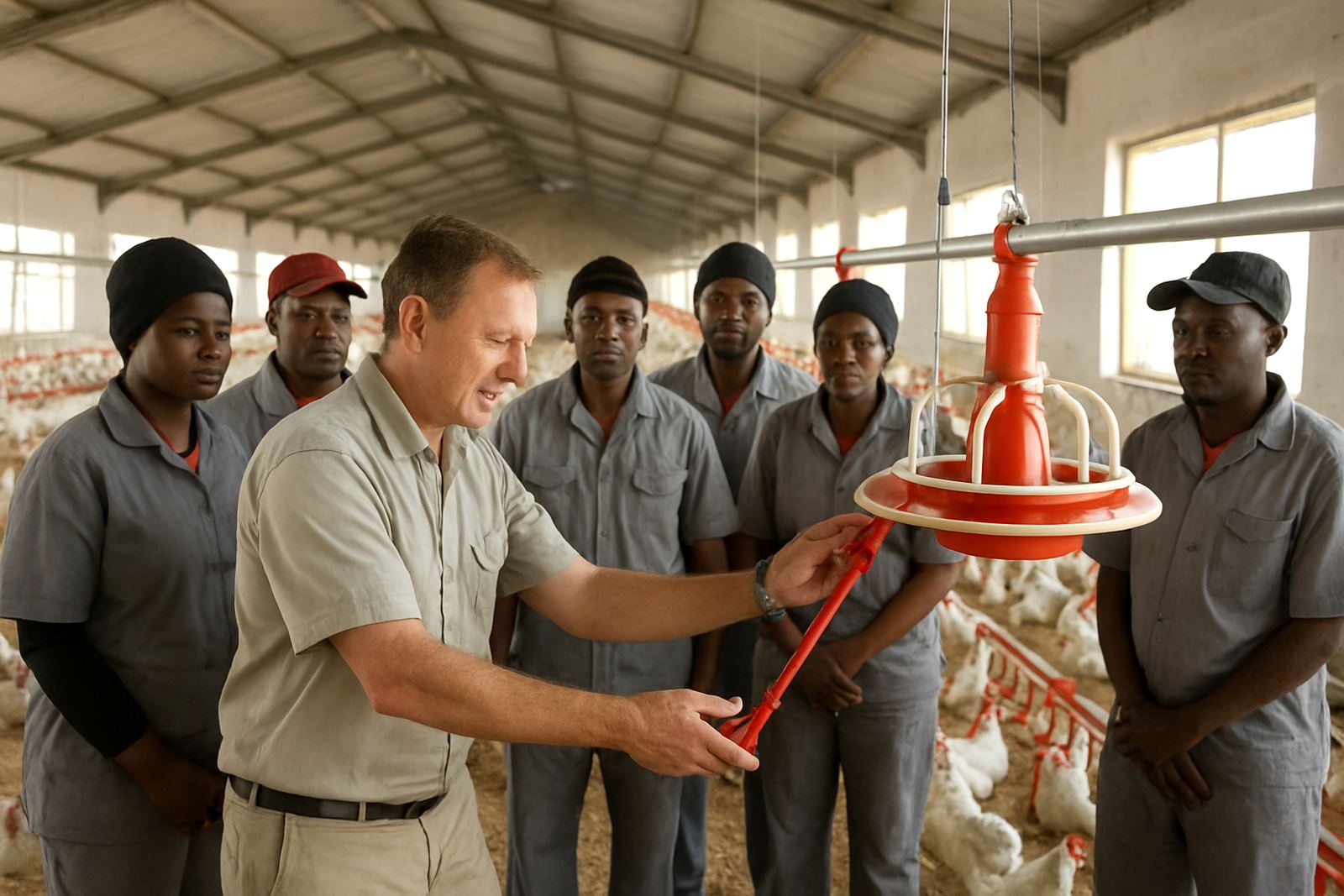
We usually start with a short site walk so we can see the layout, access points, water supply, drainage and electrical supply. In some municipal areas, especially where drainage is strict or effluent must be contained, we adjust the wash-down method to suit local rules and your own housekeeping plan. After that, we hold a practical session beside the actual equipment, using the same switches, valves, thermostats and hand tools your team uses every day.
The process is simple: explain, demonstrate, let the operators repeat the task, then check their understanding. We keep the group small enough to manage properly, usually 4 to 12 people per session, so nobody gets left behind. Where there are mixed language groups, we use clear demonstration first and written steps after, which helps on farms with staff rotating between houses, hatchery rooms and packing areas.
- Pre-training site check and list of equipment in use
- Hands-on demonstration with your own system
- Operator practice under supervision
- Question time and fault reporting examples
- Simple attendance record and follow-up notes
Turnaround, follow-up and refresher visits
A standard half-day session can cover one production unit or one shift team, while a full day is better where both hatchery and house operations must be covered. For larger poultry projects, we often split the training into stages so the team can absorb the content without rushing. If a site is being commissioned, training can be done during handover and then repeated after 2 to 4 weeks once operators have had time to work the system in real conditions.
We also offer refresher visits after the first production cycle, or sooner if staff changes are high. In many cases the best time for a refresher is after a power interruption, a cleaning cycle or a equipment repair, because those are the moments when weak points show up. That way the team learns from real events and not just from notes on a page.
For remote sites in Limpopo, North West or KZN, we can combine training with a maintenance visit to reduce travel cost and downtime. If the weather is poor or roads are slow, we plan enough time so the session does not feel hurried, especially on bigger farms outside towns like Groblersdal, Ventersdorp or Empangeni.
Key facts
| Training scope | Daily use, cleaning routines, basic fault reporting and safe handling |
|---|---|
| Typical group size | 4 to 12 operators per session |
| Session length | Half day to full day, depending on equipment and site size |
| Coverage area | Gauteng, Mpumalanga, Limpopo, North West, Free State and KwaZulu-Natal |
| Equipment covered | Cages, incubators, brooders, feeders, drinkers and abattoir support equipment |
| Follow-up interval | Refresher after first cycle, then every 3 to 6 months or after staff changes |