Planned care for poultry houses and processing areas
Our maintenance programmes are set up for real working sites, not neat paper schedules. We look at laying-hen cages, incubators, brooders, feeders, drinkers and abattoir equipment, then map out what needs checking, cleaning, tightening, calibration or replacement before it causes a stoppage. The aim is simple: less avoidable downtime, better output, and equipment that lasts longer in South African conditions such as dust, heat, coastal humidity and power interruptions.
Each programme is built around the equipment on site and the way it is used. A small layer house in Limpopo will not need the same visit cycle as a busy hatchery in Gauteng or a processing room in KwaZulu-Natal. We also allow for municipal water pressure changes, generator use, and the fact that some farms only get a short window for cleaning and maintenance between production cycles.
- Daily, weekly and monthly checks for key wear points
- Inspection of motors, belts, chains, bearings and fasteners
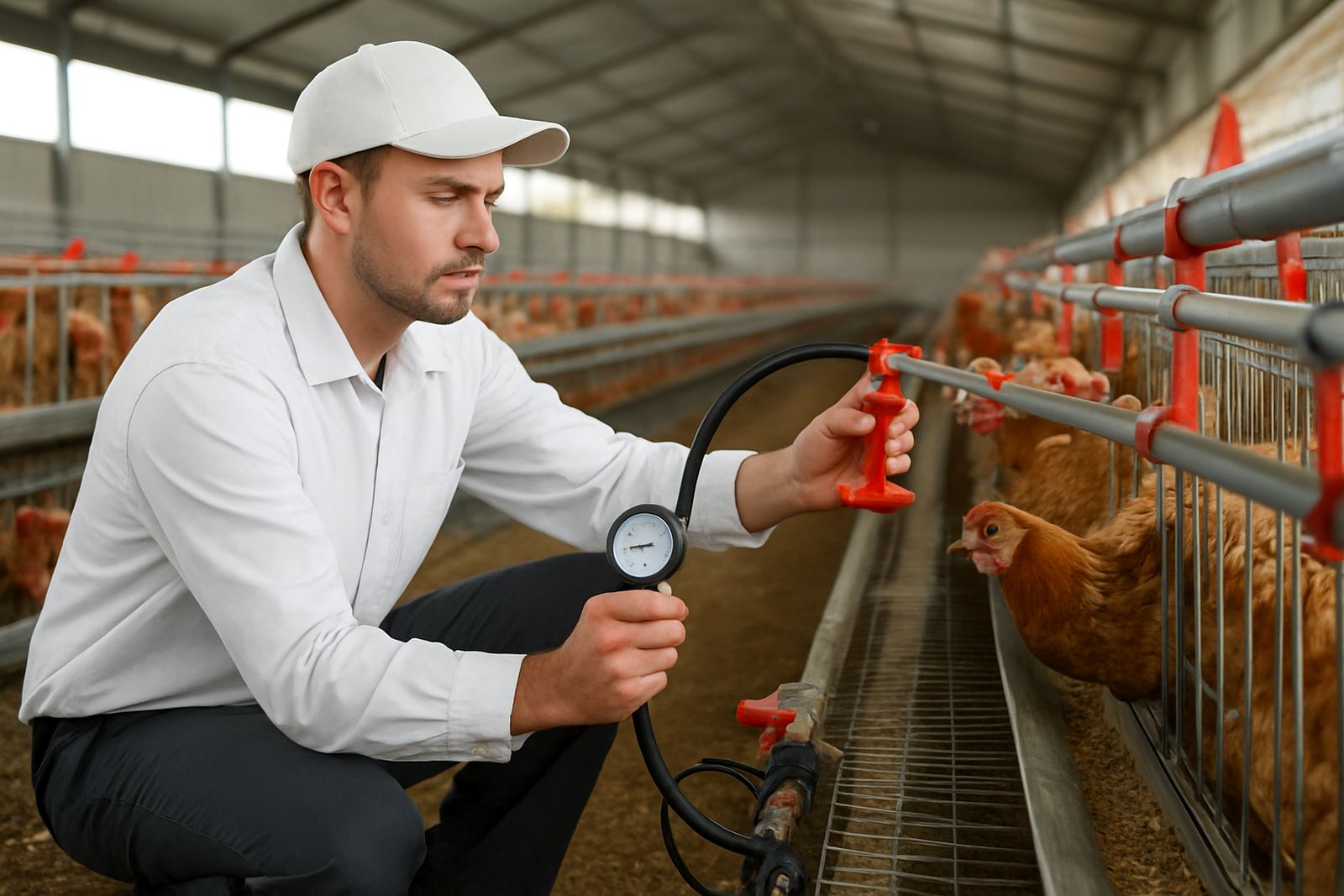
- Feed line and drinker line condition checks
- Temperature, humidity and controller verification
- Cleaning and hygiene checks for hatchery and abattoir areas
What is included in a maintenance programme
We can cover one section of a facility or the full operation. The exact scope depends on the house size, number of birds, the age of the equipment and the risk of downtime. A good programme should catch the small issues first, before they turn into a line failure, a heating fault, or a batch loss. That is where many operators save money over time, even if the first visit feels like a simple inspection.
- Visual inspection and functional testing of equipment
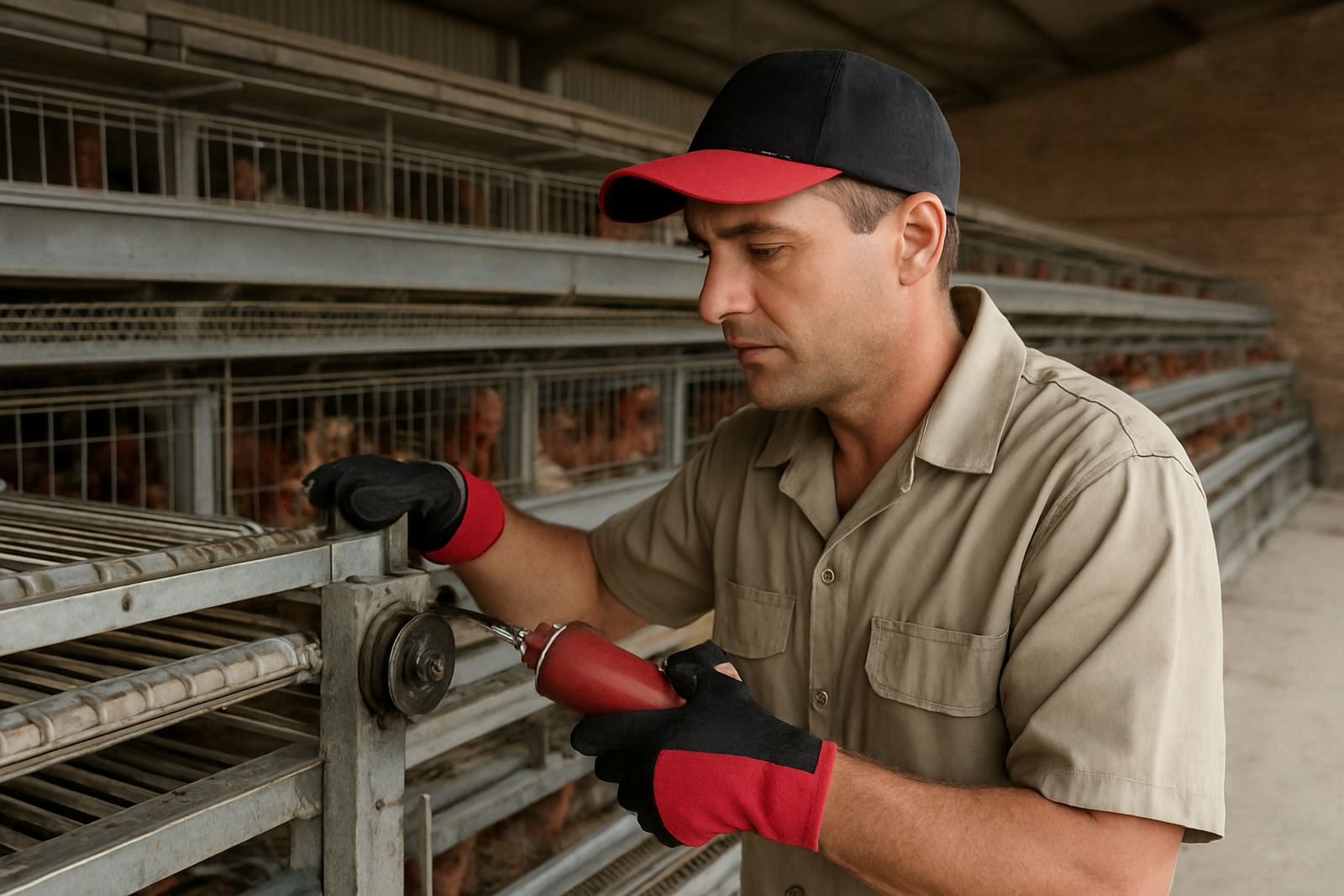
- Lubrication, adjustment and basic alignment where required
- Replacement recommendations for worn parts and consumables
- Electrical and control checks on relevant equipment
- Operator feedback from the team working the house every day
- Written findings with next-step actions and priority levels
Where needed, we also include abattoir support items such as scalding, chilling, moving and room fitting equipment. For hatchery sites, we can check incubation and brooding equipment, airflow, sensors and set points, because a small drift in temperature can affect hatch rates quickly. On cage systems, we pay attention to access, corrosion, feed delivery and any loose section that can cause bird stress or injury.
How the maintenance process works
We keep the process practical and easy to follow. First, we assess the site and list the equipment in use. Then we confirm the maintenance interval that suits production, staff numbers and access times. After that, we issue a plan showing what will be checked, what parts are likely to be needed, and what can be done during routine stoppage windows.
- Site walk-through and equipment register
- Risk review by house, room or production line
- Scheduled visit plan and spares list
- Maintenance work and function testing
- Report back with findings, photos where needed, and next visit date
Where a problem is found, we do not leave the team guessing. We explain whether it is a routine wear item, a usage issue, or something that needs faster attention. If a part is not on hand, our spares supply process is set up to source it as quickly as possible. That helps reduce the kind of delay that can throw off a week of production. One missed fan belt or valve can turn into a bigger issue if it is left too long, so the reporting needs to be clear and direct.
Maintenance intervals that match the equipment
Intervals depend on how hard the equipment is working. In high-use poultry environments, some items need attention every week, while others can run on a monthly or quarterly cycle. For example, drinker lines, feed systems and control checks may need more frequent monitoring than a frame section or a room fitting item. In hot inland areas like North West and parts of Limpopo, dust and heat can shorten service intervals. On the coast, corrosion and moisture can push us to inspect metal fittings more often.
- Daily: visual checks, alarms, water flow and temperature readings
- Weekly: cleaning, minor adjustments, line checks and wear spotting
- Monthly: motor, drive and control inspection, plus calibration review
- Quarterly: deeper service checks, alignment and replacement planning
- Before peak cycles: full inspection and readiness review
For abattoir equipment and processing rooms, intervals are also tied to sanitation cycles and compliance needs. If a room is washed down often, seals, switches and exposed fittings need extra attention. In many cases, a small preventative check can keep a machine working for much longer and avoid emergency callouts at the worst possible time.
Turnaround times and callout planning
Turnaround depends on site location, access, the type of fault and whether parts are already available. For planned visits in Gauteng, we can usually schedule within a practical working window, then build the route around nearby sites in Boksburg, Kempton Park, Pretoria, Midrand and surrounding areas. For projects in Mpumalanga, Limpopo, North West, the Free State and KwaZulu-Natal, we plan ahead so the team arrives with the right tools and as many likely spares as possible.
Urgent faults are handled as quickly as the situation allows, but good planning is still the best way to keep response times down. If a site has regular load-shedding, we can factor in generator changeover, battery-backed controls and the likely restart sequence after an outage. That matters because some faults only show up when the system powers back on. A programme that works around those realities is worth far more than a once-off fix.
Pricing based on site needs, not guesswork
We quote maintenance programmes according to the equipment list, number of houses or rooms, visit frequency, travel distance and parts risk. A single poultry house with a basic service schedule is priced differently from a full multi-house operation with incubation, brooding and processing areas. The same goes for coastal sites, remote farms and sites that need after-hours work around production.
Most clients prefer a fixed scheduled plan with clear visit dates and agreed inclusions, then separate pricing for replacement parts, major repairs or upgrades. That keeps budgeting straightforward and helps with year-round planning. If a site needs a phased start, we can begin with the highest-risk assets first, then extend the programme once the critical items are under control.
- Fixed scheduled service plans available
- Separate pricing for parts, repairs and upgrades
- Travel and access costs quoted upfront where relevant
- Options for multi-site maintenance rollouts
We work in a plain, practical way: you know what is covered, what is not, and when the next visit is due. That helps managers, supervisors and owners keep control of the budget without surprises.
Key facts
| Service type | Scheduled maintenance programmes for poultry and processing equipment |
|---|---|
| Typical equipment covered | Laying-hen cages, incubators, brooders, feeders, drinkers, abattoir equipment |
| Visit intervals | Daily, weekly, monthly, quarterly or pre-production-cycle checks |
| Coverage area | Gauteng, Mpumalanga, Limpopo, North West, Free State and KwaZulu-Natal |
| Response approach | Planned site visits with urgent callout support where possible |
| Reporting | Written findings, priority actions and next-service schedule |