Match the equipment to your output target
Equipment selection is where a poultry project either stays practical or starts costing money in the wrong places. We begin by working from your live bird numbers, egg output, hatch rate, processing volume and available floor space, then we match the equipment to that demand. A 5 000 bird layer house in Rustenburg does not need the same cage layout as a higher-output site in Middelburg, and a small hatchery in Limpopo has different power and ventilation limits to a larger operation in Gauteng.
Our team looks at what you want to produce each day, week and month, then checks the handling flow from stock receiving to housing, incubation, feeding, drinking and processing. That includes service access, cleaning space, water pressure, drainage and whether you have three-phase power or need to plan around load-shedding. The aim is simple: equipment that suits the site now and still leaves room for orderly growth later.
What is included in the selection service
This service covers practical advice and sizing, not guesswork. We assess the site, compare equipment options and set out what is needed for the poultry house or processing room to work properly. You get clear guidance on capacity, layout, materials and support requirements, so you can buy once and install with fewer changes later.
- Capacity matching for laying-hen cages, incubators, brooders, feeders and drinkers
- Processing unit selection for slaughter, chilling, washing and packing areas
- House layout input for aisles, service access and cleaning clearances
- Power, water and drainage checks before ordering
- Advice on spares, wear parts and maintenance planning
- Support for expansion upgrades when output grows
For clients in coastal areas such as KwaZulu-Natal, we also consider humidity, corrosion risk and cleaning frequency when choosing finishes and fittings. In drier inland areas the focus may shift more toward dust control, heat management and water use.
How we size cages, incubators and feed systems
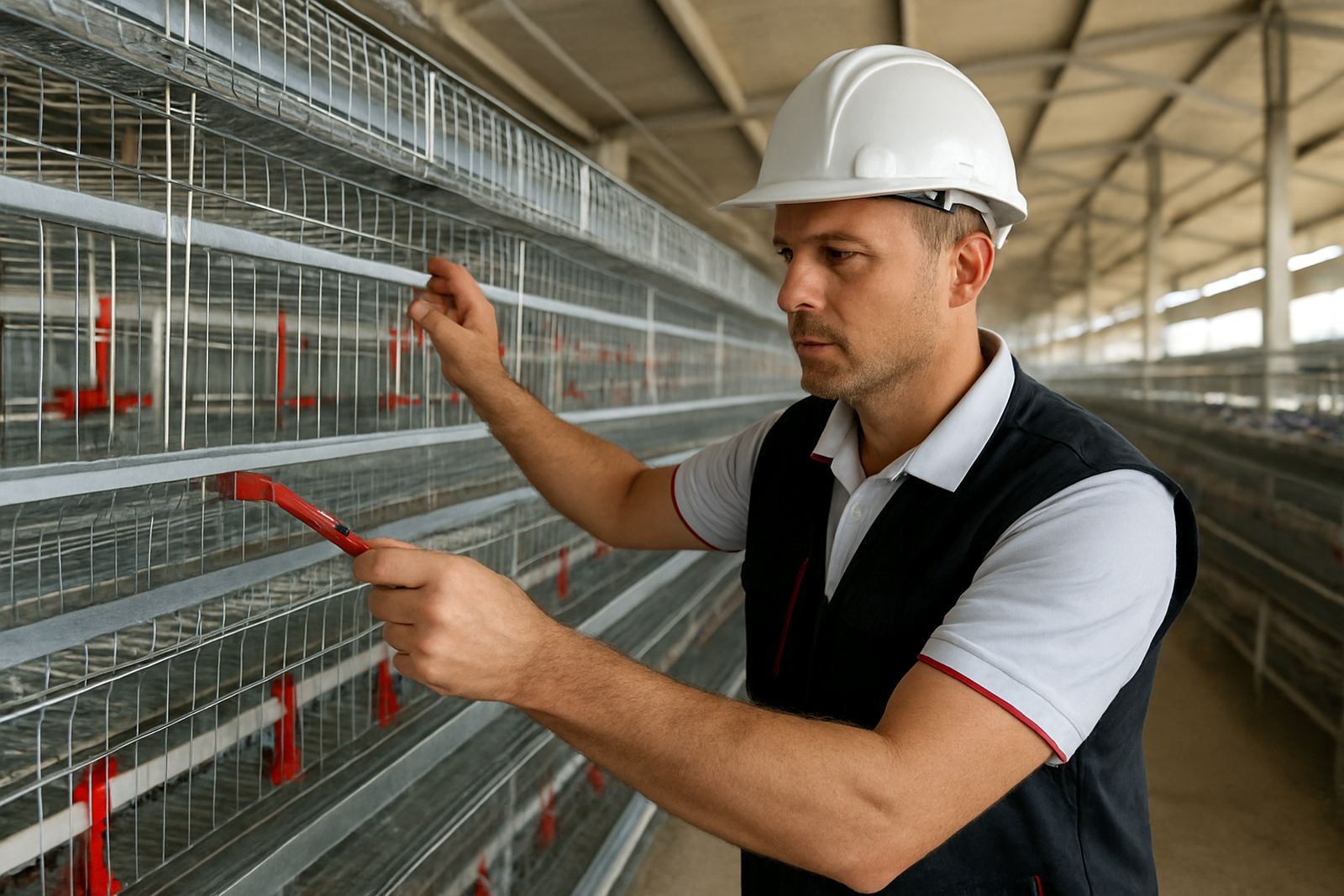
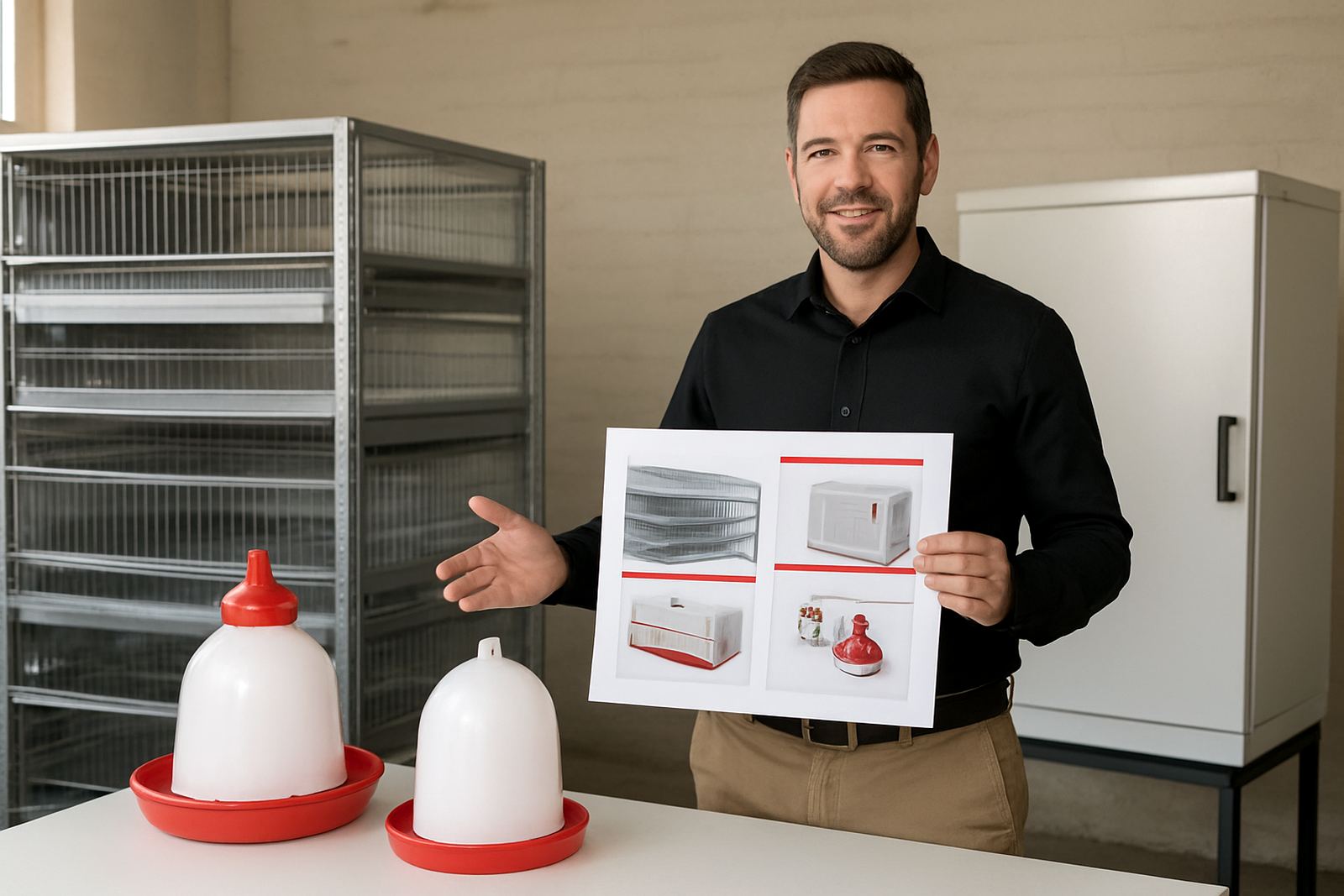
For layer cages, we consider bird numbers per tier, stocking density, egg collection method and aisle width. Typical selection ranges include single to multi-tier cage systems with galvanised steel frames, removable drink lines and easy access for egg handling. Feeders are matched to trough length and bird age so that feed spread stays even and wastage stays low. Drinkers are sized to bird count and water pressure, with filters added where borehole water is used.
For incubators and brooders, we look at batch size, hatch cycle timing and temperature stability. Small units may suit a starter hatchery, while larger cabinet systems are better when you need regular weekly output. Brooders are matched to chick count, floor area and heat retention, especially where winter mornings in places like Bethlehem or Ermelo can run cold. We also check whether backup power is needed to carry through outages, because temperature swings can spoil a batch very quickly.
- Layer cage heights and tier counts set to the house roofline
- Incubator loading capacity matched to weekly hatch plan
- Brooder heat output based on chick count per section
- Feed and water lines planned for easy cleaning and replacement
Processing room and abattoir equipment choices
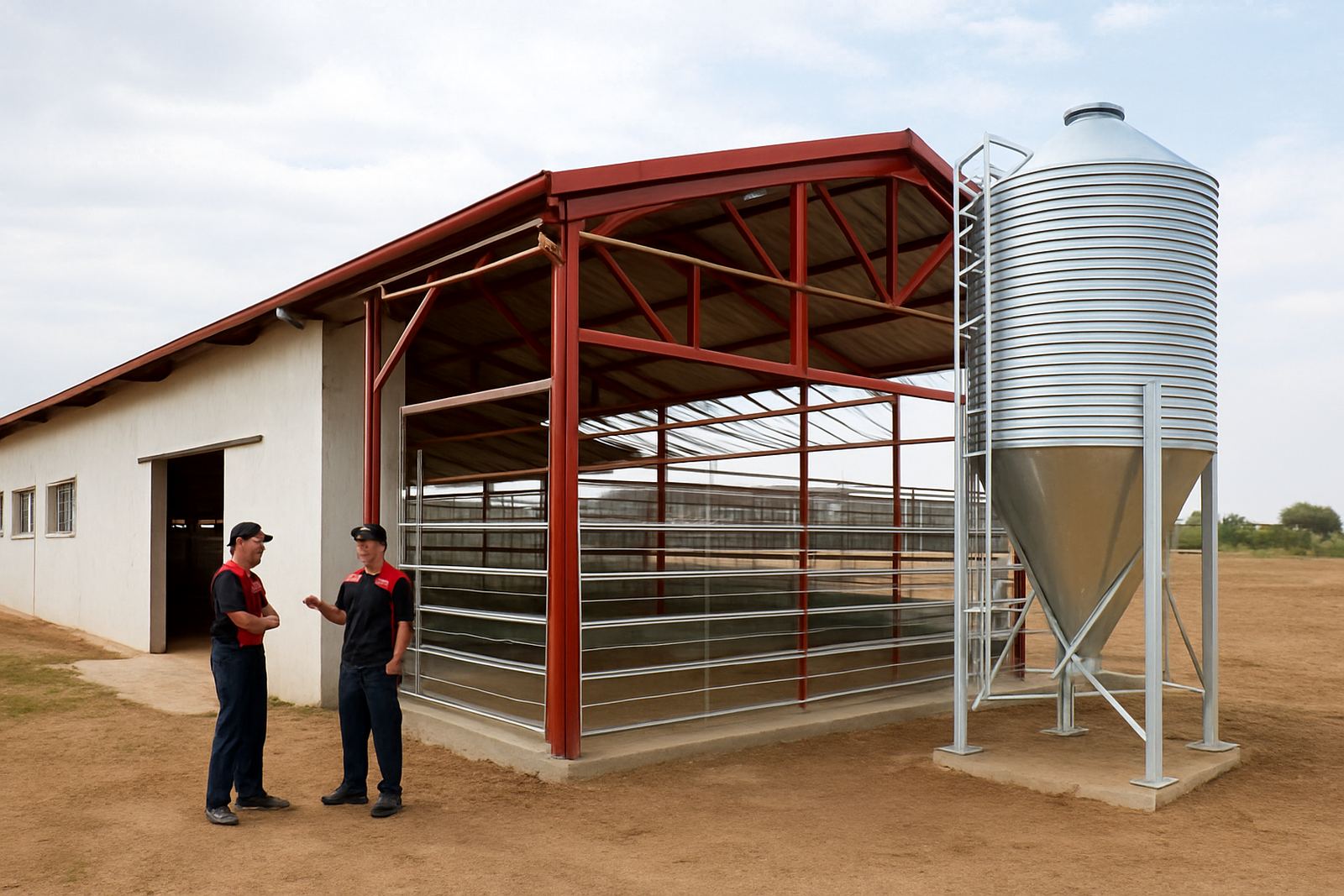
Processing equipment must fit the room first and the output second. We assist with selection for receiving, slaughter, scalding, plucking, washing, draining and packing areas, with attention to flow so birds and staff do not cross paths more than necessary. In smaller sites, compact units save space and make cleaning easier. In larger operations, throughput matters more and the line needs to keep pace without creating bottlenecks.
We also factor in municipal water pressure, floor falls, drainage points and hygiene requirements. A processing room in Boksburg may have different wastewater handling to a rural unit outside Polokwane, so the same machine list will not always work. The right choice is the one that can be cleaned, serviced and operated daily without stopping the rest of the plant.
Selection process from first call to final list
Most projects follow a short, practical process. We start with your target output and site details, then move through measurements, utility checks and equipment sizing. If needed, we visit the site or work from plans and photographs, then prepare a clear equipment list with notes on installation and maintenance. This keeps the decision making direct and cuts out unnecessary back and forth.
- Initial call and output brief
- Site measurements, photos or visit
- Capacity and layout review
- Equipment list and pricing guidance
- Order confirmation and delivery planning
Turnaround depends on the project size. Simple selection work can be turned around in a few working days, while full poultry projects with multiple houses, processing rooms and expansion planning may take longer. If you are working to a season, brood cycle or municipal deadline, tell us early so we can plan around it.
Pricing approach and maintenance intervals
We price equipment selection according to the scope of work, site complexity and whether drawings, layout notes or follow-up support are needed. A small replacement order for feeders and drinkers will cost less than a full turn-key poultry project with cages, incubation and processing equipment. We quote clearly so you can see what is included before you commit, and we can separate equipment supply from planning or supervision where needed.
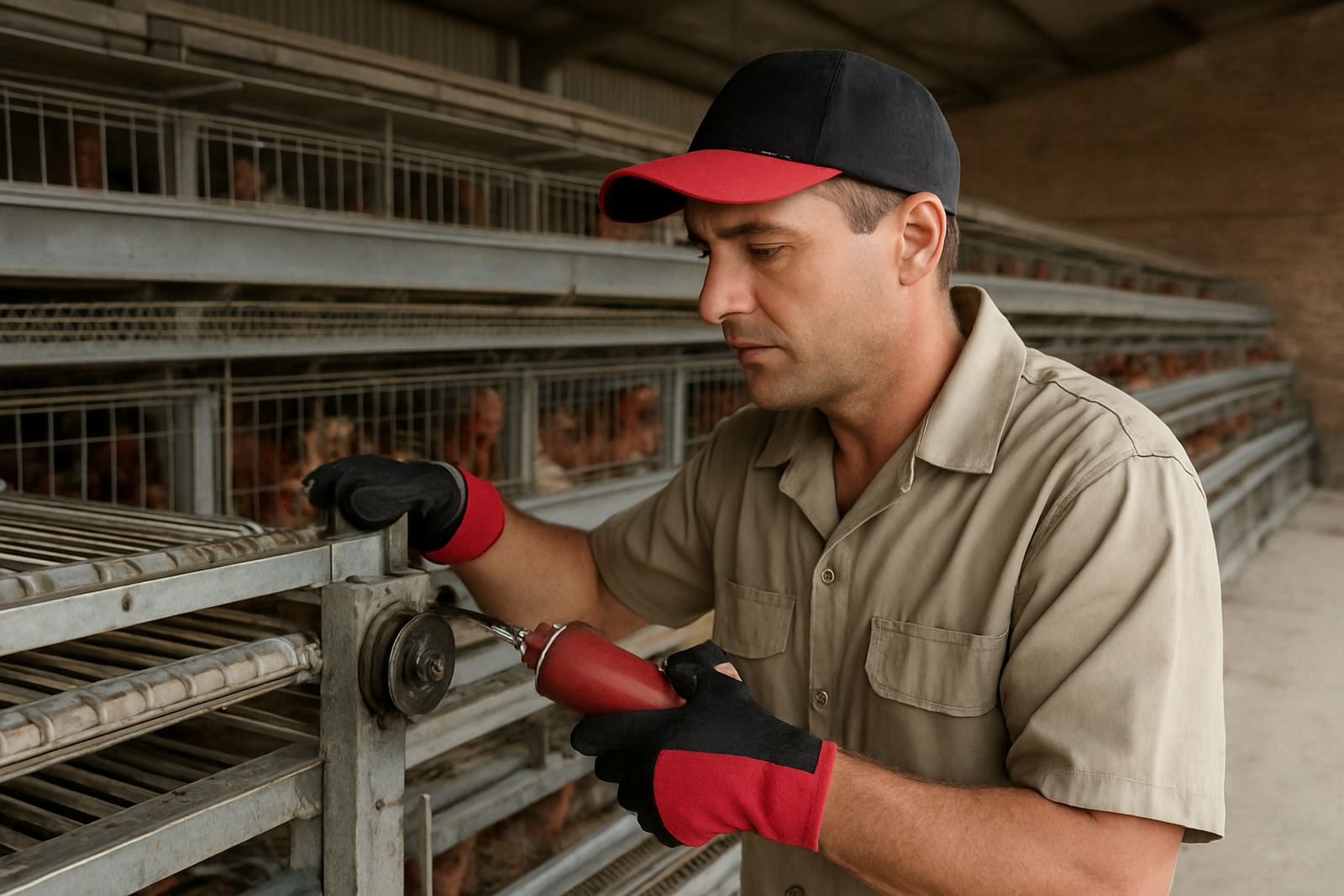
Maintenance intervals are built into the selection stage. For most poultry systems, daily cleaning, weekly checks and monthly inspection of fittings are sensible starting points. Feed lines, drinkers and moving parts should be checked more often in dusty inland areas or where water quality is poor. Incubators and brooders need regular temperature verification, while processing equipment should be cleaned after every use and serviced on a scheduled basis. A missed gasket or blocked line can stop a house faster than people expect, especially when power comes back after load-shedding and the system restarts under strain.
Why clients across South Africa call us
We work from Jet Park, Boksburg and support poultry projects across Gauteng, Mpumalanga, Limpopo, North West, Free State and KwaZulu-Natal. That matters because equipment selection is never just about the brochure. It is about local water, climate, power supply, labour and the way your birds or product move through the space. John Frederick Marshall and the team handle the practical side with the aim of keeping your project usable, maintainable and ready for growth.
- Gauteng head office with national project support
- Advice suited to new builds, upgrades and replacement work
- Support for installation supervision, commissioning and training
- Spare parts and after-sales planning tied to the selected equipment
If you are unsure which cage, incubator, feeder or processing unit suits your site, send your output target and house dimensions. We will help narrow the options and avoid costly over-specification.
Key facts
| Layer cage capacity | Sized from small starter houses to multi-tier commercial systems |
|---|---|
| Incubator range | Batch sizes matched to weekly hatch output and power supply |
| Brooder sizing | Selected by chick count, floor area and heat retention |
| Feeding systems | Manual or line-fed options based on bird numbers and access |
| Processing room equipment | Selected to suit slaughter, washing, draining and packing flow |
| Support coverage | Gauteng, Mpumalanga, Limpopo, North West, Free State and KwaZulu-Natal |