What an expansion upgrade covers on an active farm
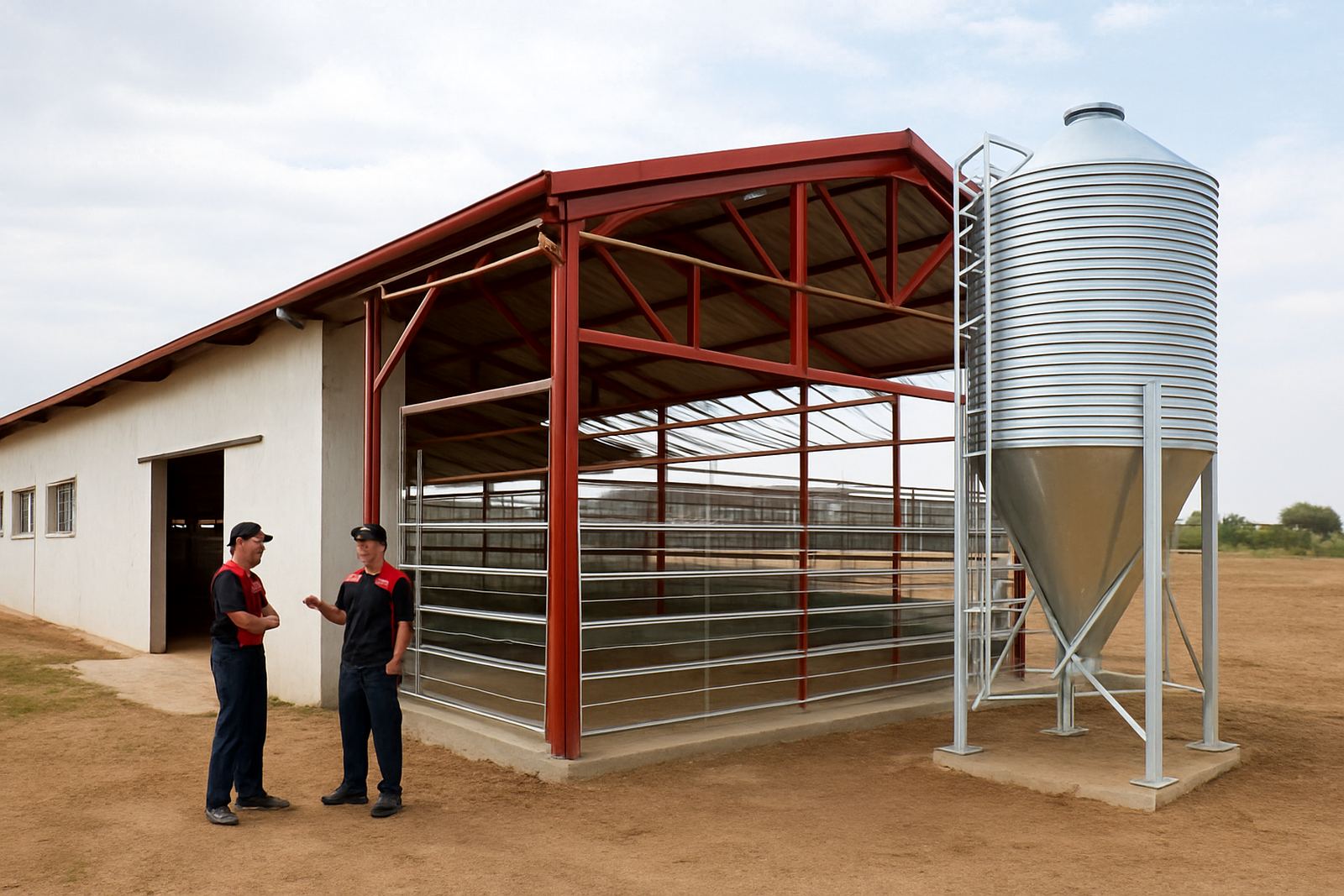
Most upgrade jobs start when a farm is running near capacity and the client wants to add birds without stopping production. That can mean extra laying-hen cages in one house, more incubation and brooding equipment, or a larger processing room with better handling flow. We look at the site as it is, then plan the next stage so the new equipment fits the existing house layout and daily routine.
Typical work includes supply and install support for cage banks, feed and water lines, egg handling points, ventilation changes, access walkways, and service clearances. For processing areas, we can add chill room fittings, work tables, stainless fixtures, drainage changes, and equipment layout adjustments so staff move in one direction and cleaning stays manageable. On many sites the real constraint is not space, it is water pressure, single-phase versus three-phase power, or a roof that was never meant for the extra load.
- Second-row or additional cage banks
- Extra feeders, drinkers, controllers and timers
- Brooder and incubator capacity additions
- Processing room fittings and equipment repositioning
- House access changes for cleaning and loading
Site checks before we add anything new
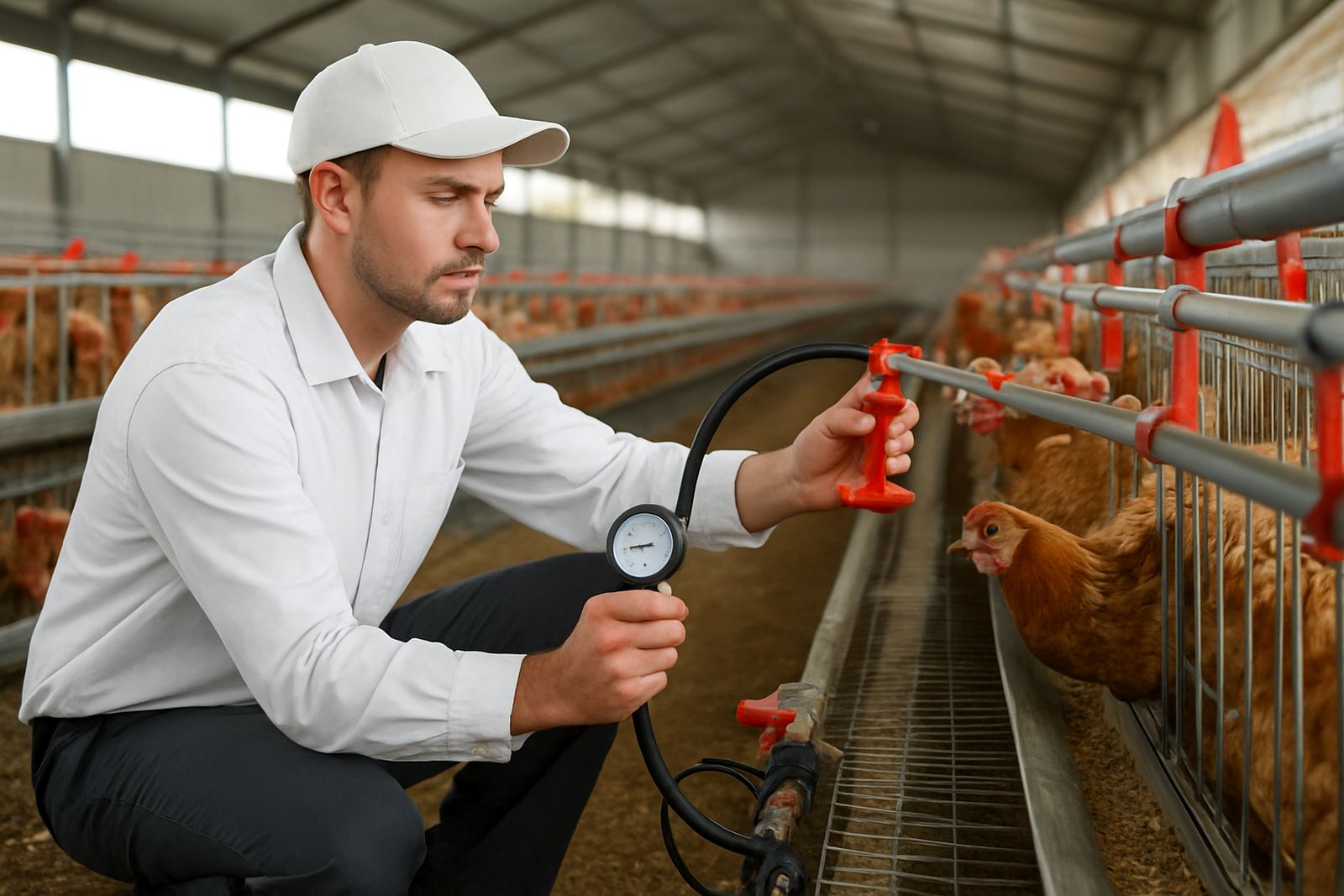
Before any order is placed, we check the house structure, floor levels, wall space, roof height, ventilation path, and access for delivery. In Gauteng and along the humid coastal areas, we also look at corrosion risk, condensation, and how well the existing electrics and motors have held up during load-shedding. A small upgrade can fail fast if the site has weak cable runs, poor drainage, or no room for proper maintenance access.
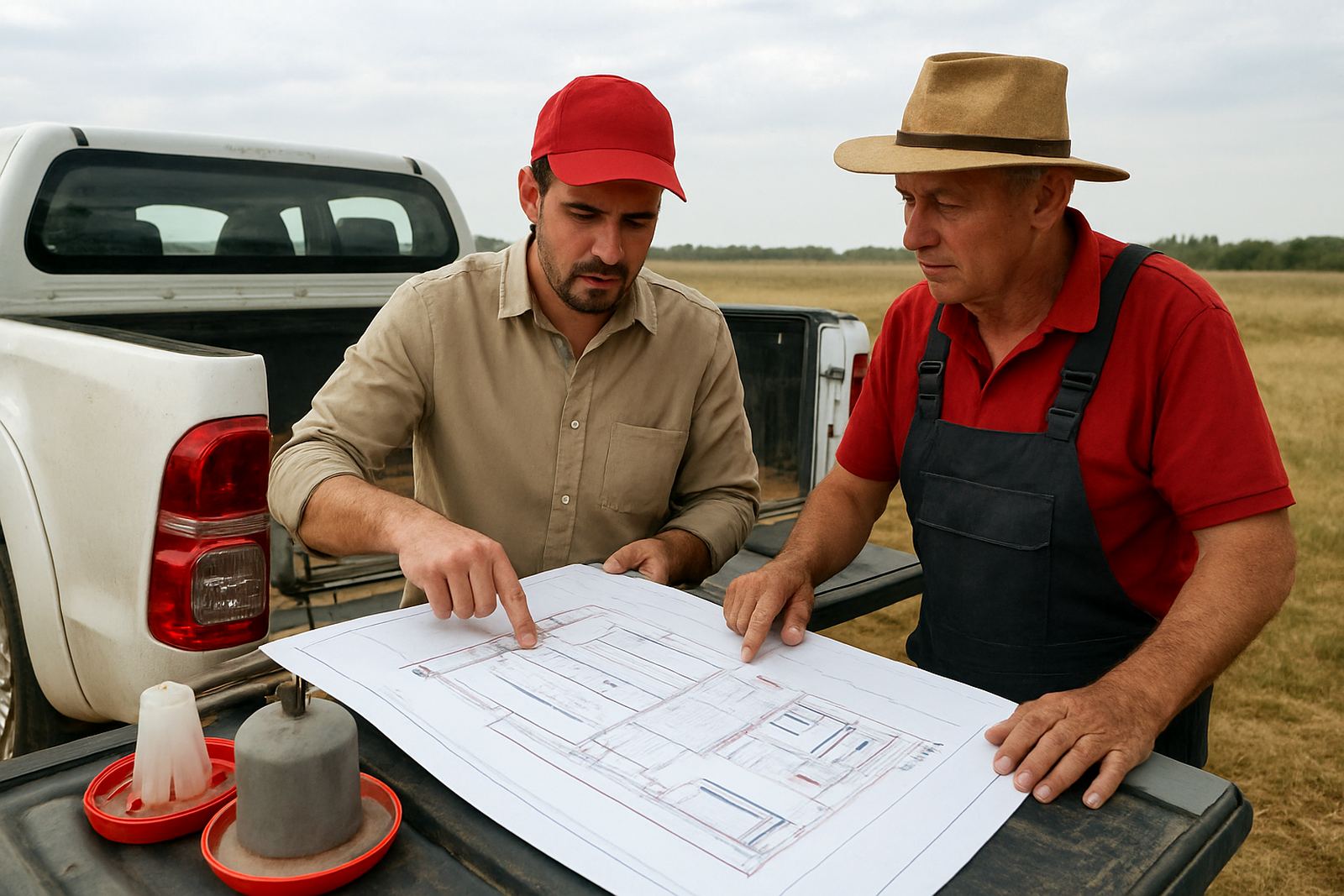
We normally confirm the following points on site: current bird numbers, planned increase in stock, water supply pressure, electrical capacity, spare breaker space, and any local municipal limits on effluent or processing discharge. If a farm is in a district with strict building control, we help keep the upgrade within the original footprint where possible. That reduces delays and usually keeps costs under control too.
- Measure usable space and service clearances
- Check power availability and backup options
- Review water pressure, lines and storage
- Confirm drainage and wash-down routes
- Agree on the best installation window
How the upgrade process runs from first visit to handover
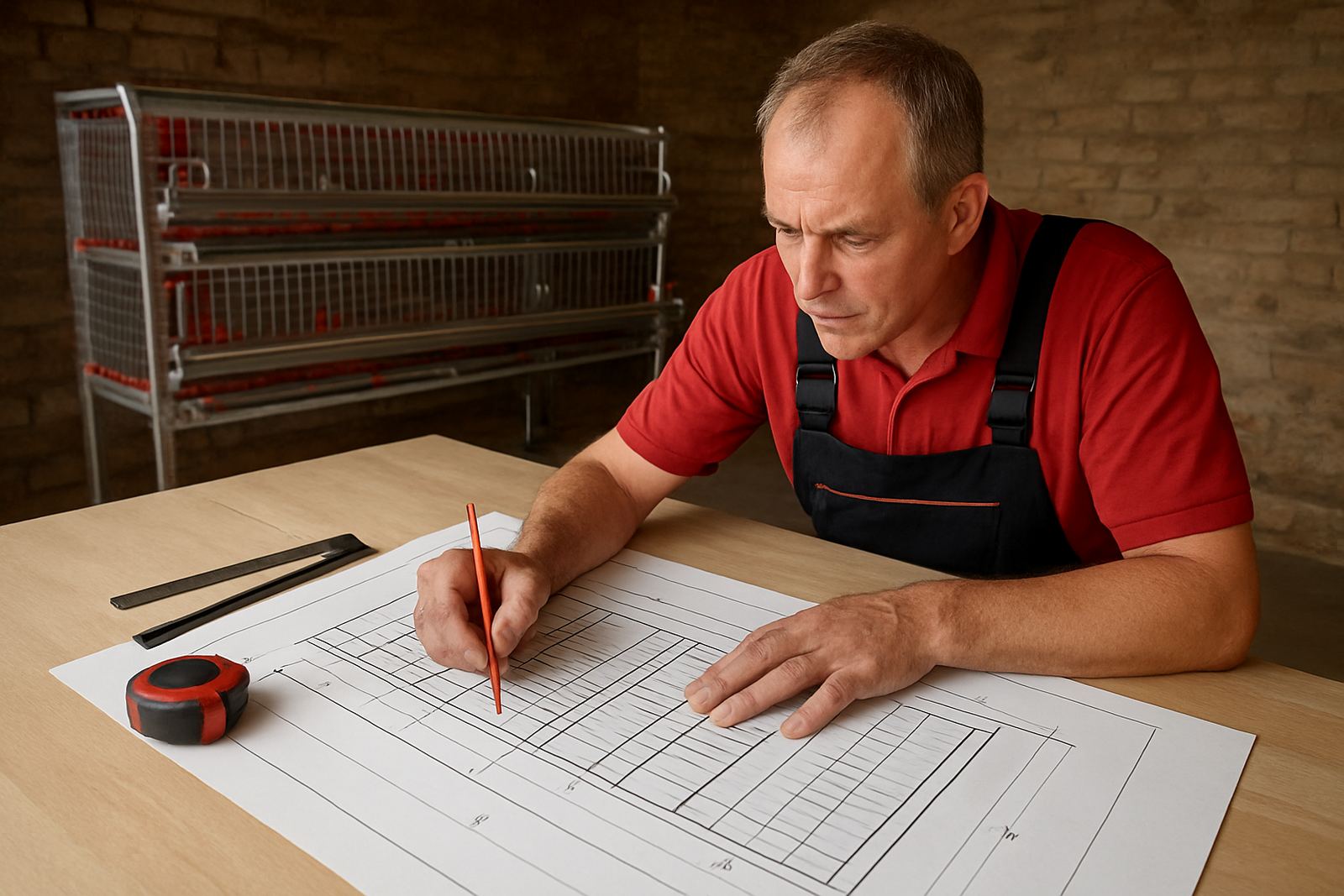
We keep the process simple and practical. After the site visit, our team prepares a scope that shows what will be added, moved, or replaced. The scope covers equipment selection, house layout changes, installation supervision, and commissioning. If the site needs staged work to keep birds in production, we split the job into clear phases so the farm can keep moving.
Once the order is confirmed, procurement is planned around lead times and transport from our Jet Park base in Boksburg. Sibusiso Dlamini coordinates project timing, while Anika van der Merwe handles technical product matching and Musa Cele arranges operator training at handover. On larger sites, we work around bird cycles, cleaning schedules, and processing days so the new section comes online without a messy changeover.
- Initial site assessment and measurements
- Upgrade scope, drawings and equipment list
- Client approval and scheduling
- Delivery, installation supervision and checks
- Commissioning, training and handover notes
Typical equipment used in second-phase additions
The exact list depends on the house type and production target, but most expansion upgrades make use of matching equipment so the new section works with the old section. That can mean cage systems in 12, 20 or 30 bird modules, feeder trough extensions, nipple drinkers, water filters, egg trays or transfer points, and ventilation parts sized to suit the house volume. For hatchery or brooding expansion, we can supply incubators, brooders, drinkers, feeders, and temperature control accessories.
For processing room upgrades, the focus is on hygiene, space use, and easy cleaning. Stainless surfaces, wall protection, proper drainage falls, handwash points, and correct separation between clean and dirty movement are basic requirements. If the existing room is tight, we look at storage shifts and sequence changes rather than forcing in one large item that blocks the whole flow. That saves headaches later, and the team can still work without slowing down production.
- Layer cages in matched rows or sections
- Feeding and drinking lines with spare capacity
- Brooding units, incubators and temperature controls
- Processing room fittings, wash points and work surfaces
- Fans, timers, cable runs and support brackets
Pricing approach and what affects the final figure
Expansion upgrades are priced to the site, not from a one-size-fits-all list. The final figure depends on the number of birds being added, the equipment type, whether structural work is needed, and how far the site sits from our supply route. A straightforward add-on inside an existing house will cost less than a job that needs new power reticulation, drainage changes, or phased installation while birds remain on site.
We quote in clear line items so clients can see where money is going. That usually includes equipment supply, transport, installation supervision, commissioning, and any training needed. If the job is staged over a few months, we can split supply into parts to match cash flow and production timing. It is often better to upgrade in the right sequence than to rush the lot and end up reworking it later.
- Equipment supply by section or phase
- Installation supervision and commissioning
- Transport and site access requirements
- Optional maintenance or spares packages
Maintenance intervals after the upgrade is live
Once the new section is running, maintenance should not be left for when something breaks. For layer and brooding systems, we recommend a quick weekly inspection of drinkers, feed delivery, fasteners, motors, and control settings, plus a monthly check on wear points, corrosion, and cleaning condition. In coastal or high-humidity areas, small rust spots can spread fast if they are ignored.
Every three to six months, depending on stocking rate and dust levels, the farm should carry out a fuller service that includes alignment checks, moving parts, electrical connections, and any section that has been under extra strain during peak production. Thabo Nkosi can arrange service support and Nadine Jacobs manages spares supply, so replacement parts are on hand before downtime becomes a problem. If a site is running through hot months or unstable power supply, a tighter service cycle is worth the effort.
- Weekly visual checks by the farm team
- Monthly wear and cleaning inspection
- Three to six monthly service visits
- Seasonal review before hot or wet periods
Key facts
| Turnaround | Site check to scope within 3 to 7 working days, subject to location and access |
|---|---|
| Typical upgrade sizes | From single-house add-ons to multi-house phase two expansions |
| House spacing | Layout planned around existing aisles, service gaps and cleaning access |
| Electrical needs | Single-phase or three-phase review, plus backup and load-shedding planning |
| Water requirements | Pressure, storage and line capacity checked before equipment is added |
| Maintenance cycle | Weekly checks, monthly inspection, then 3 to 6 monthly servicing |