What our installation supervision covers on site
Our installation supervision service is for laying hen houses, hatchery rooms, broiler support areas, feed handling spaces and abattoir equipment fitments. We work from approved drawings, equipment schedules and the agreed house layout, then stay on site while the installation team assembles and positions the equipment. The aim is simple: keep levels, clearances, fixings and service points where they should be so the system works as planned once power, water and ventilation are switched on.
In practical terms, supervision is there to catch small issues before they become expensive ones. That includes checking anchor points, chain runs, tray slopes, pipe routes, control panel positions, clearance for doors and wash-down access. On rural sites around Limpopo or Mpumalanga, we also factor in supply interruptions, dusty access roads and wet-season delays. In coastal areas, stainless and galvanised components need extra care during unpacking and storage to avoid staining or corrosion before commissioning.
- Verification against approved layout and equipment list
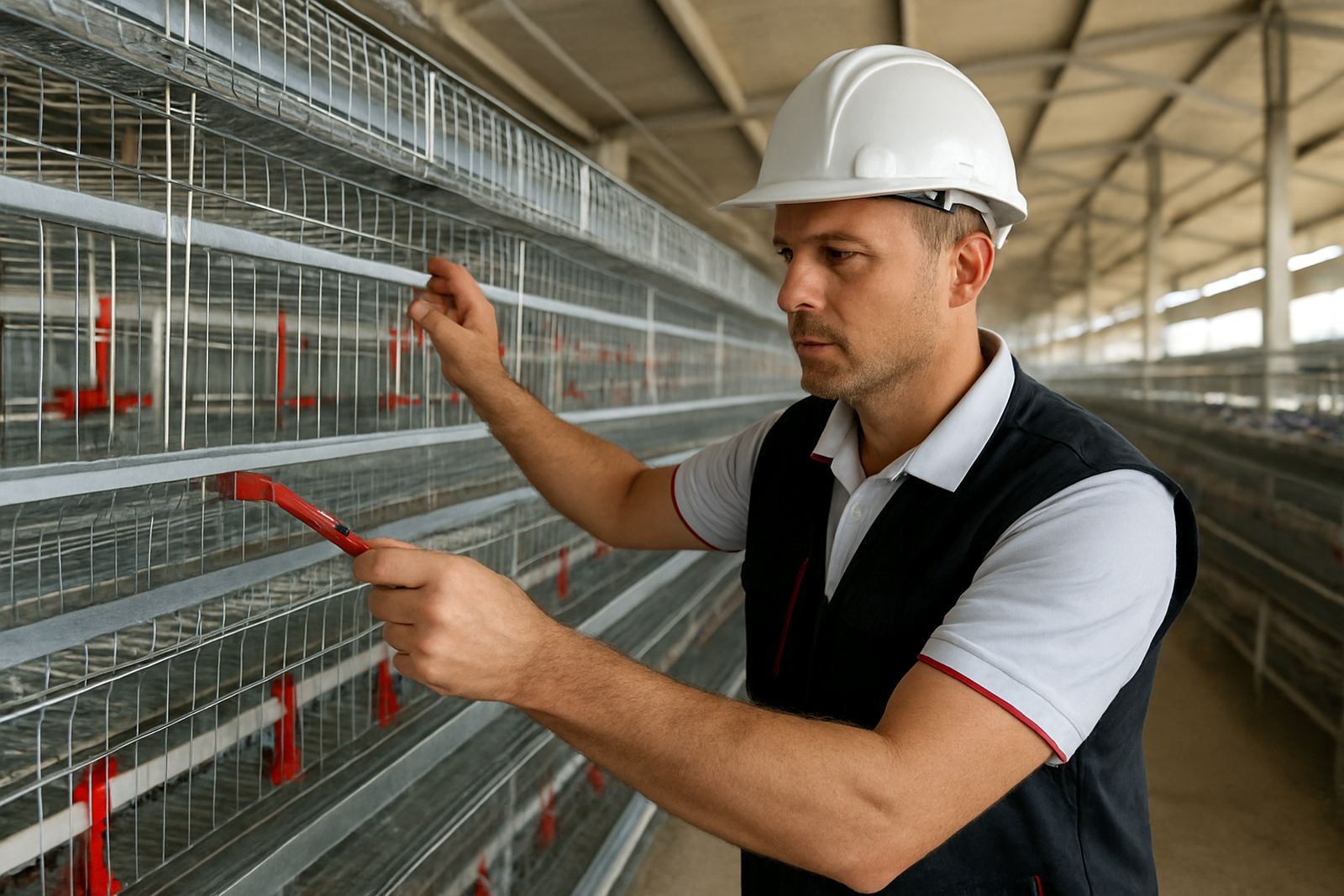
- Positioning checks for cages, feeders, drinkers and conveyors
- Coordination of electrical, plumbing and ventilation interfaces
- Site walk-throughs with contractors before handover
How the supervision process runs from arrival to handover
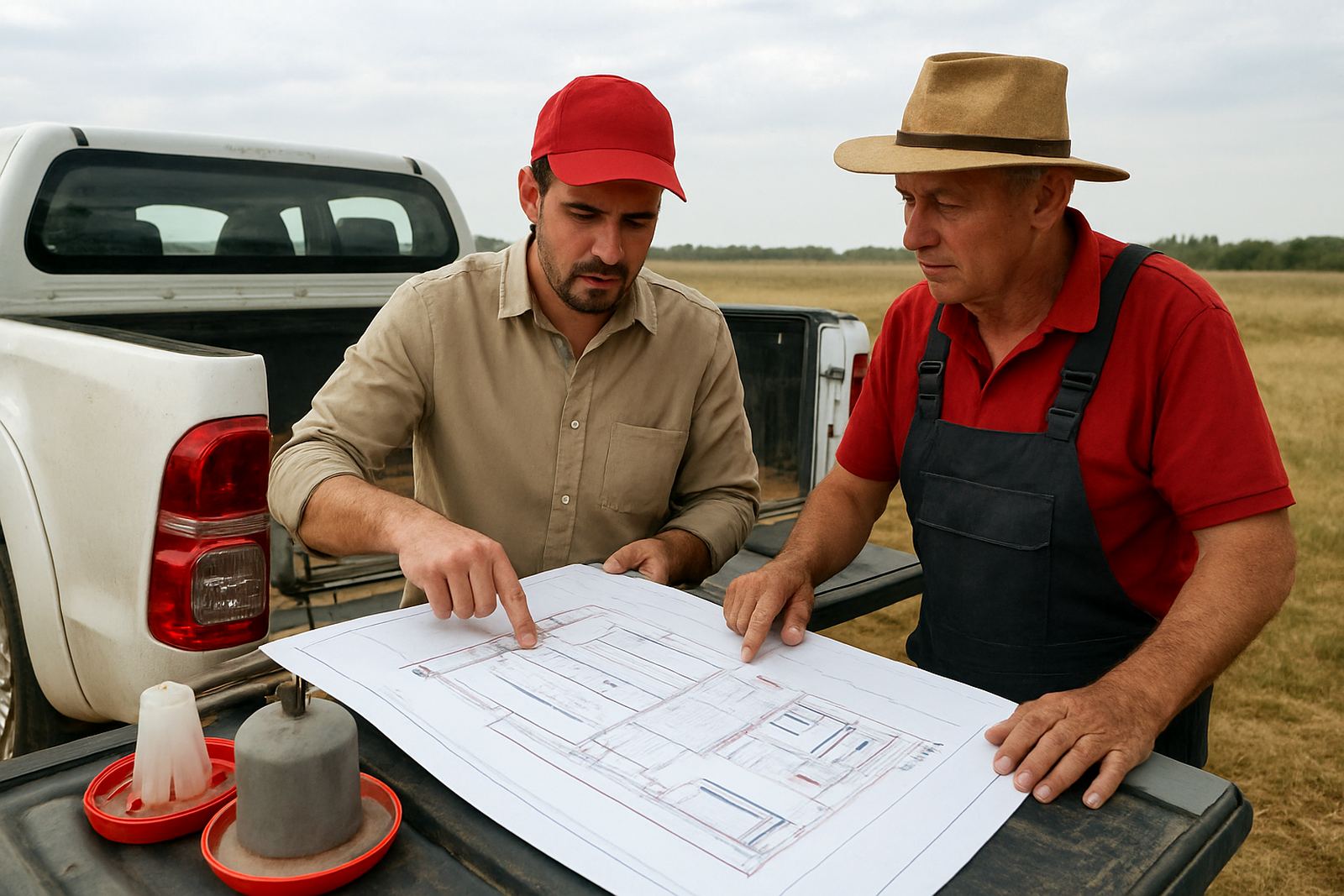
We usually start with a pre-installation call and document review before anyone lifts a spanner. Our team checks the latest drawing set, delivery list, power requirements and any municipal or site rules that affect the work. If the project is in Gauteng, North West, the Free State or KwaZulu-Natal, we plan for local contractor availability, lift access and the lead times for fixings or consumables. That early planning helps avoid the stop-start work that wastes labour and affects the handover date.
On site, our supervisor works with the client, installers and service partners to confirm the sequence of work. We check what is fixed, what still needs alignment and what must stay protected until commissioning. Where needed, we stop the team for correction before the fault gets buried under cladding, cable tray or concrete. It saves time later, and it keeps the installation clean and serviceable.
- Pre-start review of drawings, power and water points
- Daily site checks during assembly and fitment
- Issue log with corrective actions and sign-off points
- Final inspection before commissioning and training
Typical technical checks during installation
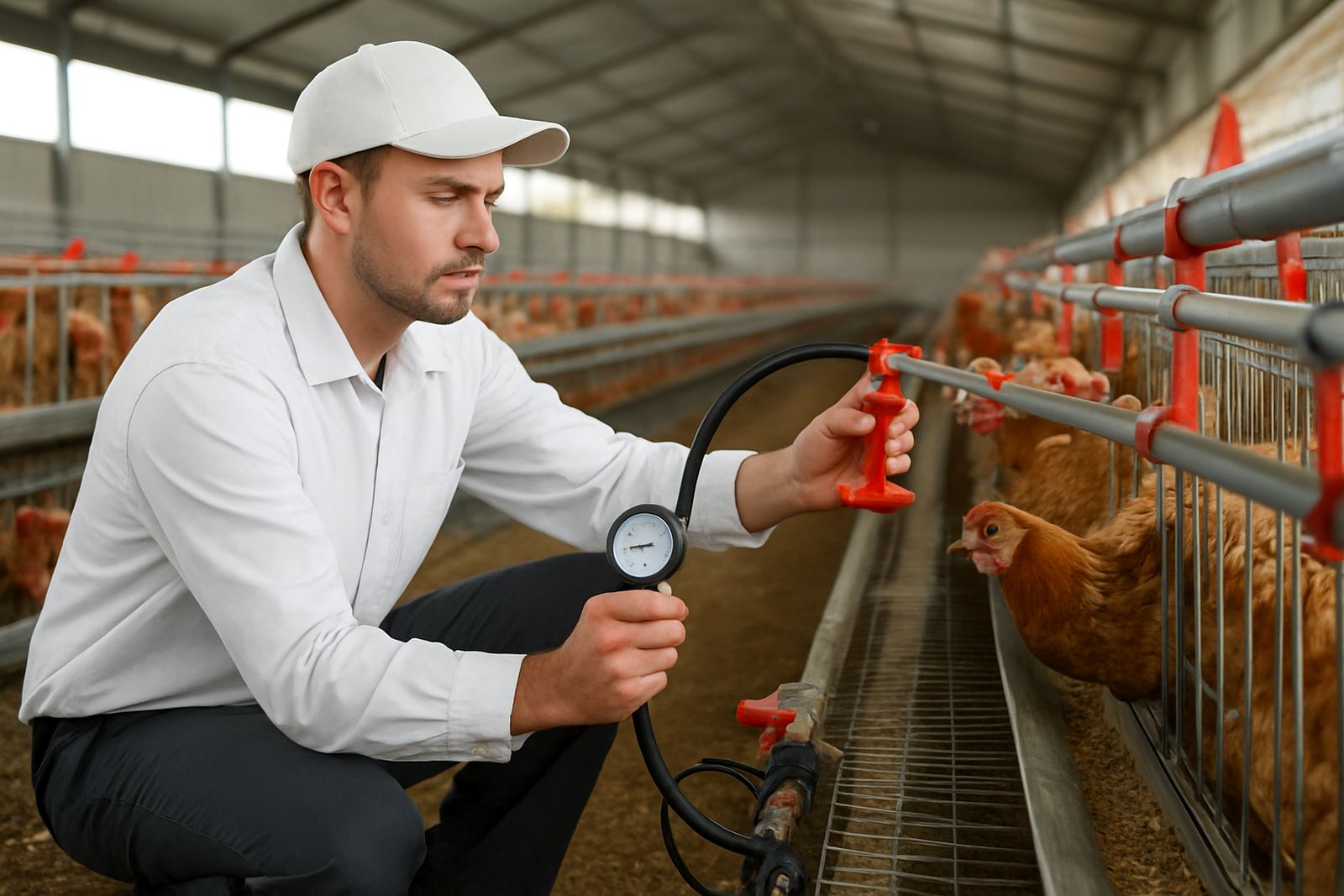
Every project has its own equipment mix, but the technical checks are similar. Laying-hen cage lines need straight runs, correct bay spacing and secure feed and drinker alignment. Incubators and brooders need airflow, drainage and access around the doors for maintenance. Processing room equipment needs hygienic clearances, correct floor falls and enough room for cleaning between shifts. If a house is running on backup power or a generator because of load-shedding, we also check that the essential circuits and control panels are protected and labelled properly.
We work with practical tolerances. A small misalignment at the start can cause chain wear, uneven feed distribution or blocked access for cleaning. That is why our supervision includes measurement against the drawing, not just a quick visual check. Where the site is exposed to high humidity, we pay close attention to fasteners, sealant points and equipment storage so the installation starts in good condition and stays that way.
- Level and plumb checks on frames, cages and support steel
- Pipe, nipple and drinker line spacing verification
- Feeder line height and travel checks
- Access route checks for operators, cleaning and maintenance
Turnaround times and how scheduling works
Turnaround depends on project size, site readiness and whether the building is already handed over for equipment work. A single house fitment may need only a few days of supervision, while a multi-house poultry project or abattoir upgrade can run for several weeks in stages. We plan the attendance around critical milestones such as offloading, frame erection, line setting, electrical terminations and first run testing. If the site is in Boksburg, the East Rand or a nearby industrial area, response times are often quicker. For remote farms, we coordinate travel and site access early so there are no surprises.
We do not promise impossible dates. If the building is still wet, the floor is not cured or the services are not ready, we will say so. It is better to hold a day than install equipment on a surface that will shift, crack or contaminate the final fitout. That approach keeps the project realistic and helps the client plan labour, birds, stock movement and delivery windows properly.
- Short projects: 1 to 3 working days of supervision
- Medium projects: 4 to 10 working days, depending on house count
- Larger turnkey sites: staged attendance over several weeks
- Rush attendance can be arranged subject to site readiness and travel
Pricing approach for supervision on South African sites
Our pricing is based on the scope of work, travel distance, number of installation days and the complexity of the equipment. A poultry house with standard cage lines and drinker systems is priced differently from a full processing room fitout or a project with several houses spread across one farm. We quote after reviewing the drawing set and the project schedule, then allow for site meetings, supervision days, reporting and any follow-up visits needed before sign-off.
We are upfront about what is included. If the scope changes after the quote, because of a layout adjustment or added equipment, we update the instruction before the extra work starts. That keeps the commercial side clear and avoids disputes later. The result is a cleaner job file and fewer surprises for the client, especially when procurement is tied to staged payments or farm budgets.
- Quoted per project, per day, or by installation phase
- Travel and accommodation allowed where required
- Additional call-outs priced separately if scope changes
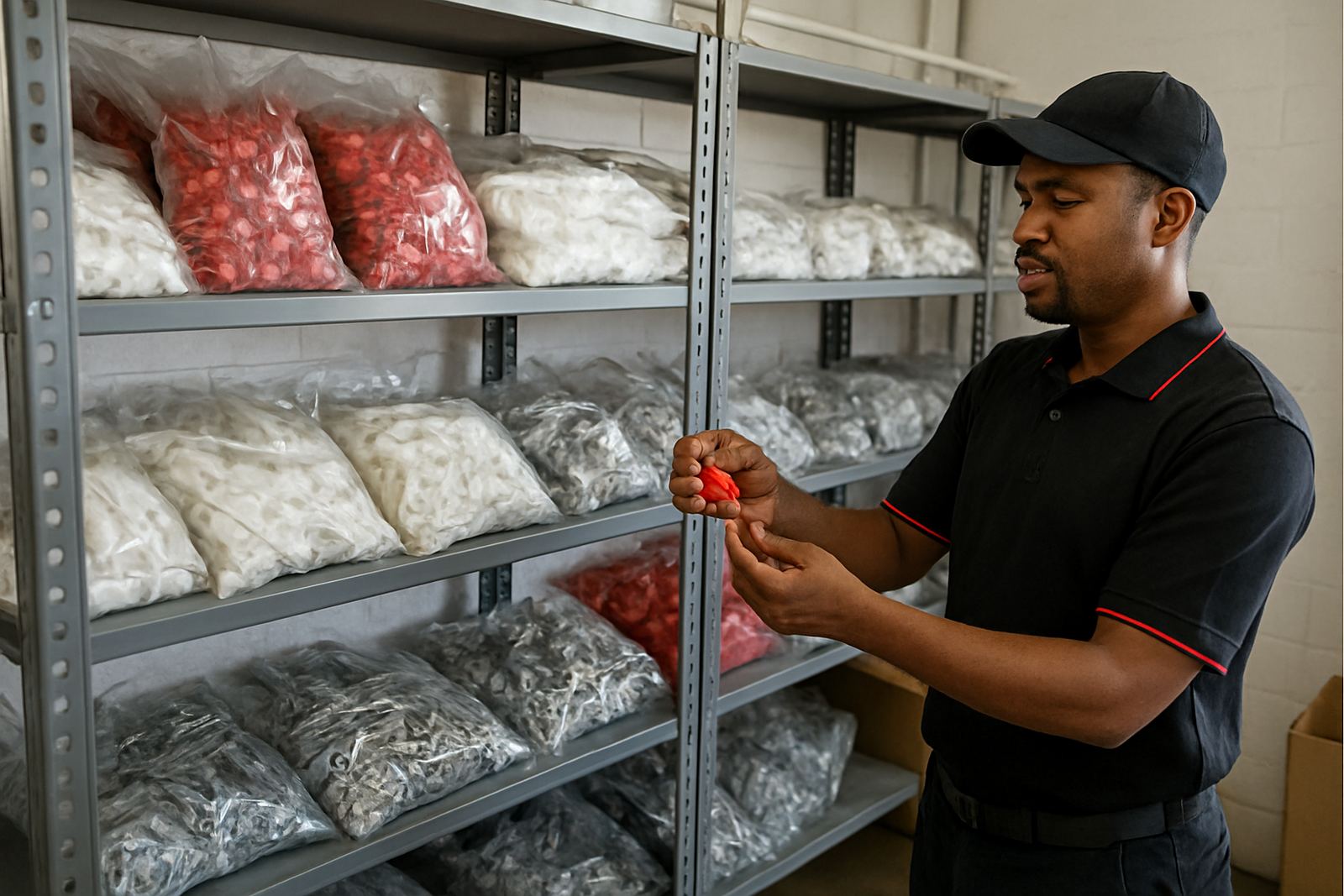
- Spare parts and consumables supplied on request
Maintenance intervals after installation and handover
Once the system is installed and commissioned, maintenance should not wait for a breakdown. We normally recommend a first inspection after the initial operating period, then scheduled checks at monthly or quarterly intervals depending on usage. On laying-hen systems, that means checking chains, motors, drinker pressure, egg collection interfaces and wear points. In hatchery and brooder areas, it means checking airflow, thermostats, heating equipment and cleaning access. Abattoir equipment needs routine attention on moving parts, safety devices and wash-down conditions.
For coastal and high-humidity areas, inspections may need to be closer together because corrosion and moisture build-up can show up faster. For farms that operate through load-shedding, generator use and repeated stop-start cycles can also affect settings, so service intervals should be kept tight at the start. We can set a practical maintenance programme to match the house cycle, not just a fixed calendar date.
- Initial post-start inspection after first operating cycle
- Monthly checks for busy production houses
- Quarterly checks for lower-intensity installations
- Immediate inspection after major repairs, storms or power issues
Why clients ask us to supervise the job
Clients use this service because equipment only performs properly when the installation matches the drawing and the people on site know what standard they are working to. Our team has experience across Gauteng, Mpumalanga, Limpopo, North West, the Free State and KwaZulu-Natal, so we understand farm layouts, municipal requirements and the realities of getting a project finished in stages. The result is practical supervision, not office theory.
John F Marshall was founded in 2009 and continues to support agriculture and industry from our Jet Park, Boksburg base. Under the guidance of John Frederick Marshall and the wider team, we keep the focus on workable outcomes, safe handover and reliable operation. If you need installation supervision for a new house, an upgrade or a processing room fitout, we can support the project from the first fix through to commissioning and operator training.
- Direct site oversight from an experienced South African project team
- Better alignment between drawings, equipment and operating goals
- Clear handover records and practical follow-up support
Key facts
| Service type | On-site installation supervision for poultry and agri equipment |
|---|---|
| Coverage | Gauteng, Mpumalanga, Limpopo, North West, Free State, KwaZulu-Natal |
| Typical equipment | Laying-hen cages, incubators, brooders, feeders, drinkers, abattoir equipment |
| Turnaround | 1 to 10 working days for most projects, larger sites by phase |
| Pricing basis | Per project, per day, or per installation phase |
| Follow-up | Maintenance checks, sign-off support and corrective call-outs |