Brooding Brief For A Tzaneen Poultry House
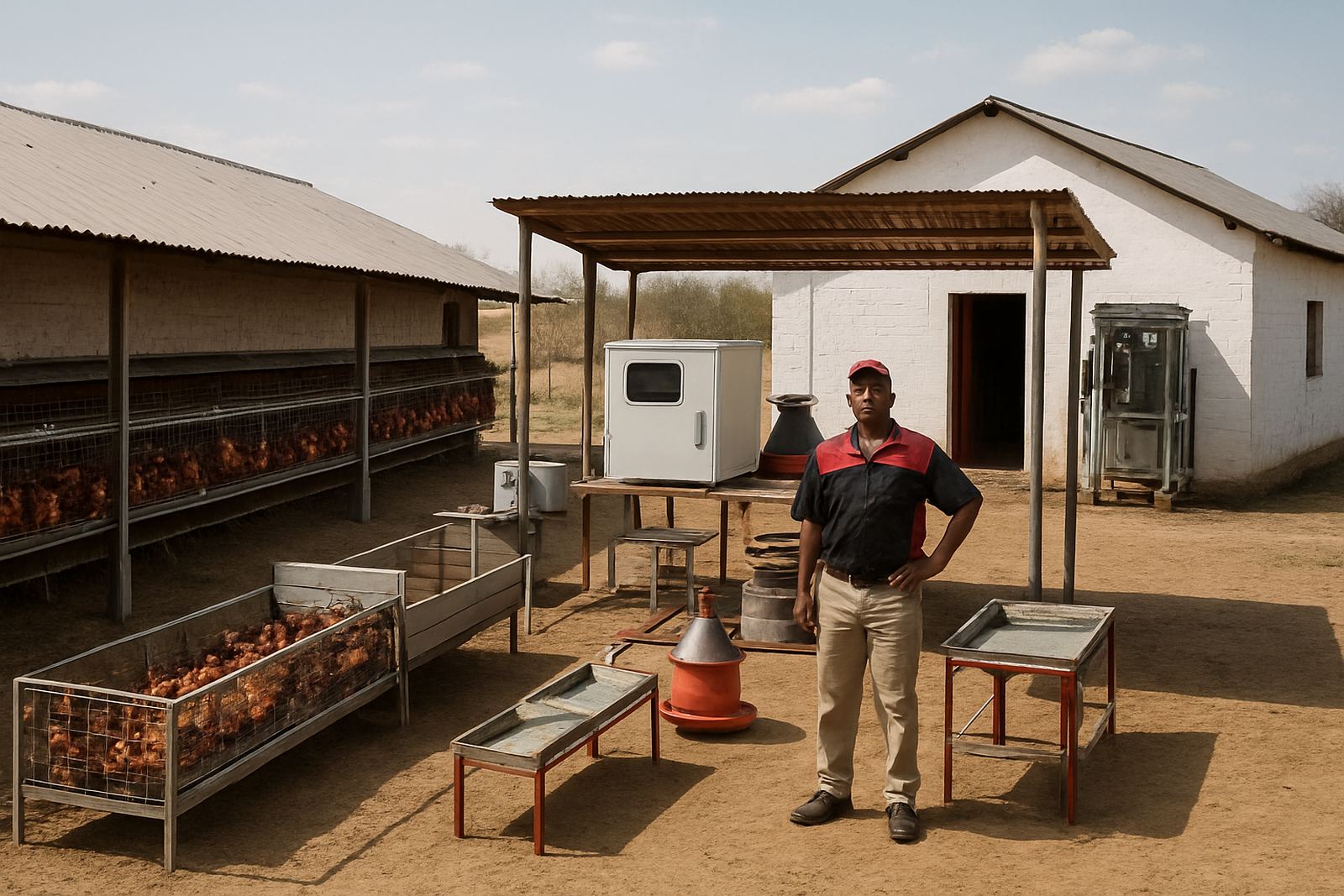
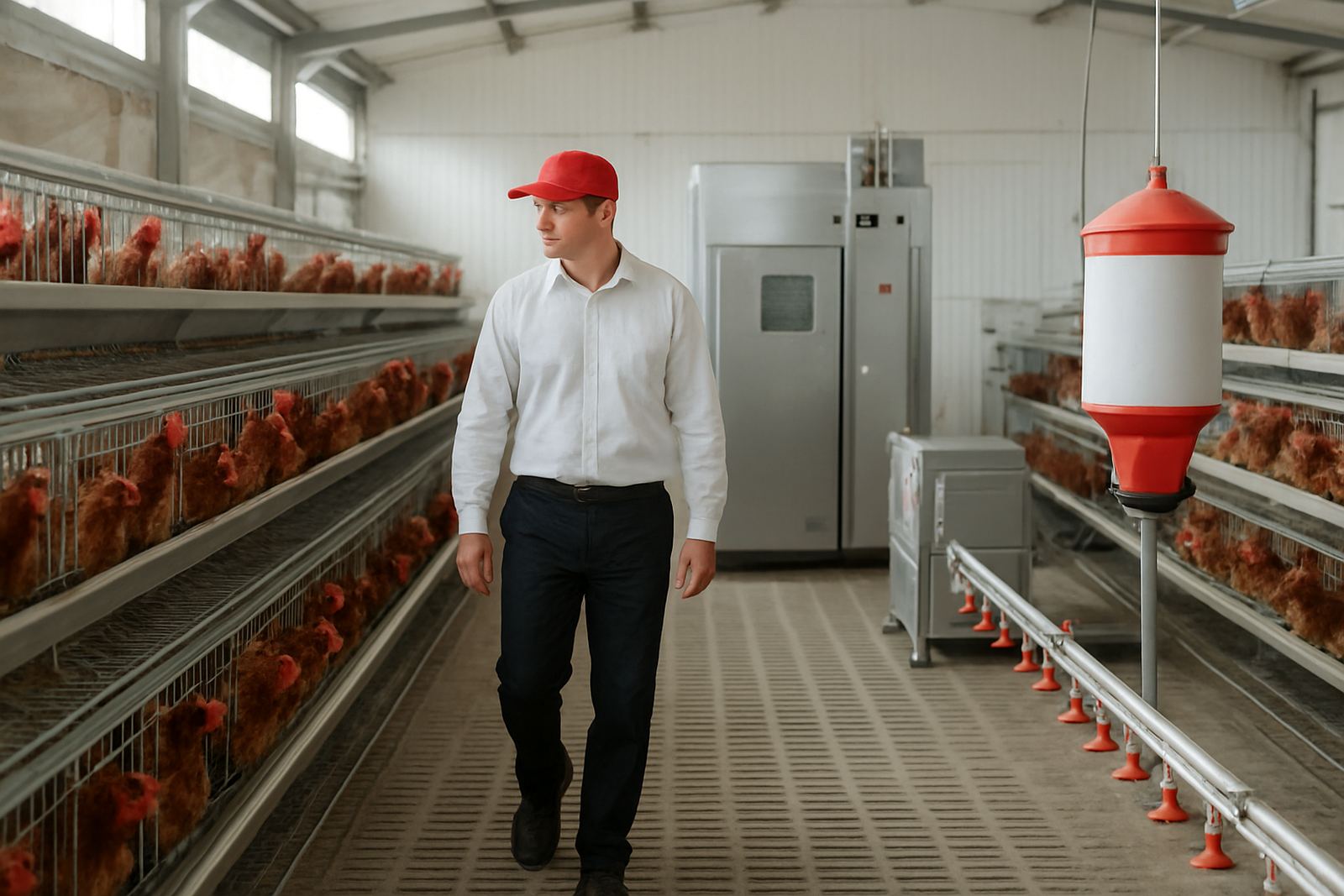
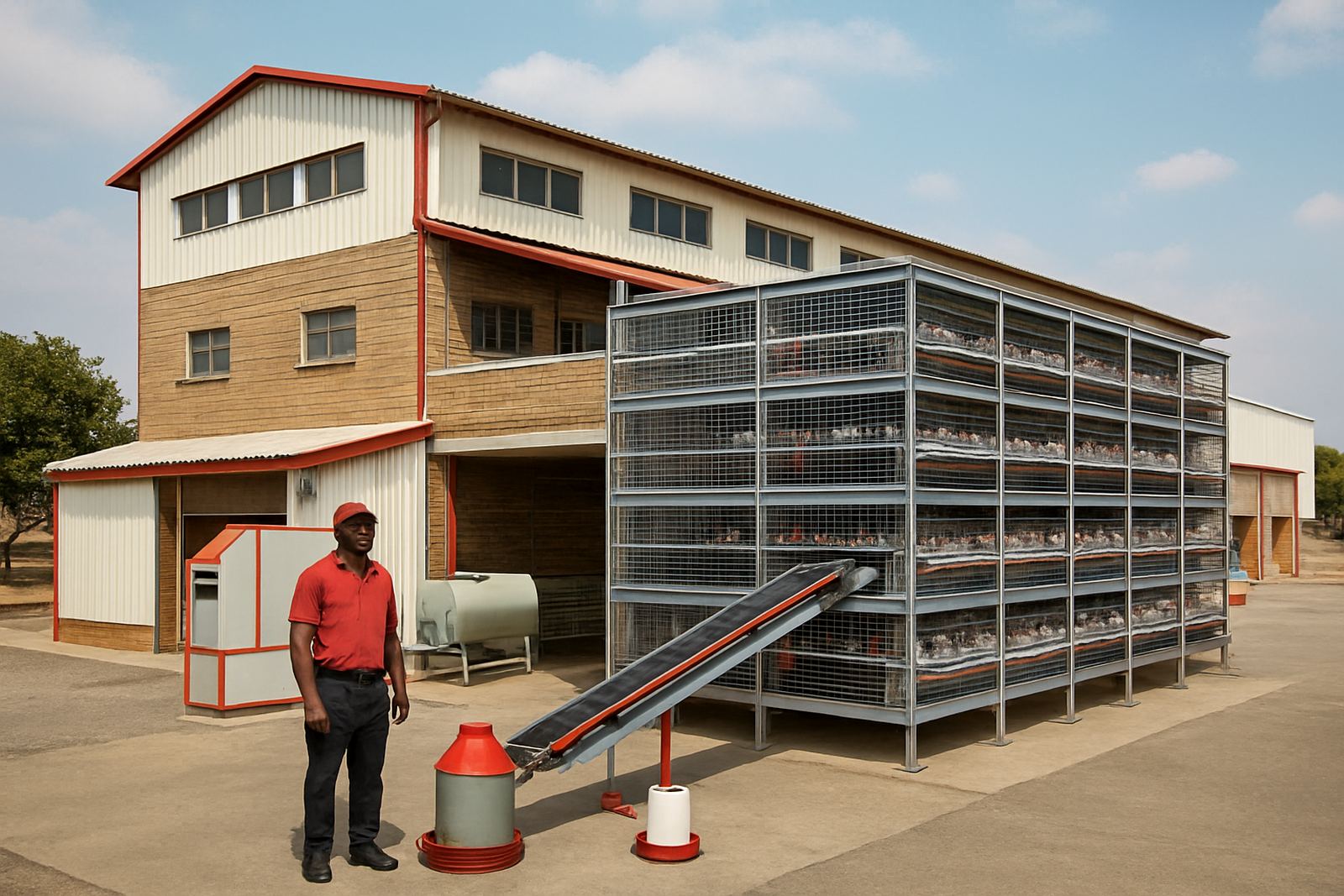
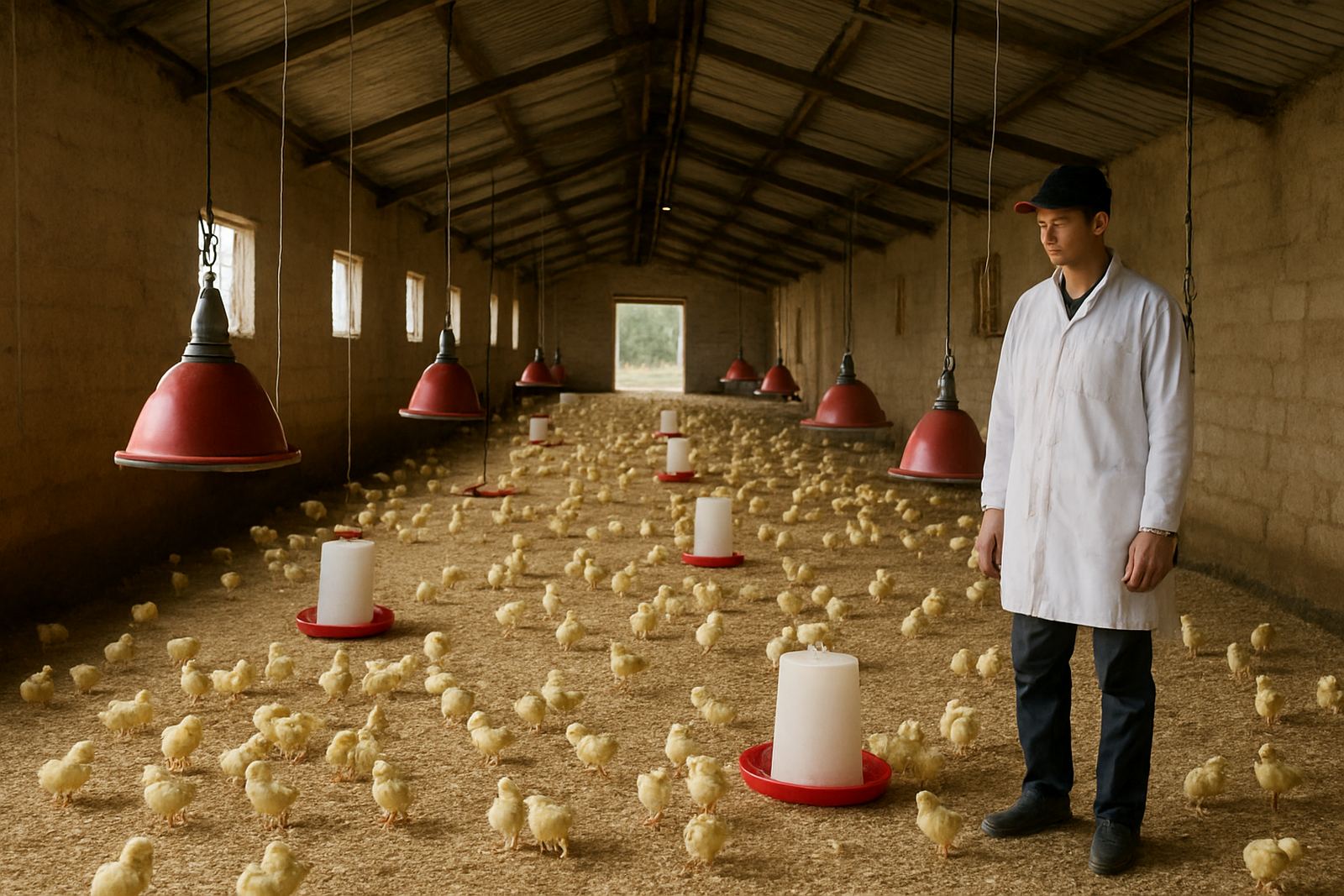
The client was a growing poultry operation based near Tzaneen, serving the wider Mopani area. The aim was straightforward: create a brooding barn that could take young birds from day one through the first critical weeks with steady heat, easy feeding, and drinker placement that would not waste water on the floor.
The house had to cope with hot afternoons, cooler early mornings, and the kind of humidity that can show up fast in the Lowveld. The client also wanted a layout that could be managed by a small team, with clear walkways, easy cleaning, and enough flexibility to change bird numbers from one cycle to the next.
- Project type: brooding barn for starter birds
- Town: Tzaneen, Limpopo
- Main focus: heat, feed access, and water control
- Operating need: practical layout for daily barn work
House Layout And Heating Plan
We started with site planning and a house layout review, then worked out the heating pattern around the floor space, entry points, and draft control. The heating layout was designed to hold a stable temperature in the brooding zone, instead of pushing heat into the full house where it would be wasted. That matters in Tzaneen, where daytime temperatures can rise quickly and chicks still need warmth at floor level in the first days.
The heating points were arranged to give even coverage through the centre and edges of the brooding area. We also allowed for safe access to the units for cleaning and checks, which is important when load-shedding or power interruptions force the team to restart equipment later than planned. The final layout made it easier to keep the brooding zone warm without overdoing the output, and that saved fuel use over the cycle.
- Heating layout matched the brooding circle and bird density
- Clear service access kept maintenance simple
- Floor-level comfort was prioritised over high ceiling heat
- Layout allowed for staged expansion if flock sizes increase
Starter Feeding Points And Drinker Lines
The feeding plan was built around starter feeding points that could be reached by the chicks without crowding. Feeders were placed so birds would spread evenly, which helps reduce weak spots in the flock and keeps smaller birds from being pushed out. The drinker lines were set at a height that suits young birds and can be adjusted as they grow, so there is less spill and less wet litter.
For a brooding house, water management is just as important as heat. In humid weather, even small leaks can turn into damp litter fast. We therefore set the drinker line positions with enough spacing for inspection and cleaning, and made sure the feed and water routes did not cross in awkward ways. That small bit of planning saves time every day and cuts down on avoidable mess.
- Starter feeding points placed for easy chick access
- Drinker lines fitted for adjustable bird height
- Spacing allowed better inspection and cleaning
- Layout reduced spill and wet litter risk
What We Supplied And Supervised On Site
We supplied the brooding equipment package and handled installation supervision from start to finish. The work covered the heat setup, feeding points, drinker line positioning, and the practical checks needed before placing birds. Our technical team worked with the client to make sure the equipment sat correctly in the house and that the routes for water and power were tidy and safe.
We also advised on spare parts and day-to-day service items, because a brooding barn cannot wait for a problem to become serious. The client received guidance on routine checks, operating temperature changes, and how to keep the system working during local outages. In a house like this, the aim is not fancy kit, it is kit that does the job and can be looked after by the team on site.
- Equipment supplied for heating, feeding and drinking
- Installation supervision managed on site
- Pre-opening checks completed before bird placement
- Practical spares advice given for routine servicing
Timeline, Commissioning And Handover
The project ran over 5 weeks from layout confirmation to final handover. Week one covered planning and measurements, week two involved equipment selection and order release, week three was delivery and preparation, week four covered installation supervision, and week five was commissioning and operator training. That sequence kept the job organised and gave the client time to prepare the house properly before birds arrived.
Commissioning focused on heat response, line height, flow checks, and making sure the brooding area could be managed by the team with confidence. We walked through startup steps, shutdown steps, cleaning points, and the first-day checks that matter most. A brooding room or barn often fails because small details are missed, so we checked those first and left the team with a clear routine.
- Project duration: 5 weeks
- Included commissioning and operator training
- House checks completed before bird placement
- Startup and shutdown steps explained on site
Results And What We Would Repeat
The finished brooding barn gave the client a cleaner layout, easier daily access, and better control over early bird management. Heat was concentrated where it was needed, feed and water points were easier to monitor, and the house could be handled by a small team without constant guesswork. That matters in a production area where labour time, electricity supply, and weather changes can all affect the cycle.
If we were to repeat this job, we would keep the same focus on early planning, simple access, and adjustable lines that suit bird growth. We would also confirm power backup and service access earlier in the process, especially for projects in areas where outages and storm season can interrupt work. The final result was practical, tidy, and ready for routine use, which is what most poultry producers actually need.
- Better control of brooding temperature and access
- Less wasted water and less wet litter
- Daily management made simpler for the team
- Suitable for future house expansion or re-layout
Key facts
| Project | Tzaneen brooding barn |
|---|---|
| Town | Tzaneen, Limpopo |
| Project duration | 5 weeks |
| Main equipment | Heating layout, starter feeders, drinker lines |
| Service scope | Site planning, installation supervision, commissioning, training |
| Business base | Jet Park, Boksburg |