Standerton breeder house brief
The client was a poultry business in Standerton looking to set up a breeder house that could run steadily through long production cycles and stand up to local conditions. The brief was clear: give the birds proper nesting, accurate feeding and reliable water management, with a layout that would be simple for staff to work every day.
This was not a case of just dropping in equipment and walking away. The house had to suit a working farm environment where labour is not always abundant and where equipment must cope with dust, cold mornings, summer heat and the occasional interruption to supply. We worked from the floor plan, checked the bird numbers, and made sure the equipment matched the house size and movement patterns in and out of the building.
The project also needed to allow for practical cleaning and maintenance. In breeder houses, if access is poor, small issues become daily problems. So we focused on spacing, service points and a layout that would make inspections easier, not harder.
What made the site difficult
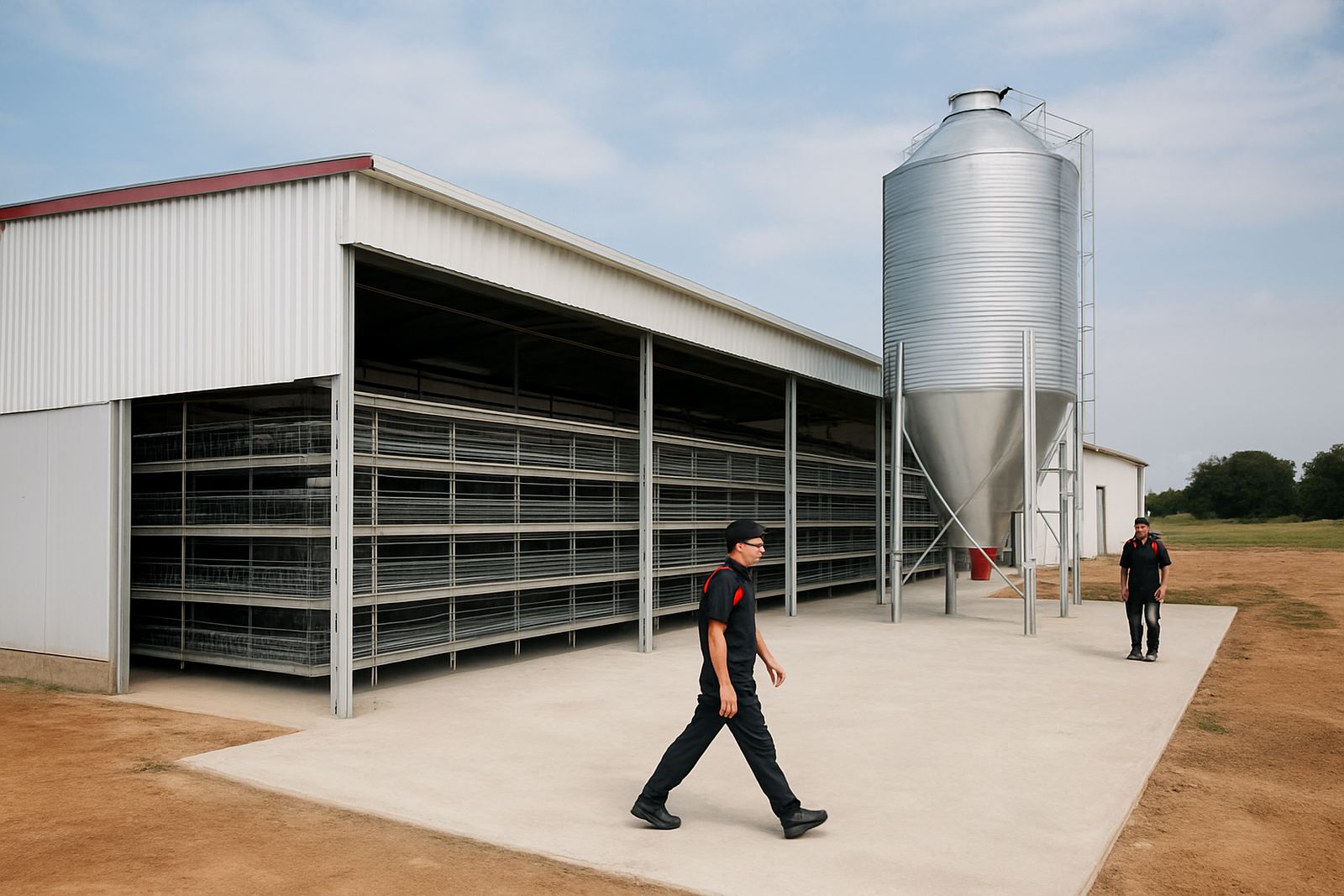
Standerton can be hard on poultry equipment because of temperature swings, fine dust and the need to keep water lines consistent across the house. The site also had to work within the normal pressure of a live farm, meaning the build could not drag on for weeks without affecting the rest of the operation.
The house shell was ready, but the internal setup still needed to be aligned properly. There were practical constraints around ceiling clearance, bird movement, and making sure feed lines and drinker lines did not interfere with nest access. We also had to plan around local power stability and give the client a setup that could be monitored easily during load-shedding periods.
- House length and layout had to suit breeder bird movement without crowding the centre aisle.
- Water lines needed even pressure from one end of the house to the other.
- All service points had to remain accessible for cleaning and daily checks.
- The client wanted equipment that could be maintained locally, with spares kept on hand.
Equipment supplied and installed
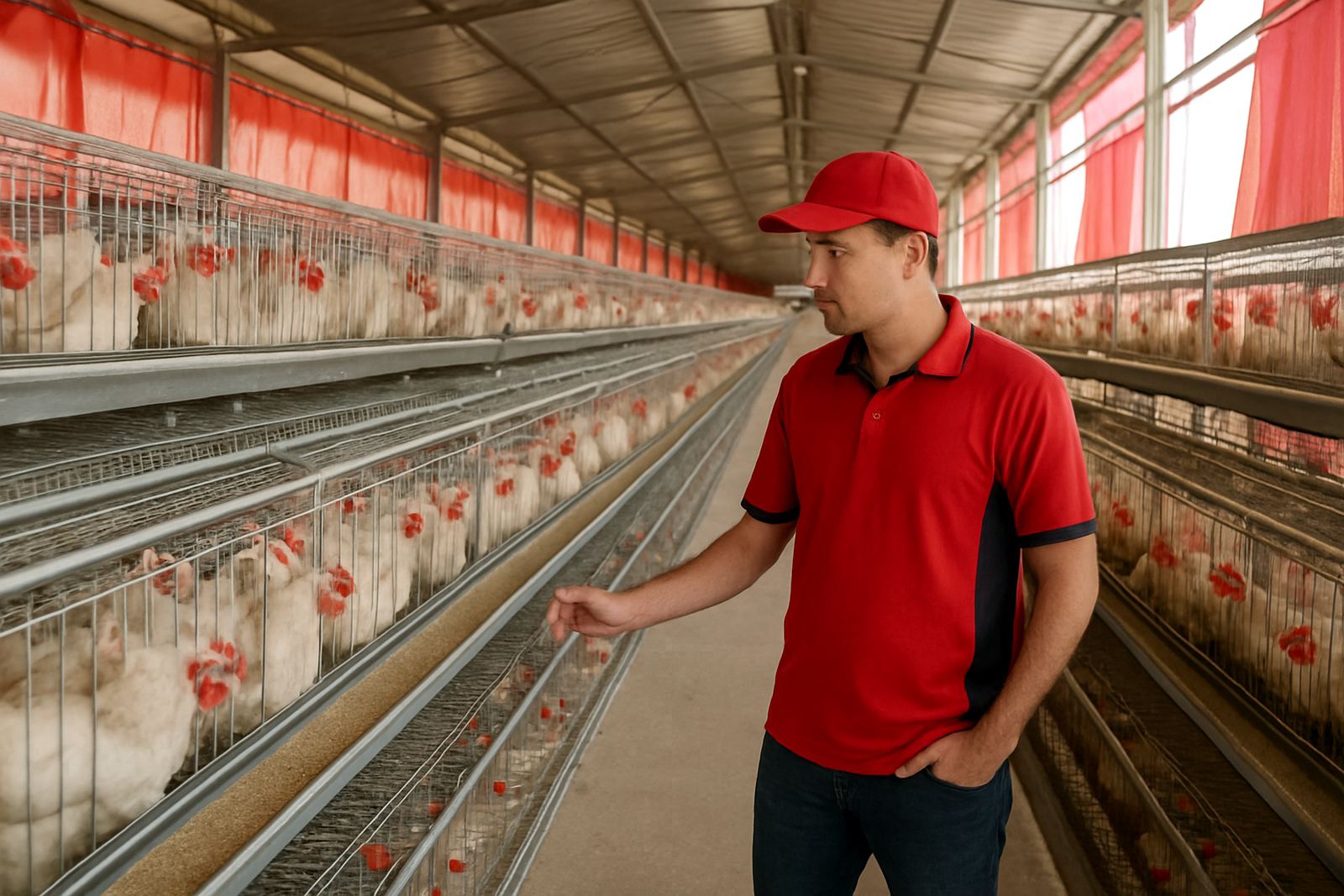
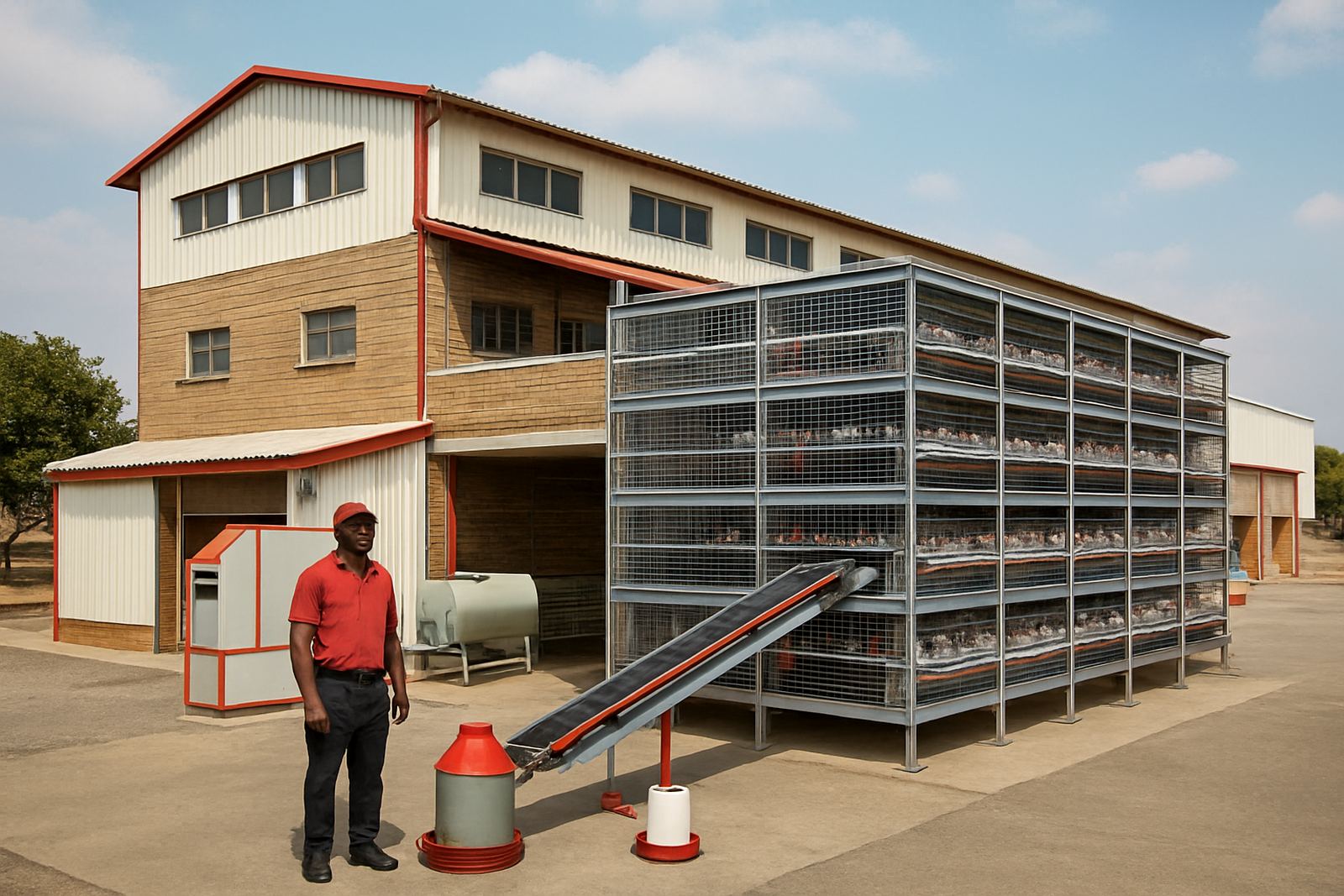
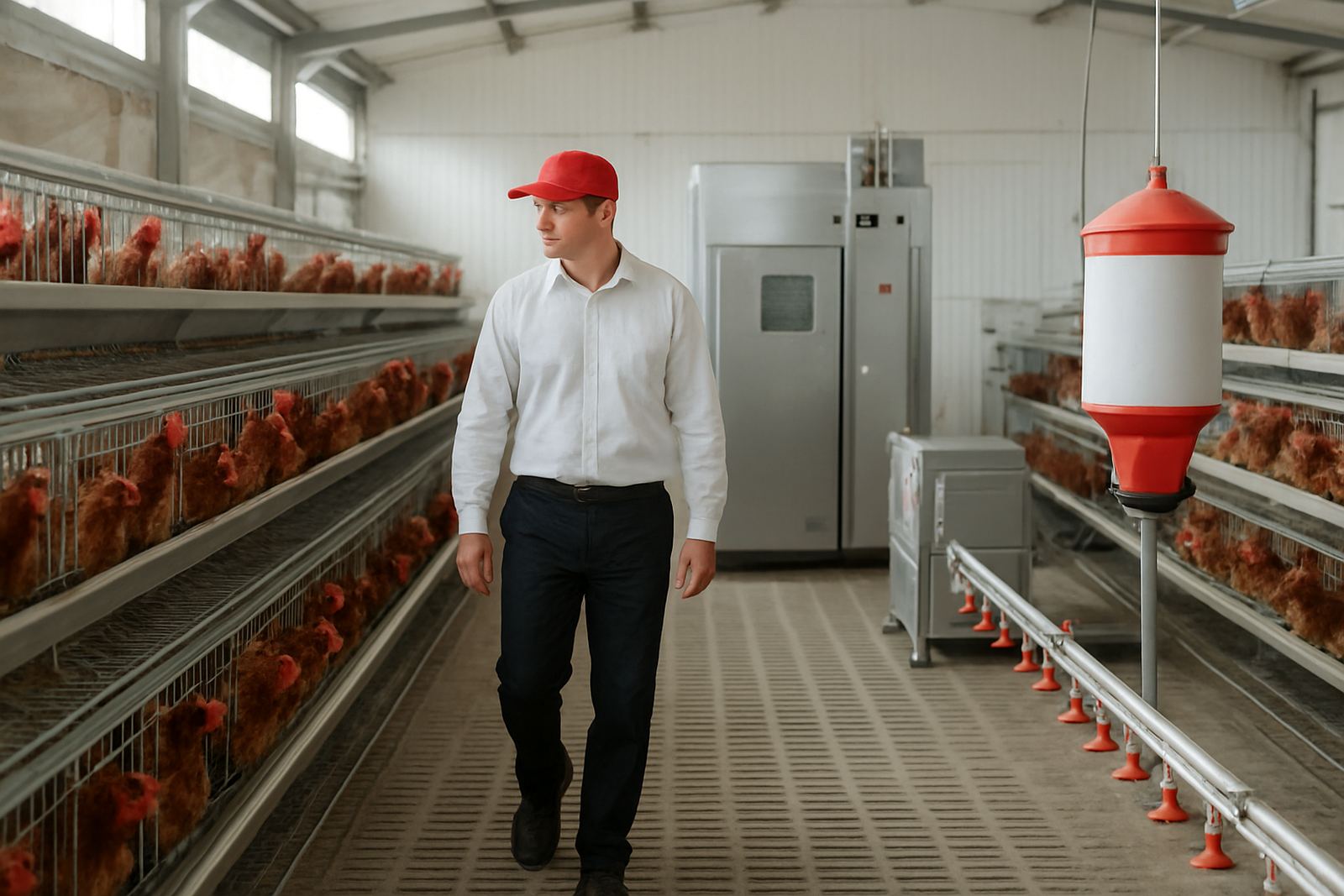
We supplied a breeder house package centred on nest systems, feed delivery and water management. The nest sections were arranged to support steady egg collection and to keep the floor cleaner. Feeders were positioned for even access, while the drinker system was set out to reduce spillage and keep litter drier under the lines.
Our team handled equipment selection, delivery planning, installation supervision and commissioning support. We also checked the house layout against the equipment footprint before anything went in, which saved time on site. Lerato Mokoena coordinated the work flow, while Sibusiso Dlamini managed the project steps and Thabo Nkosi handled the service side during handover.
- Nest systems sized for breeder house use, with practical access for collection and cleaning.
- Feeding points arranged to support even bird distribution along the house.
- Water lines fitted for consistent flow and easier monitoring.
- Basic spare parts and wear items included for quicker maintenance response.
Installation and commissioning in three weeks
The installation and commissioning phase ran over three weeks from arrival on site to final handover. Week one covered setting out, checking levels, positioning the main equipment runs and confirming clearances. Week two focused on mounting and alignment, including feed and water components. Week three was used for testing, fine adjustment and staff familiarisation.
Anika van der Merwe handled technical sales input during the early stage, making sure the package matched the brief and not just the brochure. Musa Cele then stepped in for operator guidance, showing the team how to inspect the lines, check water flow and watch for wear around the nest area. That support matters on breeder houses because small setup errors can affect egg quality and labour efficiency very quickly.
We also made sure the site team had a simple maintenance routine from day one, with clear checks for line height, water pressure, feed movement and nest cleanliness. That way the client was not left guessing after handover.
Results on the floor
Once the house was running, the client had a cleaner working environment, better bird access to feed and water, and a nest arrangement that made collection more orderly. The house became easier to manage shift by shift, which is a big deal when staff changes are regular and the weather can swing between cold mornings and hot afternoons.
The breeder house also showed better control around water use, which helped keep litter condition more stable. That matters in areas like Standerton where damp patches and dust can show up fast if the drinker setup is off by a small amount. The team reported that daily checks were straightforward and that the house was less awkward to service than the earlier layout.
- Cleaner nest area and easier egg handling.
- More even access to feed and water across the house.
- Better day to day monitoring for the farm team.
- Less time spent correcting minor line or access issues.
What we would repeat on the next breeder house
If we did this exact type of project again, we would keep the same order of work: measure first, match the bird numbers to the equipment, then install with service access in mind. That sequence saves trouble later and helps the house settle in faster. We would also keep the maintenance briefing short, practical and tied to the actual equipment on site, not a generic handover sheet.
For breeder houses in the Free State, Mpumalanga or Gauteng, we have found the same principle applies. Good planning is worth more than last minute changes. If the house is set up properly from the start, the client gets fewer callouts, better control over daily work and a system that is easier to keep on track year round.
John F Marshall has been handling poultry projects since 2009 from Jet Park, Boksburg, with work across Gauteng and the surrounding provinces. This Standerton project is a good example of how we approach breeder house equipment: practical, measured and built around how the farm actually operates.
Key facts
| Project location | Standerton, Mpumalanga |
|---|---|
| Project type | Breeder house equipment package |
| Main systems | Nest systems, feeders and water management |
| Timeline | 3 weeks from site set-out to handover |
| Scope of work | Supply, installation supervision, commissioning and operator training |
| Support | Maintenance guidance, spares supply and follow-up service |