A second phase for a working layer farm in Rustenburg
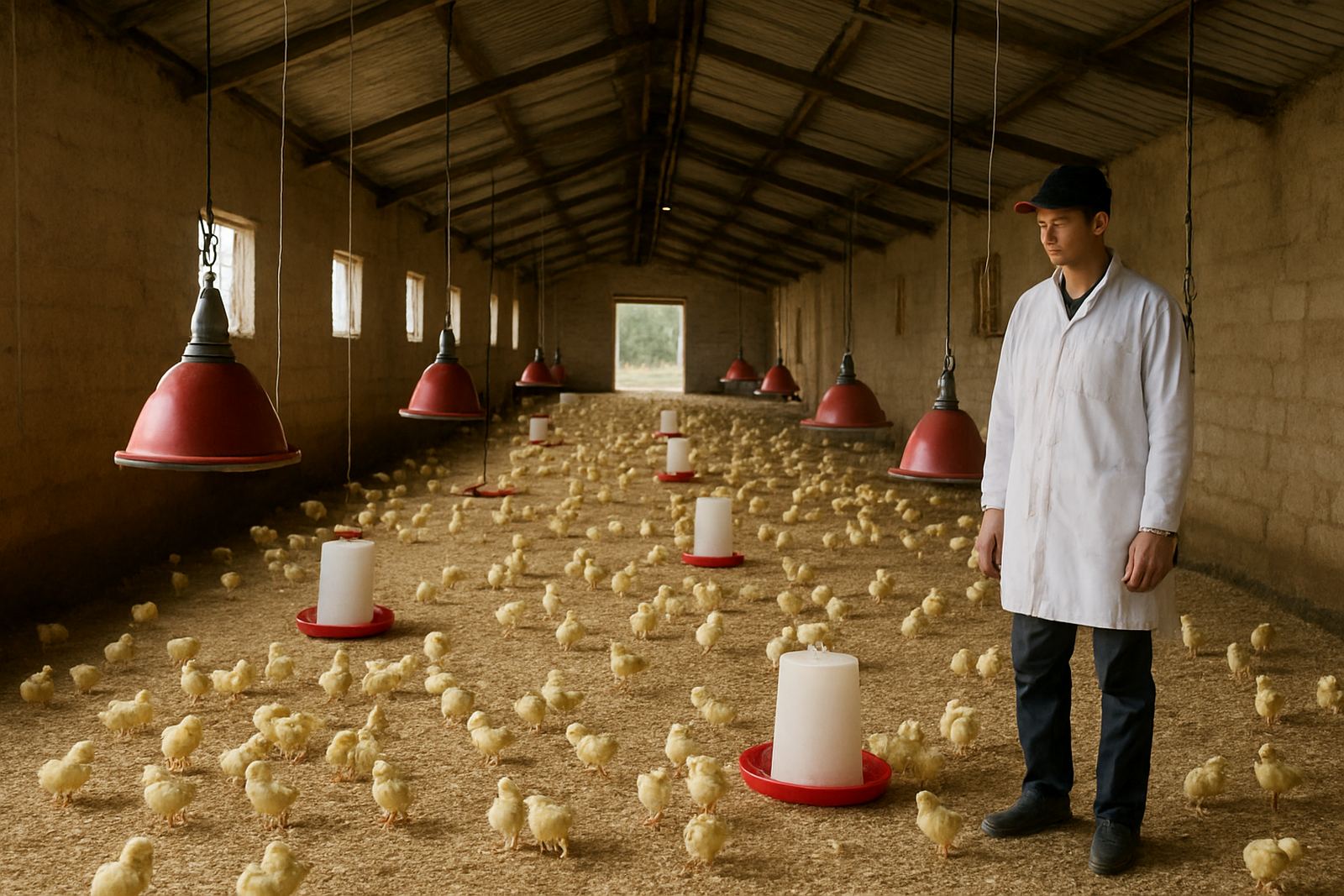
The client was an established laying operation outside Rustenburg that had already moved past its first production cycle and needed more bird places, better egg flow and a cleaner way to manage labour. The brief was to expand the cage house in stages so the farm could keep producing while the upgrade took place.
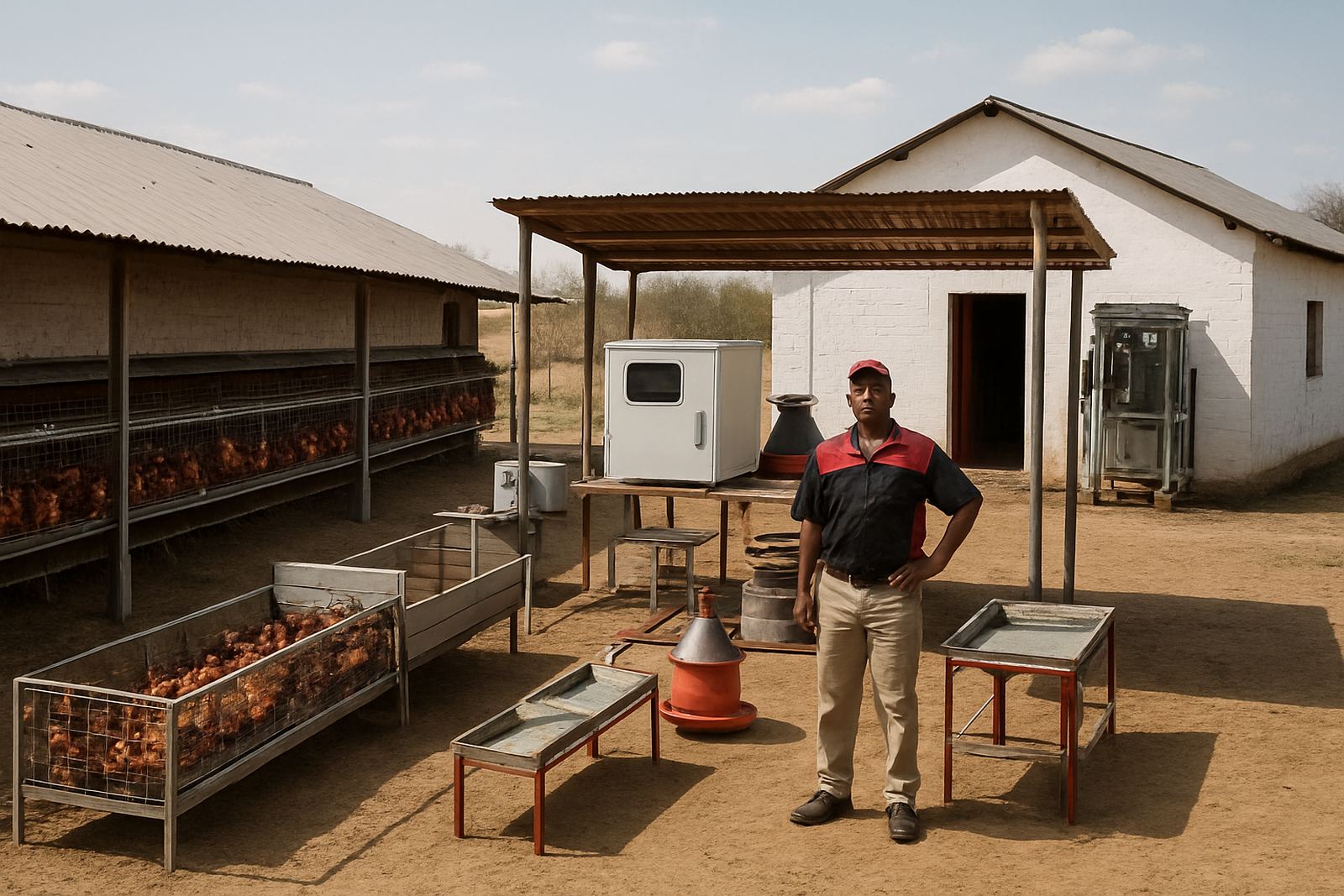
The site had a practical constraint that many live poultry farms know well: there is never a convenient time to stop. Egg collection still had to happen every day, feed deliveries had to keep moving, and the farm could not afford a long interruption to water lines or electrical supply. The house also sat in a dusty part of North West, so any new equipment had to allow for easy cleaning and decent access for service checks.
- Project type: second-phase laying cage and egg handling expansion
- Location: Rustenburg, North West
- Site status: fully operating commercial layer unit
- Main aim: increase bird capacity and improve egg handling flow
What the brief called for
The farm wanted a layout that would fit the existing house footprint and leave enough working space for staff to move safely around cages, feed lines and collection points. We also needed to match the new section to the old section so the airflow, drinker height and tray access remained consistent across the whole house.
On the management side, the owner wanted less manual handling and a better egg path from house to pack area. That included a neater transfer point, clearer walkways and enough space for future maintenance without taking apart half the line. The team also asked for practical training because they were expanding production, not just adding metal.
- Fit existing house dimensions and service routes
- Reduce unnecessary egg handling
- Keep cleaning, feeding and inspection access clear
- Leave room for future growth if phase three is added later
Planning around live production and local conditions
Before supply and installation, we worked through site planning, equipment selection and house layout. In Rustenburg, heat build-up and dust are real factors, and the design had to work in summer as well as in cooler months. The shed also needed enough clearance for maintenance staff, because if a trough, line or drive point fails during lay, the farm must get to it quickly.
We checked levels, measured the existing bay spacing and confirmed where the new cage runs would connect into the current egg collection route. That reduced wasted movement and helped the client avoid a costly reshuffle later. We also made sure the layout suited routine washdown and permitted clear access for municipal and site safety checks where needed.
- Measured house bays and verified clear working widths
- Checked water points, electrical supply and service access
- Matched egg handling path to the existing pack area
- Allowed for cleaning and inspection between production batches
Equipment supplied and work completed
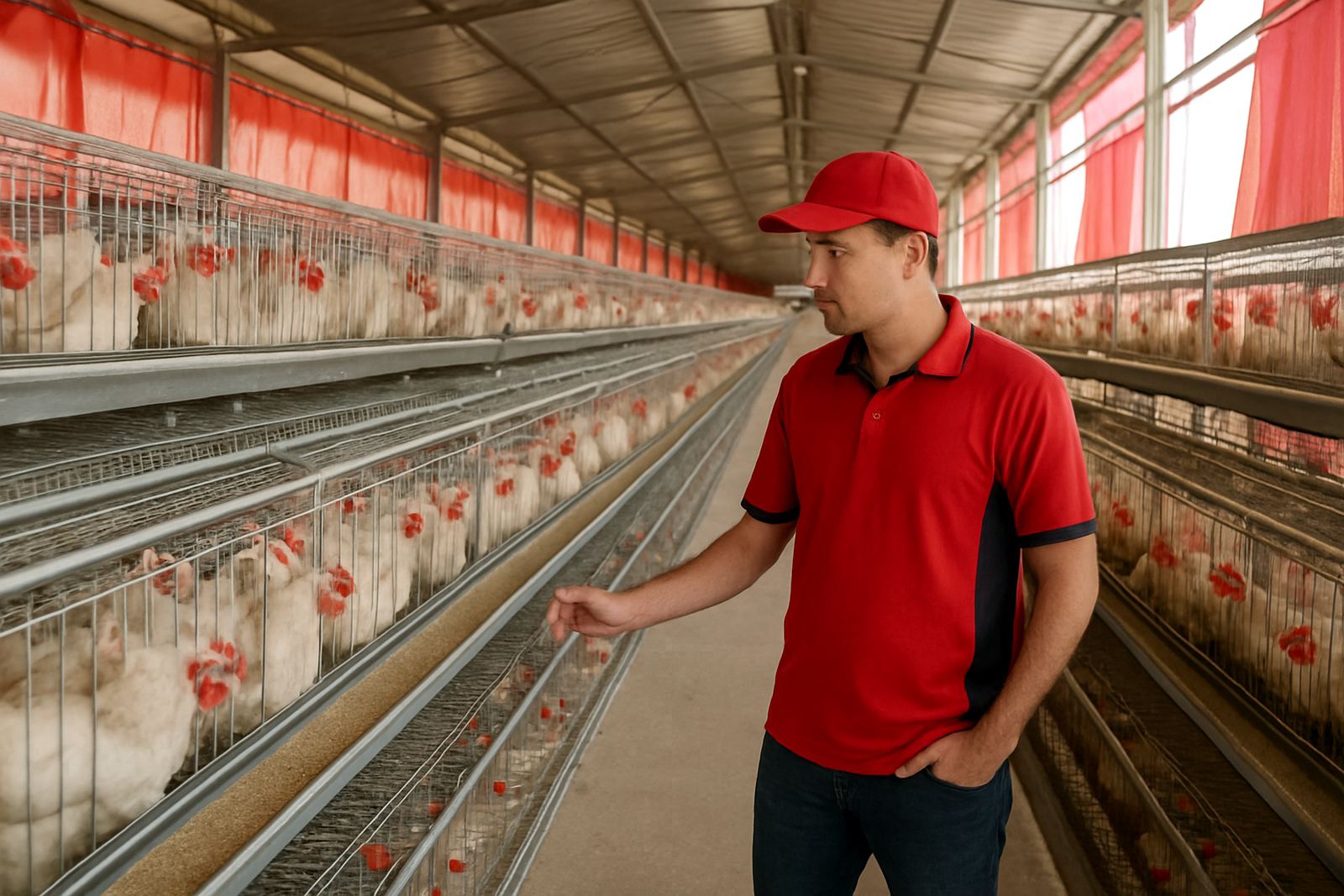
For this expansion, we supplied laying-hen cage sections sized for the existing house, together with drinkers, feeders and egg handling components suited to the site’s production plan. The scope also included installation supervision, commissioning and operator training so the client’s team could take the system into daily use with confidence.
The job was managed in a staged way over 5 weeks. Week 1 covered final measurements and confirmation of the equipment list. Weeks 2 and 3 were used for delivery, staging and cage assembly. Week 4 covered alignment, water line checks and egg handling fitment. Week 5 was for commissioning, staff training and snagging. The sequence kept the farm moving and, as the client put it, there was no need to “shut the whole place down” just to add capacity.
- Laying cage sections and support frames
- Feeding and drinking equipment for the new phase
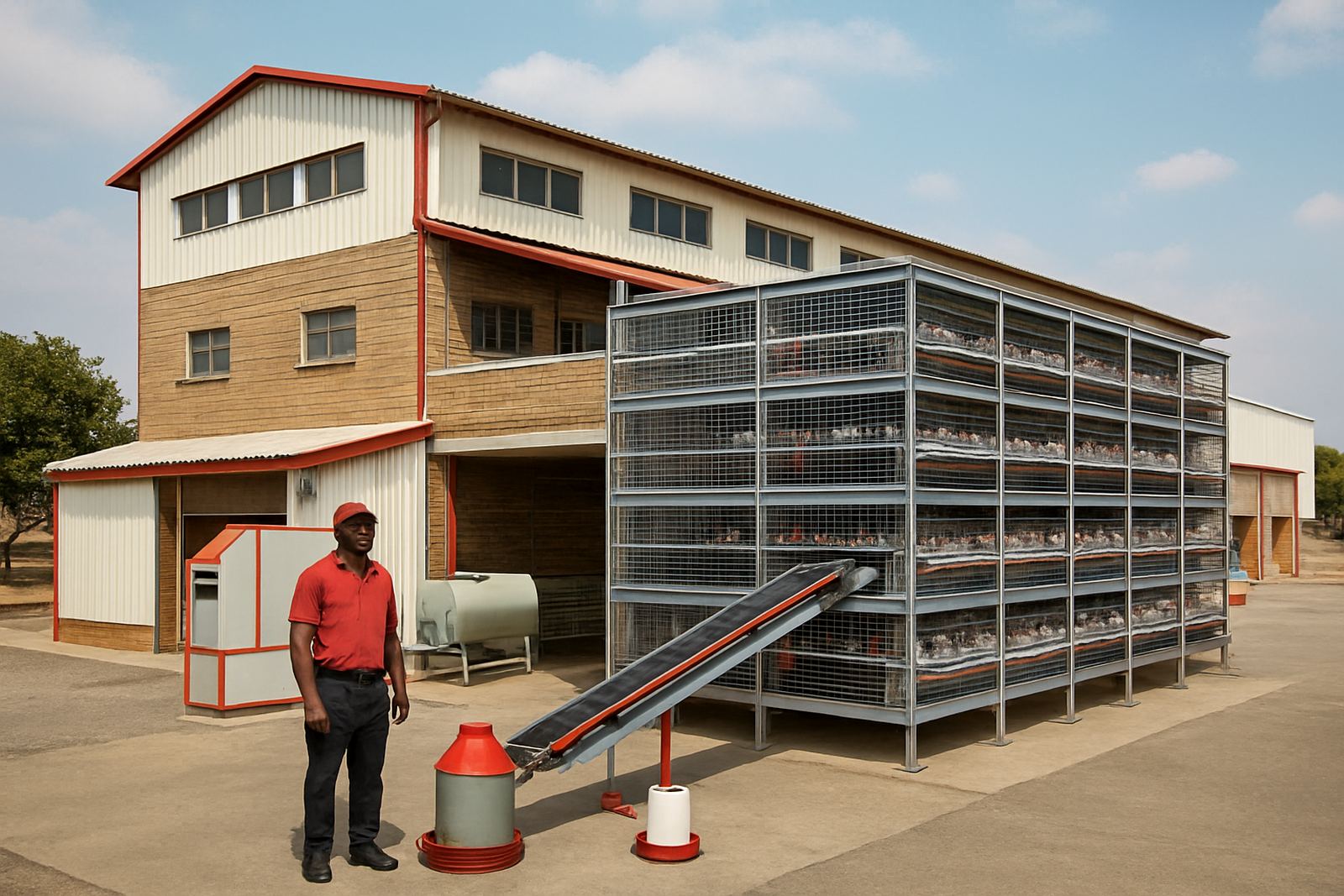
- Egg handling components matched to the existing house flow
- Commissioning checks and operator training on site
How the expansion performed
Once the new phase was commissioned, the farm gained the extra bird places it needed without putting pressure on the original section. Egg movement became more orderly, the working paths were clearer and the crew reported less double handling at collection time. That matters on a layer site because every extra minute in the house adds labour cost and more chances of cracked eggs.
The new section also helped the farm manage peak production better. With the improved layout, the team could collect more efficiently and keep the flow from cage to crate better controlled. In short, the site got more output from the same footprint, which is what most producers want when land is tight and feed costs keep shifting.
- More bird capacity within the existing house footprint
- Cleaner egg flow and less manual handling
- Better day-to-day access for cleaning and checks
- Improved use of labour during collection periods
What we would do again on a similar site
We would approach a similar Rustenburg project in the same way again: measure the existing house properly, keep the work staged, and make sure the client’s team is trained before full handover. On live poultry sites, that practical order saves time and avoids mistakes.
We would also confirm utilities early, especially water pressure and electrical points, because small supply issues can slow down an otherwise straightforward expansion. Where a site is exposed to dust or load-shedding risks, we would keep service access and backup planning front of mind from the start. It sounds simple, but it saves a lot of trouble later on.
- Start with accurate site measurements and house layout checks
- Stage the work around production and egg collection
- Train operators before the handover date
- Confirm utility supply and backup needs early
Key facts
| Project location | Rustenburg, North West |
|---|---|
| Project type | Second-phase layer cage and egg handling expansion |
| Timeline | 5 weeks from final measure-up to commissioning |
| House context | Established commercial laying site operating during works |
| Main equipment | Laying cages, feeders, drinkers and egg handling components |
| Services included | Site planning, installation supervision, commissioning and training |