Project brief for a growing egg business near Polokwane
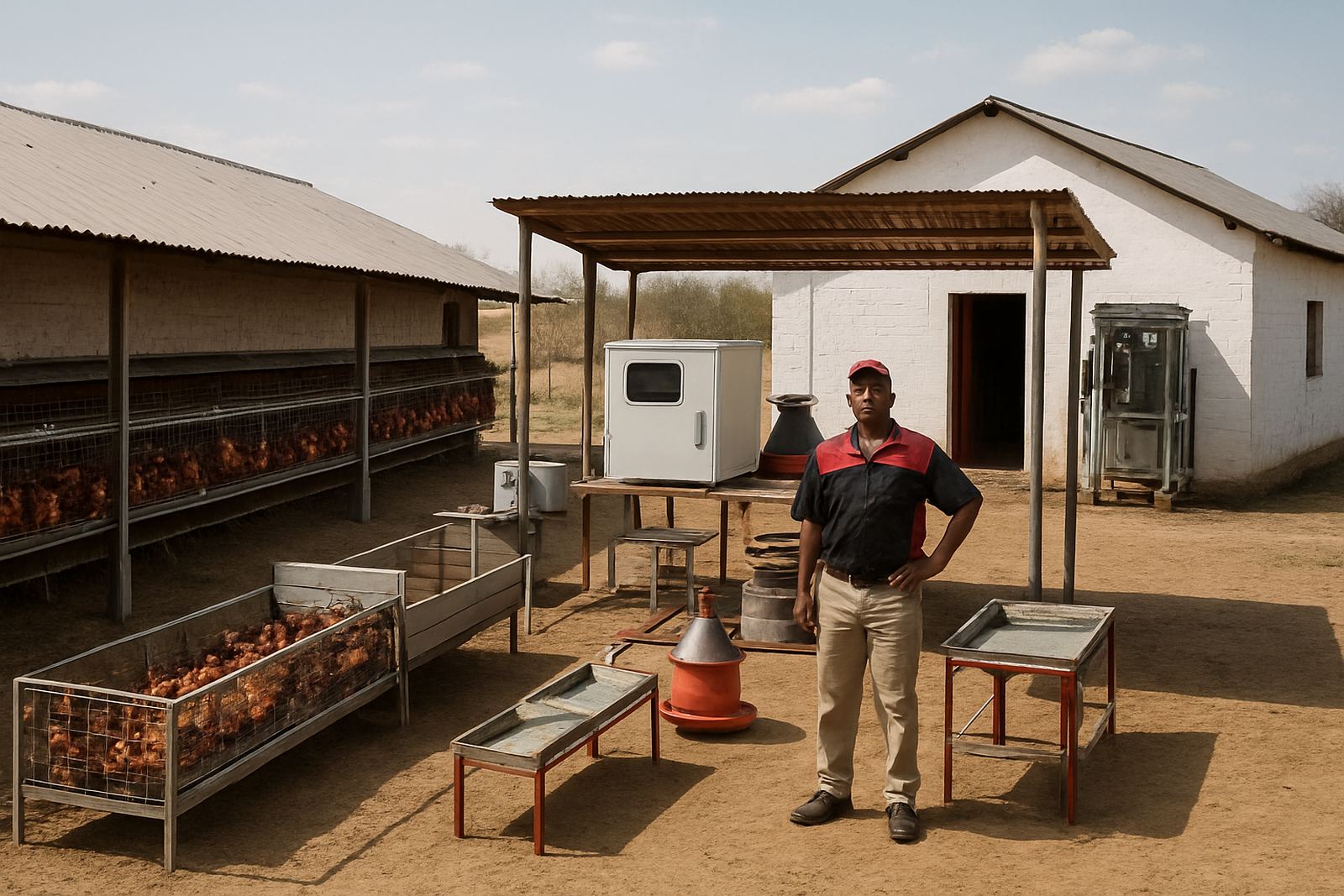
The client was a medium-sized poultry operation outside Polokwane, supplying eggs to spaza shops, farm stalls and local wholesalers in Limpopo. The flock was already established, but the house needed a better nesting layout and a more reliable drinking system so the team could keep egg quality steady and cut down on breakages and floor eggs.
The brief was straightforward. Improve bird comfort, keep water available through hot afternoons, and make day-to-day collection easier for staff working in a dusty, open-sided house. The site had uneven floor levels, strong sun on one side of the structure and regular power interruptions, so the equipment had to work without depending on any complicated controls.
What the house needed to handle every day
The existing setup had been put together in stages, which is common on many poultry sites. The problem was not one single failure, but a few small issues adding up: nests were too few for the flock size, drinkers were spaced too widely, and the walkways became wet around the more active watering points. In warm weather that also brought flies and waste build-up. The team wanted a cleaner routine and fewer returns from buyers who expect a neat shell and low crack rate.
We measured the house, checked flock flow, and looked at where staff entered, collected eggs and carried crates out. That let us place the nests and water lines so birds would move naturally through the space. It also helped us avoid bottlenecks, which can stress hens and slow collection.
- House type: open-sided free-range layer house
- Location: Polokwane district, Limpopo
- Main issues: floor eggs, water spill, uneven collection flow
- Operating pressure: heat, dust and load-shedding related interruptions
Equipment supplied and fitted
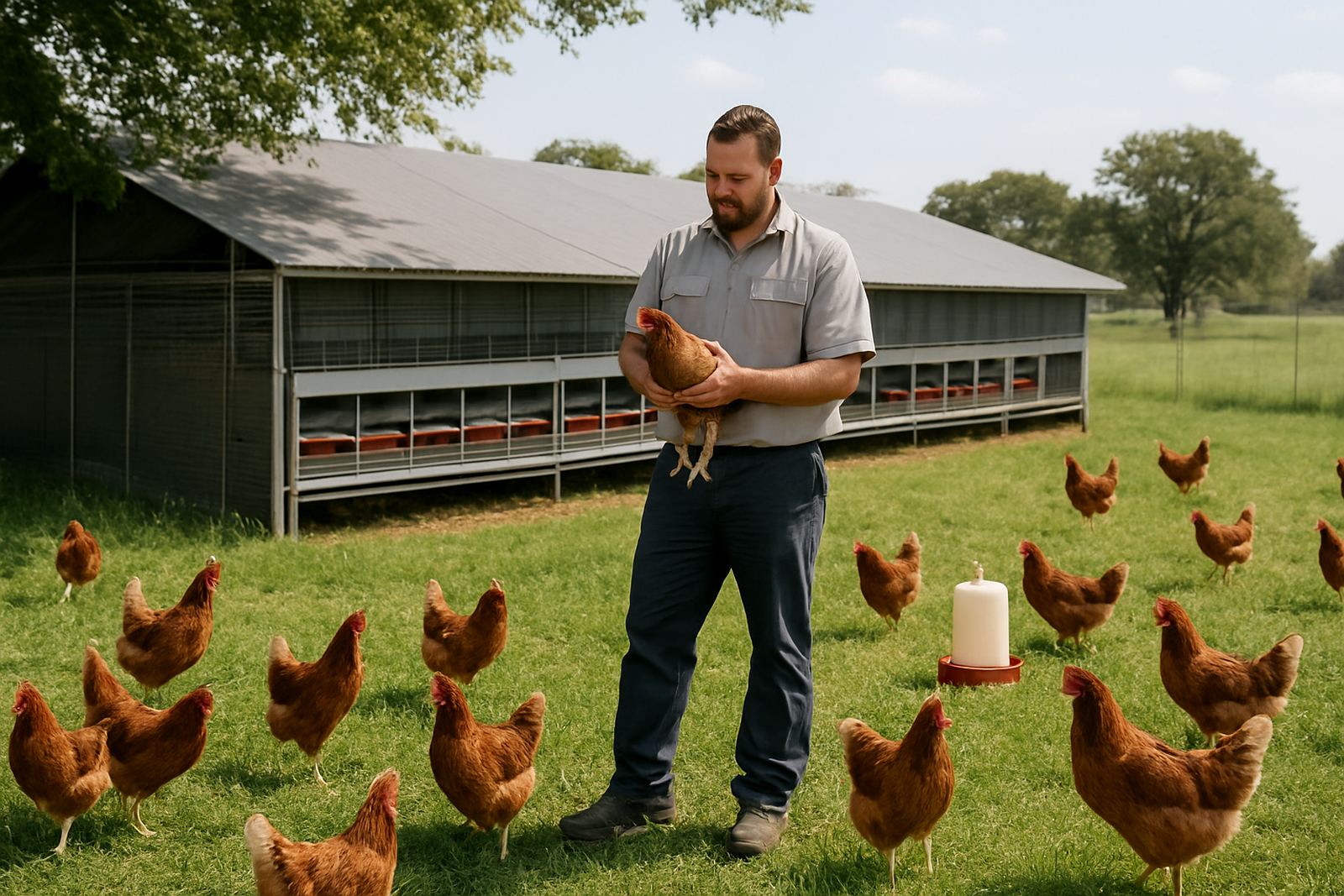
For this project we supplied laying nests sized for commercial free-range use, along with a drinking line arranged for even access across the house. The nests were set at a practical height for both hens and staff, with clear approach space so birds could settle without crowding. Water points were positioned to reduce competition and keep the drinkers easy to service.
We also supplied the fittings, brackets and connection parts needed to secure the system properly on site. Because the house already had its own layout quirks, our team adjusted the placement on arrival rather than forcing a standard pattern. That saved time and gave a much better result. The installation was done with care around existing feed paths and collection routes, so the crew could keep moving while the work was underway.
- Nest installation for improved laying behaviour
- Water line and drinker placement for even flock access
- Support fittings, brackets and on-site adjustment
- Practical layout to suit daily egg collection
Installation plan and timeline
The full job ran over three weeks from final site check to handover. Week one covered measurements, layout confirmation and order finalisation. Week two was delivery and fitting of the main nest structure, followed by water line set-out. Week three covered final adjustments, leak checks, operator training and a clean handover. The client needed the work finished in a tight window, so we planned around bird routines and kept disruption to a minimum.
One important point was timing around water use. On a few afternoons the supply from the site tank changed when the pump cycle dropped, so our team tested the line at different times of day, not only in the morning. That caught a pressure dip before it could affect the birds. Small checks like that matter a lot, especially where power is not always steady and the back-up system is doing more than it should.
On-site training for staff and routine care
Once the installation was complete, we spent time with the site team so they could manage the nests and water system correctly from day one. Training covered daily inspection, cleaning routines, checking for blockages, and what to watch for when hens start preferring one area over another. We also explained how to spot wear early, before a loose fitting or blocked nipple turns into a bigger problem.
The client team responded well because the instructions were practical and tied to their own house, not a generic manual. That is the best way to keep equipment working over the long term. A good system still needs people who understand the birds and the collection cycle, and it helps if they know who to call when something changes.
- Daily checks on water flow and nest use
- Cleaning points and hygiene routine
- Early warning signs for leaks or blockages
- Collection flow tips for reducing cracked eggs
Results for egg quality and daily labour
After the handover, the site reported cleaner nesting behaviour and a clear drop in floor eggs. Water access became more even across the house, which helped keep the flock calmer through hot spells. Staff also found collection easier because the birds were more predictable around the nests and there was less mess around the walkways. That saved time at the end of the day, which in poultry work is no small thing.
For a free-range enterprise selling into local markets, the gains are practical. Better nest use means less waste, cleaner shells and fewer seconds sorted out at packing. Improved watering means less stress on the birds and fewer interruptions for staff. The overall result was a house that could handle daily production with less pressure on the team and fewer avoidable losses.
What we would repeat on a similar project
If we were doing the same project again for another egg producer in Polokwane or anywhere in Limpopo, we would follow the same method: check the building first, map the bird movement, and only then fix the exact nest and drinker positions. On poultry work, it is tempting to order equipment first and sort the site later, but that usually costs more in the end. A few extra measurements on day one can save a lot of adjusting later.
We would also keep the training in the same package as the installation, not as an afterthought. When the team on site understands the system, they keep it in better shape and spot trouble earlier. That is especially useful on farms dealing with load-shedding, heat and limited maintenance time. A simple, well-placed installation tends to hold up better than something overcomplicated, and that was true here. The client wanted a working house, not a fancy one, and that is exactly what we delivered.
Key facts
| Project location | Polokwane district, Limpopo |
|---|---|
| Client type | Free-range egg producer supplying local markets |
| Scope | Nest installation and watering system fitment |
| Timeline | 3 weeks from site check to handover |
| Key challenge | Heat, dust, uneven floor levels and power interruptions |
| Outcome | Fewer floor eggs, cleaner collection and better water access |