A smallholder brief with room to grow
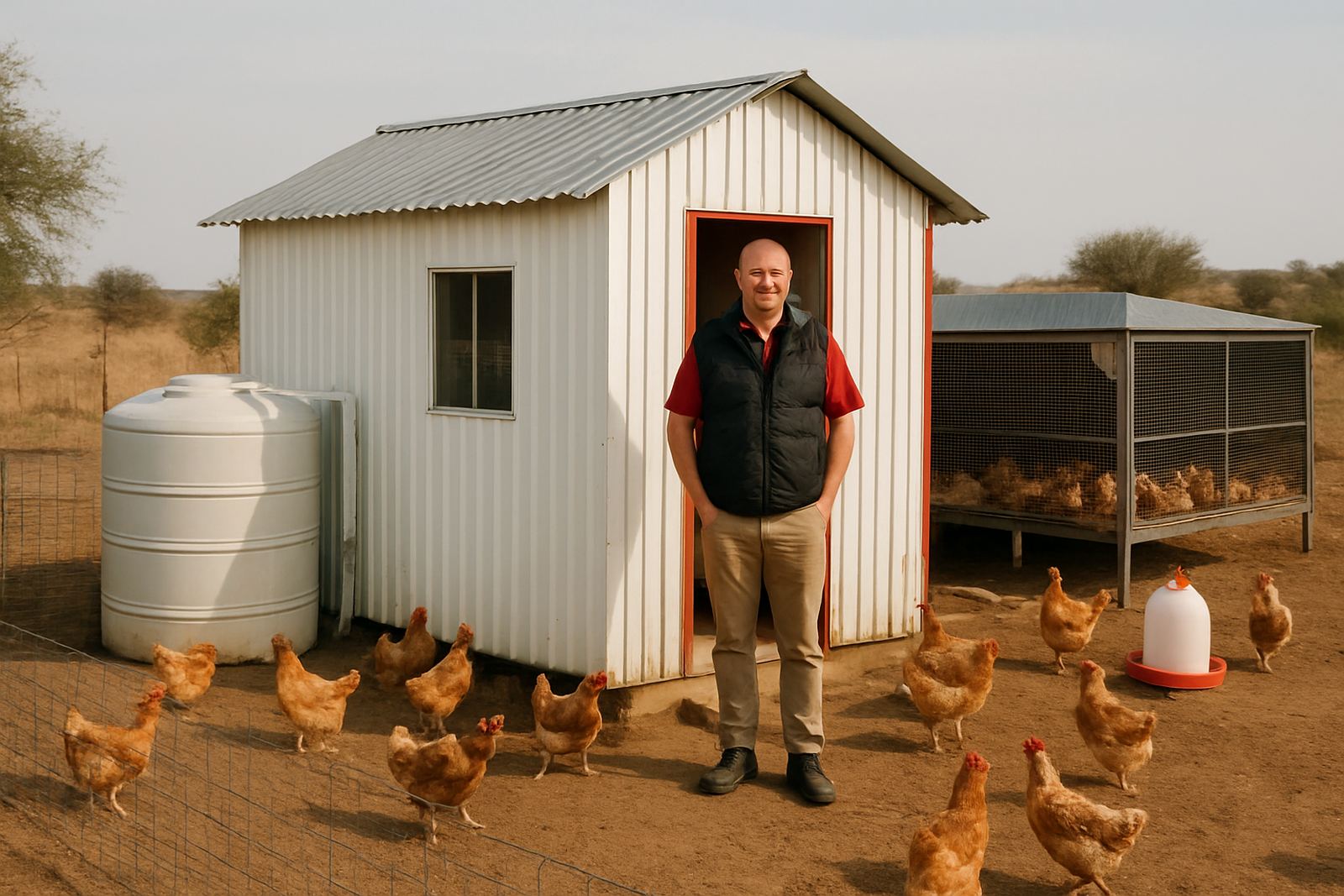
The client was a new poultry operator outside Kimberley, working from an owner managed farm with limited water storage, basic power supply and a hard budget for the first phase. The ask was simple enough on paper but not in practice: start with a dependable laying hen house, keep the system easy to run, and leave space for a second and third phase later without ripping out the first setup.
We first looked at what the site could carry in the Northern Cape heat, how the prevailing wind moved through the buildings and what the water point could support during hot spells. The team also wanted something that one or two people could manage daily, since labour was tight and the farm had to keep moving even during load-shedding. We recommended a phased build rather than forcing the full final flock size from day one.
- Project location: Kimberley area, Northern Cape
- Client type: owner managed smallholder farm
- Project type: starter poultry package with phased expansion
- Main focus: laying hens, egg handling and basic house control
Planning the house around water, heat and power cuts
The biggest constraint was not floor space, it was day to day reliability. Kimberley summers can put pressure on birds quickly, and any lapse in water delivery or ventilation shows up in production. We worked through the house layout with clear service aisles, feed access and enough clearance for cleaning between cycles. The site also had to stay practical for municipal water use and waste handling, so we kept the layout straightforward and easy to maintain.
Because the client wanted phased growth, we split the plan into a first install and a future expansion path. That meant the cage block, feed lines and drinker runs were arranged so the next section could tie in later without a full rebuild. We also allowed for manual back-up procedures during outages, which is still important on farms where the supply can dip at awkward times. It sounds basic, but getting that detail right saves a lot of trouble later.
- House layout planned for future cage rows and extra circulation space
- Water points positioned for short runs and quick cleaning
- Back-up handling planned for load-shedding periods
- Drainage and wash-down points kept simple for easy upkeep
What we supplied for phase one
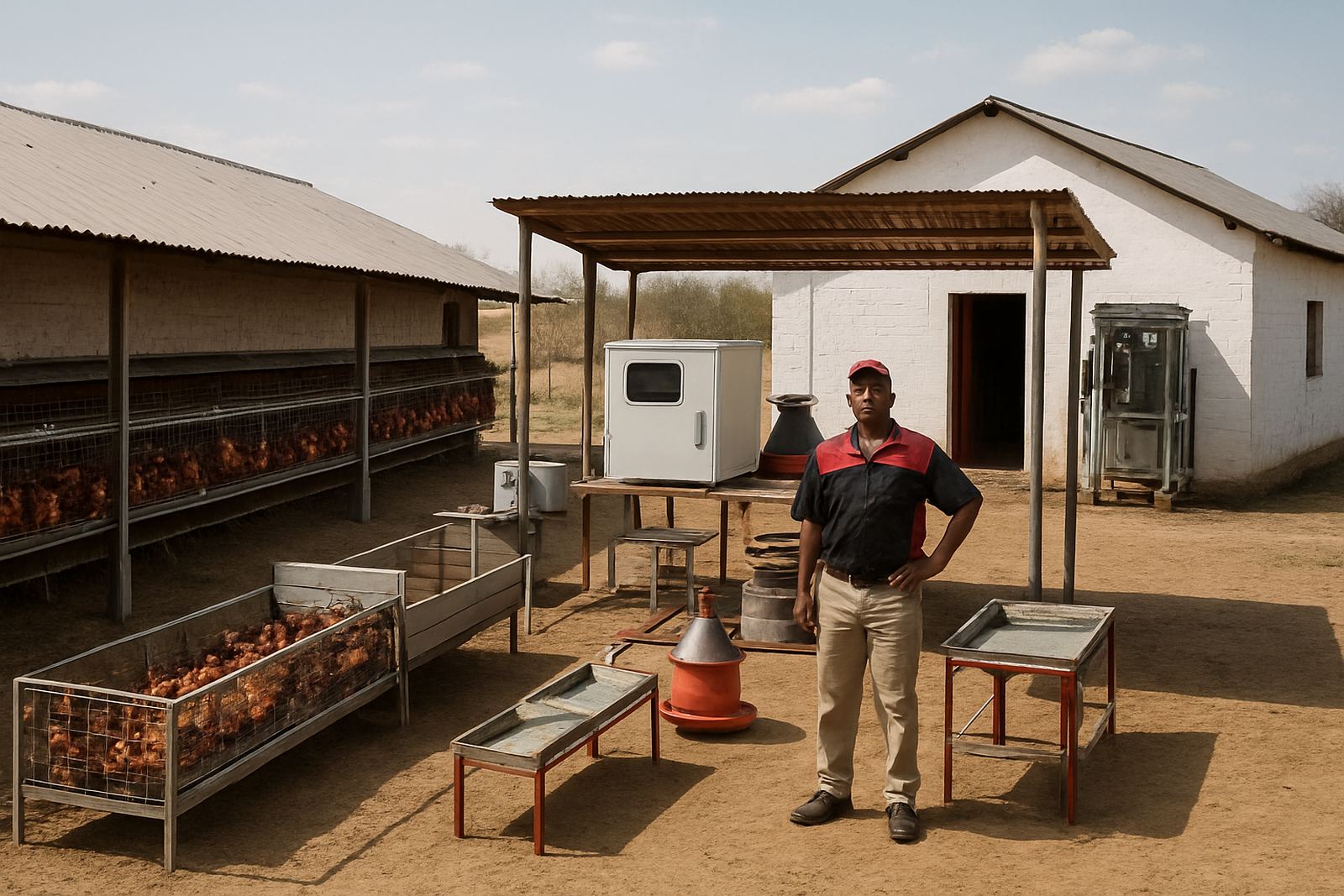
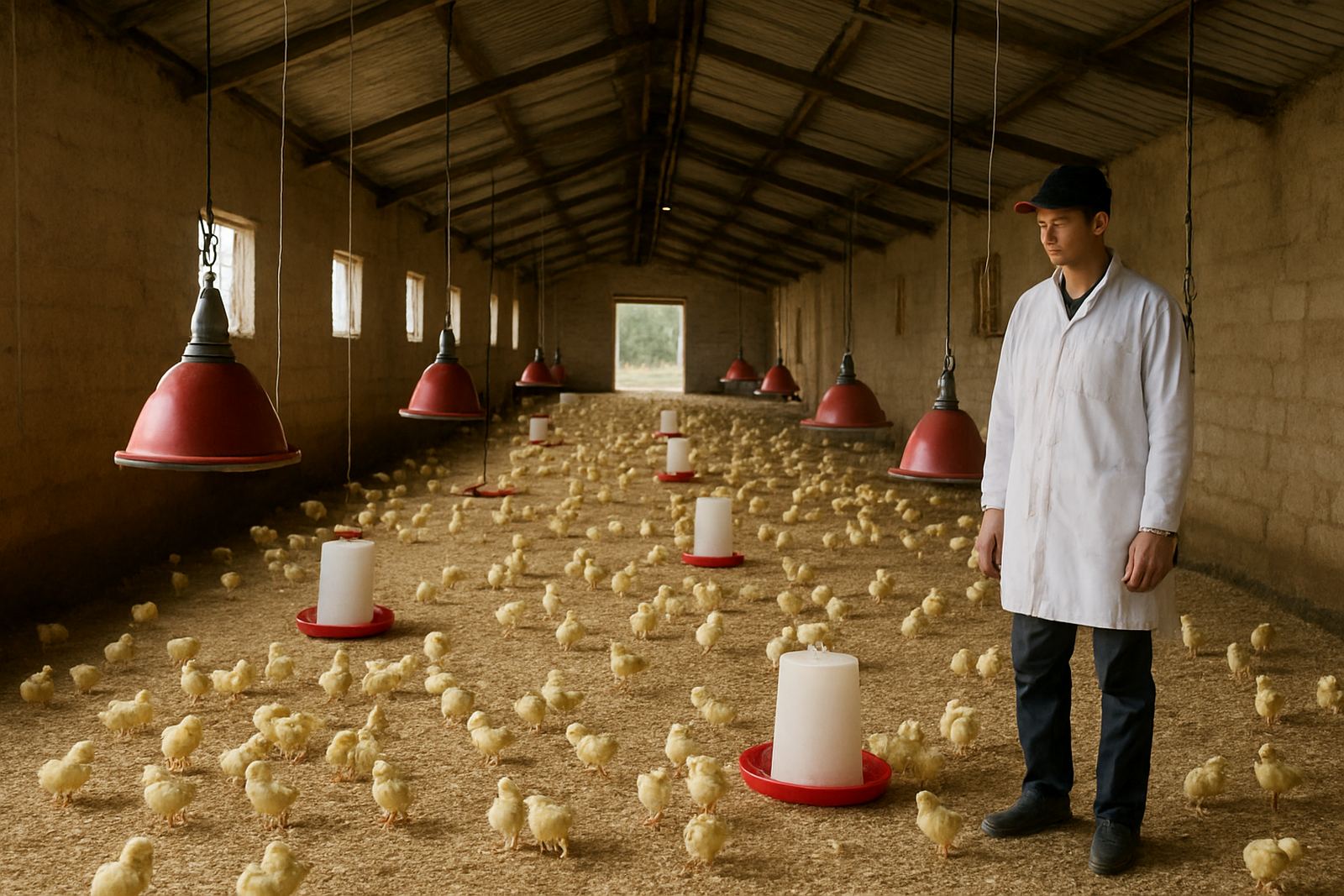
For the first phase we supplied a starter package built around laying hen cages, feeding and watering equipment, and support for brooding and early bird management. The cage system was sized for a manageable launch flock, with galvanised steel frames and easy access doors for daily inspection, catching and egg collection. We also supplied incubator and brooder support for the farm’s early replacement birds, so the client could keep part of the cycle on site rather than depend on outside stock every time.
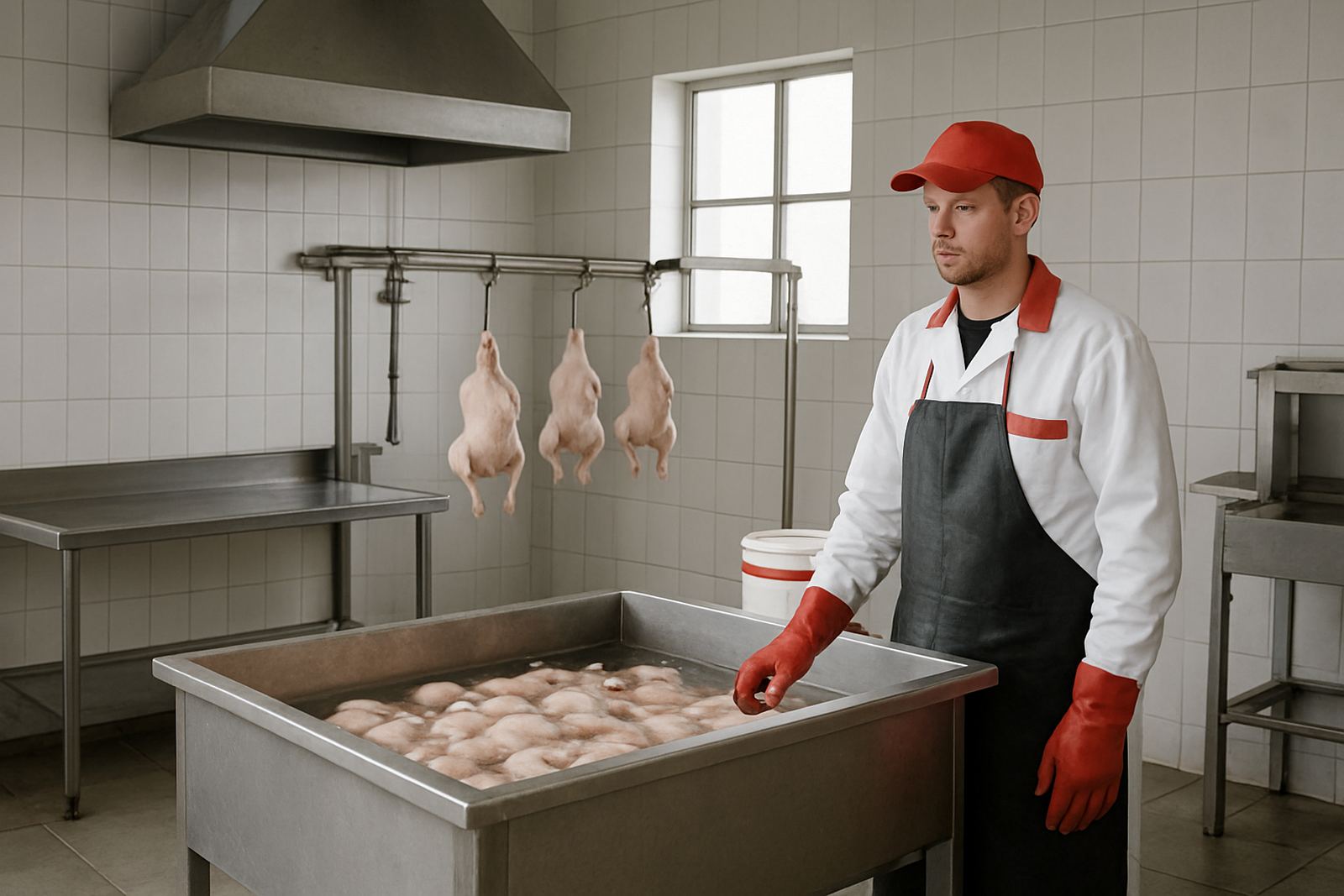
The feed and drinker setup was kept practical, with lines arranged for even access and simple cleaning. For the processing side, we supplied basic abattoir equipment suitable for future on-farm handling and a small processing room fitout plan so the client could move into value added work later if volume justified it. That stage was not rushed, because the farm needed the poultry house working first.
- Laying hen cages in galvanised steel for indoor production
- Feeders and drinkers sized for starter flock management
- Incubator and brooder support for replacement bird rearing
- Basic abattoir equipment and processing room fitout planning
Installation supervision and commissioning in three weeks
The project ran over three weeks from final measurements to commissioning. Week one covered site confirmation, layout checks and equipment scheduling. Week two covered delivery, cage assembly and fitment of drinker and feeder lines. Week three covered testing, operator familiarisation and corrective tweaks after dry runs. Our team stayed close to the job so the client did not have to guess at spacing, alignment or cleaning access.
We coordinated the work through our Gauteng base at Jet Park, Boksburg, and sent technical support to site as needed. The project team included operations, projects and service support so decisions were made quickly on the ground. The client appreciated that we could answer practical questions straight away, from bird flow to spare parts and cleaning routines. No one wanted a beautiful plan that was hard to use on Monday morning, and that is fair enough.
- Week 1: site checks, final layout and ordering
- Week 2: delivery, assembly and fitment
- Week 3: commissioning, operator training and handover
- Support: on-site supervision and follow-up calls after start-up
Training the farm team for daily running
The farm had only a small team, so training mattered just as much as the hardware. Musa led operator support and covered feeding cycles, water checks, egg collection routines, basic bird observation and cleaning steps. We kept the training practical and local, with a focus on what to do when temperatures climb, water pressure drops or power is off for longer than expected. The client did not need theory, they needed confidence.
We also set up a simple maintenance programme so the farm could inspect fasteners, water lines and moving parts on a fixed schedule. Nadine handled the spares conversation so the client knew what to keep on hand, and Thabo gave the service supervisor view on how to spot wear early. That approach reduced the chance of avoidable breakdowns, which is especially useful when the nearest supplier is not just around the corner.
- Daily checks explained for feed, water and bird condition
- Cleaning routine set for between batches
- Basic spare parts list supplied for local holding stock
- Maintenance intervals set for weekly and monthly checks
Results, expansion options and what we would repeat
By handover, the farm had a working starter system that matched its budget and production plan. The client could house the first flock, manage routine tasks with a small team and keep the door open for staged growth when cash flow allowed. Just as important, the equipment was installed with expansion in mind, so future rows can be added without undoing the first phase. That is the sort of setup that lets a business breathe a bit.
If we were doing this again, we would keep the same phased approach and probably push even harder on water storage from the start, because Kimberley conditions can turn quickly and a buffer tank always pays for itself. We would also repeat the same mix of planning, supply and hands-on commissioning. For a smallholder startup, that balance matters more than fancy extras, and it keeps the operation practical from day one.
- Start small, build in stages and protect cash flow
- Keep water storage and back-up procedures high on the list
- Use equipment that is easy to clean and service locally
- Plan for future rows and processing upgrades before the first birds arrive
Key facts
| Town | Kimberley, Northern Cape |
|---|---|
| Project type | Starter poultry package with phased expansion |
| First phase flock | Starter laying hen capacity sized for owner managed daily care |
| Main equipment | Laying hen cages, feeders, drinkers, incubator and brooder support |
| Timeline | 3 weeks from layout confirmation to commissioning |
| Support included | Site planning, installation supervision, training, maintenance and spares guidance |