When a community poultry venture needs more than a few pens
Rural co-operatives often begin with a strong idea, a willing committee and a grant or member contributions, but the site itself is not always ready. Water pressure may be low, power supply can be unstable, and the nearest road may make deliveries slow in rainy months. That is why the first question is not how many birds can fit, but what the group can manage every day, every week and every season.
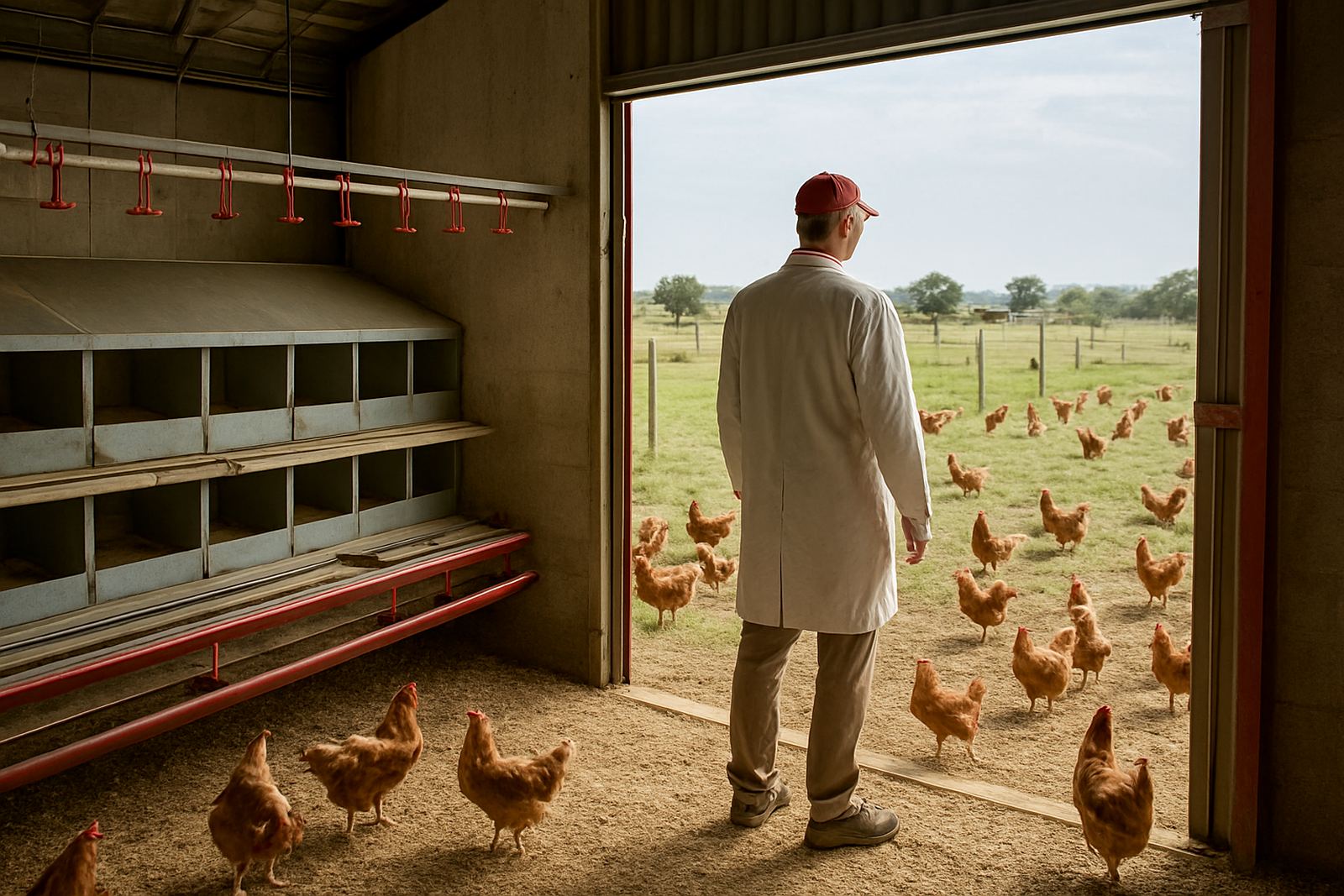
For a co-operative, the right setup usually starts with one production line and a clear routine. If the team can manage feed, drinking water, hygiene and record keeping on a small flock first, the project has a better chance of lasting. We often see better results when the layout allows one person to check feed and drinkers quickly, while another handles cleaning and egg collection without crossing through the whole house.
- Start with the stock level the team can feed and monitor daily
- Match the system to the available water and power supply
- Leave space for extra cages, a bigger hatchery room, or a future packing area
- Plan for local labour, not outside supervision all the time
Typical equipment for a staged poultry co-operative
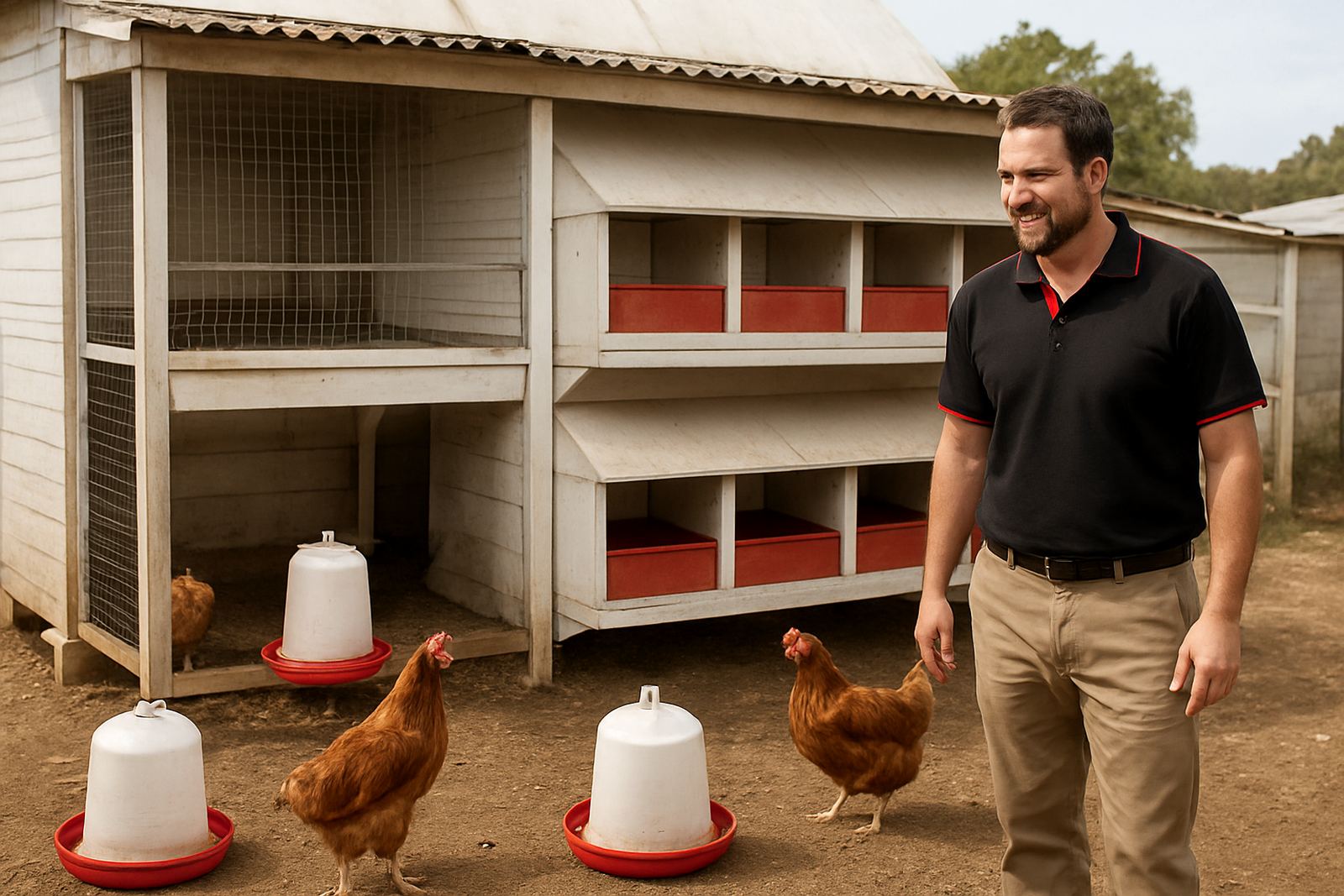
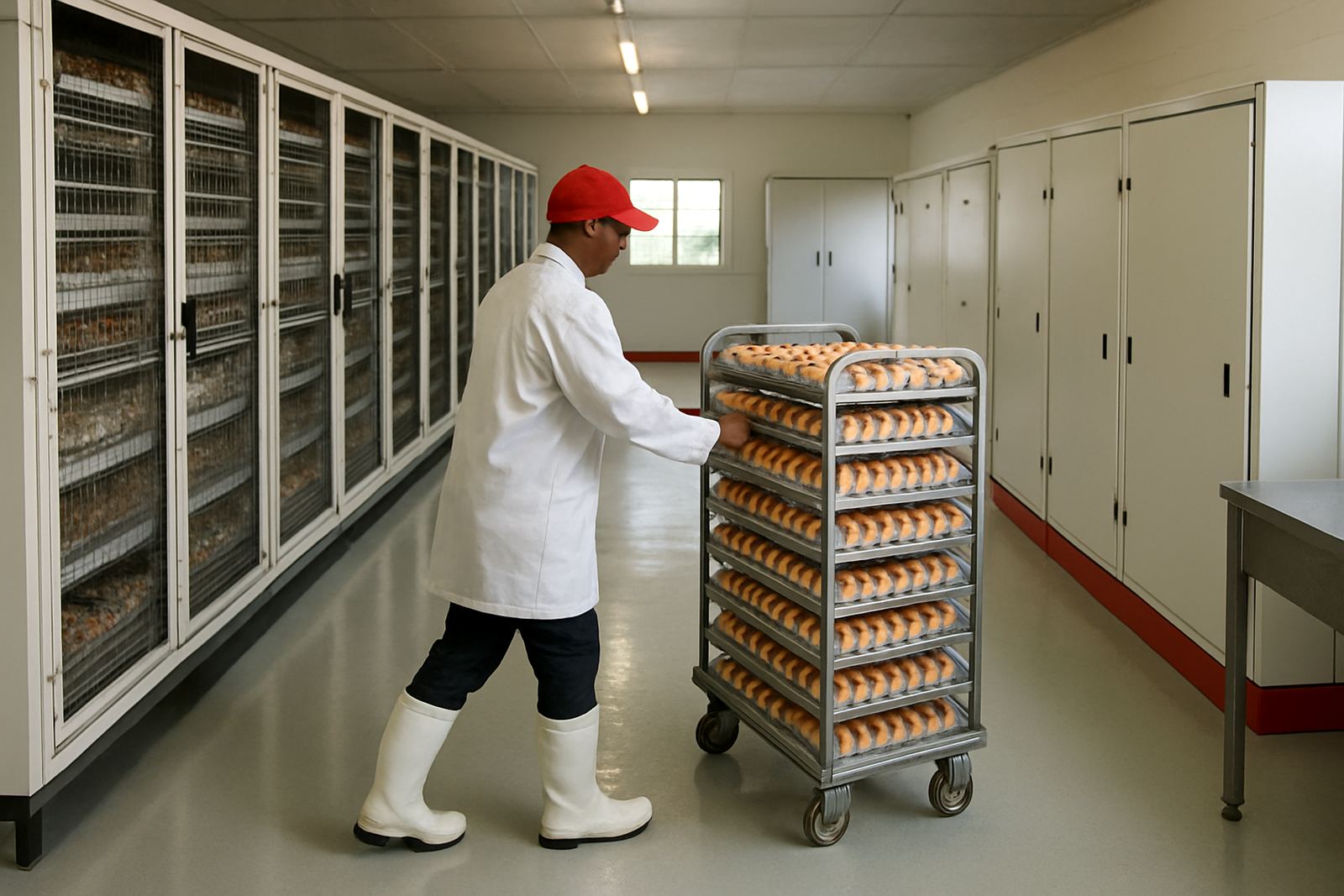
The equipment list depends on whether the co-operative is focusing on laying hens, hatching day-old chicks, or a mix of production and processing. In many cases, the best fit is a phased system with laying-hen cages first, then incubators and brooders later if the group wants to raise replacements or sell chicks. Feeders and drinkers are needed from day one, and the house should be arranged so cleaning is practical in summer heat and during load-shedding periods.
For larger community projects, abattoir equipment may be added once bird numbers justify a legal processing area. That can include stainless work surfaces, plucking, scalding and chilling equipment, plus a wash-up zone separated from live-bird handling. In some districts, especially where municipal compliance matters for water discharge and effluent, the processing room needs planning before the first wall goes up.
- Laying-hen cages in small or medium runs, depending on bird numbers
- Manual or automatic feeders, with drinkers sized for the house width
- Incubators and brooders for groups raising chicks on site
- Egg collection trolleys, crates and simple grading tables
- Basic abattoir items for approved small-scale processing rooms
Layout advice that helps shared projects work day to day
A co-operative house should be simple to run, easy to clean and hard to mix up. Shared ventures often fail when feed bags are stored too close to birds, or when cleaning tools are kept in the same room as chick bedding. We suggest a straight-line workflow wherever possible: receiving area, feed store, production area, then washing and packing. This reduces cross-contamination and saves time for members who may only be on site part time.
Where power cuts are common, battery backup or generator connection points should be included early. Ventilation is also important in warmer provinces such as Limpopo and Mpumalanga, while coastal humidity in KwaZulu-Natal means corrosion and damp bedding must be managed carefully. A concrete floor with good drainage, proper roof overhangs and washable surfaces will usually pay for itself through lower losses and fewer repairs.
- Separate clean and dirty zones from the start
- Keep feed stores dry, raised and locked
- Allow a service path for maintenance and egg collection
- Use materials that can handle washing and frequent disinfection
- Plan for shade, airflow and future house extensions
Common mistakes in community poultry projects
The most common mistake is buying too much equipment before the group has trained operators. Another is under-sizing the water system, which becomes a problem as soon as bird numbers increase. We also see projects that skip maintenance planning, so a small fault turns into lost production and emergency spending. A missing spare part in a rural area can stop a house for days if it was never bought upfront.
Budgeting only for the first purchase is another issue. The project also needs consumables, transport, cleaning materials, vaccine handling, and funds for repairs. If the team has not agreed who opens the feed store, who keeps records and who calls for service, the best equipment in the world will still be difficult to manage. One missing task can affect the whole week.
- Do not overspend on capacity before the team is trained
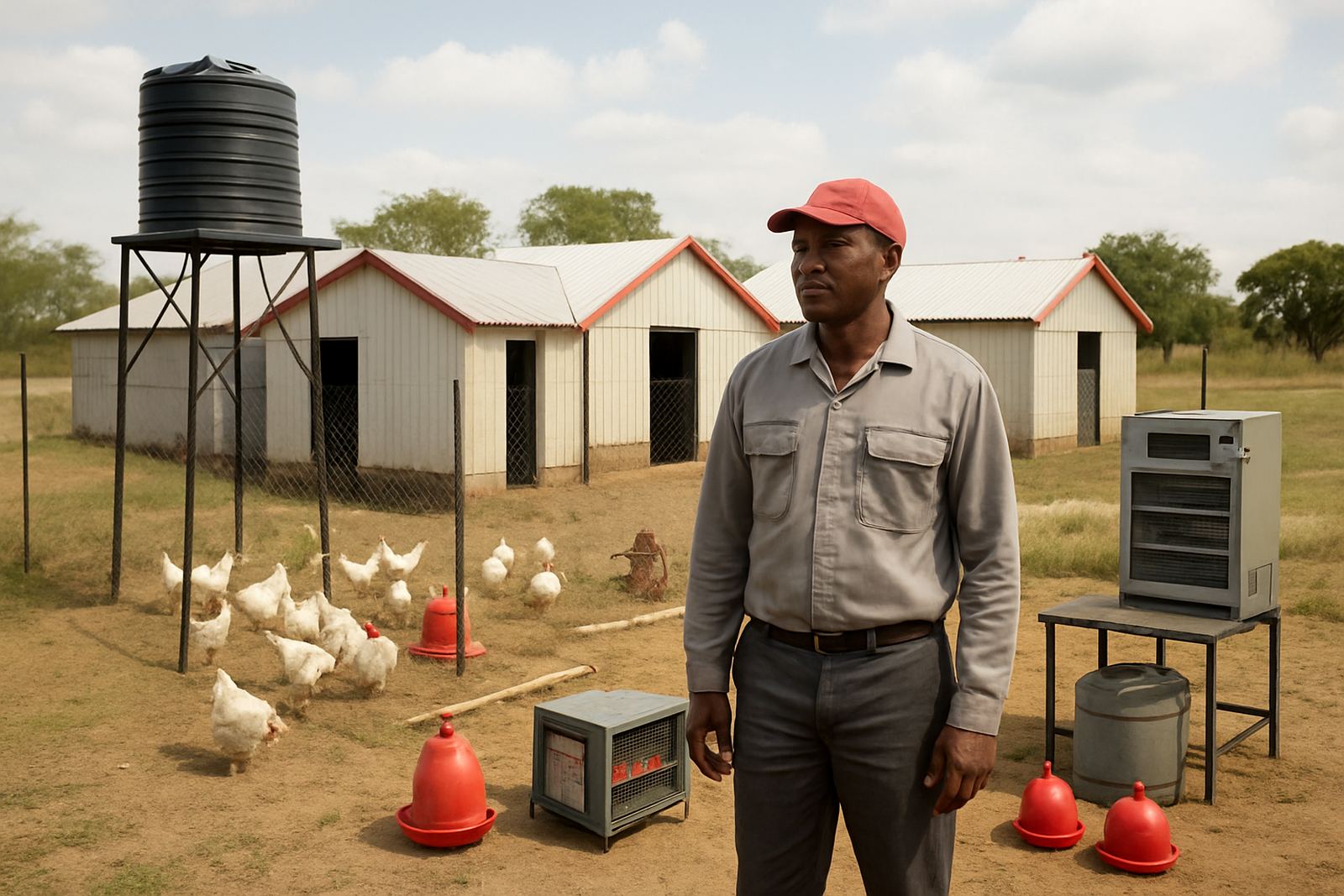
- Do not ignore water storage, pressure and backup supply
- Do not run one house without a maintenance and spare parts plan
- Do not place processing and live-bird areas too close together
Budget ranges for a practical staged start
Budget depends on house size, level of automation and whether the project includes hatchery or processing functions. A small community start-up with basic laying-hen cages, feeders and drinkers can begin in the lower budget range, while a more complete project with incubators, brooders and a dedicated packing room will need more capital. It is better to plan the project in phases than to stretch the first phase so thin that it never reaches production.
As a rough guide, a simple rural laying unit may start from about R180 000 to R450 000 depending on bird capacity and site work. A mixed project with staged expansion, water storage, backup power points and extra handling equipment can move into the R500 000 to R1,2 million range. If a co-operative wants an approved processing area with abattoir equipment and fitout, budgets can rise further, often from around R1,5 million and upward. Site conditions, transport into remote areas and municipal compliance all affect the final number.
- Basic start-up: roughly R180 000 to R450 000
- Staged mixed production: roughly R500 000 to R1,2 million
- Processing room and abattoir fitout: from about R1,5 million upward
Support that keeps the project moving after installation
John F Marshall works with rural co-operatives from early planning through installation supervision, commissioning and operator training. We also support maintenance programmes, spares supply and expansion upgrades, which is important when the first house is already full but the committee wants the next phase ready before peak demand. Our base in Jet Park, Boksburg supports projects across Gauteng, Mpumalanga, Limpopo, North West, Free State and KwaZulu-Natal.
For community ventures, the value is in steady follow-through. Once the team knows the feeding routine, cleaning cycle and fault reporting process, the project becomes easier to manage and easier to grow. That is the point of staged planning: start at a level the co-operative can handle, then add only what the project can carry next.