Small egg units that fit a home plot
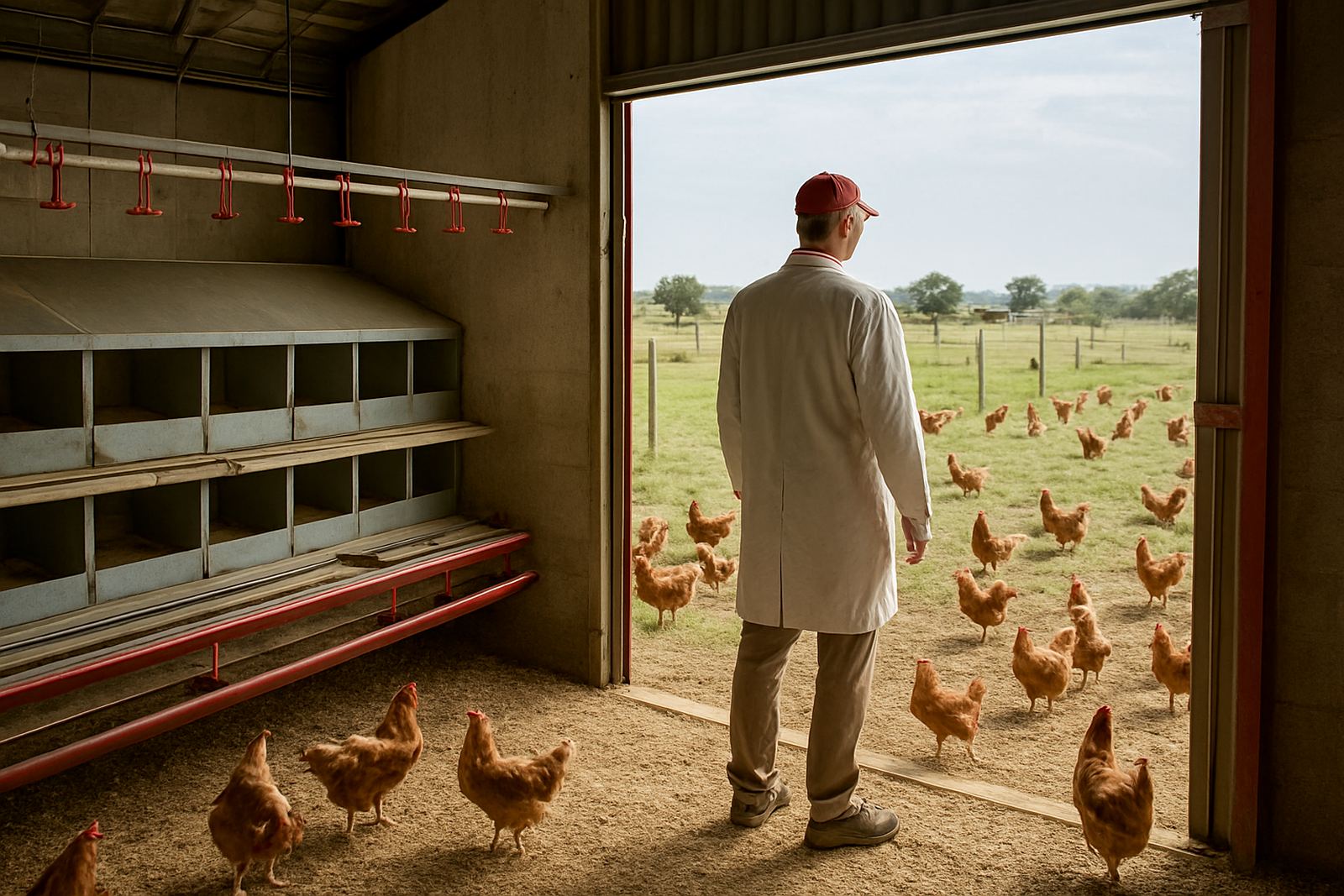
Backyard layer setups suit families, smallholdings and new farmers who want to sell eggs locally without taking on a full commercial house. Most start with 50 to 500 hens, usually on a plot in Gauteng, the Highveld, Limpopo or KwaZulu-Natal where there is enough space for access, water storage and a simple egg room. The aim is not fancy equipment, it is a unit that is easy to wash down, easy to feed and simple to check every day.
At John F Marshall, we work with people who want direct sales to neighbours, spaza shops, cafés, farm stalls and local markets. A backyard layer project has to suit the available yard space, the water pressure on site, the feed delivery point and the person who will do the daily work. If the setup is too big, it becomes hard to manage. If it is too small, the cost per bird can be higher than it needs to be.
Typical equipment for a backyard layer unit
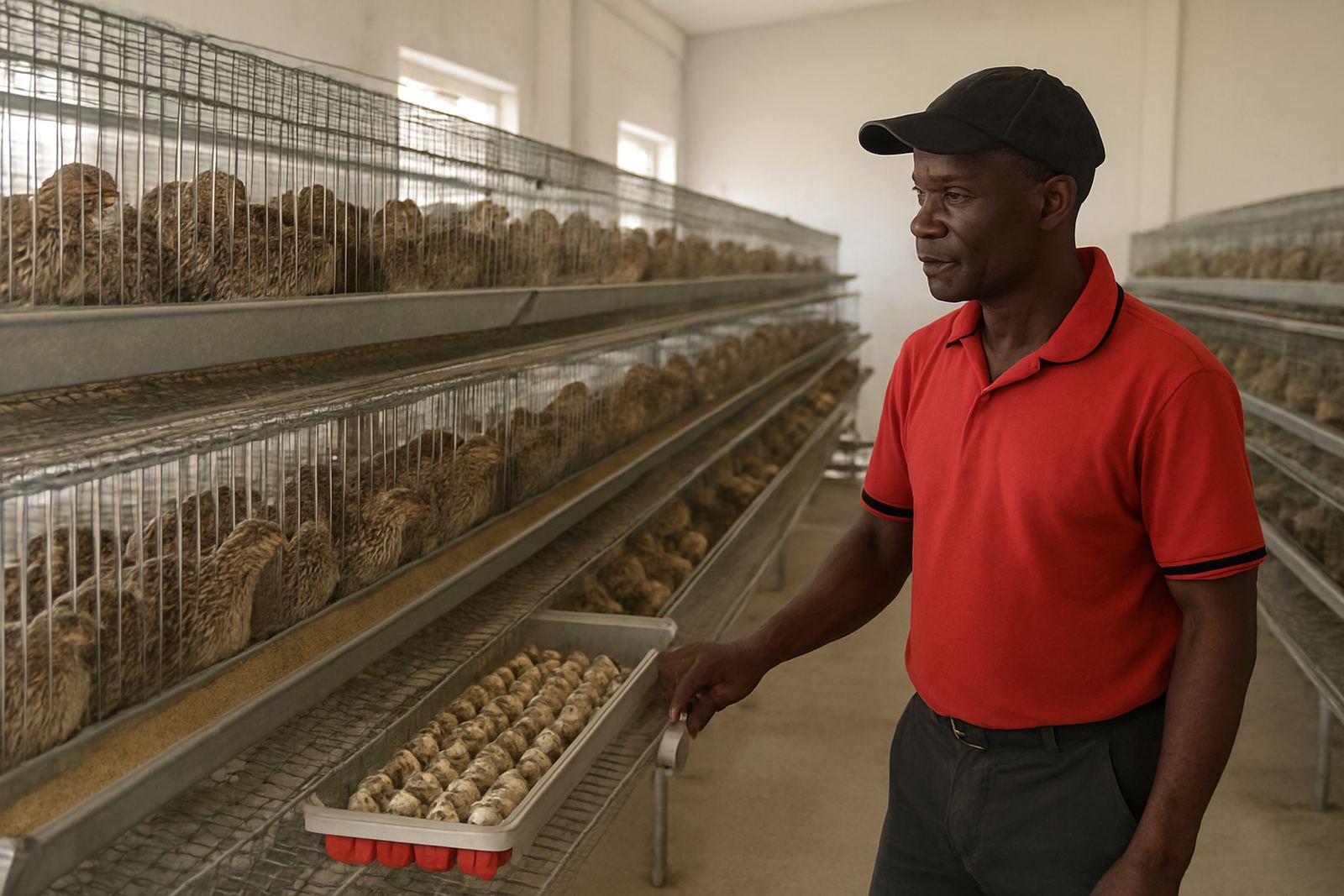
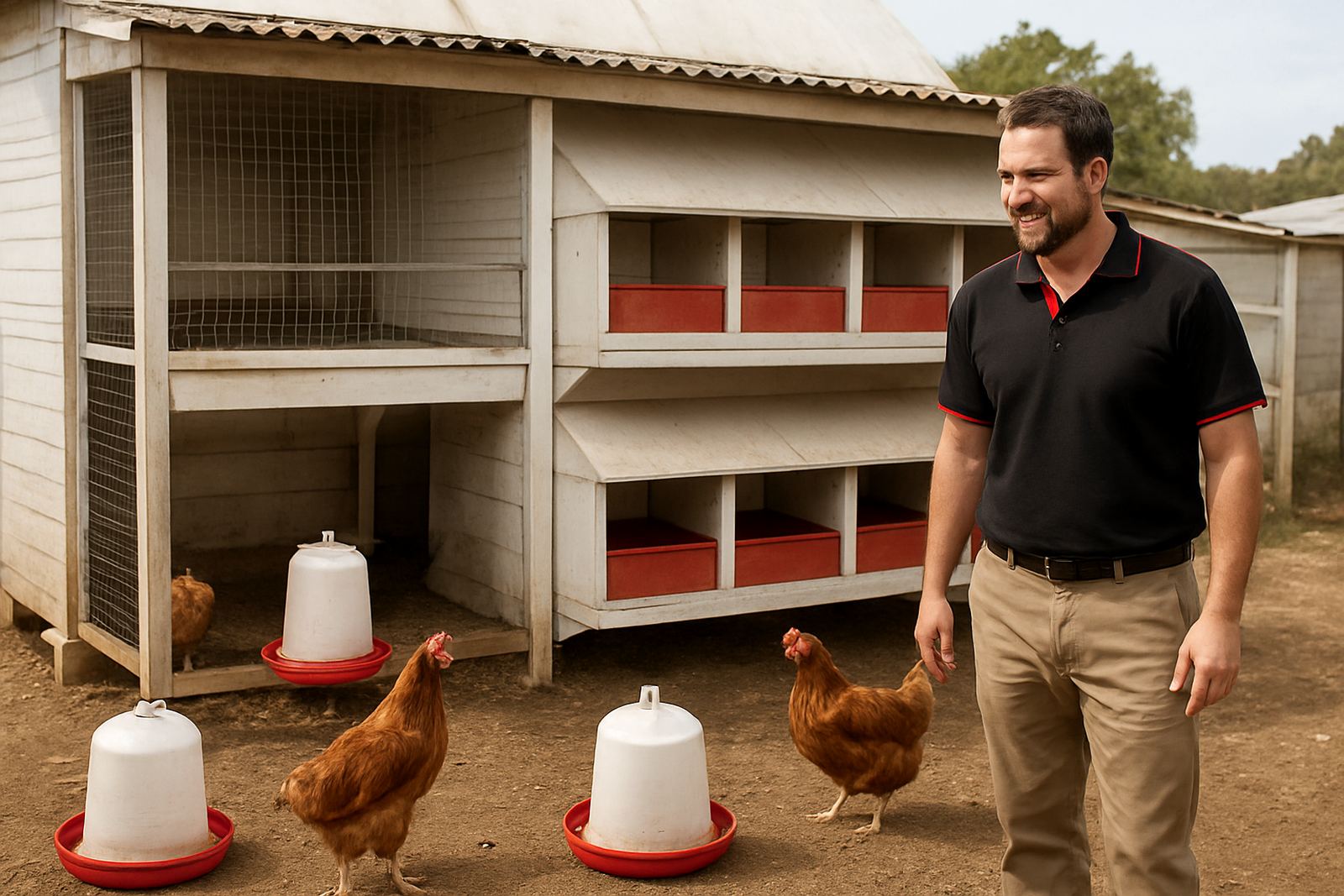
The right equipment depends on the number of birds, but most small layer projects use a compact, practical set of items rather than a full production line. For cage systems, the focus is on space per bird, egg collection and easy cleaning. For free-range or floor-based sections, the focus shifts to litter control and correct drinker height. We help with the mix that suits the site and the plan for sales.
- Laying-hen cages sized for the bird count and house width
- Feeders that reduce spillage and keep feed dry
- Drinkers or nipple lines with a clean water supply
- Egg trays, collection tables and a small packing area
- Brooders for rearing day-old chicks if the client starts from scratch
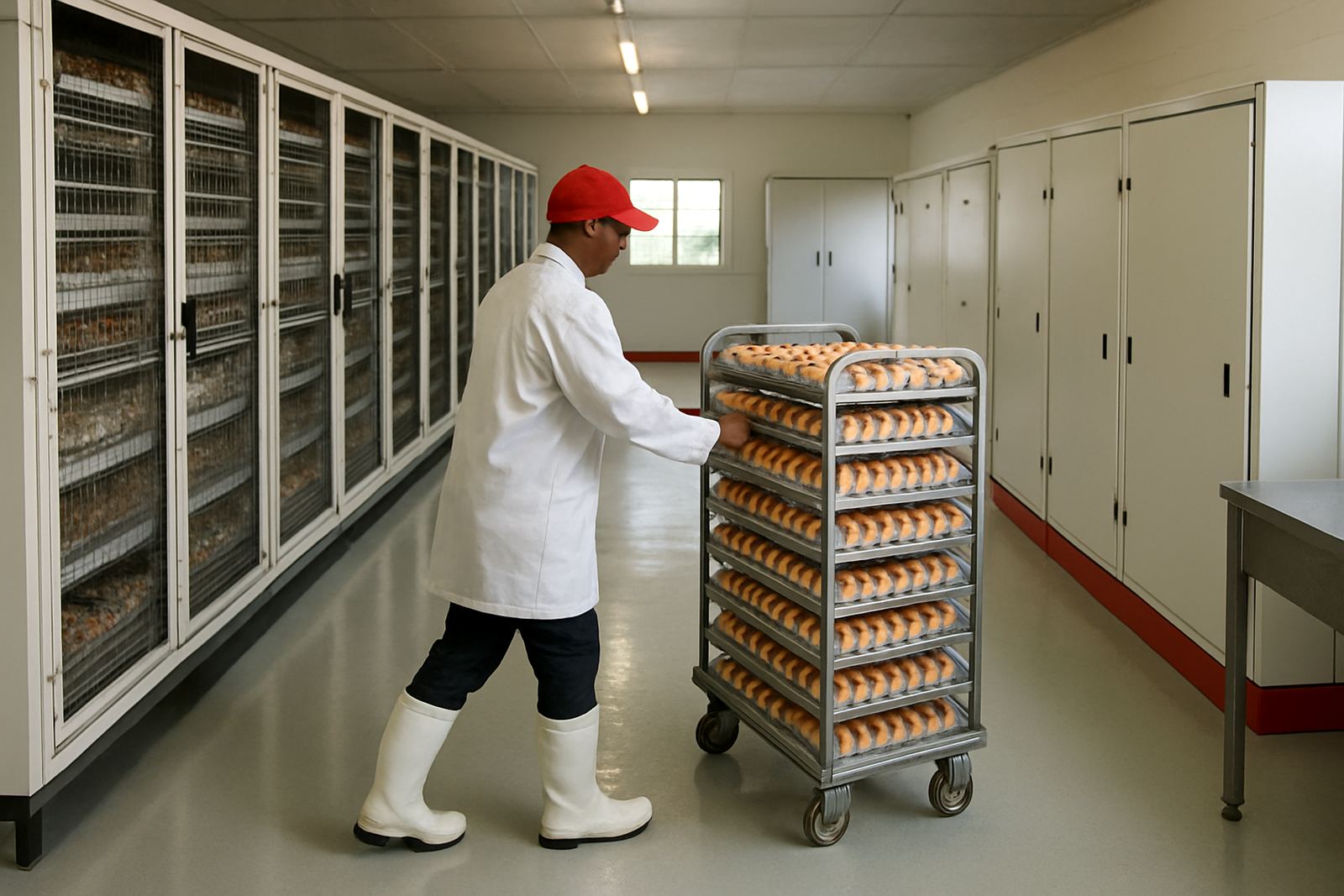
- Incubators for those hatching their own replacement stock
- Basic abattoir items only where live-bird processing is part of the business
In many backyard projects, the water system matters more than people expect. A clean tank, filter and pressure control can save a lot of trouble during load-shedding or when municipal pressure drops. On hotter days, especially in Mpumalanga and Limpopo, birds need steady water flow and shade control to keep laying consistent.
Layout planning that keeps the work simple
A small layer house should be planned around daily movement. Feed must come in without blocking the path, eggs must come out without crossing the dirty side, and manure must leave the house in a way that does not make a mess near the gate. Even on a home property, the layout should follow a clean side and a dirty side. That makes washing, disinfection and pest control much easier.
We normally look at site position, sun, prevailing wind, drainage and access for a bakkie or small trailer. In coastal areas, humidity can increase smell and corrosion, so galvanised surfaces and good ventilation matter. In colder inland towns, good insulation and draft control help the hens keep laying through winter. If the unit is near neighbours, noise, odour and runoff should be handled properly from day one.
- Place the house on higher ground where water will not pool after rain
- Leave space for feed bags, spare parts and a small clean storage area
- Keep egg handling away from manure and wash water
- Fit a lockable store for supplements, disinfectants and records
- Allow enough room to walk between cage rows or pens without squeezing past equipment
Common mistakes we see on small poultry sites
Most problems on backyard layer units are not caused by the birds, they come from poor planning. People often buy too many hens for the space, put drinkers too low, leave no room for cleaning or start without thinking about water storage. Another common issue is trying to save money on the house structure and then spending more later on repairs, rust treatment and bird losses.
We also see projects where the owner wants eggs for sale but has no plan for grading, packing or collection days. If eggs sit in a hot room or get moved around with feed and tools, breakages and dirt increase. In some municipalities, the site also needs to remain tidy for neighbours and local inspection. Good hygiene, proper drainage and regular cleaning go a long way.
It is also a mistake to ignore replacement birds. A layer flock needs a plan for pullets, culls and cycle timing. If not, production falls off and the owner is left with an uneven flock. Training helps here, because the person doing the work must know feed changes, lighting routines, egg checks and when to call for service.
Budget ranges for a backyard layer project
Budget depends on bird numbers, whether the unit is cage based or floor based, and whether the house already exists. A very small starter project may only need basic housing, feeders, drinkers and simple egg handling. A better planned setup with cages, water storage, improved flooring and a small store will cost more, but it normally performs better and is easier to keep tidy.
As a broad working guide, small backyard layer projects often fall into these ranges in Rand:
- Starter unit for around 50 to 100 hens: about R35 000 to R90 000
- Growing unit for 150 to 300 hens: about R90 000 to R220 000
- Better fitted unit for 400 to 500 hens: about R220 000 to R450 000
These figures change with site works, building condition, water storage, electrical needs and whether the client wants incubators, brooders or a more complete egg room. If there is a need for generator backup or solar support during load-shedding, that should be worked in at planning stage rather than added later when birds are already on site.
How we help from first idea to first eggs
Our team based in Jet Park, Boksburg supports backyard layer projects across Gauteng, Mpumalanga, Limpopo, North West, Free State and KwaZulu-Natal. We can assist with site planning, equipment selection, house layouts, installation supervision, commissioning, operator training, maintenance programmes, spares supply, processing room fitout and expansion upgrades. The goal is to give the client a clear setup that can grow without starting over.
For a small unit, this support is often the difference between a side income and a constant headache. Lerato Mokoena coordinates operations, Sibusiso Dlamini handles project flow, Anika van der Merwe assists with technical sales, Thabo Nkosi leads service support, Nadine Jacobs manages procurement and Musa Cele looks after training and support. For practical advice on a backyard layer setup, we keep the focus on what works on the ground, not on a theory that falls apart once the hens arrive.
If you are planning a backyard egg project and want it sized properly for your yard, budget and sales area, contact us at info@johnfmarshall.co.za. A short discussion at the start can save a lot of rework later on.