Quail production needs a tighter plan than chicken systems
Quail farming can look simple from the outside, but the birds respond quickly to poor ventilation, uneven heat and sloppy feeding. A good unit starts with the right house size, sensible stocking density and equipment that suits the bird, not a cut down chicken setup. In Gauteng, Limpopo and KwaZulu-Natal we often see new clients wanting to grow fast, then running into egg breakage, damp litter or poor hatchability because the building was not planned for quail from the start.
For a small commercial start, the client usually wants eggs, hatching stock, or table birds. That choice changes everything. Laying quail need clean collection points and low disturbance. Breeding and hatchery work need better incubation control and a clear flow from setter to hatcher to brooding. If the site has load-shedding or weak water pressure, that must be allowed for before equipment is ordered.
Typical equipment for a quail unit
The equipment list is not complicated, but each item must suit the size of bird and the daily routine. We help match the set-up to the production goal, the house size and the available budget.
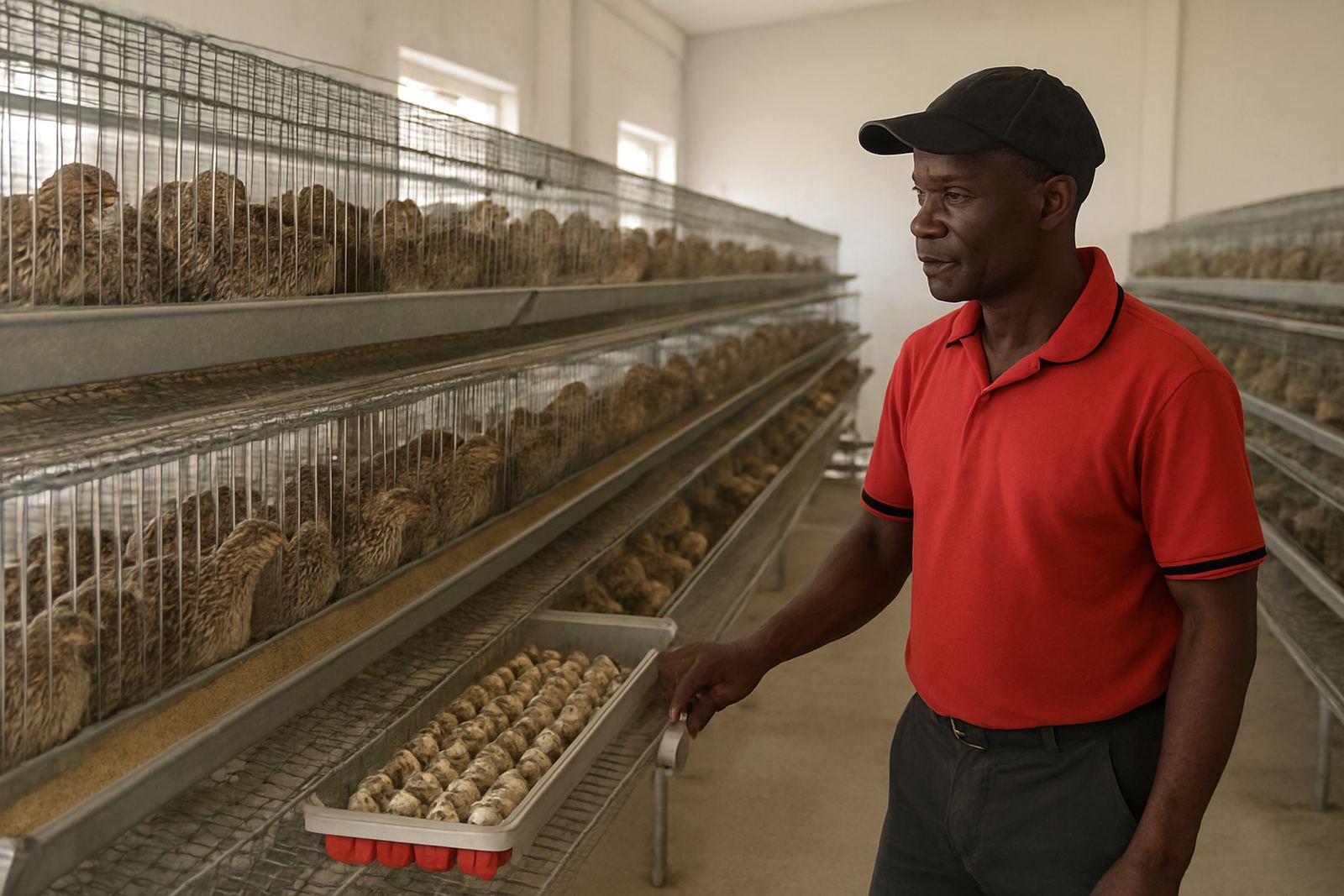
- Quail laying cages or small colony systems with correct mesh spacing and tray access
- Incubators sized for steady egg flow, with temperature and humidity control
- Brooders for day-old chicks, with heat source and safe chick guards
- Feeders that reduce wastage from scratching and spillage
- Drinkers suited to small birds, with clean access and low drip loss
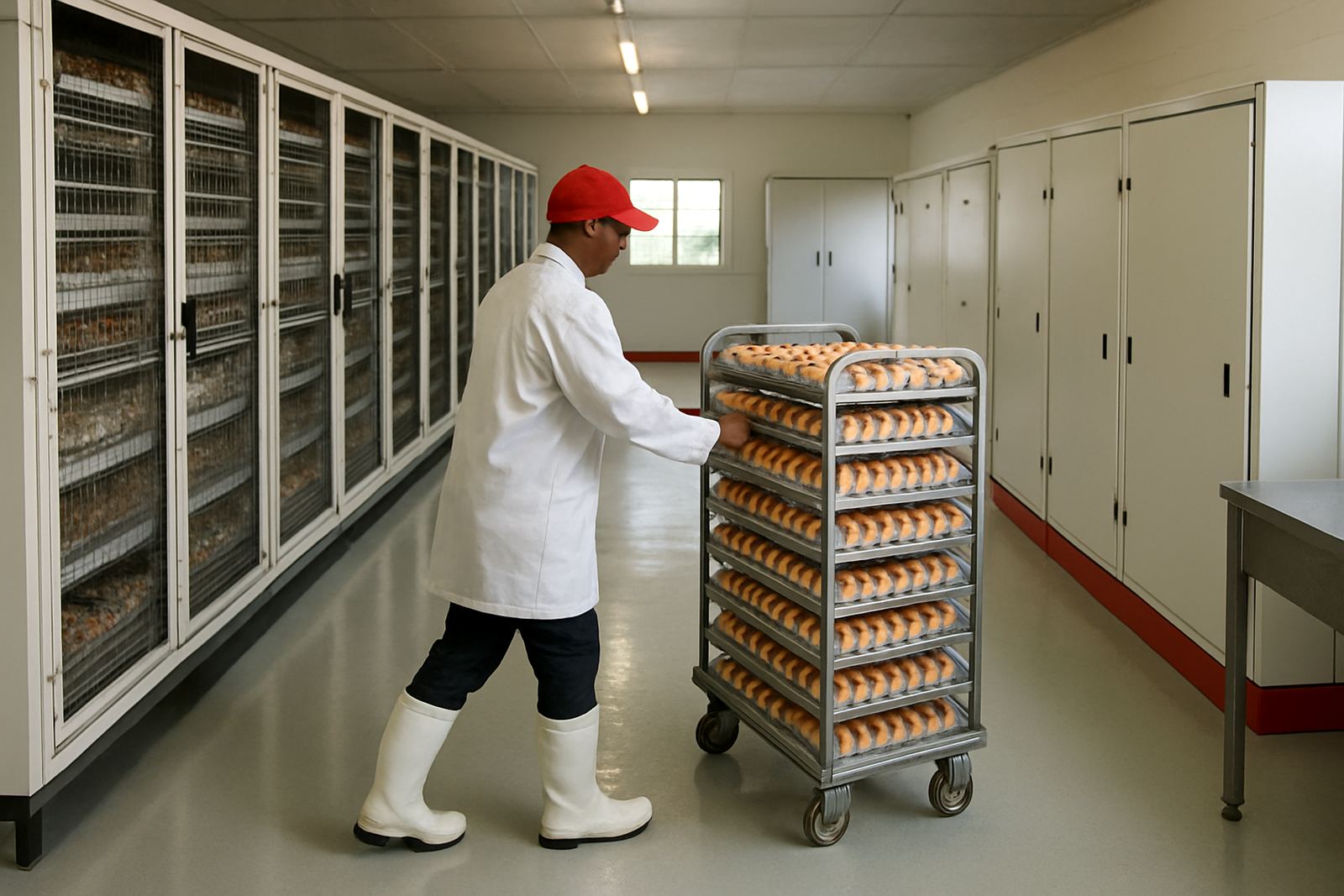
- Egg trays, hatchery trolleys, and handling crates
- Backup power provision for incubators and brooding equipment
For many farms, the best result comes from simple equipment used well. A machine with the right capacity and easy cleaning is often better than a large unit that is hard to keep clean. We also look at spare parts supply, because quail systems cannot sit idle waiting for a small fitting or thermostat.
House layout and planning for temperature, hygiene and labour
Quail housing works best when the layout keeps daily work short and practical. Feed storage should be close, water lines should be easy to inspect and egg collection should happen without moving through too many pens. In hotter parts of Mpumalanga and North West, roof insulation and sidewall airflow matter. In coastal areas, salt moisture can shorten the life of wires, mesh and light fittings, so material choice matters from the start.
A useful layout usually separates breeding, hatchery and brooding areas. That helps with hygiene and makes it easier to train staff. It also reduces cross-contamination between older birds and chicks. If the site is close to neighbours or a municipal boundary, noise, waste handling and run-off should be planned carefully to stay within local rules.
- Keep egg storage cool, dry and close to the incubator room
- Allow enough aisle space for cleaning and tray movement
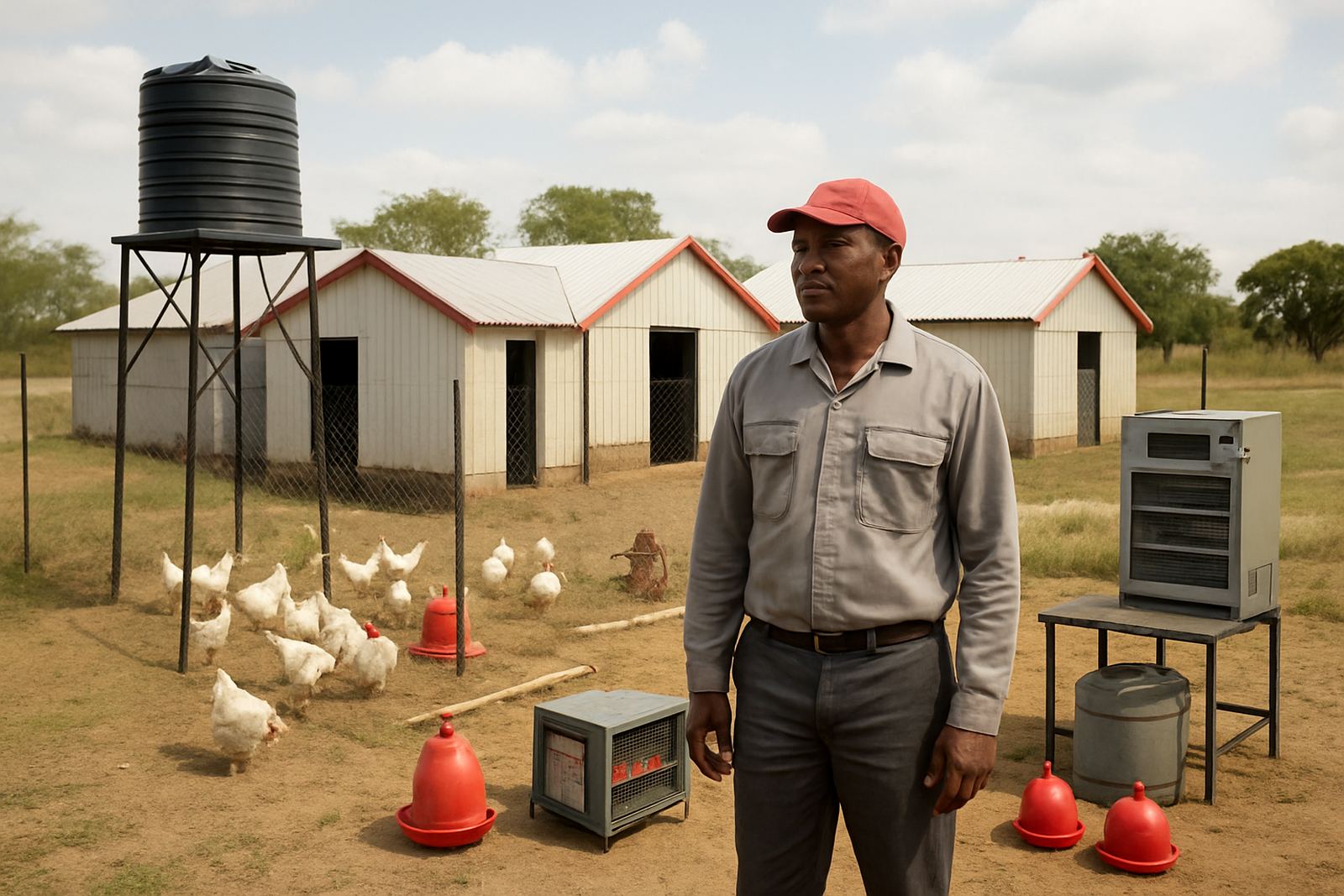
- Place water tanks where pressure stays reliable during outages
- Use washable wall and floor finishes where possible
The hatchery side: getting better hatch rates without overcomplicating it
Many quail projects fail because the bird side is sorted out but the hatchery side is guessed at. Incubation needs consistent temperature, humidity and turning. If the room gets too warm in the afternoon or power drops during the night, hatch rates can fall fast. That is common in rural Free State sites and also on busy industrial properties where power sharing is uneven.
We normally advise clients to size the incubator for realistic weekly egg numbers, not hopeful numbers. It is better to run a smaller machine steadily than to overload a large one. Brooding space must also be ready before chicks arrive. If chicks are moved too soon or kept too cold, losses rise and feed conversion suffers. Simple records help here, including hatch date, fertile egg count, chick survival and feed use.
Common mistakes we see on new quail projects
The first mistake is treating quail like bantam chickens and using the wrong cage mesh, drinker height or egg handling method. The second is poor climate control. Quail are small birds and they show stress quickly, especially in hot weather or where ventilation is uneven. Another problem is under sizing the feed and water system, then spending all day fixing avoidable blockages.
- Using cages that are too high or too open for the birds
- Not allowing for backup power during load-shedding
- Placing incubators in rooms with changing temperatures
- Mixing clean hatchery areas with dirty service areas
- Buying equipment before agreeing the production target
A smaller but important issue is staff movement. Quail do better when routine is calm and repeatable. Training matters. If one operator sprays water too hard, or another leaves feed bins open, production starts drifting. That is why we include operator training and maintenance schedules where needed.
Budget ranges for South African quail projects
Quail budgets vary depending on whether the client wants a starter unit, a breeding and hatchery setup, or a more formal commercial house. As a broad guide, a small starter unit with basic cages, feeders, drinkers and a compact incubator can begin from about R45,000 to R120,000. A more complete project with multiple houses, better climate control, backup power allowance and hatchery support can move into the R180,000 to R650,000 range.
For turnkey work, costs change with building condition, local labour, electrical upgrades and how much installation supervision is needed. A farm near Boksburg, Nelspruit or Polokwane may also need different transport and commissioning allowances. We normally advise clients to budget for maintenance parts, spare drinkers, thermostats and a small contingency fund. It saves trouble later, especially where supply delays or municipal water interruptions can happen.
How we support quail farmers from first idea to commissioning
John F Marshall has supported poultry and processing projects since 2009, with a Gauteng base in Jet Park, Boksburg and work across South Africa. For quail projects we handle site planning, equipment selection, house layouts, installation supervision, commissioning, operator training, maintenance programmes, spares supply, processing room fitout and expansion upgrades. The aim is practical support, not overcomplication.
Whether the plan is a small breeding room or a larger production unit linked to hatchery work, we help the client choose equipment that suits the bird, the climate and the business plan. That includes making room for future growth without wasting money on unused capacity at the start.
If you are planning a quail unit and want a straight answer on layout, equipment and budget, we can help you build it properly from the ground up.