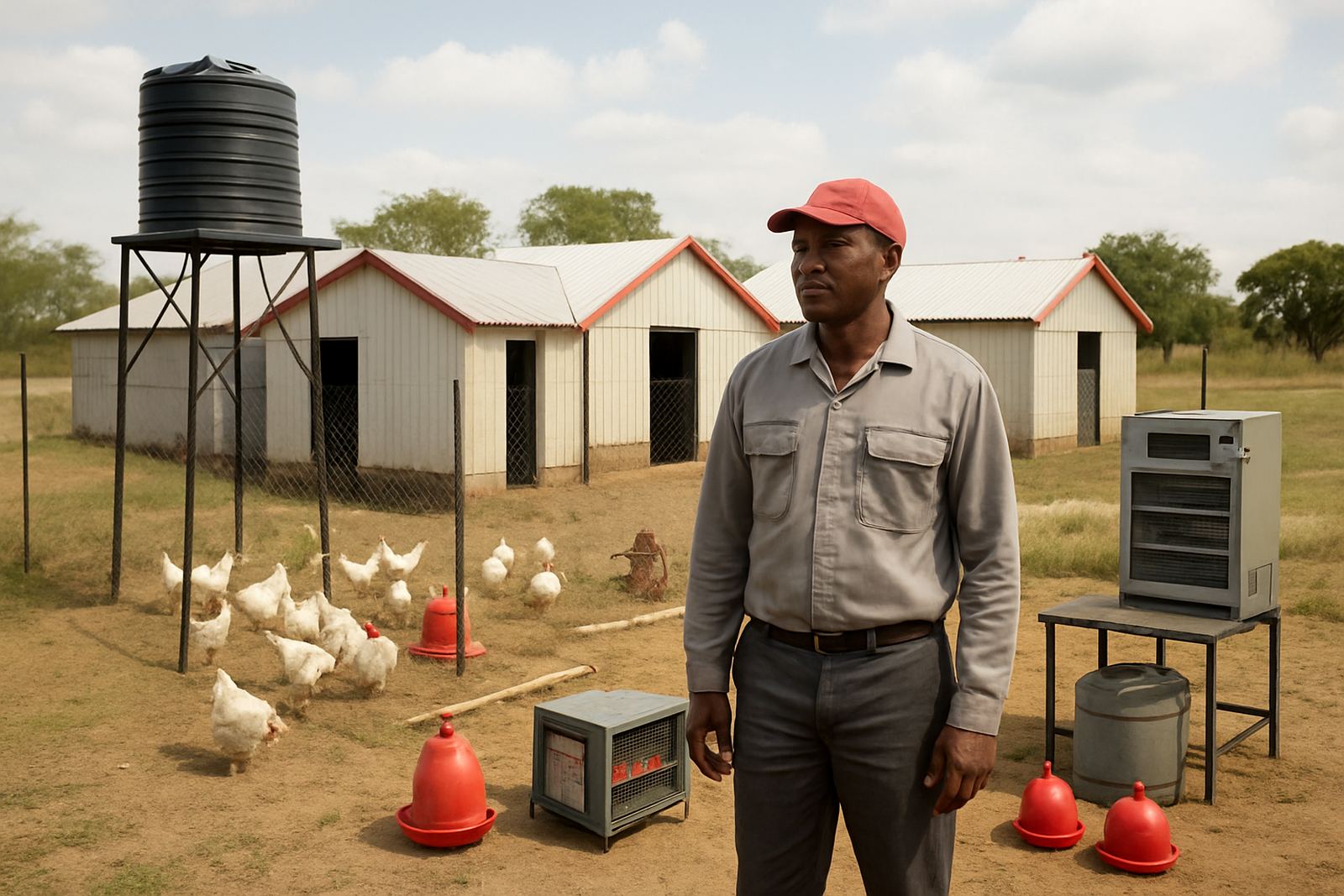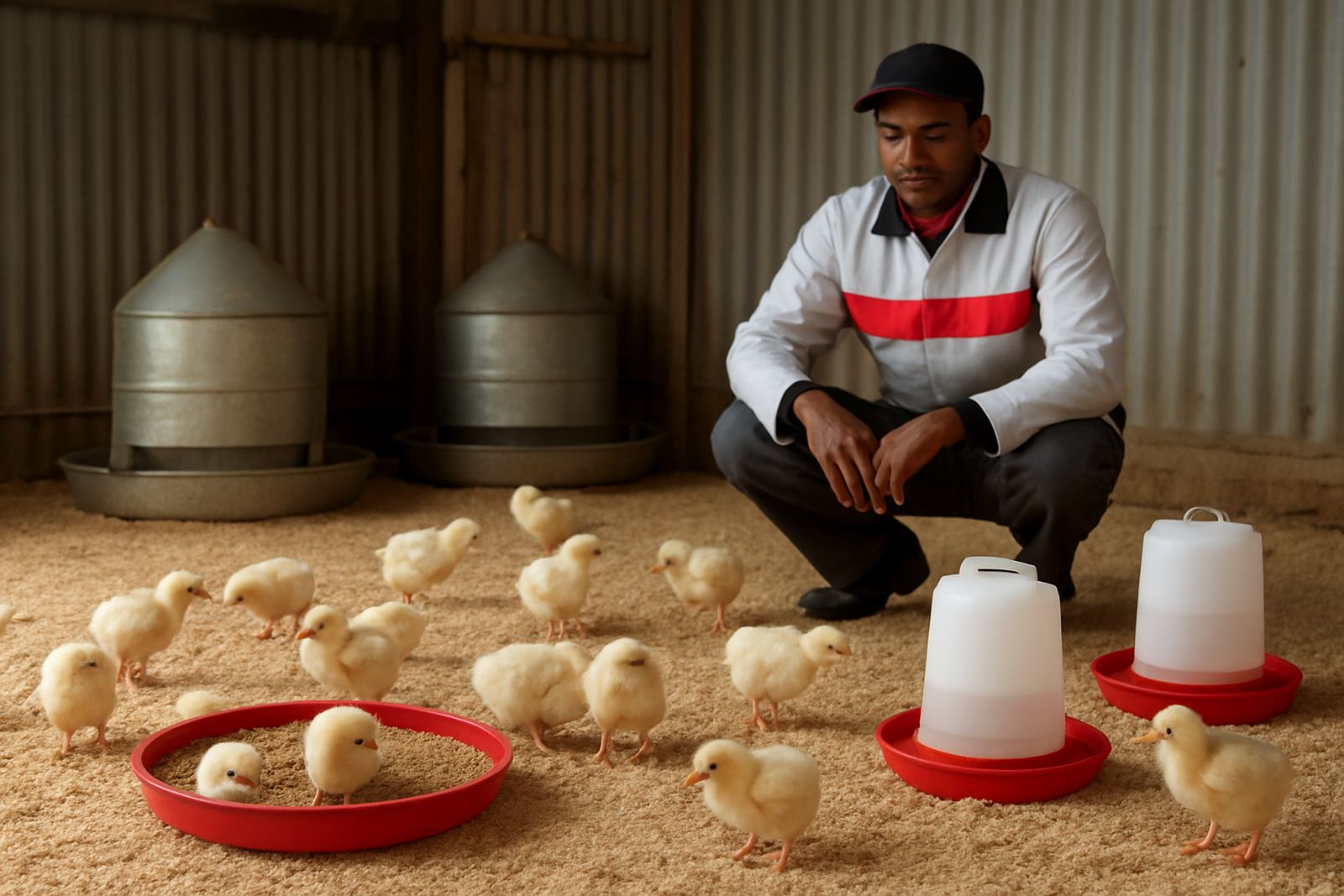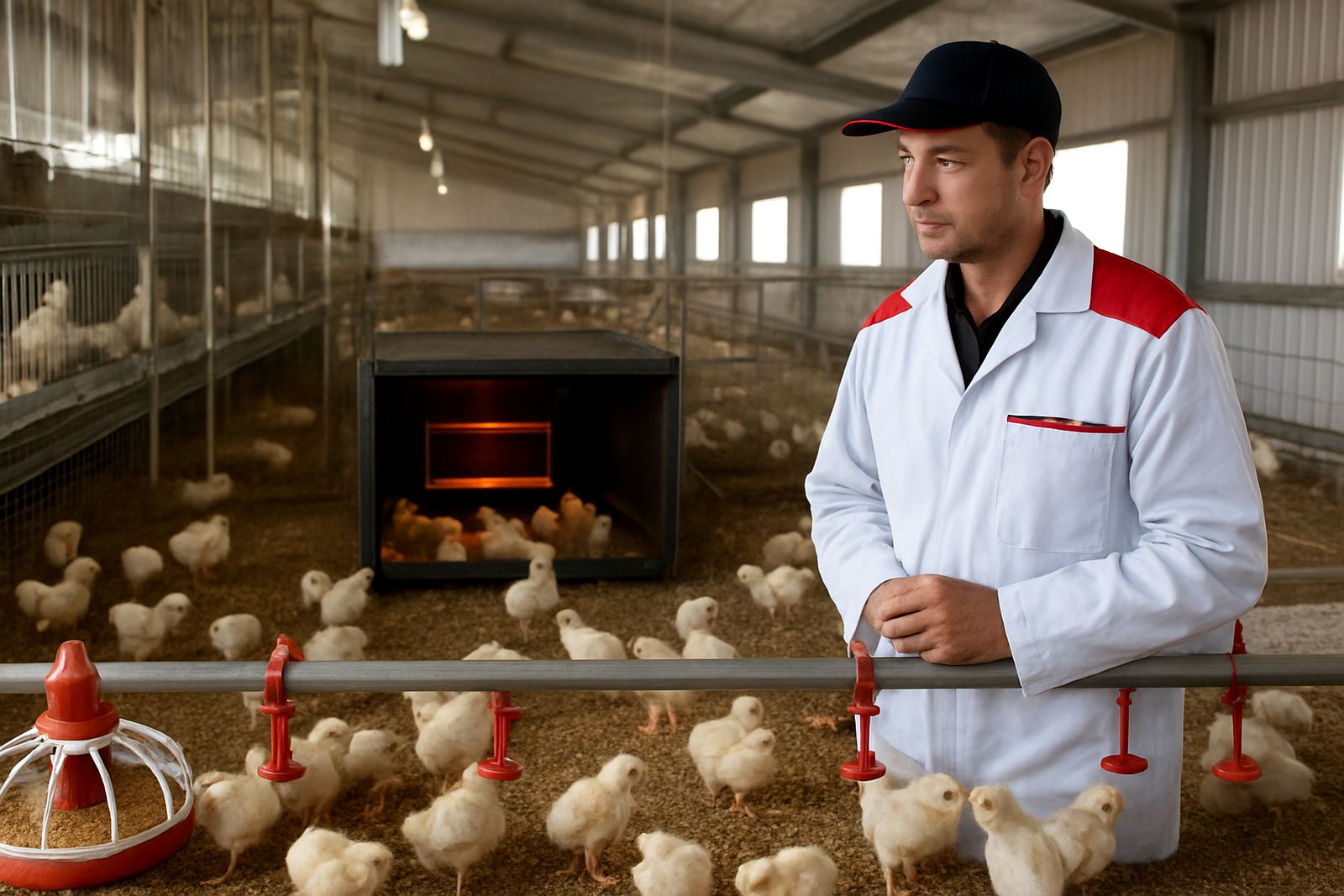
When game bird chicks arrive, the first 14 days matter most
a leading make bird chicks are smaller, more active and easier to stress than standard poultry. Whether you are raising quail, guinea fowl, partridge or mixed game bird batches, the first job is to give them steady heat, dry litter and feed access that does not waste product or allow chicks to pile up. In many Gauteng and Limpopo projects we see losses come from cold corners, weak light, or drinkers set too high for the birds to reach.
A proper start means brooding space sized for the bird type, not only the number on paper. The house must allow warm air to move without draughts, especially where winter nights drop sharply in the Free State or where coastal humidity can keep litter wet for too long. If load-shedding is a risk, heat and lighting backup must be planned from day one, not added after the first outage.
Typical equipment for game bird rearing houses
The equipment set is usually simpler than a full layer house, but it must be matched carefully to the species and growth stage. Our team supplies and plans brooding and feeding options that can be scaled from a small breeder unit to a larger commercial project.
- Brooders and heating systems sized for chick density and house airflow
- Feeders that reduce scratching loss and make daily filling easier
- Drinkers with correct height and flow for small beaks and active birds
- Heat lamps, guards and control equipment for early-stage brooding
- Holding pens, partitions and handling gear where birds are sorted by age or sex
- Turnkey poultry project items, including installation supervision and commissioning
For some clients, the answer is not one big house. It may be several smaller sections so birds can be grouped by batch age, which makes feeding and disease control more manageable. That also helps when staff are still learning the routine and need a clear work pattern.
Layout choices that save labour and reduce stress
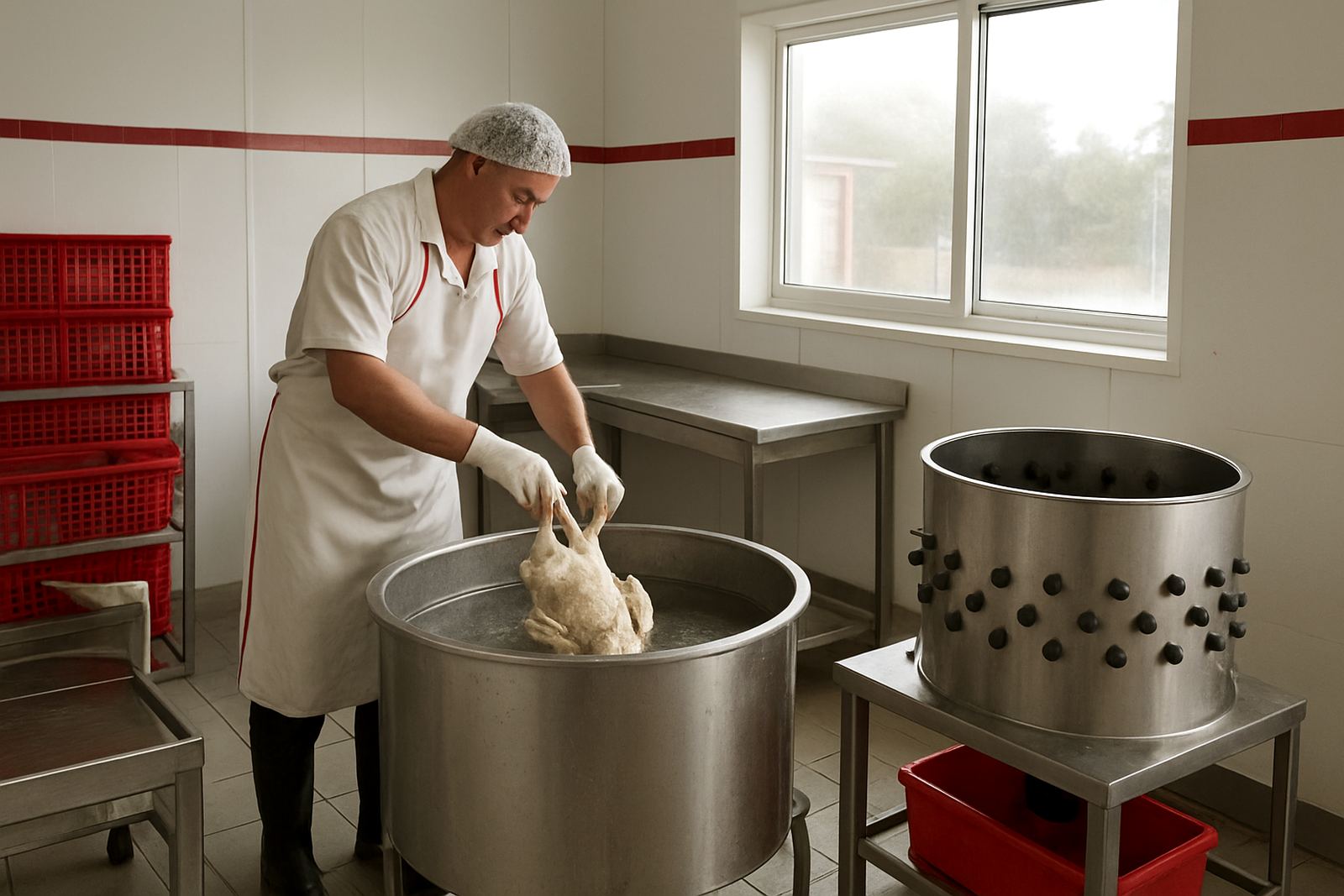
a leading make bird houses should be planned around movement, airflow and cleaning. Feed bins, storage and access doors need to be placed so the team can refill and remove waste without walking through young birds too often. If the house is on a farm road with dust, or close to an abattoir or processing room, the layout should keep dirty traffic away from the rearing area.
Space planning must also consider future growth. Many farms start with a few birds for breeding or specialist sales, then expand once clients ask for more. A good layout leaves room for extra pens, a larger feed store, and service access for maintenance work. It is far cheaper to leave that space now than to cut walls later.
- Keep brooding zones close to power points and emergency backup supply
- Allow a clear path for staff with feed buckets, crates and cleaning tools
- Use washable surfaces where possible, especially around drinkers
- Separate young chicks from older birds to avoid trampling and pecking
- Plan ventilation for summer heat in Mpumalanga and North West, not only winter cold
Common mistakes we see on game bird projects
The most common mistake is copying a layer or broiler setup and expecting it to work the same way. a leading make birds are lighter, more flighty, and less forgiving of uneven heat. Another frequent problem is using drinkers that are too deep or feeders that let birds scatter feed onto wet litter. Once the litter is damp, smell and disease pressure rises quickly.
Some clients under-size the electrical supply and then struggle when brooders, fans and lights all run at once. In towns with unstable supply, that can mean uneven temperatures within one brooding cycle. We also see houses where staff have not been trained on daily checks, so small issues are missed until birds are already stressed, and the catch-up cost is much higher.
Good training and a simple maintenance plan solve more problems than expensive equipment alone. Our service team can help with operator training, maintenance programmes and spares supply, so a busy farm does not lose time over a blocked drinker or a failed thermostat.
Budget ranges for South African farms
Budget depends on bird type, batch size, house condition and whether the project is new build or a retrofit. As a working guide, a small starter brooding and feeding setup may begin from around R35 000 to R90 000 for basic equipment, while a more complete house with improved control, partitions and backup support can run from R120 000 to R350 000 plus installation and site work. Larger commercial or multi-house projects, especially those that include processing room fitout or turnover upgrades, can move well above that.
The cheapest quote is not always the lowest cost over 12 months. If a system wastes feed, burns too much electricity or needs constant repair, it becomes expensive fast. We rather look at the full operating picture, including labour time, water use, cleaning effort and spare parts availability.
For projects in rural areas, transport and access can also affect cost. A site near Jet Park, Boksburg is not the same as a remote property in Limpopo with long delivery lead times and limited municipal support. That is why we quote with the actual site and not just the bird count.
How we support the project from first plan to first batch
John F Marshall has been working in poultry and related equipment since 2009, with poultry projects across Gauteng, Mpumalanga, Limpopo, North West, Free State and KwaZulu-Natal. Our team includes planning, technical sales, projects, service, procurement and training support, so the client is not left to coordinate everything alone. From site planning and equipment selection to installation supervision and commissioning, we keep the steps practical.
For game bird rearing, that means we help with house layouts, brooder placement, feed and water point spacing, and the handover of operating routines. If the project later expands, we can assist with upgrades, extra spares and maintenance scheduling. It is a straightforward way to keep the birds healthy and the house easier to run.
If you are setting up a new game bird unit or adapting an existing poultry house, send the house size, bird type and target batch numbers to info@johnfmarshall.co.za. We can work from that and give you a sensible starting point, no fuss.
- Site Planning
- Equipment Selection
- House Layouts
- Installation Supervision
- Commissioning
- Operator Training