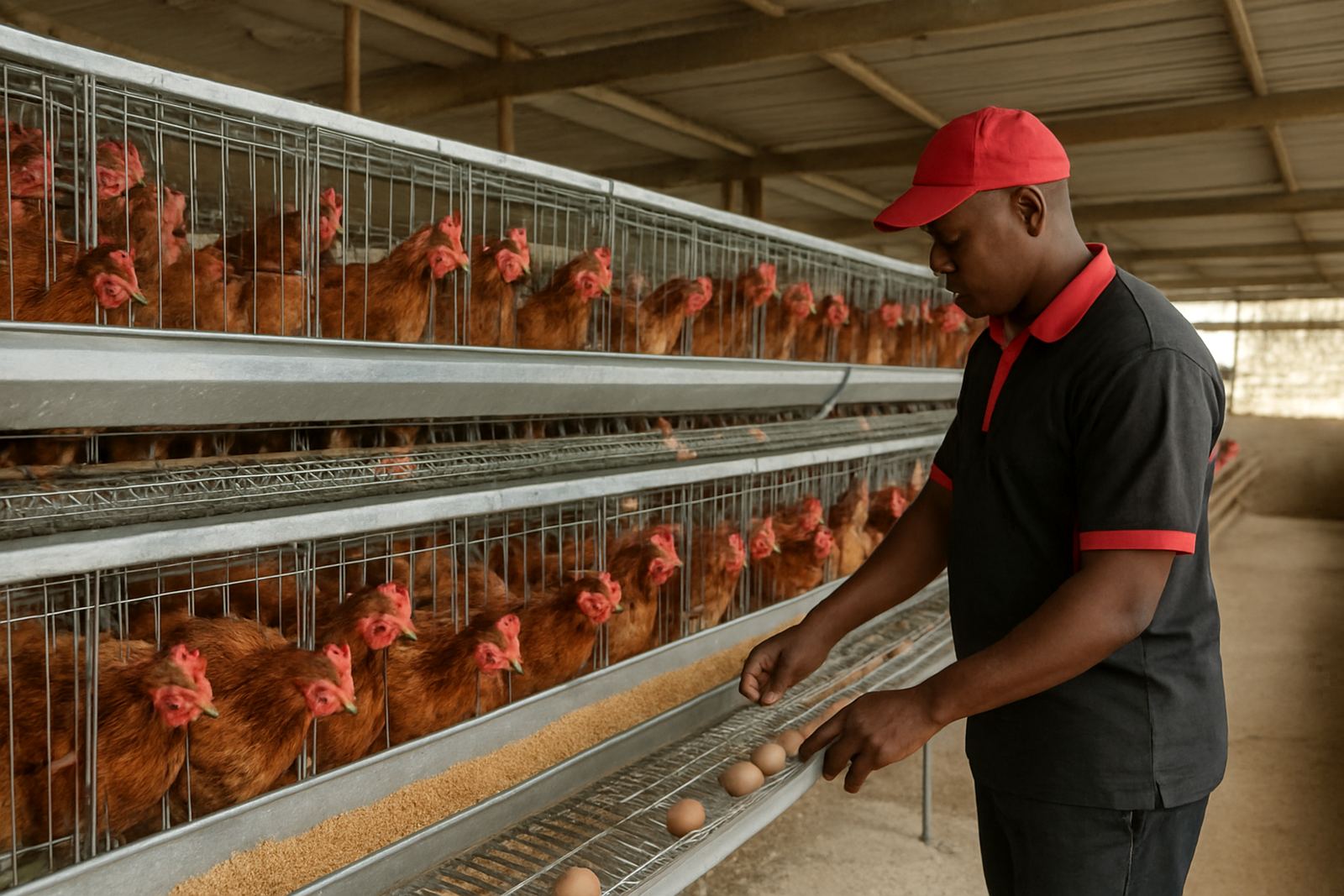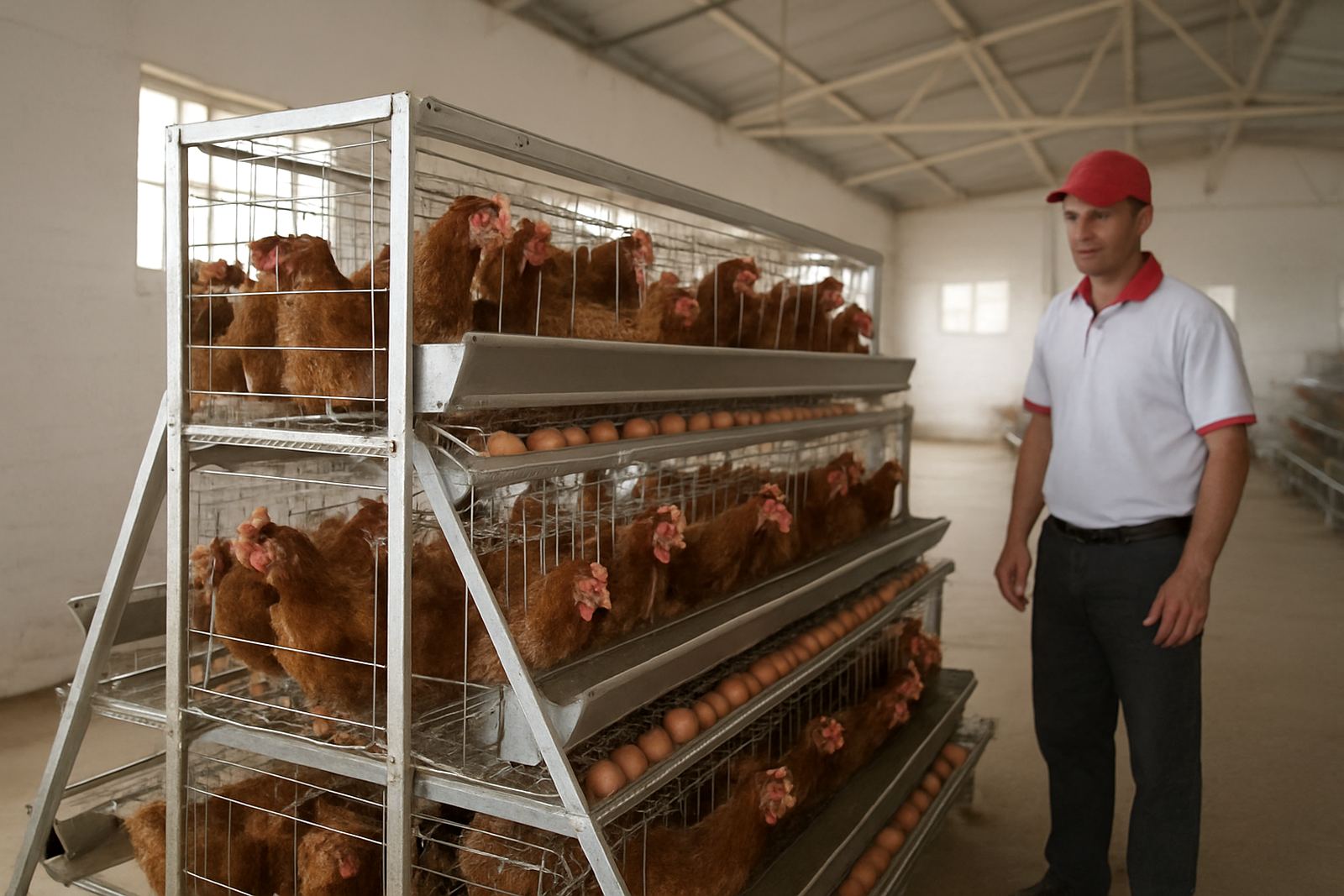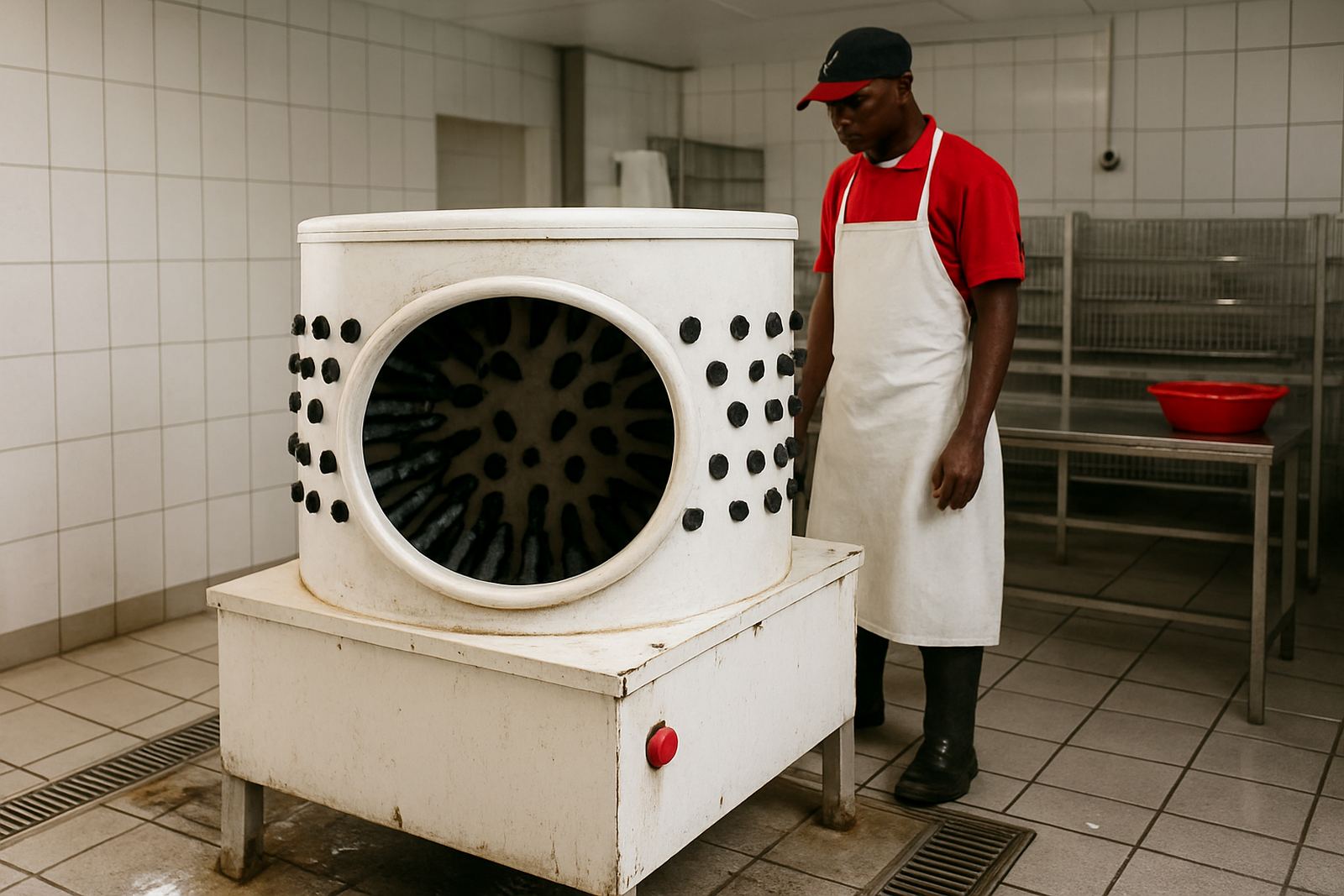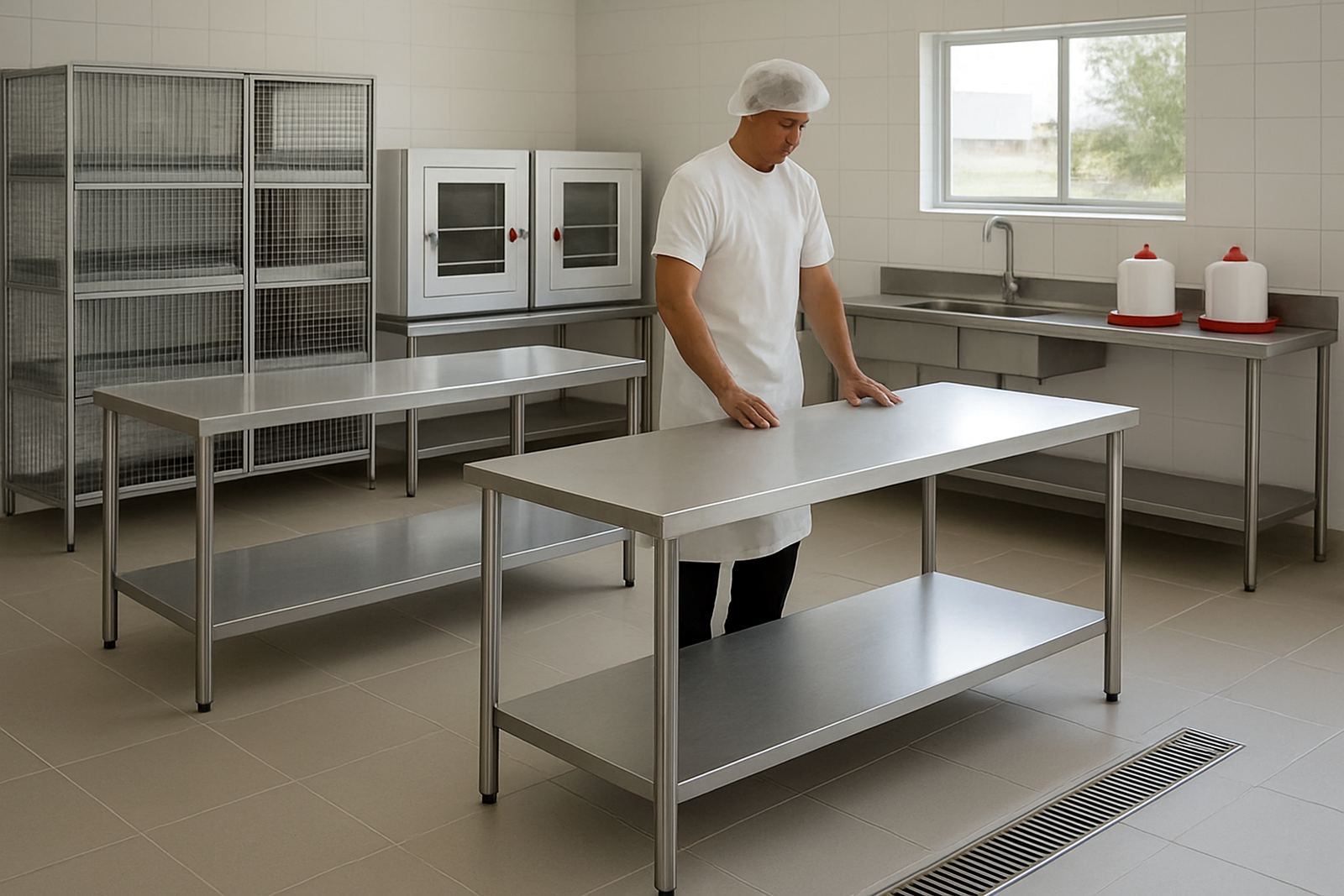
Built for clean handling in hatcheries and processing rooms
Stainless work tables are used wherever poultry work needs a clean flat surface that can take daily use. In a hatchery they suit egg handling, chick counts, packing, grading and paperwork support close to the work area. In a processing room they are handy for trimming, tray packing, staging, inspection and general support tasks where spills and washdowns are part of the day.
These tables are usually made from stainless steel top surfaces with a welded or bolted frame underneath. That gives a smooth finish that does not absorb moisture and stands up better in humid areas like KwaZulu-Natal or coastal stores where plain steel can rust quickly. They also suit inland sites in Gauteng, North West and Limpopo where dust and cleaning chemicals are part of the routine.
For poultry operations, the right table is not just about appearance. It must sit level, hold weight, and leave enough room for staff to move without bumping into corners or squeezing past equipment. A good table makes the room easier to work in, and cuts down on clutter around incubators, drinker lines, packing benches and small prep areas.
Standard sizes, top thickness and frame options
We supply general purpose stainless work tables in practical sizes that suit hatcheries, stores, packing areas and light processing rooms. Common lengths are 1 200 mm, 1 500 mm and 1 800 mm, with widths from 600 mm to 750 mm. Standard working height is usually around 850 mm to 900 mm, but this can be adjusted if the table must match other equipment or fit under a shelf or pass-through.
Depending on the job, tables can be supplied with a plain top, lower shelf, splash back or undershelf for trays and boxes. Legs can be fitted with adjustable feet for uneven floors, which helps in older buildings or converted sheds where concrete slopes slightly for drainage. Where extra mobility is needed, lockable castors can be fitted, although fixed legs are better for a permanent wash area.
- Plain top for general support work
- Splash back for cleaner wall-side placement
- Lower shelf for crates, trays or tools
- Adjustable feet for uneven floors
- Lockable castors for mobile use where suitable
Top thickness and frame detail should be matched to the duty. Light packing tables do not need the same build as a table used for boxes, small containers or repetitive handling all day. If the table will carry heavy items, ask for a stronger frame and welded reinforcement under the top.
Where stainless work tables fit best on site
These tables suit hatchery support rooms, egg collection points, chick handling areas, processing rooms, dispatch points and stores. They are also useful in feed preparation rooms, maintenance workshops and staff packing areas where clean separation between work surfaces matters. In a turnkey poultry project, they often form part of the final room fitout once the main equipment has been placed and the workflow has been marked out.
When planning placement, think about movement between tables, sinks, drains, fridges, incubators and doorways. A table placed too close to a wall can trap dirt and make cleaning slower. One that sits in the wrong position can block trolleys or make staff carry trays farther than needed. We normally look at the flow of work first, then size the table to match the space, not the other way around.
For sites in colder inland areas, condensation is less of a problem, but washdown still matters. In humid coastal rooms, it is worth allowing a little extra space around the table so air can move and surfaces dry properly after cleaning. If the room has frequent load-shedding or generator use, the table itself does not need power, but it should be positioned so that any powered nearby equipment can still be serviced without moving the table each time.
Installation needs and what the table must sit on
Stainless work tables do not need electrical supply, gas or plumbing. That makes them easy to add to new rooms and existing buildings without major change. Installation is mainly about delivery, positioning and levelling. A level floor is important, because even a small wobble makes cutting, packing and tray stacking harder than it should be.
Before ordering, check the route into the room, the door width, and whether the table must pass through a narrow corridor or under a lintel. If the table is long, it may be delivered assembled or partly stripped to get through access points. Floors should be sound, smooth and able to handle regular washdown. In poultry environments, cracked concrete and rough grout lines can hold dirt, so it helps to have the floor sorted before the table goes in.
- No power required
- No gas required
- Level floor recommended
- Good access for delivery and cleaning
- Position away from standing water where possible
If the table sits near a wash bay or processing drain, ask for corrosion-resistant fittings and proper leg detail. A stainless table is easy to keep clean, but it still needs a proper drying off after washdown, especially where water is hard or treated with chemicals.
Care, cleaning and servicing in poultry operations
Routine care is straightforward. Wash the table with a mild detergent, rinse properly and dry down after use. Avoid harsh abrasives that can scratch the surface, and do not leave bleach or strong chemicals sitting on the top for long periods. Stainless steel will handle regular cleaning, but the finish lasts longer when it is wiped down instead of left wet overnight.
Check legs, welds and foot pads during normal maintenance rounds. If the table is moved often, look for loose fittings or castor wear. If it is in a processing room, inspect for small dents or lifted edges where trays catch. That matters because damaged edges can trap dirt and make cleaning less effective. In busy hatchery or abattoir support rooms, a quick weekly check is usually enough to keep the table in service.
We can also assist with replacement parts, added shelves and follow-up adjustments where a room layout changes. As projects expand, tables are often moved from one use to another, so it helps to keep the design simple and serviceable.
What to confirm when ordering your table
To supply the right table first time, we need a few practical details about the room and the work it will do. That helps us match the size, finish and frame to your operation instead of giving you something that is too small, too high or awkward to clean.
- Required length, width and working height
- Plain top, undershelf, splash back or castors
- Expected load and daily use
- Room type, such as hatchery, packing room or processing support area
- Access size for delivery into the building
- Whether the table must match other stainless equipment
If you are fitting out a new poultry room or upgrading an older one, we can work from your layout and advise where tables should go so staff do not lose time walking between tasks. That is often the difference between a room that feels cramped and one that works properly day after day.
John F Marshall supplies stainless work tables from our Jet Park base in Boksburg, with poultry project support across Gauteng, Mpumalanga, Limpopo, North West, Free State and KwaZulu-Natal. For sizing, layout help or pricing, contact our team and we will match the table to your site conditions and the work you need done.
Key facts
| Material | Stainless steel working surface with metal support frame |
|---|---|
| Common lengths | 1 200 mm, 1 500 mm, 1 800 mm |
| Common widths | 600 mm to 750 mm |
| Working height | About 850 mm to 900 mm, adjustable on request |
| Options | Lower shelf, splash back, adjustable feet, lockable castors |
| Utilities | No power or gas required |