What a layer cage battery does in a laying house
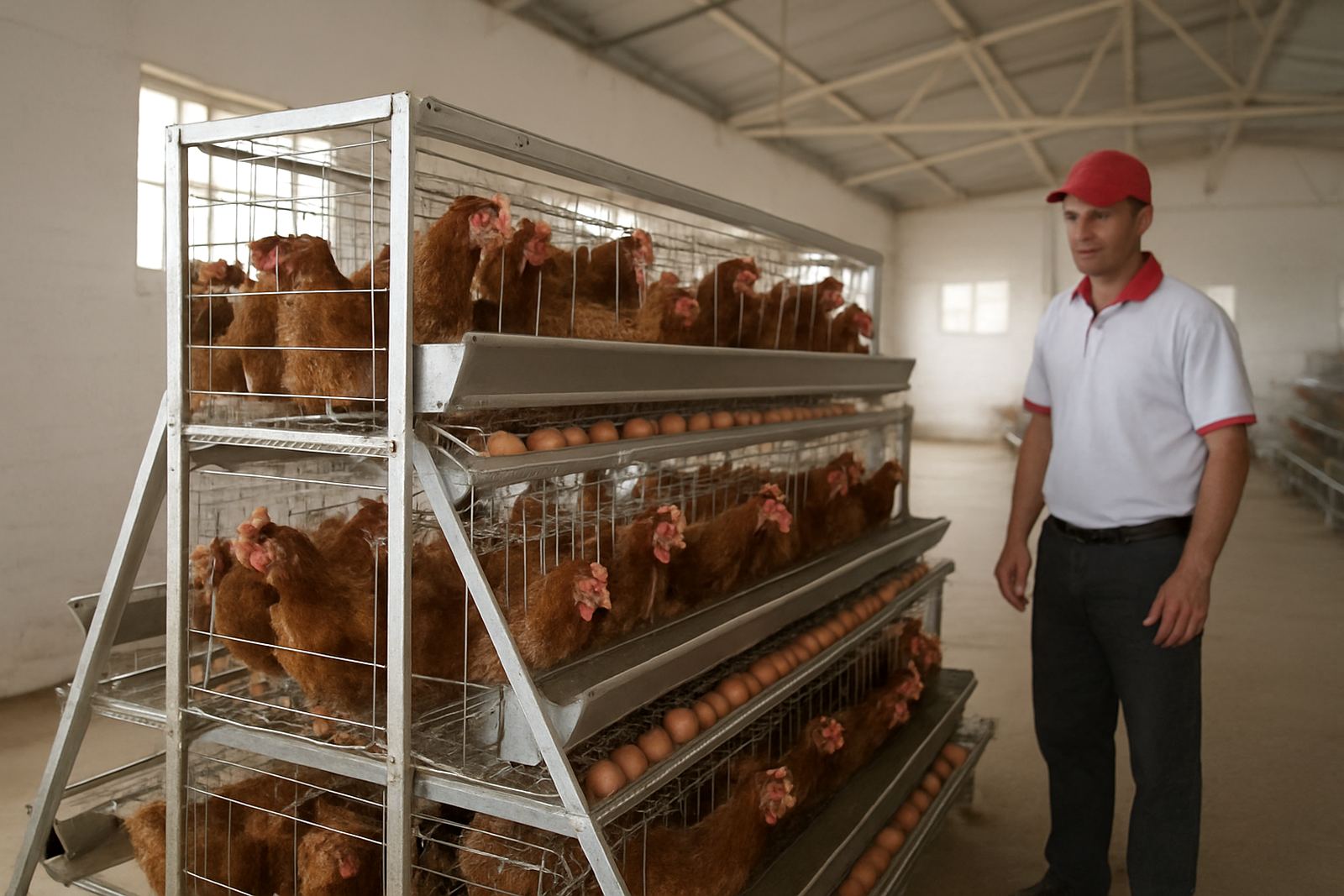
A layer cage battery groups hens into tiered rows so feed, water and egg collection can be managed in a set routine. It is commonly used where floor space is limited, where the flock must be handled in a controlled way, and where labour costs need to be kept practical. For many producers the main benefit is simple: more birds in a planned footprint, with less movement inside the house and cleaner egg handling.
These systems are suitable for small to mid-sized egg farms, contract growers and established poultry units that want a better organised laying section. They also work well when a house is being expanded in stages, because the layout can be matched to the building width, roof height and passage space. In Gauteng, Mpumalanga, Limpopo and other inland areas, good ventilation is just as important as the cage count, so the final layout must suit the local climate and the farm’s daily management style.
Battery layouts, tiers and common sizing options
Layer cage batteries are supplied in different lengths, depths and tier heights, depending on the bird numbers and the house size. Common arrangements include 2 tier, 3 tier and 4 tier systems, with straight rows or back-to-back rows for longer sheds. The chosen layout should leave enough central aisle space for egg collection, inspection and cleaning, because a house that is packed too tight soon becomes hard to work in.
- Tier options: 2, 3 or 4 tiers, depending on shed height and access
- Bird capacity: sized to the farm plan, cage space and stocking density
- Cage width and depth: matched to breed type and management method
- Feed system: manual trough or mechanised feed delivery where required
- Drinkers: nipple drinker lines or other suitable water fittings
- Manure handling: trays, belts or removable collection systems
We help match the cage battery to the actual building measurements, not just a catalogue figure. That matters when a house has low eaves, uneven floor levels or older masonry walls. A well planned battery also makes future expansion easier, because the next row or house can be added without changing the whole setup.
Where the system suits best
Layer cage batteries suit commercial egg production units, breeder-related laying areas and farms that want a controlled environment for day-to-day management. They are often used where uniform feeding, easier flock checking and cleaner egg collection are important. They can also be useful in peri-urban farming areas where municipal by-laws, access roads and limited service space all affect how the poultry house is organised.
The system is a practical fit for operations near Johannesburg, Boksburg, Pretoria, Middelburg, Polokwane, Rustenburg, Bloemfontein and Durban inland routes, especially where the farm wants fewer handling steps and a clearer routine. On coastal sites, extra attention should be given to corrosion, wash-down method and airflow, because humidity can shorten the life of fittings if the wrong materials are used. For that reason, material selection should be discussed before ordering, not after the house is already under way.
- Suitable for new builds and house upgrades
- Useful where labour needs to be organised into clear tasks
- Works well in houses with planned ventilation and lighting
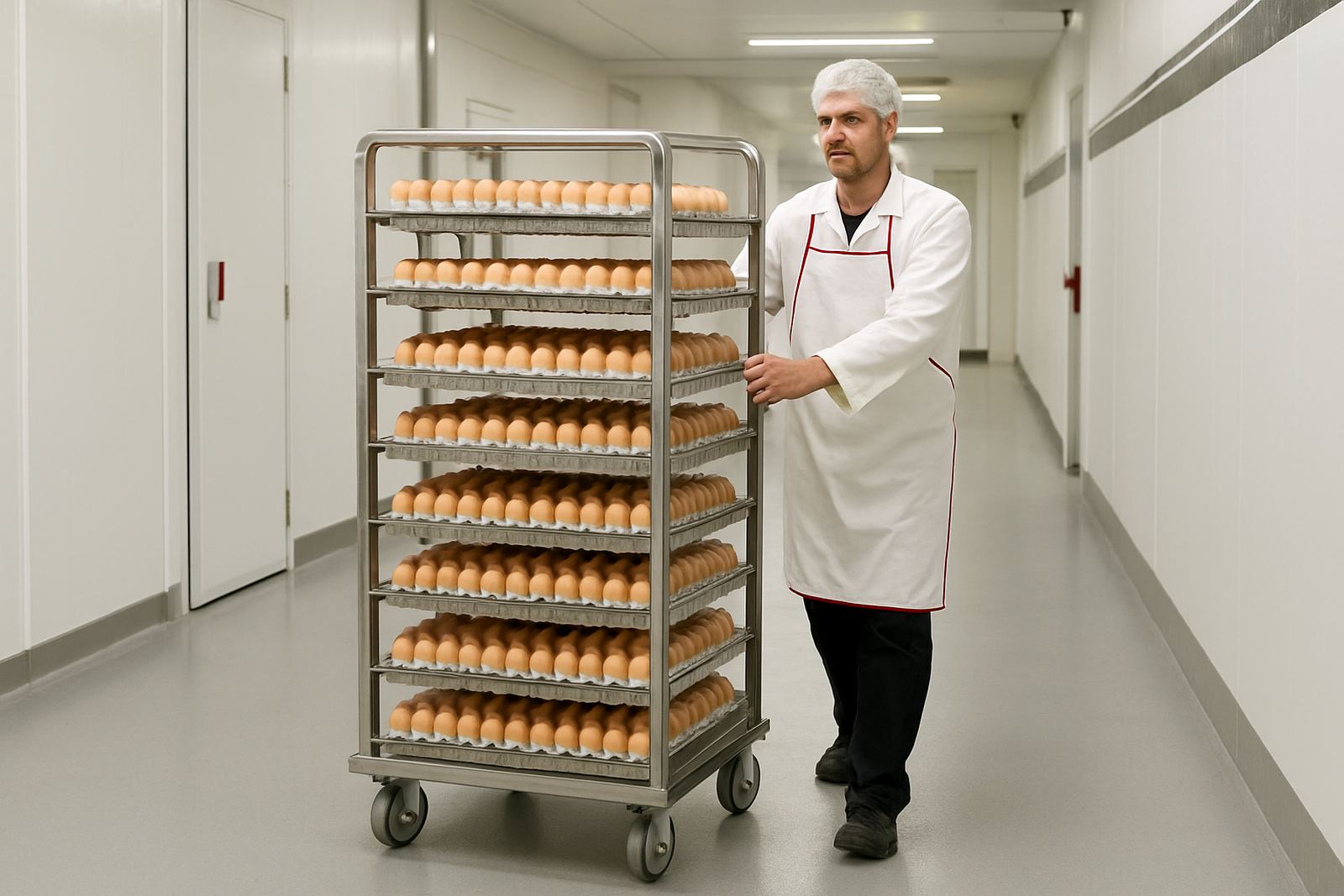
- Can be integrated into egg room and packing room flows
Installation, utilities and house preparation
Installation starts with a site check and a clear house layout. We look at floor level, wall alignment, door positions, roof clearance and access for delivery vehicles. If the house is being built from scratch, the cage battery can be planned with the feed path, water points and egg collection route already in mind. That saves time later and helps avoid awkward turns or wasted aisle space.
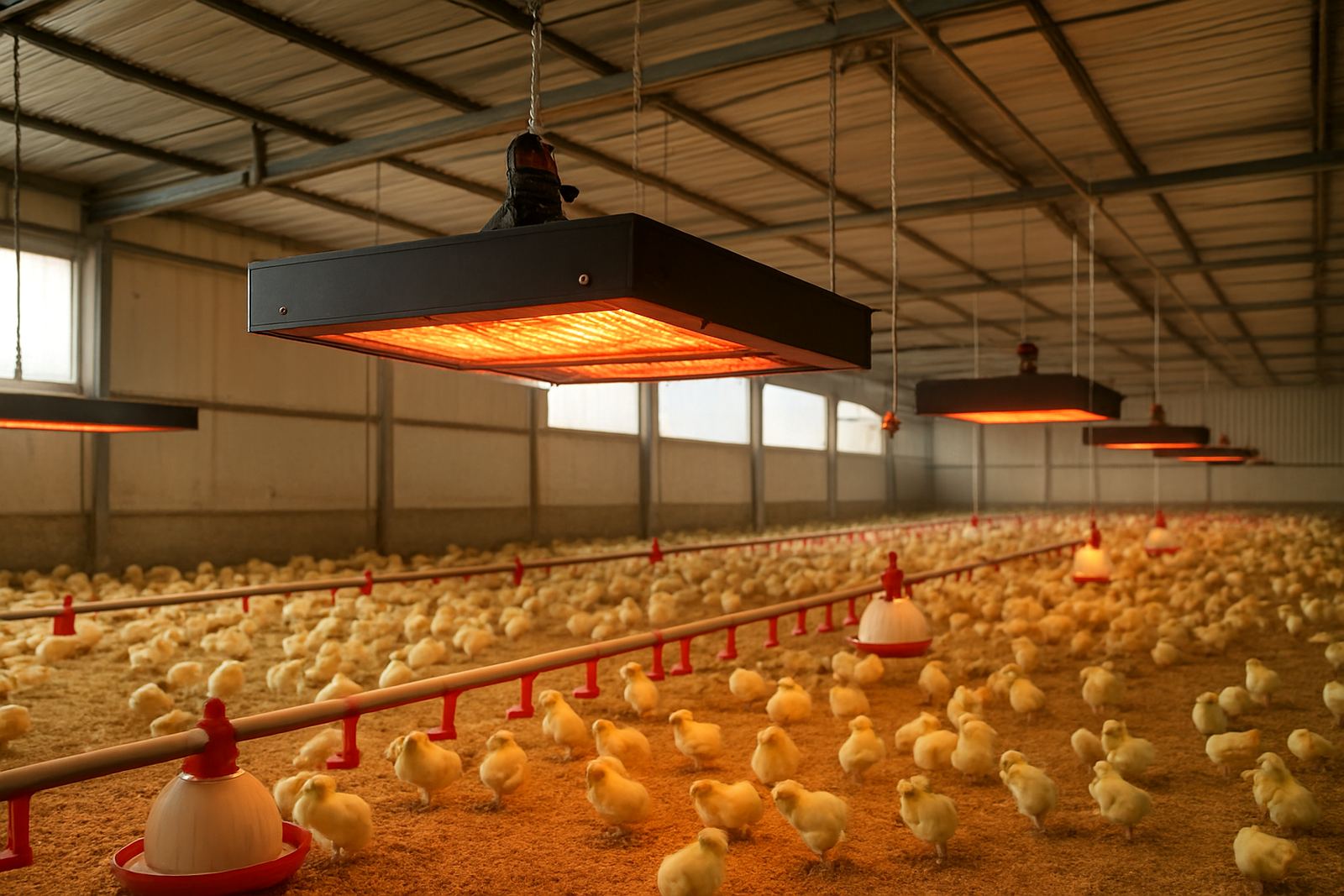
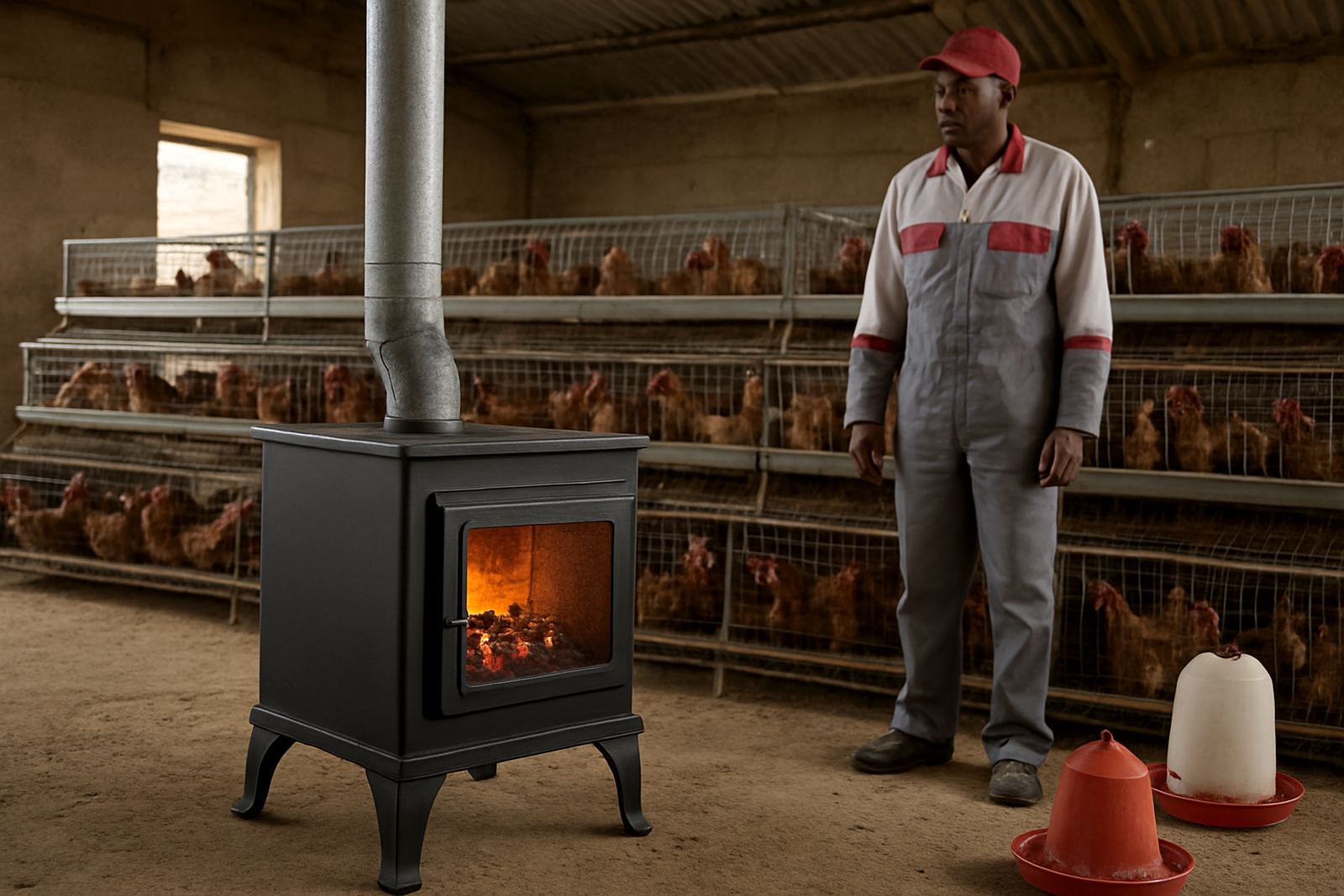
Most layer cage systems need a steady water supply and a reliable plan for feed movement. If drinker lines are used, water pressure and line height must be set correctly so the hens can reach the nipples without leaking. Some farms also want power for egg handling, lights, small motors or feed equipment, and that must be planned around load-shedding and backup supply. In many areas a generator or inverter arrangement is used for essential house functions, while gas may be required for brooding in mixed-age projects or nearby rearing units. Good preparation reduces stoppages, and that is where a proper commissioning visit makes a real difference.
- Confirm house dimensions before manufacturing or dispatch
- Check power points, lighting and backup supply positions
- Plan water storage, filtration and pressure control
- Allow access for cleaning and routine maintenance
Care, cleaning and servicing over the season
A cage battery gives best results when cleaning and inspection happen on a fixed schedule. Feed residues, broken eggs and manure build-up must be managed before they affect bird health or smell. Hinges, fasteners, drinker lines and collection points should be checked regularly, especially in houses that run continuously through hot months. If a fault is left too long it often becomes three faults, not one.
We recommend a maintenance programme that includes seasonal checks, wear-part replacement and planned spares holding. In high humidity or coastal conditions, galvanised surfaces and fittings should be inspected for early signs of corrosion. In dusty inland areas, cleaning of water lines and moving parts is just as important. Our service team can support operator training, refresher visits and fault finding so the house keeps running without unnecessary down time.
- Daily: remove breakages and check drinker function
- Weekly: inspect feed flow, doors and locking points
- Monthly: check structure alignment and wear areas
- Seasonally: review corrosion, backups and spares stock
What to check before you place the order
Before ordering, confirm the number of birds, the house size and whether you want a single-house setup or a phased expansion. Ask for the exact cage dimensions, tier count, aisle widths and manure handling method. It also helps to know whether the birds will be point-of-lay hens or an established flock, since that affects space planning and feeder settings. If the building is already up, send clear measurements and photos so the layout can be matched properly.
You should also check the material finish, water connection requirements, delivery access and whether the installation crew needs to work around live birds or an active production schedule. If the project is part of a larger poultry site, include the processing room, spares store and staff training needs from the start. A properly specified battery saves a lot of headache later, and it is easier to get right at the planning stage than to shift rows after the concrete is down.
- Bird numbers and target stocking density
- House length, width and roof height
- Feed and water method required
- Power backup and load-shedding plan
- Corrosion risk from humidity, washing and coastal air
- Future expansion space for extra rows or another house
Key facts
| Product type | Multi-tier layer cage battery for laying hens |
|---|---|
| Tier options | 2 tier, 3 tier or 4 tier layouts |
| Typical use | Commercial egg production and controlled flock management |
| Installation support | Site planning, layout setting, supervision and commissioning |
| Utilities | Water supply required; power provision recommended for house systems |
| Service support | Training, maintenance programmes, spares supply and upgrades |