What trough feeders do in a poultry house
A trough feeder gives birds a continuous feed channel instead of many small feed points. In laying houses and managed rearing systems, that helps keep feed spread evenly and makes it easier to see if the line is running correctly. It is also a practical option where you want fewer moving parts and a layout that is easy for staff to check during daily rounds.
These systems suit houses where birds are kept in cages, or where a controlled feed line is needed along pens and houses with fixed rows. They are used in new builds as well as upgrades to older houses that need better feed distribution. In hotter parts of Gauteng, Limpopo or KwaZulu-Natal, a correct feeder line helps reduce piling and wastage when birds are active early in the morning and late in the afternoon.
Sizes, line lengths and material options
Trough feeder lines are normally supplied to suit the house width, row spacing and bird age. We can assist with feeder depth, lip profile and support spacing so the feed sits properly and birds can reach it without knocking too much feed out of the trough. For poultry projects in South Africa, common line lengths are built in modular sections so the system can be extended later if the flock size grows.
- Standard line length: built to suit the house layout, from shorter nursery lines to full-house runs
- Trough width: selected for chick, grower or layer birds, depending on feed type and bird size
- Material: galvanised steel or corrosion resistant coated sections for longer service life
- Support: fixed or suspended support points, depending on floor level and cleaning method
- Feed delivery: gravity feed or mechanical feed push, depending on the project design
We also look at the type of feed being used. Mash, crumbs and pellets all behave differently, so the trough profile matters. A narrow shallow trough may work well for younger birds, but older layers usually need a deeper channel and better side control. In coastal areas, material choice is important because humidity can shorten the life of lighter fittings if they are not specified correctly.
Where trough feeder lines suit best
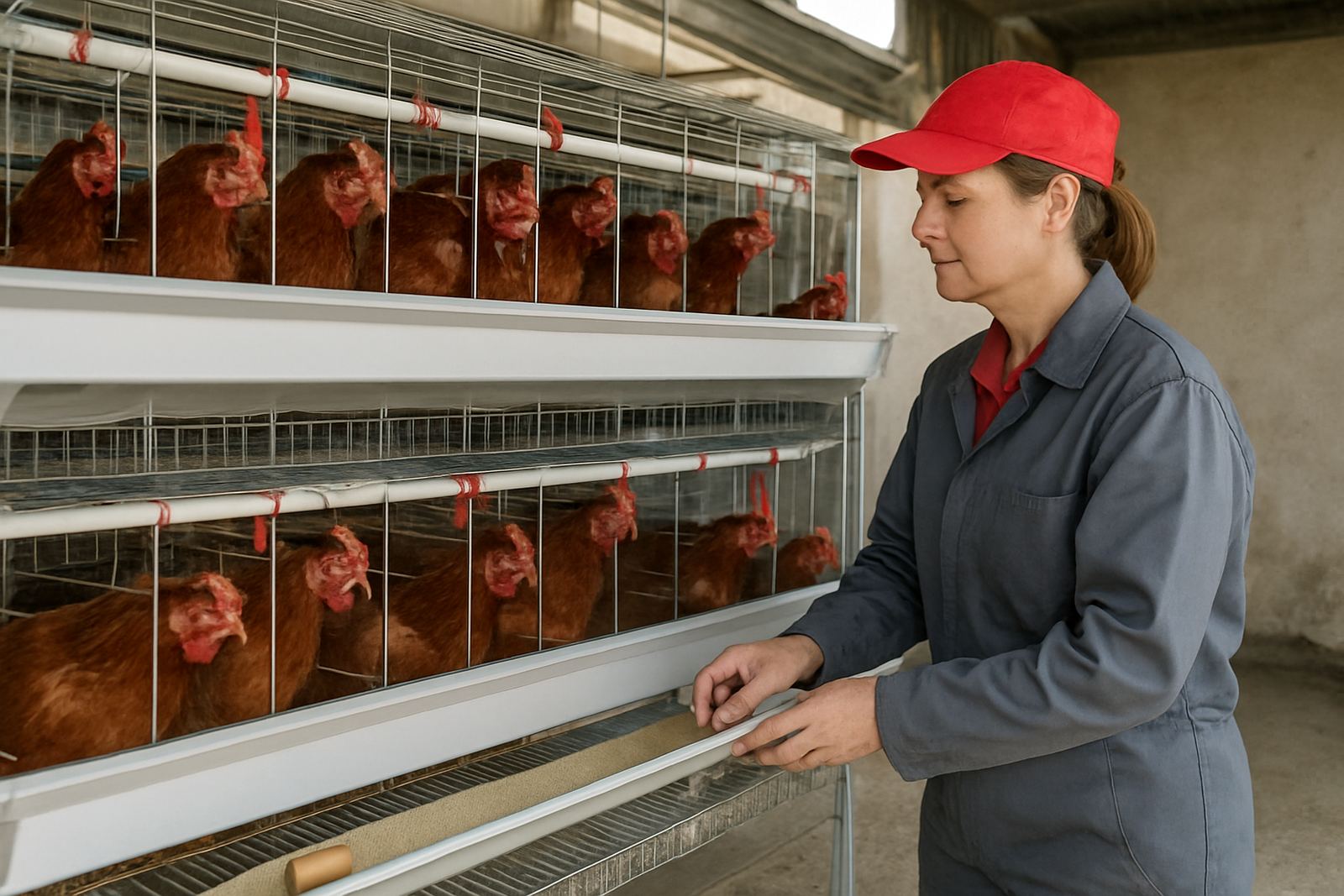
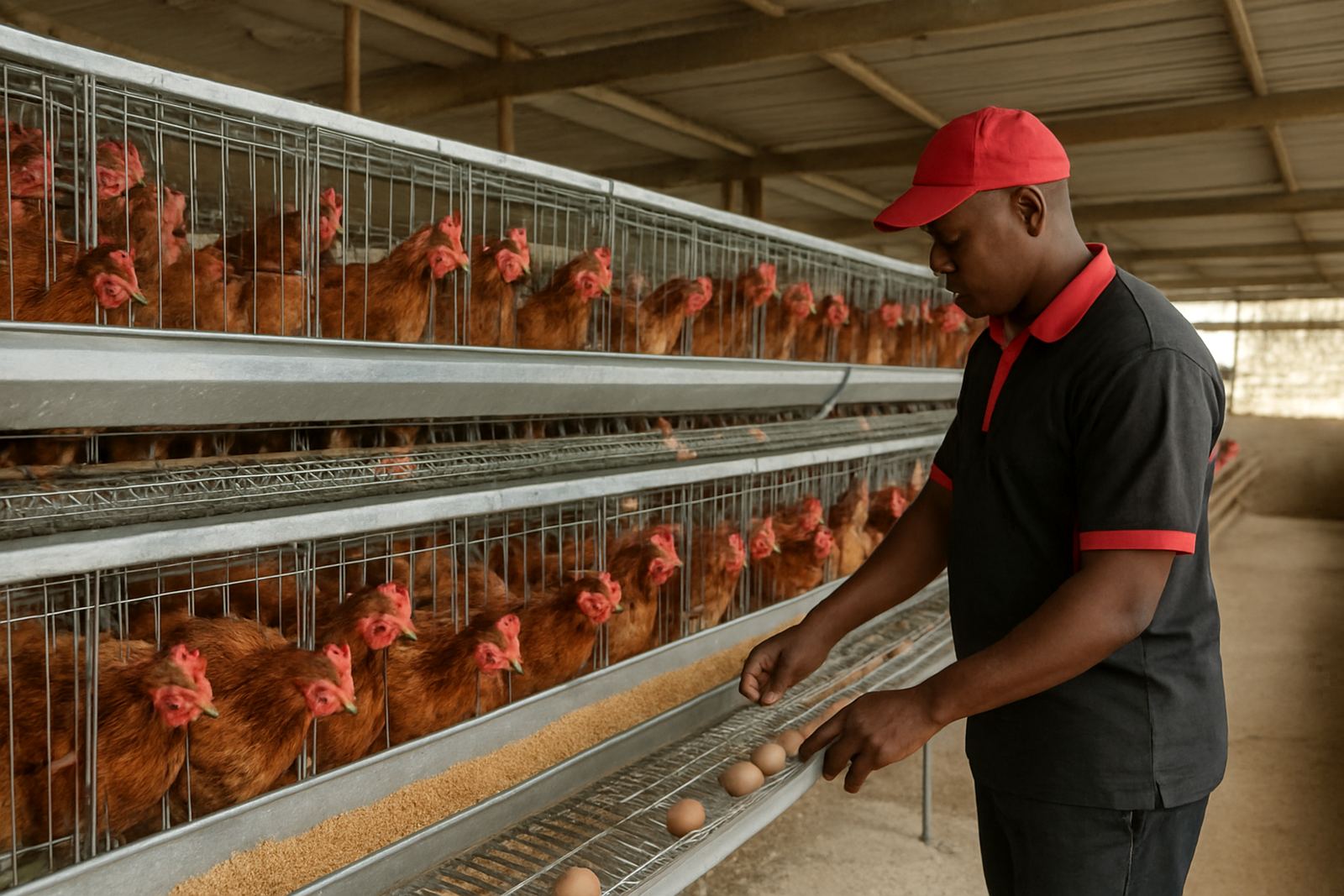
This product is a good fit for layer houses, rearing houses, breeder houses and some managed floor systems. It is often selected where operators want a simple feed path, easy visual checks and less dependence on many individual feeders. In cage houses, a trough line can run cleanly along the cage front, while in floor systems it can be used to guide feed along a row without crowding the house.
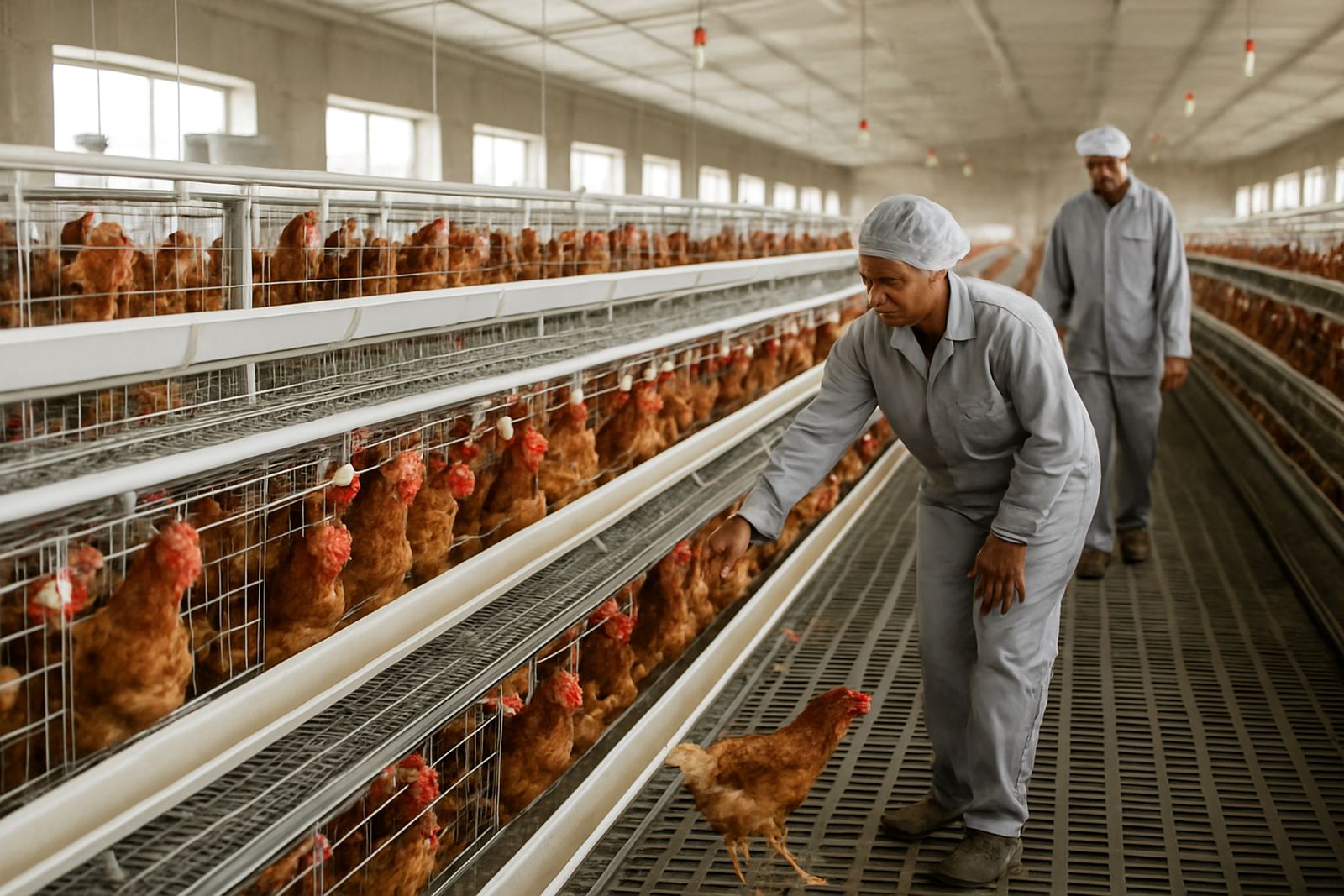
It suits farms that need practical daily handling, especially where labour is limited or training is still being built up. A straight line of feed is easy to inspect during load shedding too, because if the house lighting and ventilation are managed properly, staff can still walk the line and see if feed is moving as it should. On larger sites, trough feeders are often added as part of a wider layout with drinkers, egg collection and service aisles planned together.
- Layer production houses
- Brooder and grower houses
- Breeder and managed feeding systems
- Upgrade work on older poultry houses
- Projects where cleaning access and feed visibility matter
Installation, power use and site planning
Installation starts with a proper site measure and a house layout that shows feeder line positions, access points and service clearances. The support structure must match the span and load, especially where lines run over longer distances. If the feeder is part of a mechanical system, the drive points and control position should be placed where operators can reach them without crossing wet floor areas or mixing feed with washdown traffic.
Power needs depend on whether the trough line is gravity fed or linked to a driven feed system. Mechanical drive units, where used, should be planned with the rest of the poultry house power demand in mind. In areas with frequent load shedding, we recommend thinking about backup supply, control protection and restart procedures so the feeding schedule does not get thrown off. That can save feed and reduce stress on the flock, which is something farmers notice quickly.
For new projects, we can help with Site Planning, Equipment Selection, House Layouts and Installation Supervision. For existing farms, we can review the line spacing, feeding height and access clearances before adding new sections. A small layout change can make the system easier to service and help the trough sit at the right height for the age of the birds.
Routine care and servicing on the farm
A trough feeder works best when it is kept clean, straight and free from build-up. Feed dust, broken pellets and wet litter can collect around supports and joints if the line is not checked. A daily visual inspection, plus a proper washdown or dry clean between cycles, will extend service life and reduce feed contamination. On farms in Mpumalanga and coastal KwaZulu-Natal, it is worth checking for early surface wear, rust spots and fastener loosening after wet weather.
Our service support covers Maintenance Programmes, Spares Supply and Operator Training, so your team knows what to look for and when to call for help. We can also advise on replacement parts that are worth keeping on site, such as support clips, hangers and drive components. If a line starts feeding unevenly, it is often a sign that the support level is out or that feed is bridging at one point, not always a major failure.
- Check trough height weekly and adjust for bird age
- Inspect joints, clips and supports for movement
- Clean feed dust before it cakes in hot weather
- Keep spare fasteners and wear parts on hand
- Test restart after power interruptions before full feeding
What to confirm before you order
Before placing an order, it helps to have the house dimensions, bird type, number of rows and intended feed type ready. That lets us match the feeder line size to the project instead of guessing on site. For a proper quote, we also need to know whether the line is for cages, floor birds or a mixed system, because the support method and access height will change.
It is also useful to check whether the project needs installation supervision, a full processing room fitout nearby, or future expansion. Many farmers build in phases, so we often plan the feeder line to allow later extension without redoing the whole house. If you are working in a municipal area with strict wastewater or washdown rules, it is better to plan cleaning and drain positions before the equipment goes in. That avoids rework and delays.
- House length, width and roof height
- Bird type and age group
- Feed form: mash, crumbs or pellets
- Power supply and backup arrangements
- Cleaning method and washdown frequency
- Any future house expansion or extra rows
Key facts
| Product type | Long trough feeder lines for cages and managed feeding systems |
|---|---|
| Typical use | Laying hens, growers, breeders and controlled floor feeding |
| Material options | Galvanised steel or corrosion resistant coated sections |
| Line arrangement | Modular sections for short runs or full-house installations |
| Feed compatibility | Mash, crumbs and pellets, depending on trough profile |
| Support services | Site Planning, Installation Supervision, Training, Maintenance and Spares |