Purpose-built for the early growth stage
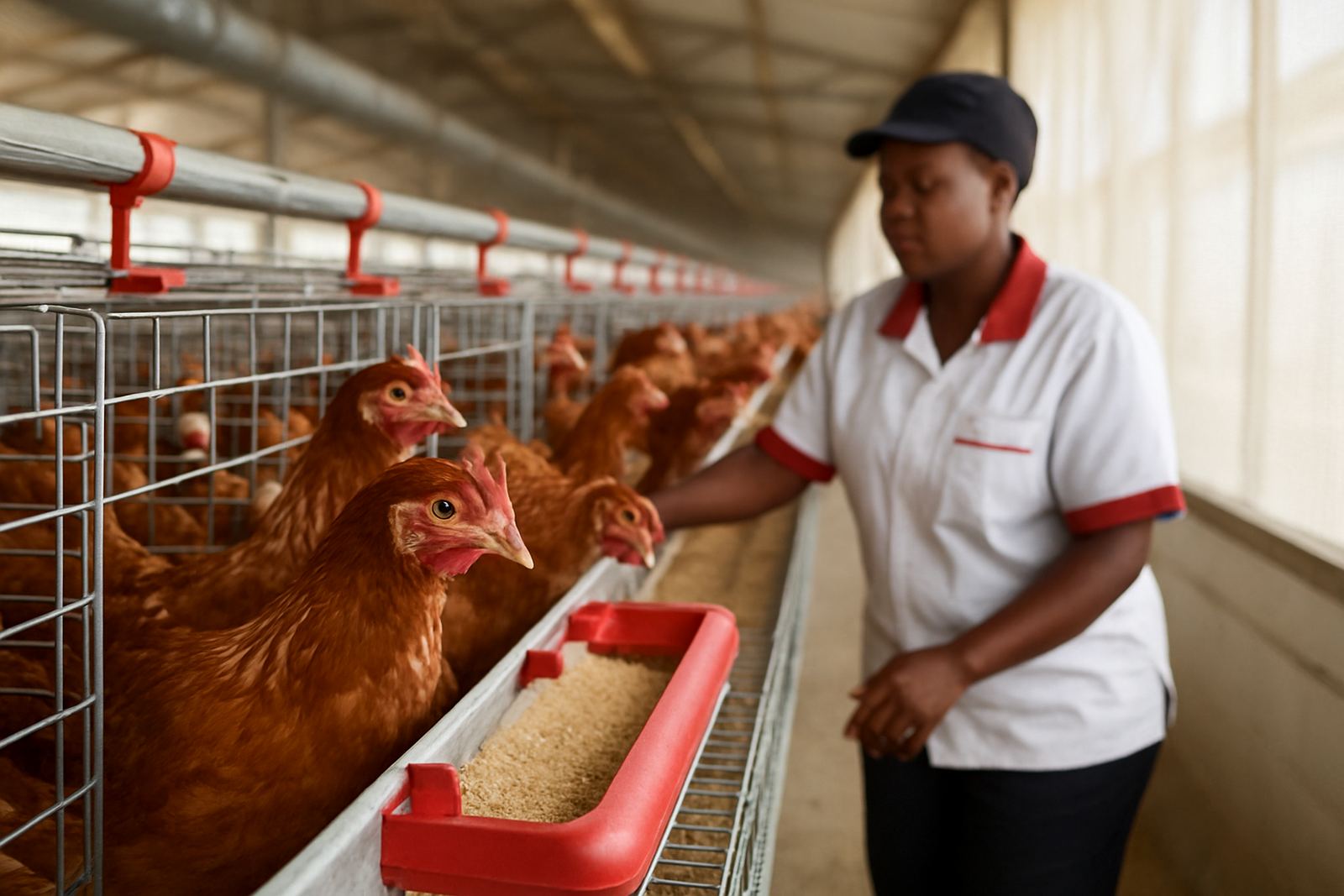
Rearing pullet cages are used from day-old or transfer age through to point-of-lay, depending on the management system on site. The aim is simple, keep birds together in manageable groups, improve feed access and make daily checks quicker. Compared with loose floor rearing, cages make it easier to spot uneven growth, weak birds and feed or drink issues before they spread through the house.
These units are commonly used on commercial poultry farms, contract grower sites and expansion houses where the operator needs better control over bird movement, litter build-up and cleaning routines. In hot inland areas such as Gauteng, North West and Limpopo, the open cage layout also helps with air movement when houses are correctly ventilated.
- Better visibility of each section during walk-throughs
- Cleaner feed management and less wastage
- Simple segregation by age, strain or growth batch
- Suitable for planned transfer into layer systems later
Sizes, tiers and house layouts that work on site
Most rearing pullet cage systems are specified to suit the house width, roof height and target bird numbers. Single-tier, two-tier and multi-tier arrangements can be planned depending on access, labour and stocking density. The house should allow space for feed lines, drinker lines, service walkways and safe access for cleaning. If the building is narrow or has limited eaves height, a lower tier layout may be better than pushing in extra levels.
Common cage modules are built to standard widths and lengths so rows can be set out cleanly on a concrete floor or raised plinths. For larger units, we usually recommend a full house layout before ordering, especially where there are columns, drainage points or existing electrical runs that could interfere with the equipment.
- Single, double or multi-tier cage arrangements
- House width matched to row count and service access
- Optional front or rear feed presentation
- Custom row spacing for ventilation and maintenance access
Main specification points to compare
When comparing pullet rearing cages, look at the wire gauge, floor slope, front opening style and the finish on all exposed metal parts. Young birds need a floor that supports the feet properly and a cage door that allows easy handling without injuring wings or beaks. Feed troughs should be easy to clean and deep enough to reduce spillages, but not so deep that small birds cannot reach the feed.
Drinkers can be fitted as nipple lines or other controlled systems, depending on the house design and water pressure. In coastal humidity, galvanised or coated parts need proper protection and regular wash-down, otherwise rust starts at the joints and fasteners. Good airflow under and around the cage bank helps with dry floors and healthier birds, especially where load-shedding forces the house to run on backup power for parts of the day.
- Heavy-duty wire structure with smooth edges
- Feed troughs sized for pullet reach and daily servicing
- Integrated drinker options for controlled water use
- Corrosion protection suited to inland or coastal conditions
Installation, power and backup planning
Installation should start with accurate marking out, floor checks and confirmation of feed and water service routes. For electrically driven systems, check the supply capacity before the cages arrive, especially where there are feed motors, lighting, fans or automatic drinker controls. In many rural and peri-urban areas, a backup plan is needed for outages, so the equipment can still function during load-shedding or short generator changeovers.
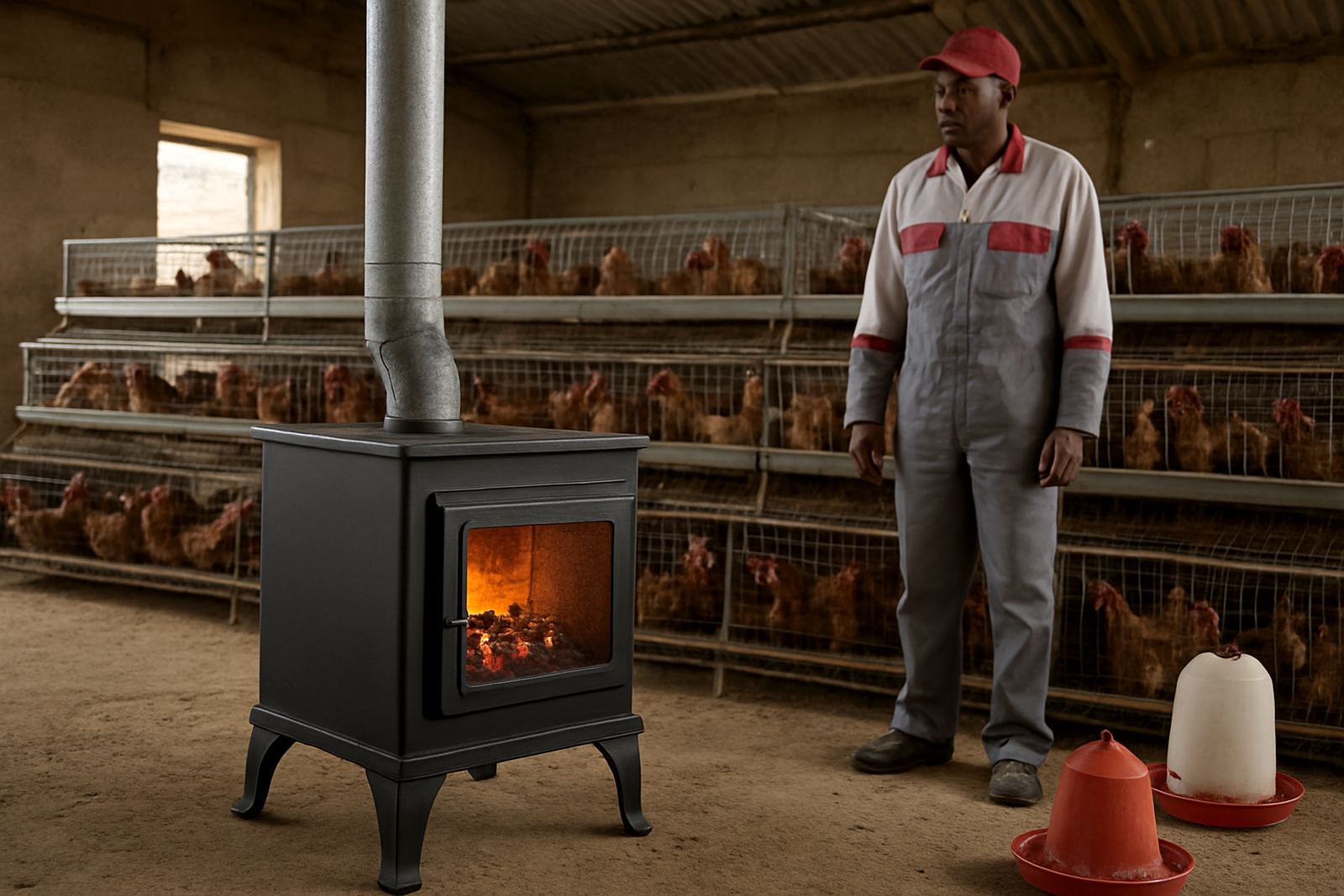
If the system includes automatic feeding or timed controls, a steady power supply is important. Where gas brooders or heat units are used in the same house, safe separation from cables and plastic service lines must be planned properly. We also advise checking local municipal rules for drainage, wash-water disposal and any building alterations before work starts, because that can save delays later.
- Floor level and anchoring points checked before fitment
- Electrical load confirmed for motors, timers and lights
- Backup power option planned where needed
- Service routes kept clear for operators and technicians
Daily care and servicing that keep growth even
Regular care keeps the system working properly and helps the flock stay even in weight. Staff should inspect the feed line, drinker line, doors and fittings every day, then do a deeper check each week for wear, loose clips and blocked water points. Feed spillage should be cleaned up quickly, because stale feed attracts pests and creates damp patches under the cages.
After each flock, wash-down and sanitising must be thorough, with attention to corners, hinges and under-frame areas. If the house is in Mpumalanga, KwaZulu-Natal or any coastal area, drying time matters more than many growers expect, so ventilation should be used after cleaning. A simple maintenance schedule is usually enough if it is followed, but missed checks lead to uneven growth and more call-backs.
- Daily visual inspection of doors, water points and feed access
- Weekly check of joints, fasteners and corrosion points
- Full clean between flocks with proper drying time
- Keep a spare parts list for clips, nipples and small fittings
What to confirm before placing an order
Before ordering, confirm the bird numbers per house, target stocking density, house measurements, power supply and whether the system must fit into an existing building or a new project. We also need to know if the birds will be transferred to layer housing later, because that affects cage height, aisle space and handling layout. Where houses are being expanded, make sure the new section lines up with the old one for feed delivery and cleaning access.
It is also worth checking the local water pressure, drainage and available maintenance labour on site. A cage system that is easy to service is usually the better choice over one that looks smaller on paper but becomes awkward to manage in daily use.
- House length, width and clear height
- Bird numbers, age range and target stocking density
- Power supply, backup arrangements and water pressure
- Cleaning method, staffing and spare parts requirement
Key facts
| Product | Rearing pullet cages for controlled young bird management |
|---|---|
| Typical use | From early rearing through to transfer age, depending on flock programme |
| Layouts | Single-tier, two-tier and multi-tier configurations |
| Materials | Galvanised steel structure with corrosion-resistant fittings |
| Utilities | Suitable for manual or automated feed and drinker systems, with electrical planning where required |
| Service area | Gauteng, Mpumalanga, Limpopo, North West, Free State and KwaZulu-Natal |