What a header tank does in a poultry house
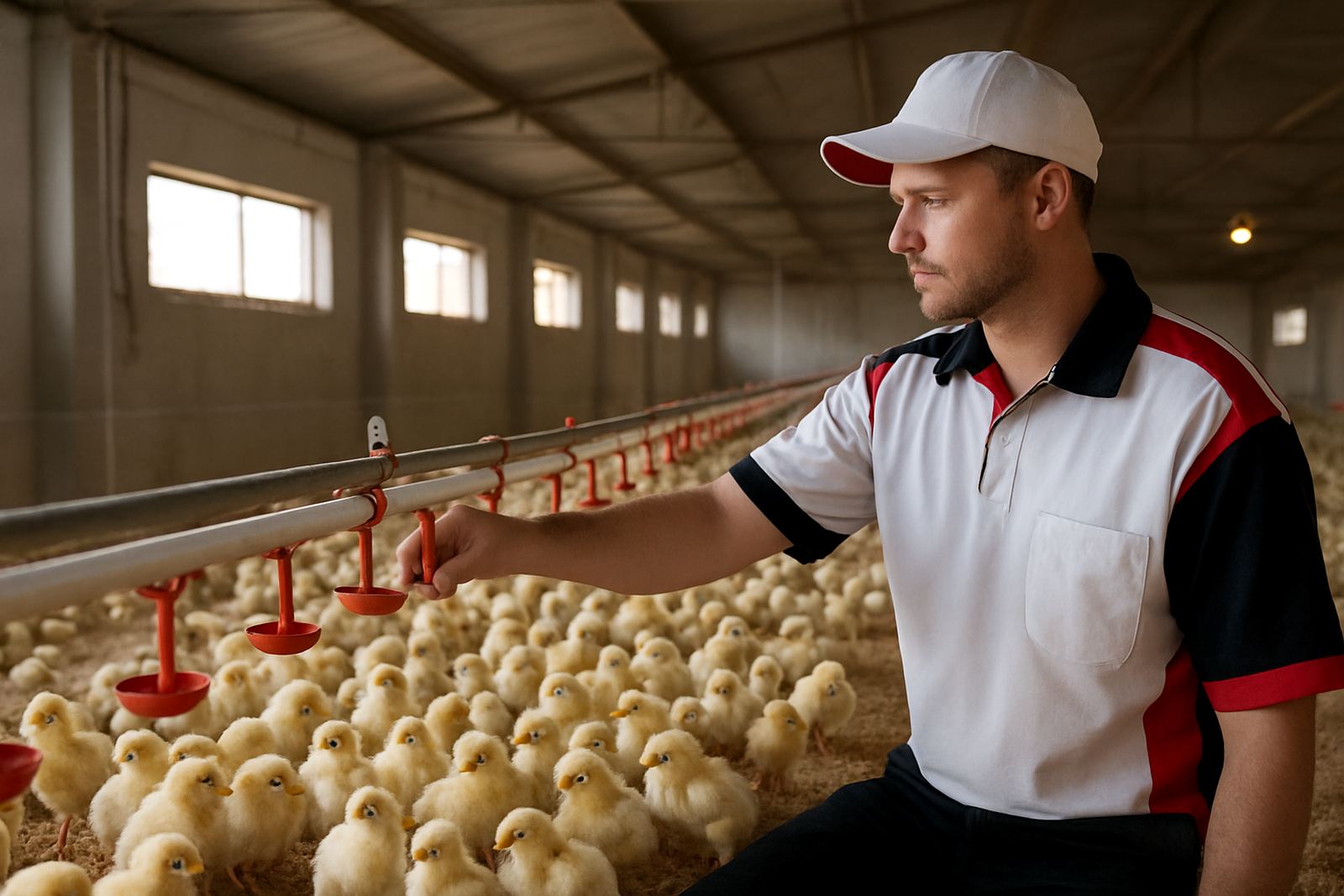
A header tank sits above the drinking line and holds water at a controlled level so gravity can help feed the system where needed, or so a pump can work against a stable reserve point. In poultry units, that steady head of water helps reduce pressure swings on nipple lines, pan systems and wash lines. That matters on hot days, during load-shedding, and when several houses draw water at once.
In practical terms, the tank is part of the control point for the whole water set-up. It works with float valves, shut-off valves, filters, pipework and, where specified, pressure control fittings. On a mixed site, that can mean one tank for a house block, or separate tanks for each building so one shed can be isolated for cleaning while the rest keep running. A good layout makes it easier to manage water quality too, especialy where borehole water carries sand or minerals.
- Supports steady water supply to poultry drinking lines
- Helps isolate one house for cleaning or repairs
- Can be paired with filtration and pressure control fittings
- Useful on sites with pump fluctuation or power cuts
Sizes, capacities and common equipment options
Header tanks are usually selected by house size, bird age and the number of lines being supplied. Smaller units can work for a single house or a hatchery area, while larger tanks suit multi-house farms that need more reserve volume. The right size depends on how long you want the system to keep running if the pump stops, and how much daily draw the birds will place on the line.
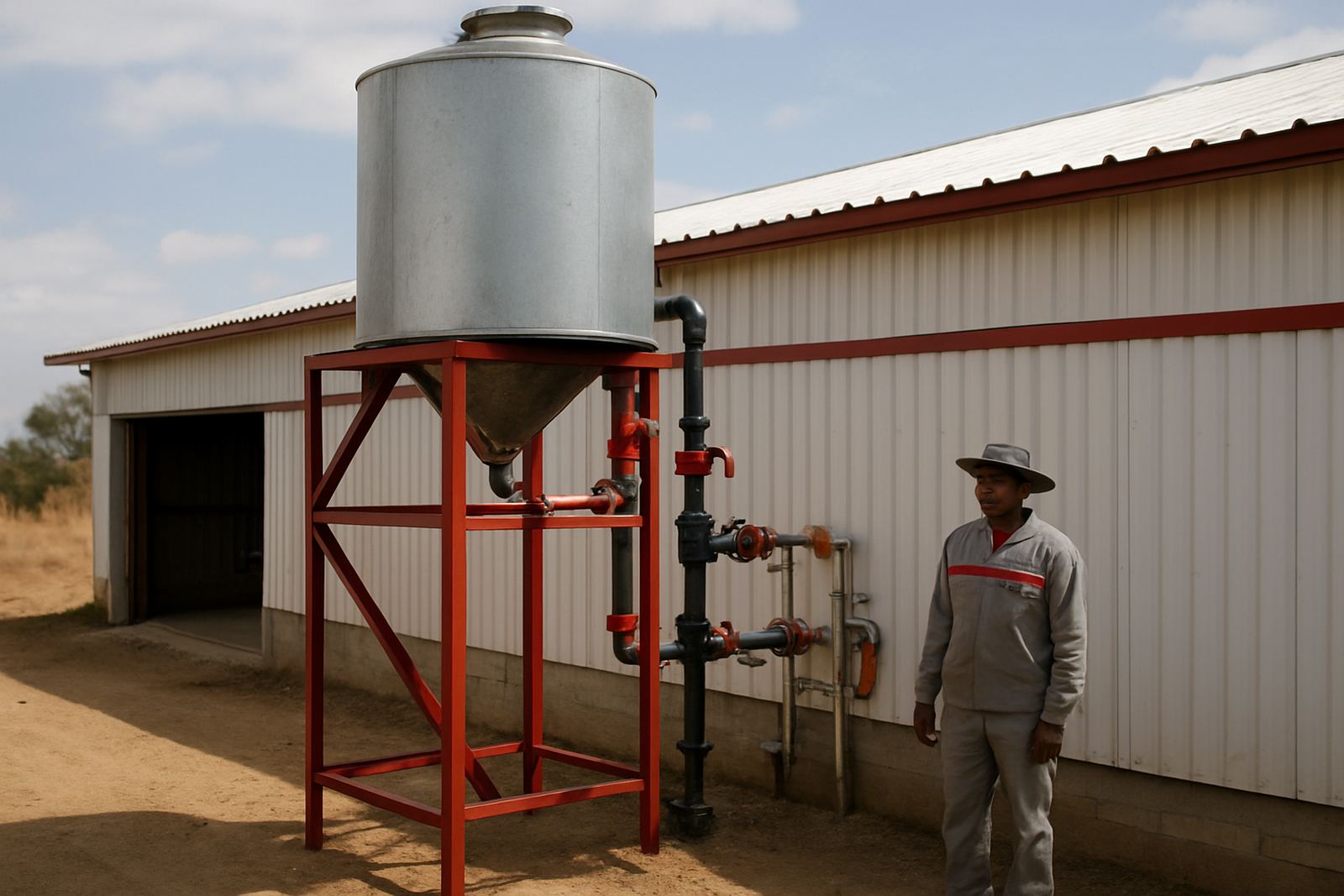
Typical supply options include tank only, or tank with mounted fittings, inlet control, outlet manifold and isolation valves. Tanks can be installed on a steel stand, on a concrete plinth or on a service platform where safe access is needed. If the site has corrosive coastal air or strong sun exposure, the material choice and UV resistance become important. Some farms also ask for sight level checks and drain points for quicker maintenance. A proper order should always note the outlet size, lid type and access spacing, because those small details save trouble later.
- Capacity options commonly from 500 L to 10 000 L and above
- Outlet sizes typically 20 mm, 25 mm, 32 mm or 50 mm
- Float valve, drain valve, lid and inspection access available
- Steel or concrete support structures depending on site needs
Where header tanks suit best on South African poultry sites
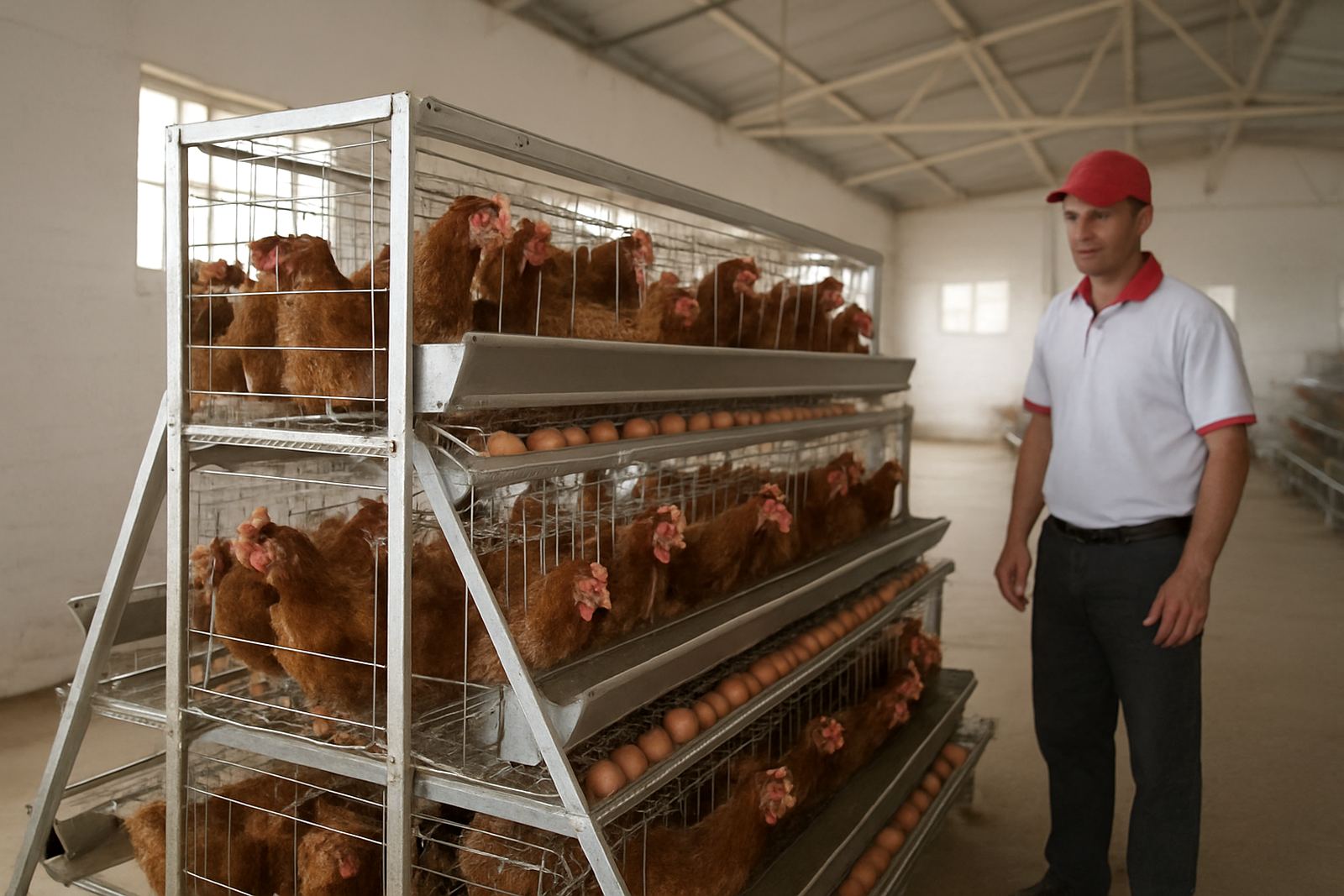
These tanks suit layer houses, broiler farms, brooding rooms and hatchery support areas where water must stay available without constant manual attention. They are also used on expansion projects where new houses are being added in stages, so one water system can be brought into service before the whole farm is complete. In Gauteng and the inland provinces, they help manage pressure changes when municipal supply is inconsistent. In humid coastal areas, they support easier flushing and control when fittings need to be protected from corrosion.
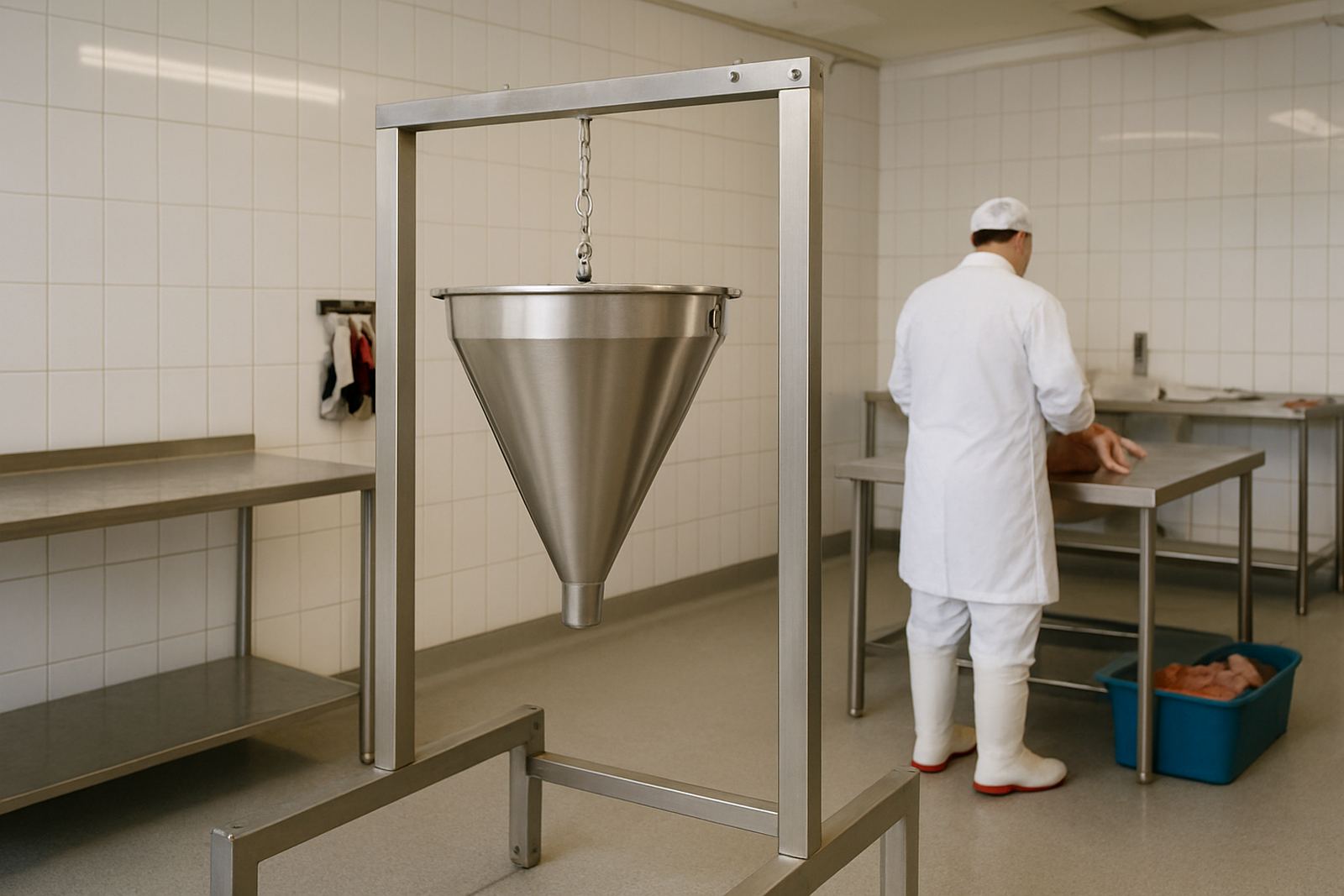
Header tanks are often fitted on sites in Gauteng, Mpumalanga, Limpopo, North West, Free State and KwaZulu-Natal where poultry water systems need proper planning from the start. They are also useful in abattoir and processing areas for wash-down points, pre-rinse lines and general utility supply, although those applications may call for separate sizing and controls. If the site has limited water pressure, a header tank can be part of a larger pumping arrangement rather than a stand-alone answer.
- Broiler and layer houses
- Brooding and rearing rooms
- Hatchery support and wash areas
- Processing room utility points and cleaning lines
Installation needs, power and gas considerations
Installation starts with location, height and access. The tank must be placed high enough to deliver the needed head pressure, but also low enough to allow safe filling, cleaning and inspection. The base should be level and strong, with correct anchoring if the tank sits outdoors or on a steel frame. Pipe runs should be kept as short as practical, with isolations in place so the house can be shut off without stopping the whole site.
On pumped systems, power continuity is the main concern. During load-shedding, a header tank gives the farm a short reserve window, but it should not be treated as a full backup for long outages unless capacity has been properly planned. For farms using generators, the restart process must be checked so the pump does not surge into an empty line. Gas is generally not part of the tank itself, but it may be relevant where the wider farm has gas heated brooders or processing equipment nearby. In that case, spacing and service access should be kept clear and in line with site rules.
Commissioning should include leak checks, float setting, line flush, pressure verification and water flow test at each house. If the tank feeds multiple houses, the sequence of valves should be labelled. That small step helps operators avoid confusion at night or during a breakdown.
Care, cleaning and service checks that keep water steady
Like any poultry water component, header tanks need regular checking. Sediment build-up, algae, loose fittings and tired float valves can all affect performance. Where borehole water is used, a pre-filter and periodic cleaning become even more important. On farms near the coast, fittings and brackets should be inspected for early rust and pitting. A cracked lid or missing seal can let dust and insects into the tank, which creates a water quality problem very quickly.
Routine care should be simple enough for farm staff to handle. A weekly visual check and a planned monthly clean are usually a good start, with deeper inspections during flock turnaround. If the tank is mounted high, safe access matters just as much as the tank itself. We often see sites where the tank is fine but the ladder, platform or handrail is the weak point, and thats the part that causes risk.
- Check float valve movement and shut-off action
- Flush sediment from the base and line points
- Inspect seals, lids, brackets and pipe support clips
- Test water delivery after power cuts or pump restarts
What to check before you order a header tank
Before ordering, it helps to confirm the house type, bird age, daily water demand and the number of lines to be served. You should also note whether the tank is for gravity feed, pump buffering or isolation use. If the site is being expanded, the new tank should match the future layout, not only the current one. That avoids a second change later and keeps pipe routes neater.
Send through the available installation height, support type, water source and the outlet size you need. If a tank is replacing an old unit, a photo and basic measurements will speed up the process. Ask for any extra items now, such as valves, fittings, brackets or a drain point, because adding them later can slow the job. For poultry farms, the best results come when the tank is matched with the correct line components from the start. It saves time, limits wastage and makes training easier for the operators too.
- House type and number of drinking lines
- Required tank capacity and outlet size
- Installation height, base type and access space
- Need for filters, valves, brackets or spare parts
Key facts
| Capacity range | 500 L to 10 000 L plus, depending on site demand |
|---|---|
| Common outlet sizes | 20 mm, 25 mm, 32 mm, 50 mm |
| Tank materials | UV-stable polymer or coated steel, subject to application |
| Mounting options | Ground stand, steel frame or raised plinth |
| Typical applications | Poultry drinking lines, wash lines, hatchery support, processing utility water |
| Service items | Float valves, drain points, isolation valves, pipe fittings, line controls |