What a nipple drinker line does in a poultry house
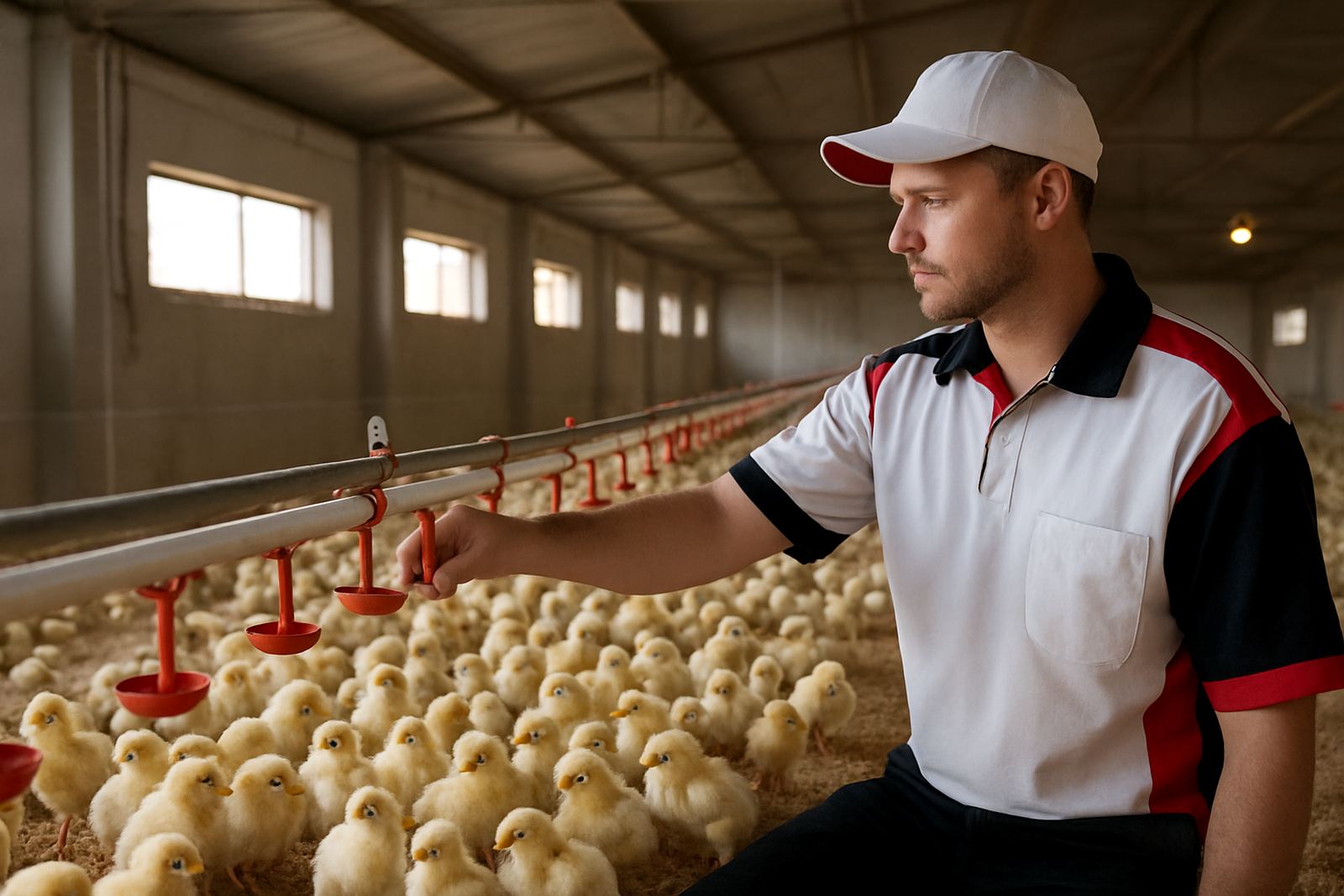
A nipple drinker line is a length of pipe with nipple drinkers fitted at set intervals so birds can take water on demand. Instead of open drinkers, the water stays inside the line until a bird activates the nipple, which helps reduce mess, wet litter and the smell that comes with standing water. In practical terms, that means easier house management and better control over how much water the flock is using.
These lines are commonly used in broiler, rearing and laying houses where hygiene and measured consumption matter. They also help when houses are long or divided into pens, because the line can be set to the right height and pressure for each stage of growth. For producers in Gauteng, Limpopo, North West and further afield, the real benefit is consistency, especially in hot weather when water intake rises fast.
Line sizes, spacing and available options
Nipple drinker lines are usually specified by house width, bird type and the number of birds per line. Pipe diameter, nipple spacing and line length all need to suit the flock and the pressure available on site. A small breeder house will not use the same set-up as a larger layer house, and that is where proper sizing matters.
Common options include standard poultry nipples, drip cups, end fittings, regulators, filters and lift systems. The line can be supplied for manual or automated control, depending on the project. In many houses the line is hung on a winch system so the height can be raised as birds grow, which keeps the nipple at beak level and reduces strain. If the flock is uneven in age or weight, the line spacing and drinker count should be planned carefully, not guessed.
- Typical pipe sizes: 25 mm, 32 mm and 40 mm lines depending on flow needs
- Nipple spacing: often 20 cm to 30 cm, subject to flock type
- Line length: cut to house layout and pen divisions
- Options: drip cups, pressure regulators, flushing points, filters and end caps
Where nipple drinker lines suit best
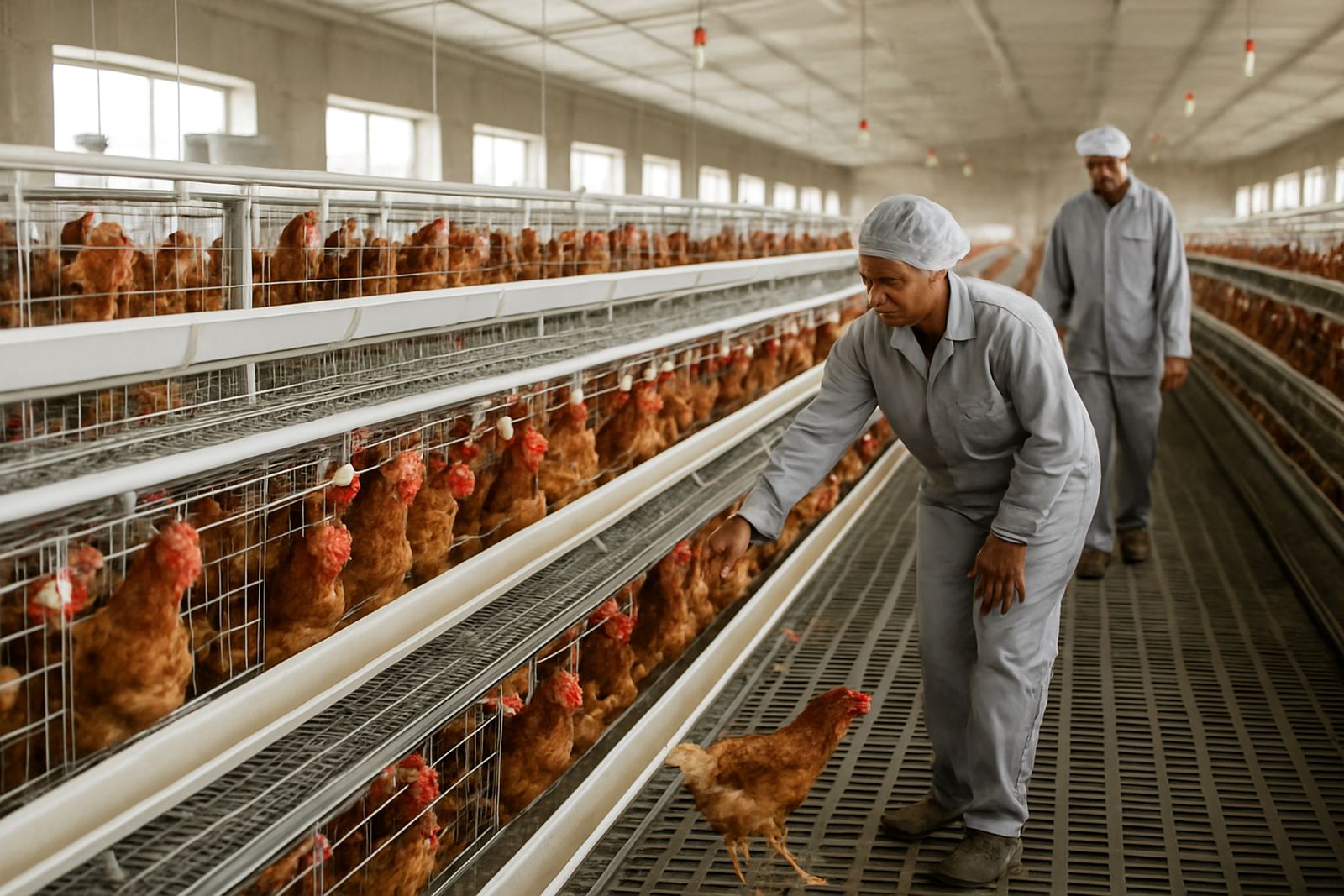
These lines suit enclosed poultry houses where stock density and hygiene are controlled. They work well in broiler houses, layer houses, rearing units and many turnkey poultry projects where the goal is better water management from day one. They are also a practical choice in areas with dusty conditions or higher ambient temperatures, because open drinkers can become dirty very quickly.
In coastal or humid regions, the closed water path helps reduce contamination from bedding and droppings, while in drier inland areas it helps keep litter from blowing into open water. If your site has unreliable municipal supply, a storage tank and pressure control should be part of the plan. On farms around Boksburg, Middelburg, Polokwane, Rustenburg and Durban, we often look at water quality first because scale, grit and rust can shorten nipple life if the filtration is poor.
- Best for controlled poultry housing
- Useful where litter dryness is important
- Suitable for long houses and multi-pen layouts
- Can be integrated into new builds or upgrades
Installation, pressure and power needs
Installation starts with a proper house layout, then the line is hung level and set to the correct height. Water supply pressure must be checked before the line is put into service, because too little pressure leaves birds short and too much can cause dripping. A good system will include a regulator, filter and flush point so the line can be cleaned without stripping it apart. It is worth planning for water tanks, even when the municipal line is reliable, since load-shedding can affect pumps and pressure boosters.
Power needs are usually modest unless the line is part of a larger automated house with pumps, alarms or dosing equipment. If there is a pump set on site, it should be protected from power interruptions and fitted with a proper switchgear arrangement. In older houses, the biggest issue is often uneven height or poor pipe support, not the nipple itself. A line that hangs badly will give uneven access and can create wet patches under the drinkers.
We also check house slope, drainage and access for cleaning. If the floor holds water after washing, the drinker line will not fix that on its own, so the full house layout must work together.
Care, cleaning and servicing on a working farm
Regular care keeps the line delivering the same water flow from one end to the other. The line should be flushed after cleaning, after medication runs and whenever water quality changes. Filters need checking and replacing on schedule, and end fittings should be inspected for seepage. A blocked nipple can leave birds crowding one point, while a dripping nipple can wet litter fast, so small faults should be fixed early.
Our service team recommends a practical maintenance routine rather than waiting for a full failure. That means checking pressure, looking for cracked pipes, confirming the line height and making sure the drinkers return fully after use. Where borehole water is hard or carries silt, servicing should be more frequent. In busy production houses, a quick weekly walk-through often catches the issue before it becomes a bigger loss.
- Flush lines on a set schedule
- Check filters and pressure regulators
- Inspect for drips, blockages and damaged fittings
- Keep spare nipples and end parts on site
What to check before you order
Before ordering nipple drinker lines, measure the house clearly and confirm the flock type, target bird numbers and growth programme. We need the house width, length, pen divisions, roof height, water source, and whether the line must work with existing tanks or pumps. If the project is part of a new build, the layout should also show access points for cleaning and any service corridor needed along the side.
It also helps to know whether you need manual lifting or a motorised system, and whether the house will be powered during load-shedding periods. For abattoir-linked or expansion projects, the water system may need to match future house capacity, not just today’s flock size. Give us the details early, even if the project is still being finalised, because small changes in spacing or pressure can save a lot of trouble later.
- House length and width
- Bird type and expected stocking density
- Water source, pressure and filtration needs
- Line lift method and support arrangement
- Any future expansion plans
Key facts
| Product | Nipple drinker lines for poultry houses |
|---|---|
| Pipe sizes | 25 mm, 32 mm, 40 mm typical, subject to project |
| Nipple spacing | Usually 20 cm to 30 cm |
| Line control | Manual lift or motorised lifting systems |
| Water management | Pressure regulators, filters and flushing points |
| Use cases | Broilers, layers, rearing houses and turnkey poultry projects |