What chick trays do in the brooding house
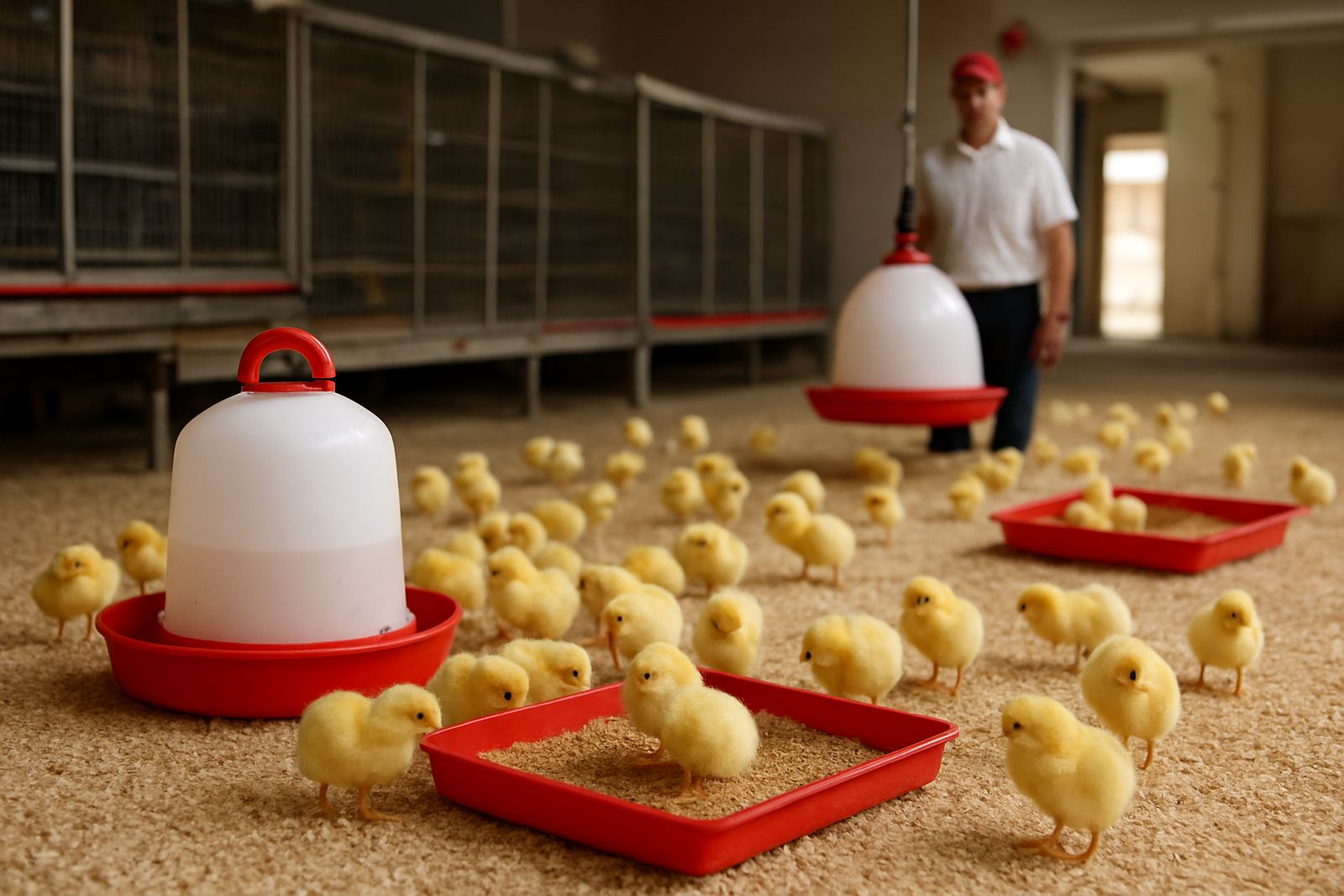
Chick trays are shallow feed trays placed on the floor or under the feeding line for the first stage of rearing. Their low lip lets small chicks eat without straining, while the wide opening helps reduce crowding at feed points. In the first 5 to 10 days, good tray placement can improve even feed access and make it easier to keep the brooder area tidy.
They are commonly used with day-old chicks in heated houses, in start pens, and in hatchery or farm brooding rooms where birds need a simple feeding surface before they move onto automatic equipment. The tray design is plain and practical, which makes it easier to wash, stack and reuse between cycles. It is a small item, but it plays a direct part in early growth and flock uniformity.
Sizes and options we supply
Chick trays are available in different diameters and depths depending on the number of chicks and the way the house is managed. Some farms use loose trays on the floor, while others prefer trays that sit under a chain or pan line for the first few days. The right choice depends on stocking density, feeder spacing and how quickly birds move onto the main system.
- Low-profile tray for easy chick access
- Lightweight units for quick handling during setup and cleanout
- Round or shallow square styles depending on the feeding area
- Stackable handling for transport and storage
- Options that work with manual feeding or temporary starter lines
For most houses, the main things to check are diameter, lip height, and whether the tray fits the feeding plan already used on site. If the house is busy during placement, a tray that is easy to move and refill can save time and reduce feed spillage.
Where chick trays suit best
These trays suit brooding sheds, rearing houses, smallholder poultry units and commercial farms that want better control over the first feed. They are also useful in houses where the birds must be started in sections because of temperature zones, ventilation control or repeated batch placement. In colder inland areas like Gauteng, North West and Free State, trays help during the early warm-up period when chicks are still finding feed and water.
In coastal or humid conditions, such as parts of KwaZulu-Natal, it helps to keep the trays dry and lifted out after use so mould does not build up. Good tray management also matters in houses with curtain walls or mixed ventilation, where dust and litter can move around with changing airflow. A practical brooding routine keeps the trays close to the chicks and away from wet patches near drinkers.
- Day-old chick placement
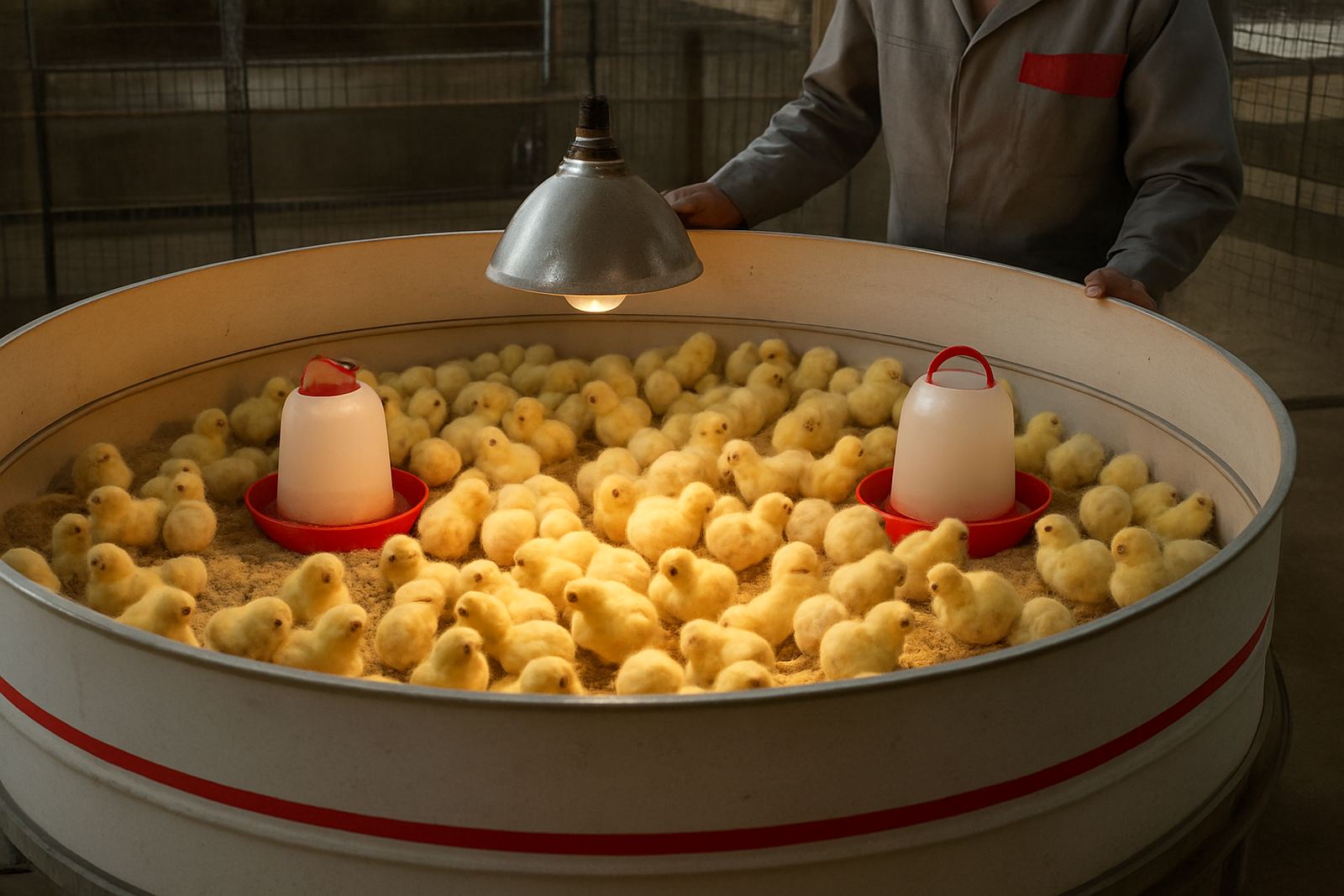
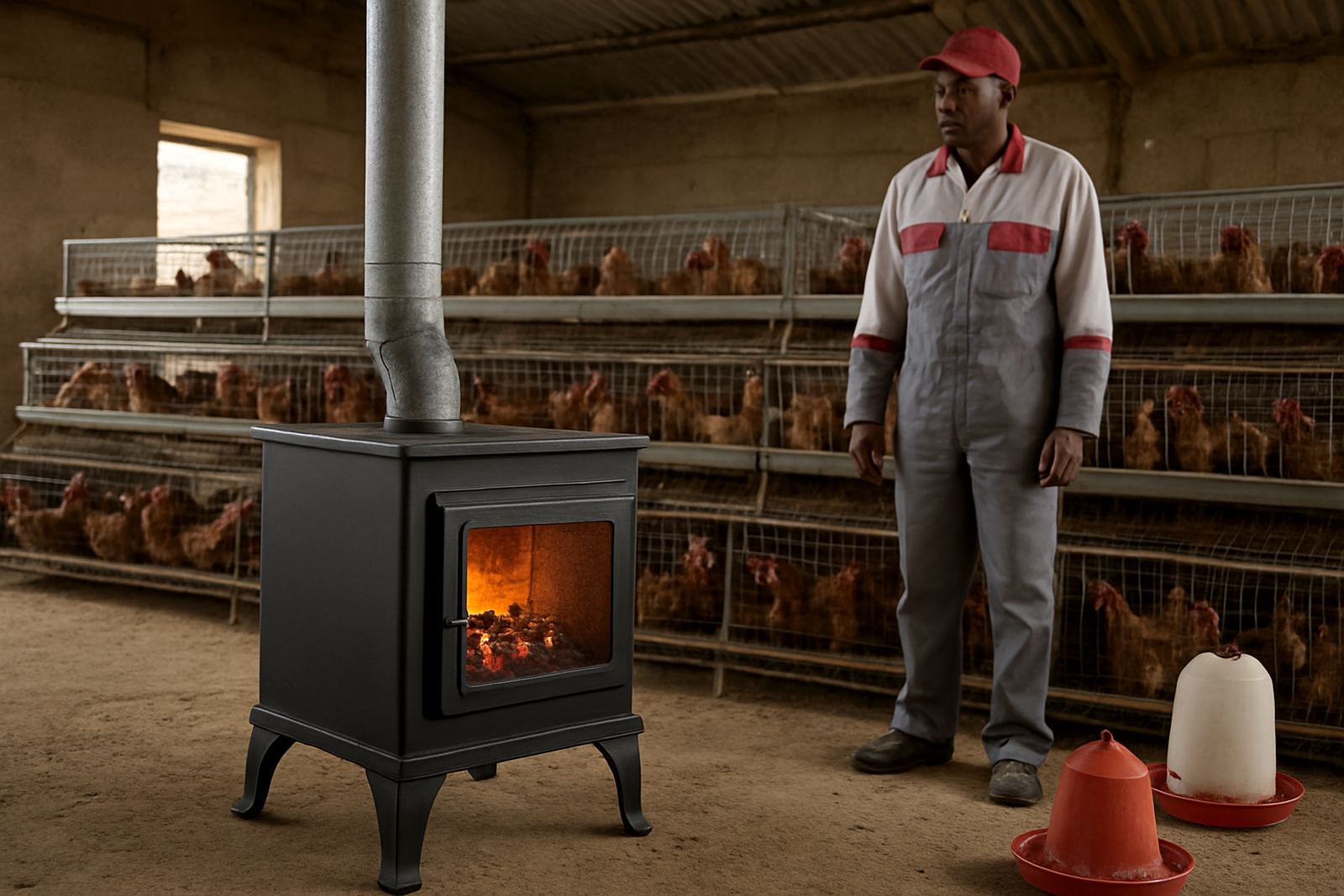
- Brooding pens with temporary heat
- Starter feed introduction before pan or chain lines
- Small hatchery support areas
- House sections being run in batches
Installation, heat and power needs
Chick trays themselves do not need power or gas, but they must be used within a well planned brooding setup. They work best where heat, ventilation and lighting are already set correctly. If the brooder is gas fired, the tray layout should not block heat spread or the movement of staff during checks. Where electric heating is used, make sure cable runs, heaters and feeders are positioned so that chicks can move freely between warm and cooler zones.
The installation job is mostly about placement. Trays should sit flat on clean litter, with enough space for chicks to reach them from all sides. Avoid placing trays right next to drinkers, because wet litter will spoil feed quickly. On larger sites, we often set a simple pattern that matches the feeder count and house width, then adjust it during the first placement if birds are clustering at one end. This kind of planning saves time later and makes the house easier to manage.
Cleaning, care and service life
Chick trays last longer if they are washed, dried and stored properly after each batch. Feed dust and damp litter should not be left in the tray because it attracts insects and can cause feed to sour. A simple wash with clean water and mild detergent is usually enough, followed by drying in the shade before stacking. Do not leave trays lying in direct sun for long periods, as repeated heat can warp lighter units over time.
During routine checks, look for cracked rims, bent edges, and any rough spots that could catch a chick or trap feed. If trays are used daily, it is worth keeping a few spare units on site so a damaged tray can be replaced at once. That small bit of planning prevents gaps in the brooding routine and keeps the start area neater.
What to confirm before ordering
Before you place an order, count the number of chicks per house, decide whether the trays will be used on the floor or under a line, and check the feeder layout. The wrong tray size can waste feed or leave birds crowded at one point. It also helps to know how often the house is washed down, because a farm that runs fast turnarounds may need stronger handling and more spare units.
- Tray diameter and lip height
- Number of trays required per house or pen
- Manual use or line-fed use
- Compatibility with your brooding plan
- Preferred packing for transport to site
If your operation is in Jet Park, Boksburg or anywhere else in Gauteng, we can help match the tray choice to the rest of the brooding setup. The same applies for projects in Mpumalanga, Limpopo, North West, Free State and KwaZulu-Natal where house conditions and transport distance can differ. Good order detail at the start means less adjusting on site later.
Key facts
| Product type | Low-profile chick feed tray |
|---|---|
| Primary use | Starter feed access in brooding areas |
| Common sizes | Sizes vary by house plan and chick count |
| Material | Durable washable tray construction |
| Power or gas requirement | None for the tray itself |
| Typical placement | Floor brooding, temporary starter lines and start pens |