Chick drinkers for the first critical days
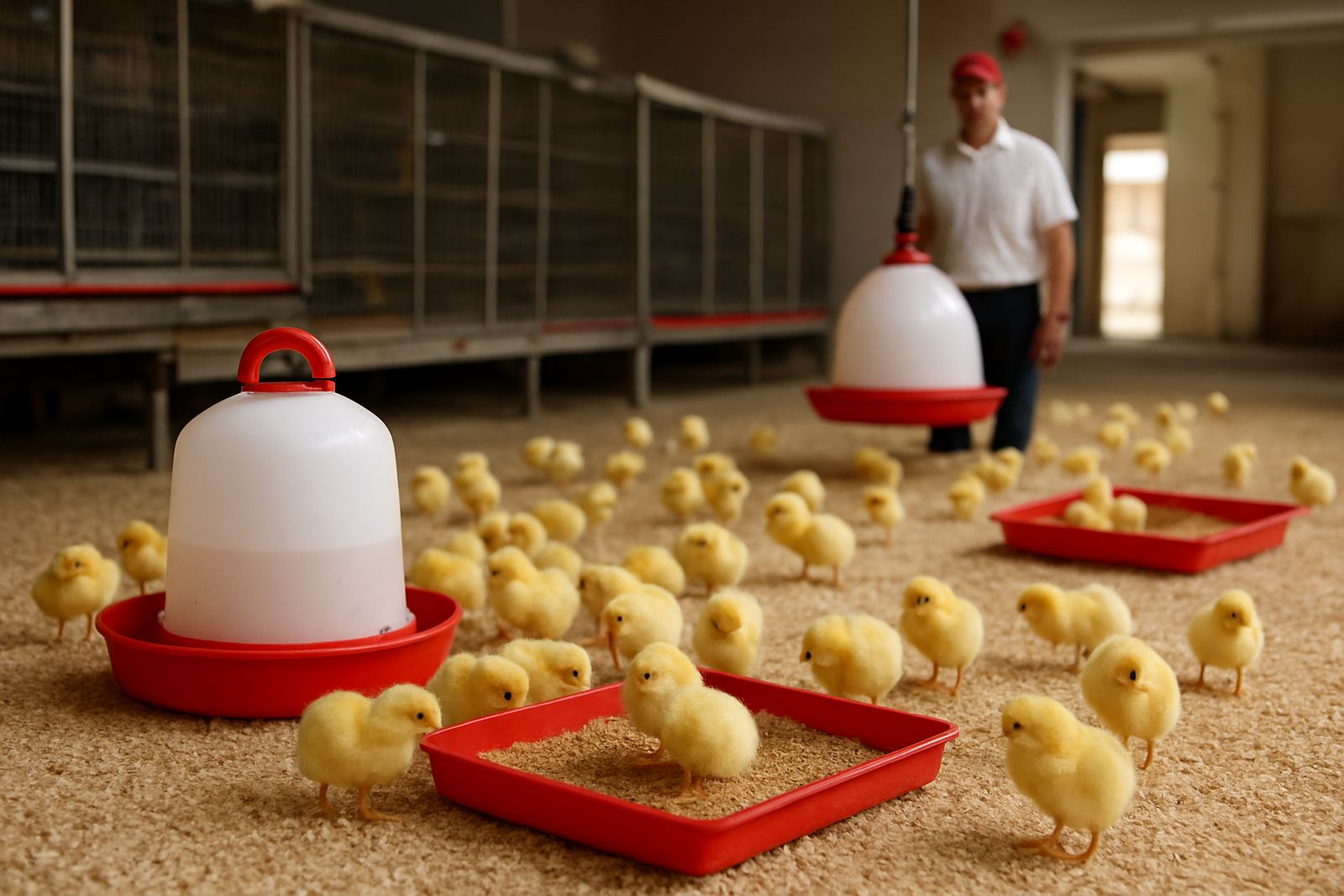
Chick drinkers are used when newly hatched birds are too small for standard poultry drinkers or nipple lines set too high. They sit low to the floor or on a small stand, so chicks can reach water without strain. In the first 3 to 10 days, that easy access matters. A weak chick that can drink quickly is easier to manage, and you spend less time worrying about birds clustering around one wet spot.
We supply drinkers suited to small flocks, brooding sheds and hatchery release rooms. The right unit depends on chick numbers, water pressure on site, cleaning routine and whether the shed runs on paper, litter or raised brooder decks. In hot inland areas like Gauteng, Limpopo and North West, chick water supply needs to be simple and fast to refill. On coastal sites in KwaZulu-Natal, material choice and hygiene matter because moisture sits in the house longer.
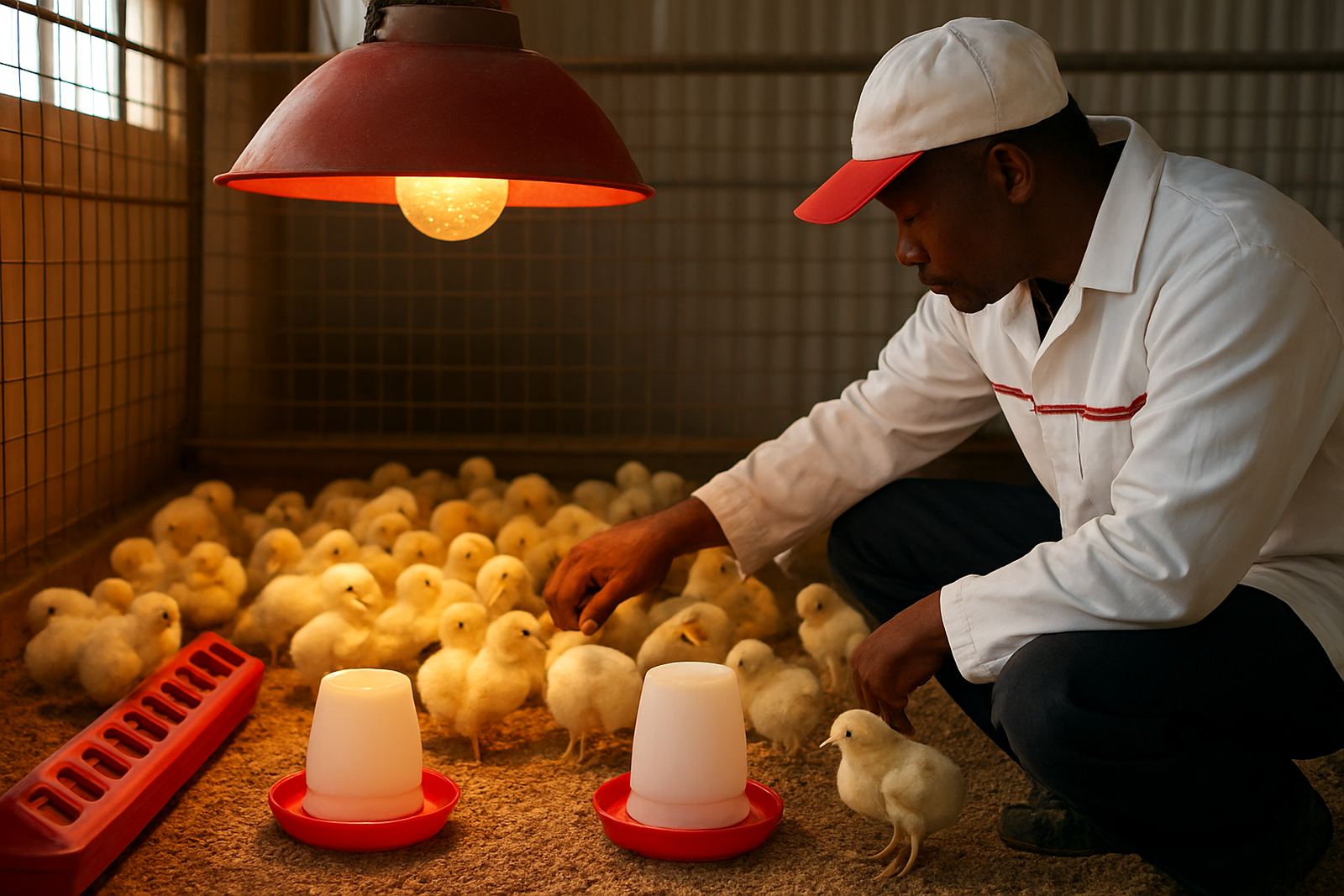
Typical uses include day-old placement, brooder rings, spare water points during load-shedding and short-term holding pens. These units are not meant to replace full house watering on a larger growing programme, but they are the practical answer for the early start phase.
Sizes, styles and capacity options
Chick drinkers come in different forms depending on how many birds you are starting and how often staff can walk the house. The most common options are shallow manual drinkers, small bell-type units and compact hanging or floor-standing units for controlled brooding areas. For smaller setups, a simple 1.5 litre to 3 litre unit is often enough. For bigger brooding groups, 5 litre and 8 litre capacities are common, with extra units spaced through the house.
As a rule, one small drinker can service about 50 to 100 chicks in the first days, depending on temperature, stocking density and whether other water points are also available. In warmer weather, or where brooder heat is high, more drinkers are safer than trying to stretch one unit too far. Chicks crowding around a single point can spill water and wet the bedding, which leads to chilled birds and higher labour later.
- Manual fill drinkers for small batches and day-old placement
- Low-profile floor drinkers for brooding circles and starter pens
- Compact hanging drinkers for cleaner litter control
- Starter drinkers that can be phased out once nipple lines are ready
If you are running mixed-age rooms or staggered placements, we can help you match the drinker size to the room layout, not just the bird count.
Where chick drinkers suit best
These drinkers are used in hatcheries, brooding houses, smallholder setups and starter houses where the first week needs close control. They work well when birds are placed in brooding rings, on fresh litter, or in houses that are being prepared for a larger water system but not yet fully fitted out. They also suit farms that need an emergency back-up during pump faults, pipe flushing or municipal interruptions.
In practice, chick drinkers are useful wherever staff need to see at a glance whether birds are drinking properly. If a house is using power for heat lamps, gas brooders or forced-air brooders, water still needs to be within easy reach. Dry chicks do not perform well if the water point is too far from the heat zone. That is why layout matters as much as the drinker itself.
- Day-old chick placement after hatchery delivery
- Brooding pens with temporary circles or partitions
- Emergency watering points during water or pump downtime
- Small rearing rooms where full lines are not yet fitted
For turnkey poultry projects, chick drinkers are often specified alongside brooders, feeders and house layout so that the first seven days are properly set up from day one.
Installation, power needs and water supply
Most chick drinkers are simple to install and do not need heavy power supply. Manual units need a clean water fill point and a level floor. Small hanging models need a support point or hook that keeps them steady when birds bump them. If the unit is connected to a low-pressure line or storage tank, you need a practical shut-off and overflow plan so the litter does not stay wet.
For houses with gas brooders or electrical brooders, the drinker position should be checked against the heat pattern. Water must be close enough for chicks to find it, but not so close that splashing and steam dampen the bedding. We normally look at brooder output, house width, air movement and foot traffic before confirming spacing. On some sites the main issue is not the drinker at all, but poor floor level or uneven drainage.
There is no special power requirement for stand-alone manual chick drinkers. Where a farm uses pumps, pressure tanks or auto-fill support, make sure the water line can recover quickly after cleaning. In areas with load-shedding, farms often keep a few manual drinkers ready so the first day does not get held up by an idle pump.
Care, cleaning and simple servicing
Chick drinkers need regular washing because the first days bring down and feed dust, and that builds up fast. Empty them daily, rinse with clean water and inspect for cracks, loose seals or warped bases. If a unit sits on litter, lift it before refilling so you are not trapping wet bedding under the rim. Small faults become bigger problems in the brooding phase because chicks will keep returning to the same point even if the water is dirty.
A basic servicing routine should include checking for blockages, testing float action where fitted, and confirming that the drinker sits level. On sites near the coast, metal parts should be checked for early corrosion. Plastic parts are easier to keep clean, but they still need replacement when edges wear down or the tray starts holding slime. A cracked base may only leak a little at first, but by the next feed round the bedding can be wet enough to chill the birds.
- Wash daily during the brooding period
- Use clean, cool water and avoid leaving stale water overnight
- Keep spare seals, clips and trays on site
- Replace damaged units before the next placement, not after
Our service team can include drinker checks in a maintenance programme for farms that want a regular pre-placement inspection.
What to check before you order
Before ordering chick drinkers, count your birds, confirm the brooding period, and decide whether you need manual or semi-automatic units. A flock of 500 chicks does not need the same setup as a 10 000-bird starter house. You should also check floor finish, available headroom for hanging units, water pressure if you are connecting to a line, and whether the house will be disinfected by spray or wash-down between batches.
It helps to know the following before we quote: chick age at placement, house size in metres, heat source, bedding type, and how many staff will be working the house at start-up. If you are expanding, tell us whether you want a temporary solution now or a drinker that will still fit once the full water system is installed. A short site note saves time and avoids the wrong fit.
- Number of chicks per house or pen
- Brooding method and heat source
- Water source, pressure and storage capacity
- House layout, floor finish and cleaning routine
- Whether you need spare units for load-shedding backup
We supply from Jet Park, Boksburg and support poultry projects across Gauteng, Mpumalanga, Limpopo, North West, Free State and KwaZulu-Natal. If you need chick drinkers as part of a new build or an expansion, we can match them with feeders, brooders and the rest of the start-up equipment.
Key facts
| Product type | Small-capacity chick drinkers for brooding and starter use |
|---|---|
| Typical capacities | 1.5 litre, 3 litre, 5 litre and 8 litre options |
| Bird stage | Day-old chicks through early brooding, usually first 3 to 10 days |
| Material options | Food-grade plastic, selected fittings and optional metal support parts |
| Installation | Floor standing, low-profile or hanging set-up depending on house layout |
| Supply support | Manual units, replacement parts, service checks and project matching |