Breeder cage units built for daily flock control
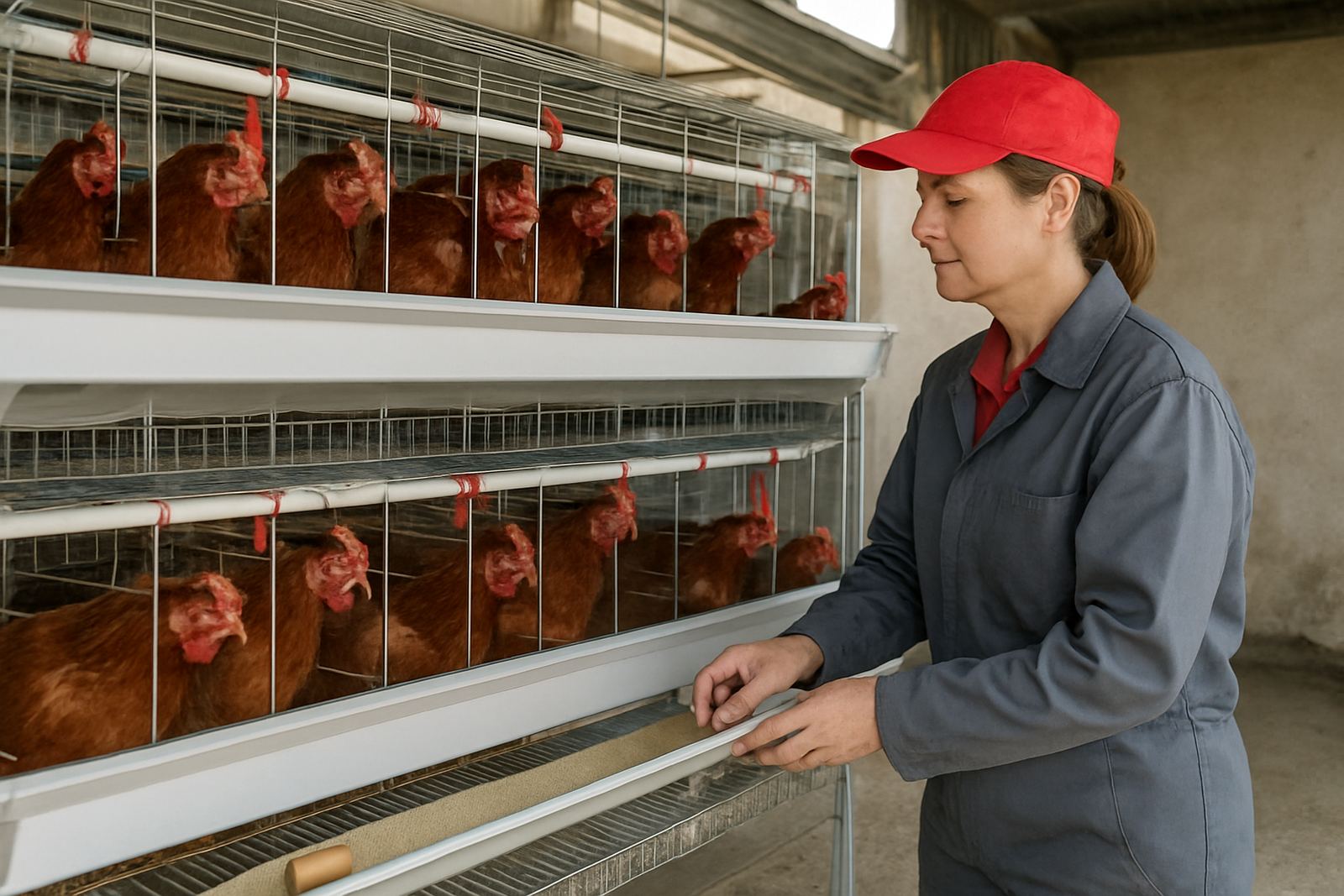
Breeder cages are purpose-built units used to house breeder hens in managed groups, usually with controlled access to feed, water and nest or egg collection points. The aim is simple: keep production orderly, reduce handling time and make it easier to monitor body condition, feed intake and egg output. On a busy poultry site, that translates into less walking back and forth and fewer missed checks.
Our breeder cage systems are specified for South African conditions, from Gauteng and North West to humid coastal areas in KwaZulu-Natal. The frame work, mesh and fittings are selected for practical cleaning and regular use, with attention to corrosion resistance where moisture and wash-down routines are part of the schedule.
For farms running more than one house, breeder cages also make it easier to standardise labour. That helps when staff rotate between sheds or when a team is training up. If your flock plan changes seasonally, the cage layout can be matched to the size of the house and the management style you use.
Sizes, layouts and option choices for your house
Breeder cages are not one-size-fits-all. The right arrangement depends on house width, bird numbers, egg handling method and how your team works in the shed. Units can be configured as single-tier, multi-tier or house-specific runs where the access points and service aisles are planned around your daily routine.
Typical options include:
- single, double or multi-tier cage rows
- front or rear feed delivery arrangements
- drinker lines suited to manual or automatic systems
- manure management beneath the cages
- egg collection access points for hand collection or assisted collection
- partitioning to suit breeding groups and flock separation
House size, ventilation and roof height all matter. A 12 m wide house will not be laid out the same way as an 18 m house, and neither will a refurbished building in an old broiler site. We look at circulation space, feed access, service clearances and the way staff move through the unit so the cage rows do not become awkward to work in.
Where breeder cages suit best
These units suit commercial breeder operations where egg consistency, flock separation and daily counting are part of the routine. They are commonly installed on sites producing hatching eggs, in expansion houses, or where a farmer wants tighter control over feed use and egg collection timing.
Breeder cages are practical for new builds and for upgrades to existing poultry houses in places like Boksburg, Polokwane, Ermelo, Potchefstroom and Pietermaritzburg. They also work well where labour is limited, since the flock is easier to observe and less time is spent chasing birds through open floor space.
They are not the answer for every building. If your house has low eaves, poor air movement or an uneven slab, those matters need to be sorted before installation. A cage system should work with the structure, not against it, otherwise you end up with cleaning issues and uneven access down the line.
Installation needs, utilities and site readiness
Before installation, the house should be measured properly and checked for level floor conditions, clear access and service points. Breeder cages do not ask for much in the way of power compared with full automation, but any feed systems, egg handling equipment, lighting controls or manure handling accessories may need dedicated electrical planning.
In some projects, gas is used elsewhere on the poultry site for heating in brooders or processing rooms, though breeder cages themselves are mainly a mechanical installation. What matters is that the building services are planned together so cables, pipes and working aisles do not clash. On farms that face load-shedding, it is worth planning backup supply for lighting, alarms and essential handling equipment.
- check slab level and anchoring points before delivery
- confirm house width, height and aisle space
- allow for feed bins, lines and access ways
- plan standby power where control systems are involved
- protect electrical gear from dust and wash-down splash
We supervise installation and commissioning so the cages are set up to the agreed layout. That includes practical checks on alignment, access, fittings and how the team will work the house from day one.
Cleaning, servicing and spare parts support
Good breeder cage care starts with routine cleaning and a regular inspection plan. Droppings trays, mesh surfaces, drinkers and feed lines should be checked often, especially in warmer weather or where the house is under pressure from dust. Small faults picked up early are cheaper to sort than a full section breakdown later on.
Maintenance programmes can include service visits, wear part replacement and checks on moving components. In coastal or humid regions, fittings may need closer attention because moisture will show up corrosion quicker than in dry inland areas. If a drinker line starts leaking or a hinge is misaligned, production routines get disturbed pretty fast.
- clean to the schedule used on your farm, not only when problems show
- inspect fasteners, doors and hinges weekly
- flush drinker lines where applicable
- keep spares for common wear items on site
- train one supervisor to record faults and call them early
Our service team can assist with maintenance programmes and spares supply, which helps when a farm runs multiple houses and cannot afford delays waiting for small parts. That matters during peak laying periods when the birds need steady routines every day.
What to confirm before you place an order
Before you order breeder cages, it helps to confirm the bird numbers, house size and the production target for the site. A clear brief avoids changes after fabrication has started, and that saves time on both the farm and the workshop side.
Please check the following:
- house dimensions, roof height and floor condition
- number of birds per flock and planned stocking density
- whether you need hand collection or assisted egg handling
- feed and drinker arrangements already in the house
- power availability and any standby supply plans
- delivery access for trucks and off-loading space
Our team in Jet Park, Boksburg works with poultry projects across Gauteng, Mpumalanga, Limpopo, North West, Free State and KwaZulu-Natal. We can assist with site planning, house layouts, installation supervision, operator training and expansion upgrades, so the breeder cages fit into the wider production plan rather than arriving as a loose item on its own.
If you are comparing options for a new breeder house or a retrofit, send the basic site measurements and your flock plan. From there, the layout can be matched to practical use, not guesswork.
Key facts
| Product type | Breeder cage units for commercial poultry houses |
|---|---|
| Typical configuration | Single, double or multi-tier layouts, depending on house design |
| Common materials | Galvanised steel frame, wire mesh and service fittings |
| Use case | Controlled breeder hen production and flock management |
| Installation support | Site planning, installation supervision and commissioning |
| Service coverage | Gauteng, Mpumalanga, Limpopo, North West, Free State and KwaZulu-Natal |