What an A-frame layer cage system is
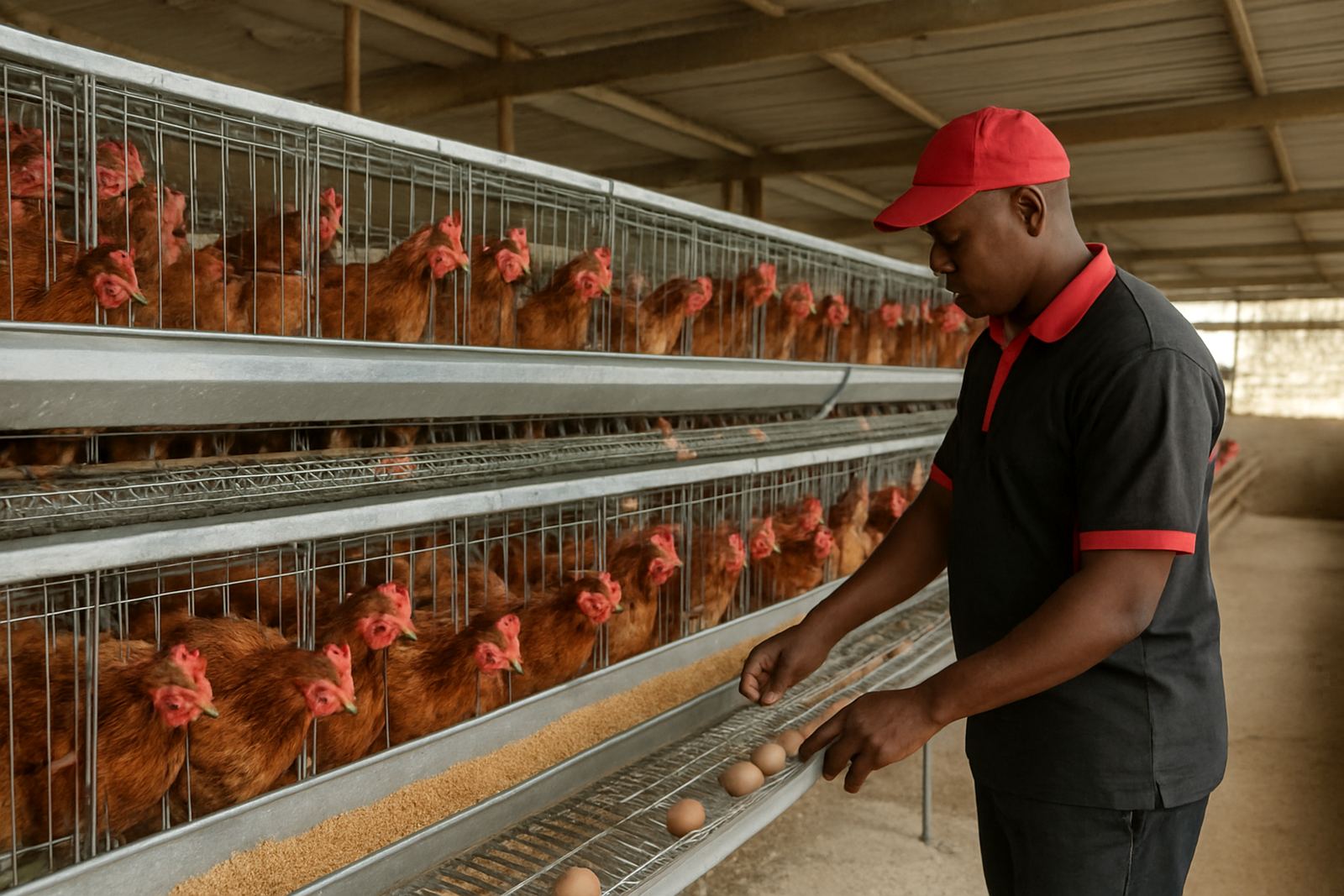
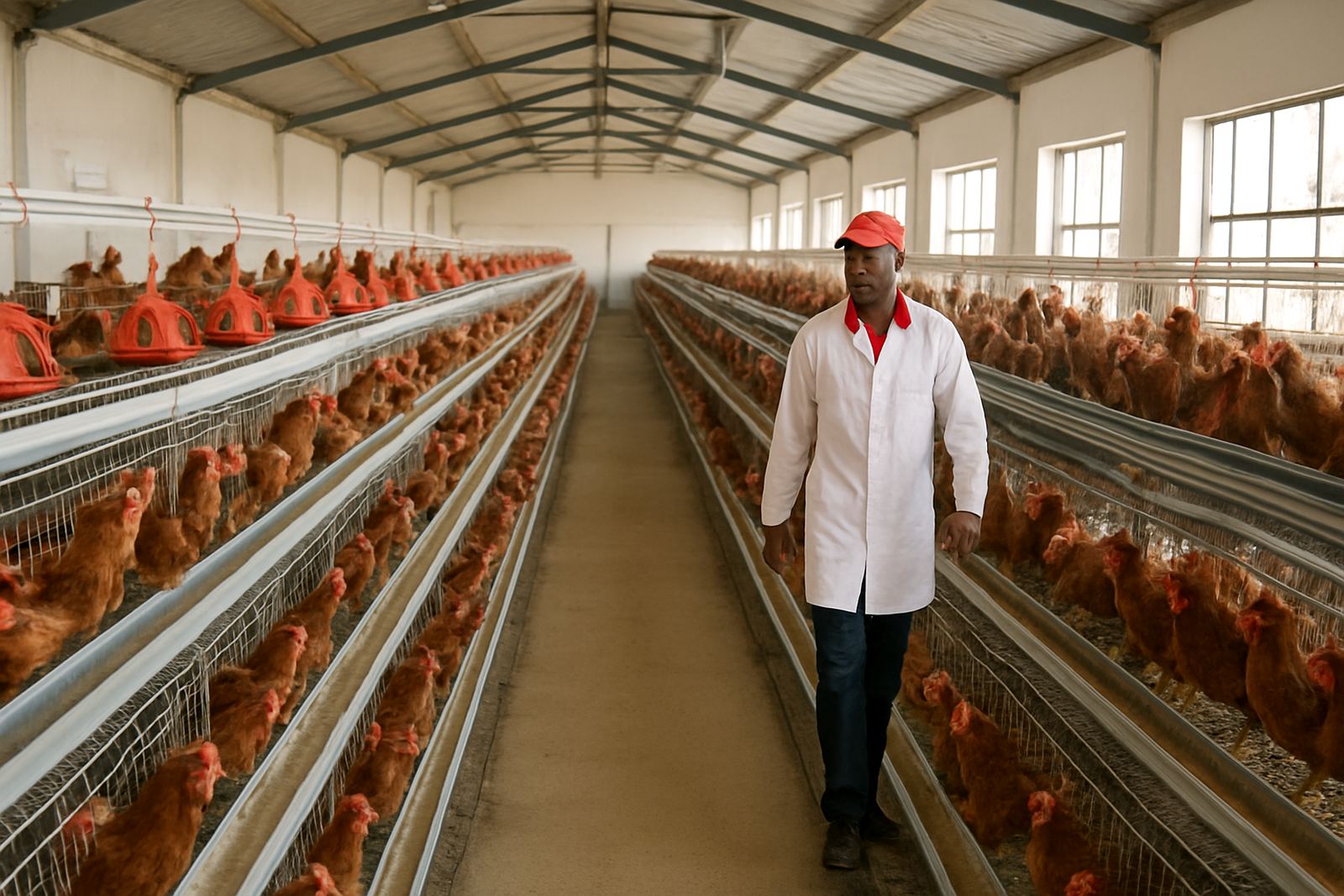
An A-frame layer cage system uses tiered cage banks arranged on both sides of a central aisle, with the cage rows leaning out in a stable A shape. That layout makes inspection quicker, because feeders, drinkers and egg collection points are easy to reach without moving through a crowded house.
For many South African poultry operations, this style works well where labour must be used carefully and where houses need good natural movement of air. The open centre also helps when you are managing heat, dust and routine cleaning, especially in places like Gauteng, Limpopo and the North West where daytime temperatures can shift quickly.
These systems are supplied as part of a full poultry project or as stand-alone equipment for an existing site. They can be planned for new houses, phased expansions or replacement of worn-out cage lines.
Sizes, tier options and cage features
A-frame cages are normally specified by bird capacity per bay, tier count and house width. Common layouts are 2 tier and 3 tier systems, with customised bay lengths to match your building. The right option depends on your flock size, available floor area and how you want eggs, feed and water handled each day.
- Tier options: 2 tier or 3 tier layouts
- Bay lengths: cut to suit the house, often in modular sections for easier transport and installation
- Bird allocation: set to suit layer strain, target stocking density and management method
- Construction: galvanised steel frame with corrosion-resistant cage mesh for longer life
- Feeding: manual trough feed or mechanical feed delivery, depending on the house setup
- Drinking: nipple drinker lines or drinker systems matched to bird age and pressure control
We normally discuss the full house width, ridge height and aisle space before confirming the final layout. That avoids squeezed walkways and makes sure workers can collect eggs, check birds and carry out cleaning without bumping cages or pipework.
Where A-frame cages suit best
This type of layer cage suits growers who want a straightforward house layout with clear rows and a simple daily routine. It is often selected for medium to larger layer units, farm expansion projects, and commercial houses where management must be practical rather than complicated.
A-frame cages are a good fit where ventilation matters. In hot inland areas, a layout that keeps the centre aisle open can help air move better through the house. In coastal areas such as parts of KwaZulu-Natal, the same open arrangement can assist with humidity control, provided the house has proper side protection and regular maintenance.
The system also suits sites where electricity supply can be unstable. Feed and water lines can be arranged to work with backup power for lights, pumps, controllers or egg-room equipment. If the house runs on gas brooders in an adjacent pullet section, we plan the gas route and safety clearances as part of the project, because mixed-use poultry sites need proper separation and access.
Installation, power and gas requirements
Correct installation matters as much as the cage itself. The floor must be level, drainage must be planned, and the support points need to carry the full weight of birds, equipment and workers. If the house floor slopes badly or holds water after cleaning, the structure will wear faster and daily work becomes harder.
Most A-frame layer projects need the following services to be confirmed before commissioning:
- Stable electricity for lighting, controls, pumps and any mechanised feed equipment
- Backup power for load-shedding periods, especially where egg handling or water pressure cannot stop
- Clean water supply at the correct pressure and flow rate
- Gas supply only where the broader poultry project includes brooders or heating equipment
- Enough headroom and aisle width for safe access during installation and later servicing
We supervise installation so the cage rows are aligned properly and the drinker lines sit at the right height. That saves a lot of trouble later, because uneven lines or poor fixing can cause feed waste, cracked eggs and stress on the birds. It is a simple point, but it matters.
How to care for the cages and keep them working
Daily care starts with checking feed flow, drinker pressure, egg collection points and any damaged wire or loose fittings. A short morning inspection catches most issues before they turn into production losses. If workers are trained properly, small faults can be found quickly and repaired before they spread through the house.
For longer service life, the cages should be cleaned on a fixed programme and inspected after each flock cycle. Dust and manure build-up can increase wear, and in coastal or humid areas metal parts need extra attention. If the house is left wet after wash-downs, corrosion starts sooner than many people expect.
- Check drinker lines for blockages and leaks
- Keep feed troughs level and free of hard build-up
- Inspect hinges, clips and support brackets regularly
- Wash and dry the house fully between cycles
- Keep spare parts on site for common wear items
We also support maintenance programmes, so farms with several houses can keep a clear service schedule instead of waiting for breakdowns. That is usually cheaper than fixing a full row after avoidable wear has been ignored.
What to confirm before you place an order
Before ordering A-frame layer cages, it helps to confirm a few site details. The most useful information is the house length and width, intended bird capacity, power availability, water supply and whether the project is new build or an upgrade to an existing house. If you already have a layout, send it through with any measurements taken on site, even if they are rough at first.
You should also decide how eggs will be handled, whether feed will be manual or mechanical, and whether future expansion is likely. A house that looks big enough now may become tight once the flock size grows, so it is smarter to plan for the next stage from the start.
When we prepare a project, we look at site planning, equipment selection, house layouts, installation supervision, commissioning and operator training as one job. That keeps the cage system matched to the house and reduces the chance of buying parts that do not fit together properly.
South African support from our Jet Park base
We are based in Jet Park, Boksburg and work on poultry projects across Gauteng, Mpumalanga, Limpopo, North West, Free State and KwaZulu-Natal. The local conditions differ from province to province, so the cage layout, servicing access and utility planning are adjusted to suit each site.
Whether you are starting a new layer house or replacing an older system, we can supply the cages, guide the installation and support the ongoing operation. If the house must keep running through load-shedding or seasonal heat, that needs to be built into the plan from day one, not added later when the birds are already in.
For practical poultry equipment that matches real farm conditions, the A-frame layer cage remains a solid option. It is not fancy, just workable, which is what many producers want.
Key facts
| System type | A-frame layer cage layout for commercial laying hens |
|---|---|
| Typical tiers | 2 tier or 3 tier configurations |
| Frame material | Galvanised steel support structure |
| Cage material | Corrosion-resistant wire mesh sections |
| Feeding options | Manual trough feed or mechanical feed delivery |
| Watering options | Nipple drinker lines with pressure control |
| Application | New layer houses, expansions and replacement projects |