Tell Us What Your Team Needs Trained On
Use this page when your crew needs hands-on training for brooder management, feeder setup, drinker adjustment, laying-hen cage operation or basic processing room equipment. We work with new teams, replacement staff and farms that have taken on extra houses after expansion. If your site is in Boksburg, Delmas, Polokwane, Klerksdorp, Bethlehem or further afield, send the request through and we will guide the next steps.
Training can be arranged for a single machine or for a full house handover. That includes practical instruction on start-up, safe use, cleaning routines, daily checks and the simple fault signs operators should watch for before a small issue becomes a costly one.
What Training Covers On Site
Our training is practical and focused on the way your staff actually work day to day. We explain how the system should run, what normal readings look like and what to do when birds are not taking feed evenly, when nipples are dripping or when heaters are not holding temperature through the night.
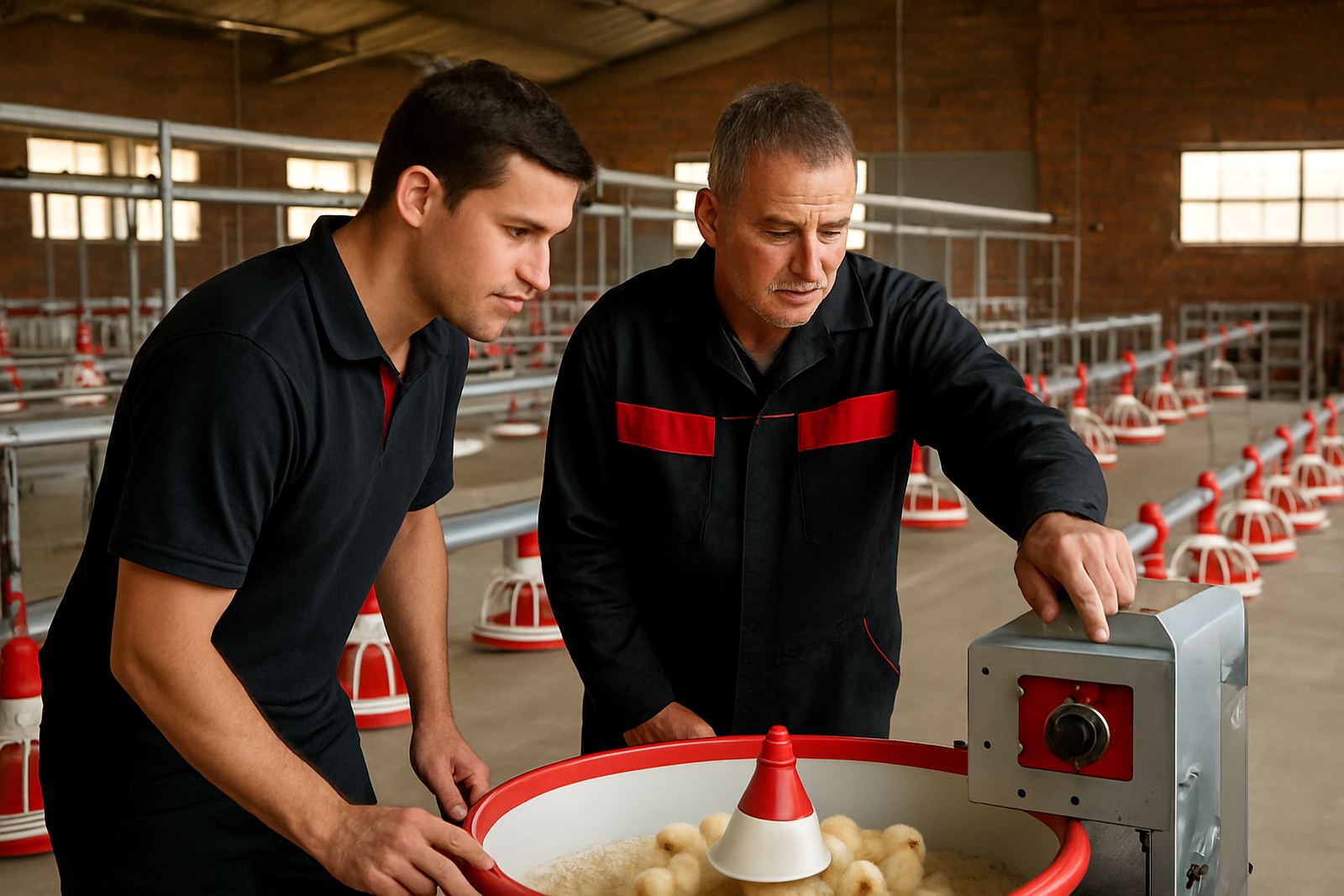
- Brooding setup, temperature control and chick placement
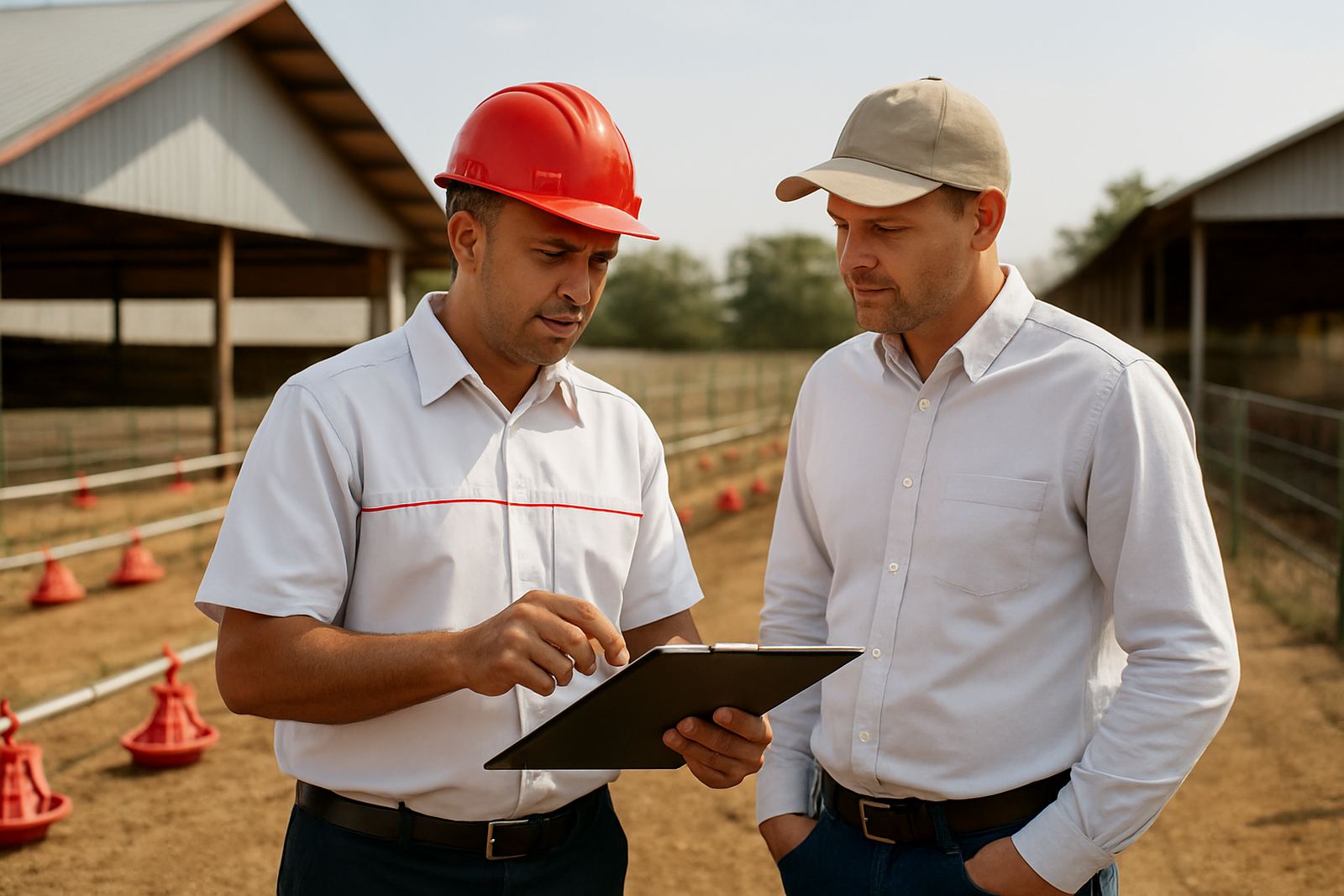
- Feeder height, line adjustment and feed flow checks
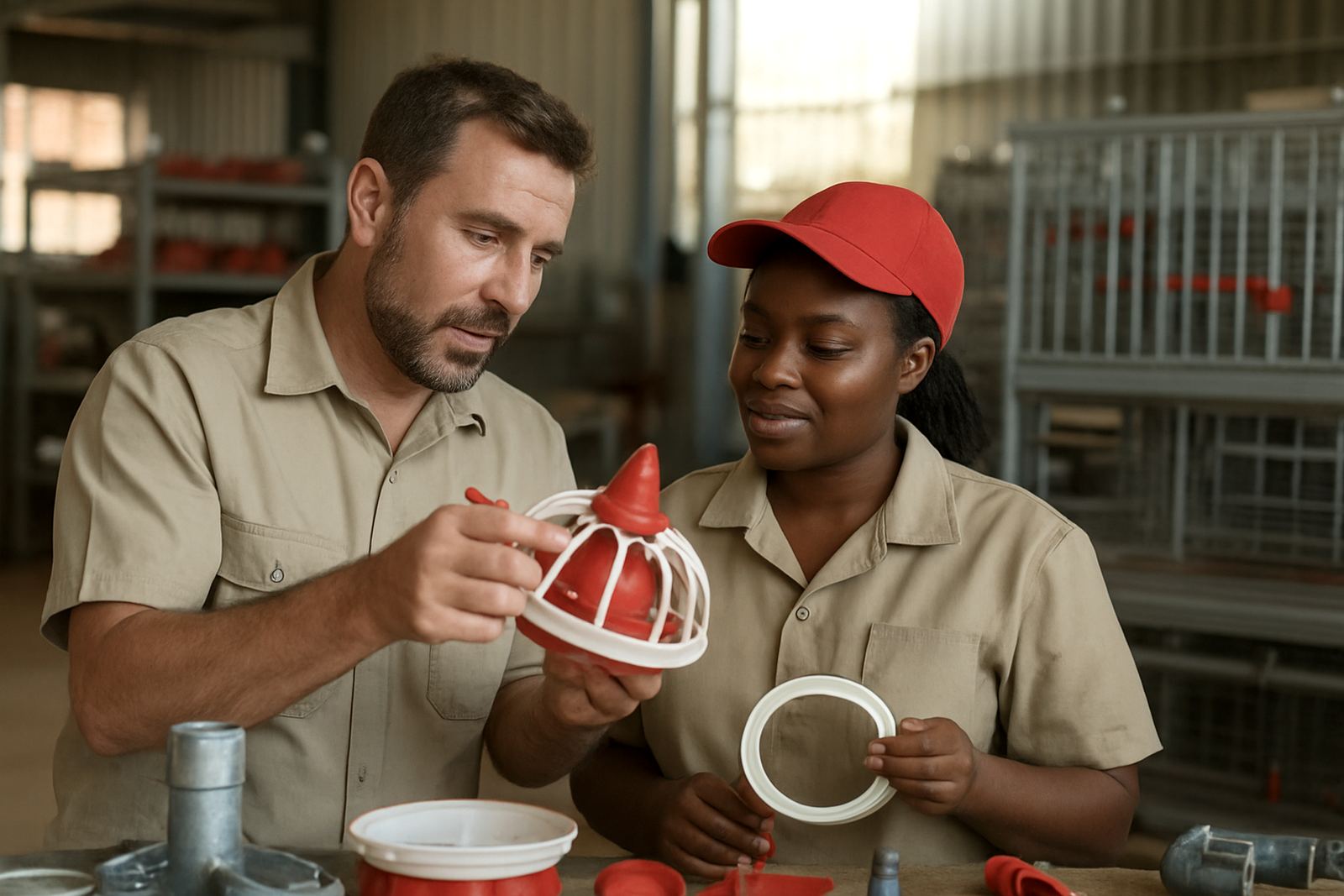
- Drinker pressure, cleaning and leak spotting
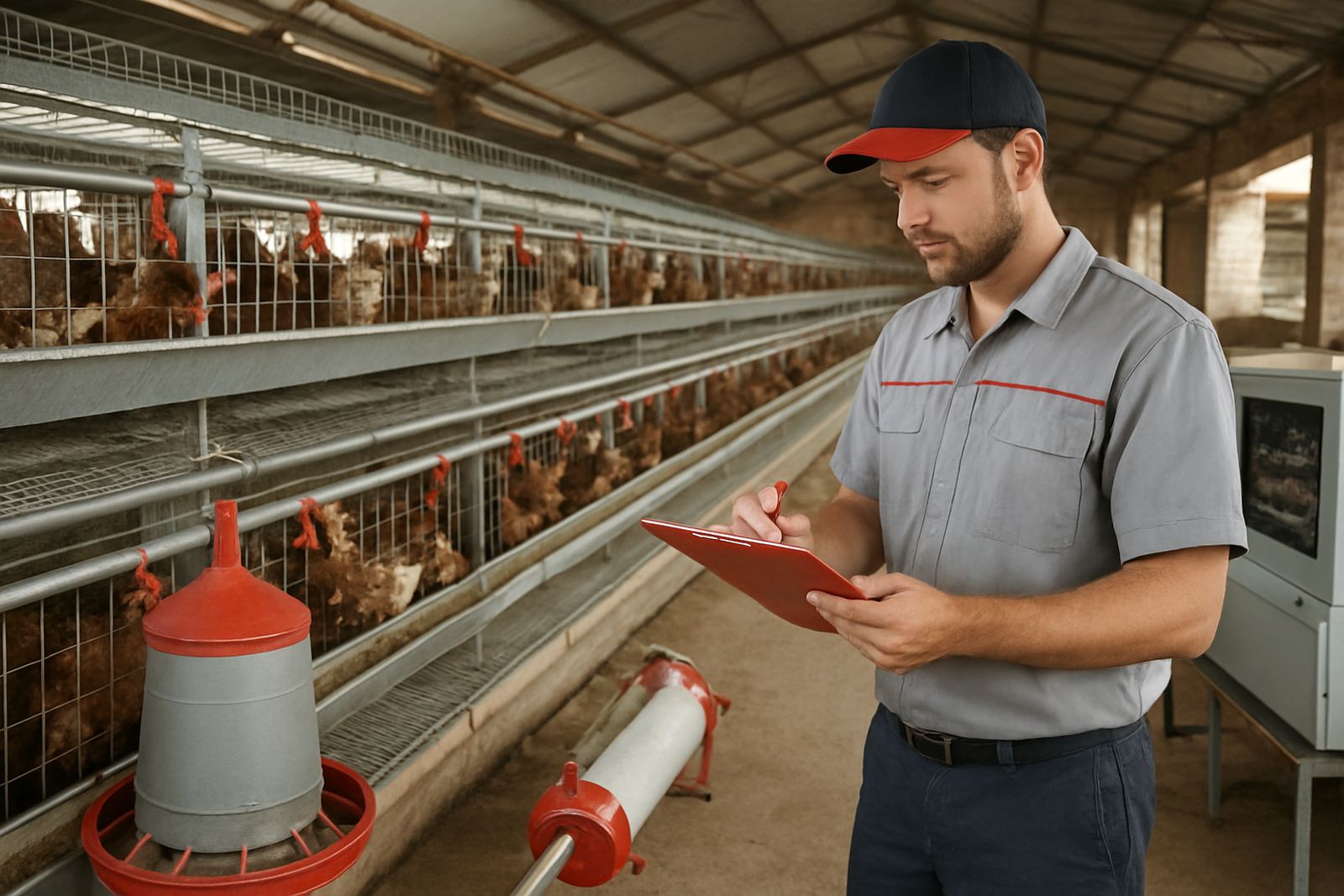
- Cage walk-throughs, egg handling and bird welfare checks
- Processing room operating routines and hygiene steps
Where needed, we also cover shutdown and restart procedures for load-shedding periods. On a lot of farms, a 2 hour power cut can upset heat and water delivery, so your operators need a clear routine to follow without guessing.
How To Request A Training Visit
Send an email to info@johnfmarshall.co.za with the equipment type, your farm location, how many staff need training and the preferred dates. If the request is urgent, include the issue you are seeing now, such as poor brooder response, uneven drinking pressure or staff uncertainty on the processing side.
- State the house or room number
- List the equipment in use
- Confirm the number of operators
- Tell us whether the team needs beginner or refresher training
- Include any time limits around catches, turnarounds or municipal inspection dates
Once we have the details, our team checks the best trainer and schedules the visit. In some cases we may ask for photos or a short video first so that we can arrive with the right spares and hand tools, which saves time on site.
What To Prepare Before The Trainer Arrives
A good session starts with the house or processing area ready for demonstration. Please make sure the equipment is running, or if it is a new installation that it is installed and connected correctly. Have power available, water supplied and the working area clear enough for staff to gather safely around the unit.
If your site has a strict biosecurity control point, let us know in advance so we can follow your rules on entry, boots and sanitising. Coastal humidity in places like KZN can affect drinkers, motors and metal fittings, so it helps to mention any rust, scale build-up or damp areas before the visit. That way we can cover the right maintenance points too.
After Training, Keep The Standard Steady
Training should leave your operators with a clear routine they can repeat every day. We can help you put together a simple maintenance programme for cleaning, checks and replacement intervals so the team is not relying on memory alone. This is useful on farms where staff change often or where one supervisor covers more than one house.
We also support follow-up visits where needed. If the team is still struggling with a pressure setting, incorrect feeder height or inconsistent brooding temperatures, we can come back and work through the issue again. A short refresher often prevents avoidable losses and helps the house perform better through the next cycle.
Training For New Houses, Expansions And Processing Upgrades
If you are adding new poultry houses, changing from a small batch system to larger volumes, or fitting out a processing room, training should happen before birds or product move through the space. That keeps staff calm and reduces the chance of damage during the first busy days. Our team works on turnkey poultry projects and can align training with installation supervision and commissioning, so the handover makes sense from the first shift.
John F Marshall has been working from Jet Park, Boksburg since 2009, supporting agriculture and industry projects across Gauteng, Mpumalanga, Limpopo, North West, Free State and KwaZulu-Natal. Whether your site is near a municipal water restriction area or on a farm with long supply runs, we keep the training practical, local and suited to the way South African operations actually run.