Start with the right numbers, not guesses
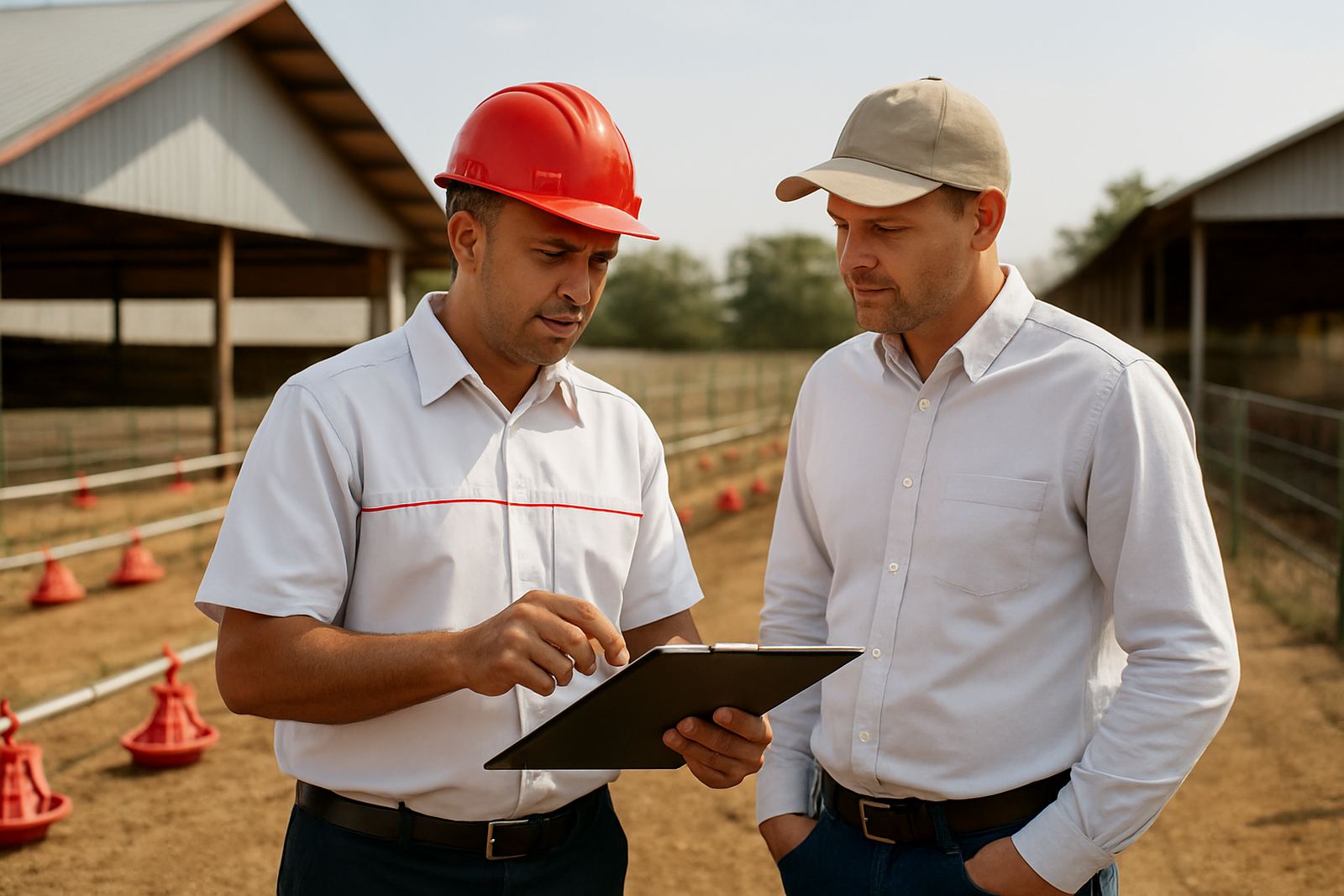
Every good poultry project starts with a clear picture of what you want to produce, how much space you have, and what the site can support. At John F Marshall we begin with your flock size, bird type, available water and power, access roads, drainage and the local climate, because a house in Gauteng does not behave the same way as one near the coast or in Limpopo heat.
We also check practical details that affect the final layout. That includes loading areas, staff movement, waste handling, ventilation, and whether the municipality has any limits on effluent, noise or building position. If you are starting on virgin ground or expanding an existing unit, we map the project so you do not end up buying equipment that is too small, or too big for the building you have.
Site planning and house layout that suits the operation
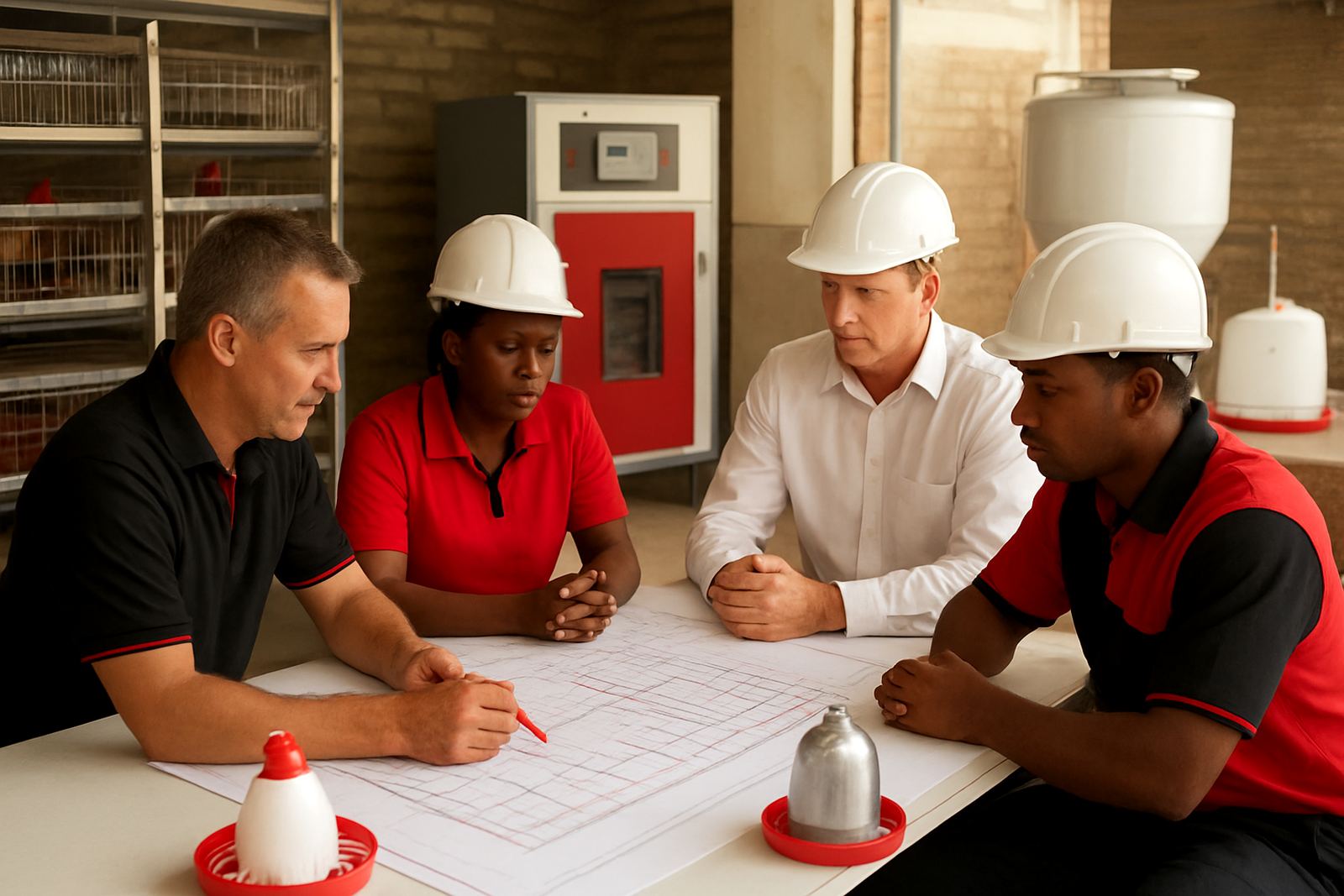
Good planning saves money later. Our team can help with site planning and house layouts for laying hens, rearing, hatchery support and processing areas. We look at building direction, airflow, roof height, service points, and where each item of equipment should sit for daily use and cleaning.
- Space for cages, feeders, drinkers and egg collection routes
- Positioning for incubators, brooders and temperature control
- Room for maintenance access and future expansion
- Practical separation between clean and dirty areas
- Consideration for load-shedding backup and water storage
If your property has uneven ground, limited power supply, or long runs for water and cable, we work through that before installation begins. That avoids expensive changes once the building is already up.
Matching equipment to the project stage
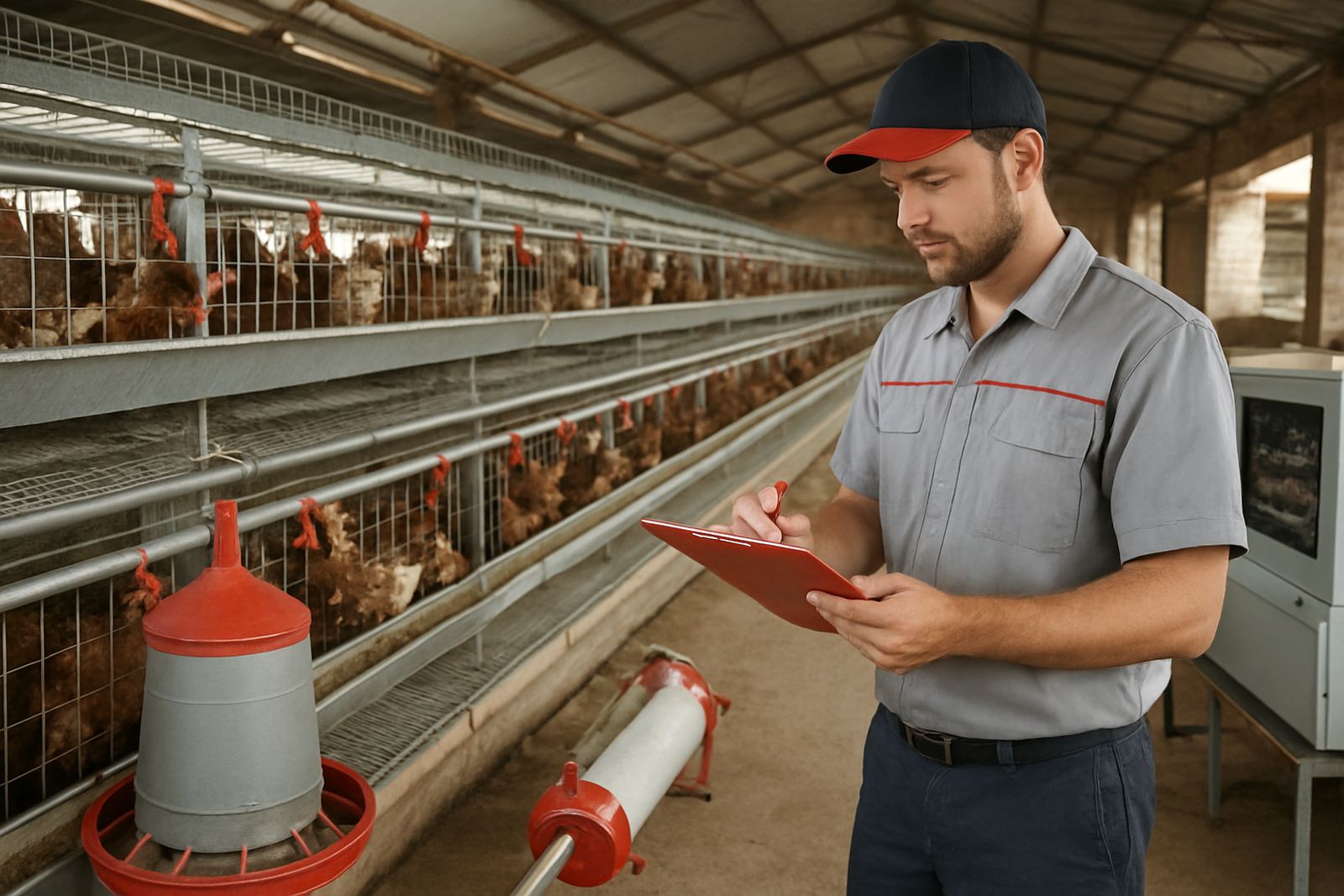
Not every project needs the same mix of equipment. Some clients are setting up a new layer house, while others are upgrading feed and water systems in an existing operation. We supply laying-hen cages, incubators, brooders, feeders, drinkers and abattoir equipment, and we advise on what should come first so the project can run in phases if needed.
For many farms, a phased approach is more practical. You may start with one house and add another later, or begin with processing-room fitout and expand once production grows. That keeps cash flow under control and helps the team learn the system properly before the next stage is added.
- New build projects for planned capacity
- Expansion upgrades for working poultry houses
- Processing room fitout for handling and hygiene control
- Equipment replacement where the structure stays in use
Installation supervision and commissioning done properly
Once the equipment is selected and delivered, our projects team helps supervise installation so the layout matches the plan. This is where small mistakes can become expensive later if items are placed too close together, poorly levelled or left difficult to clean. Sibusiso Dlamini coordinates the project flow, while our technical side checks that the system is assembled for daily use, not only for the day of delivery.
Commissioning is more than switching things on. We test the working parts, confirm feed and water lines, check access, and make sure the poultry house or room is ready for birds and staff. If there are electrical constraints or generator connections, these must be checked early because load-shedding can interrupt a poor setup very quickly. We rather spot the issue before the first flock arrives.
Training, maintenance and after-installation support
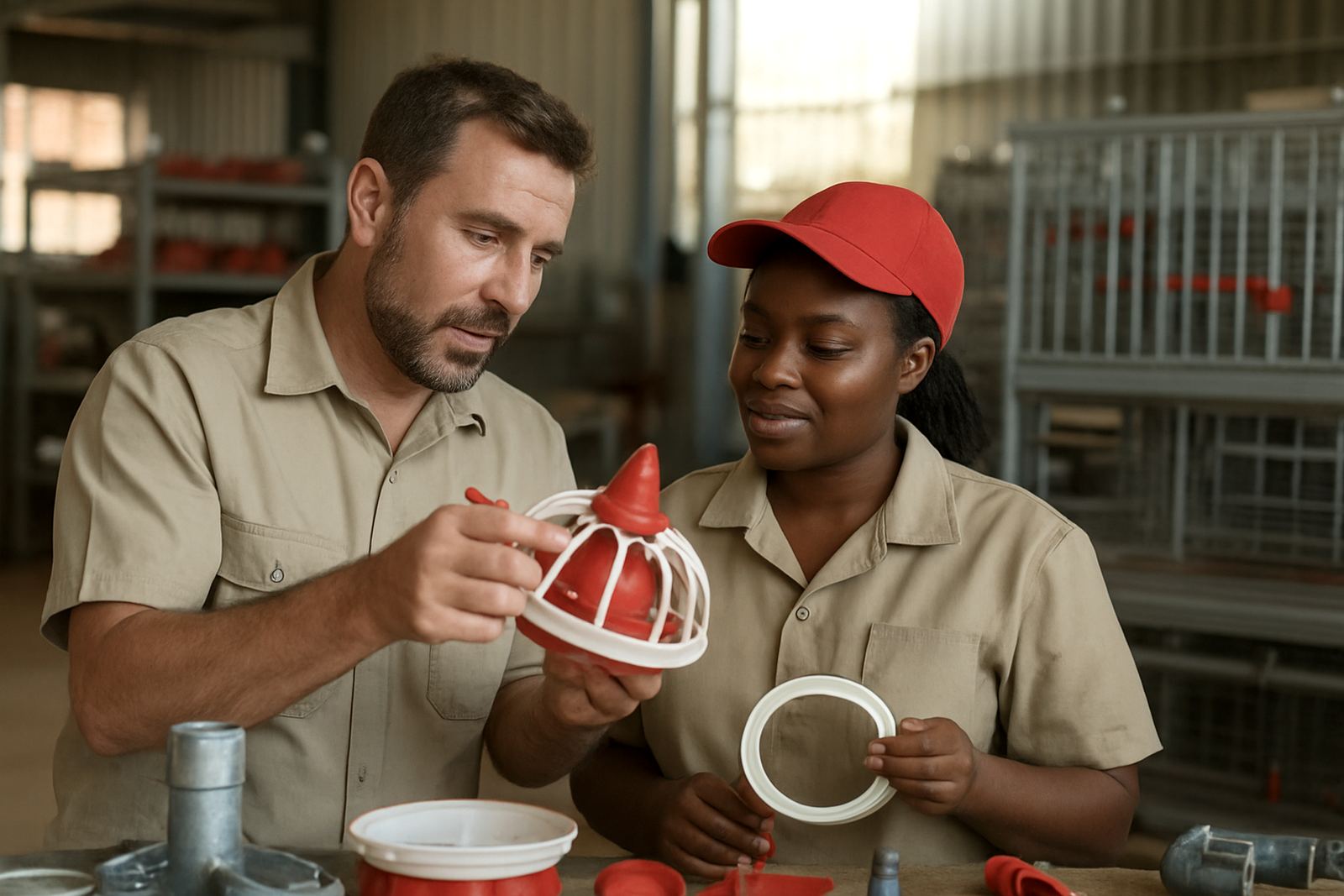
Good equipment still needs good people. That is why operator training is part of a proper turnkey enquiry. Thabo Nkosi and the support team show your operators how to run the system day to day, carry out cleaning, spot wear early, and avoid simple mistakes that lead to downtime. A new team often needs clear, practical instruction, especially where staff may be working across several shifts.
We can also set up maintenance programmes and spares supply so you are not stuck waiting for a small part while production sits still. In poultry, a missing clip, worn line component or damaged fitting can create bigger problems than people expect, so planned servicing pays for itself.
- Operator training for routine use and hygiene
- Scheduled maintenance to reduce breakdowns
- Spares supply for fast repairs
- Support for ongoing improvements and expansion
How to send a turnkey enquiry that gets action
The more practical detail you give us, the better we can respond. Anika van der Merwe in technical sales can work from sketches, house sizes, target bird numbers, photos of the site, or an existing layout. If you already have plans, send them through. If not, start with the basics and we will help you shape the brief.
Please include the site location, your production goal, preferred start date, and whether you need full project support or only certain items like cages, brooders or abattoir equipment. If the project is in Gauteng, Mpumalanga, Limpopo, North West, Free State or KwaZulu-Natal, we can usually align the site visit and project schedule around that area. A clear enquiry makes the next step much easier, and saves time for everyone.
John F Marshall has been working in agriculture and industry since 2009 from Jet Park, Boksburg, with poultry projects carried out across South Africa. If you are planning a new unit or upgrading an existing one, send the details to info@johnfmarshall.co.za and we will take it from there.