What a cabinet incubator does in a small hatchery
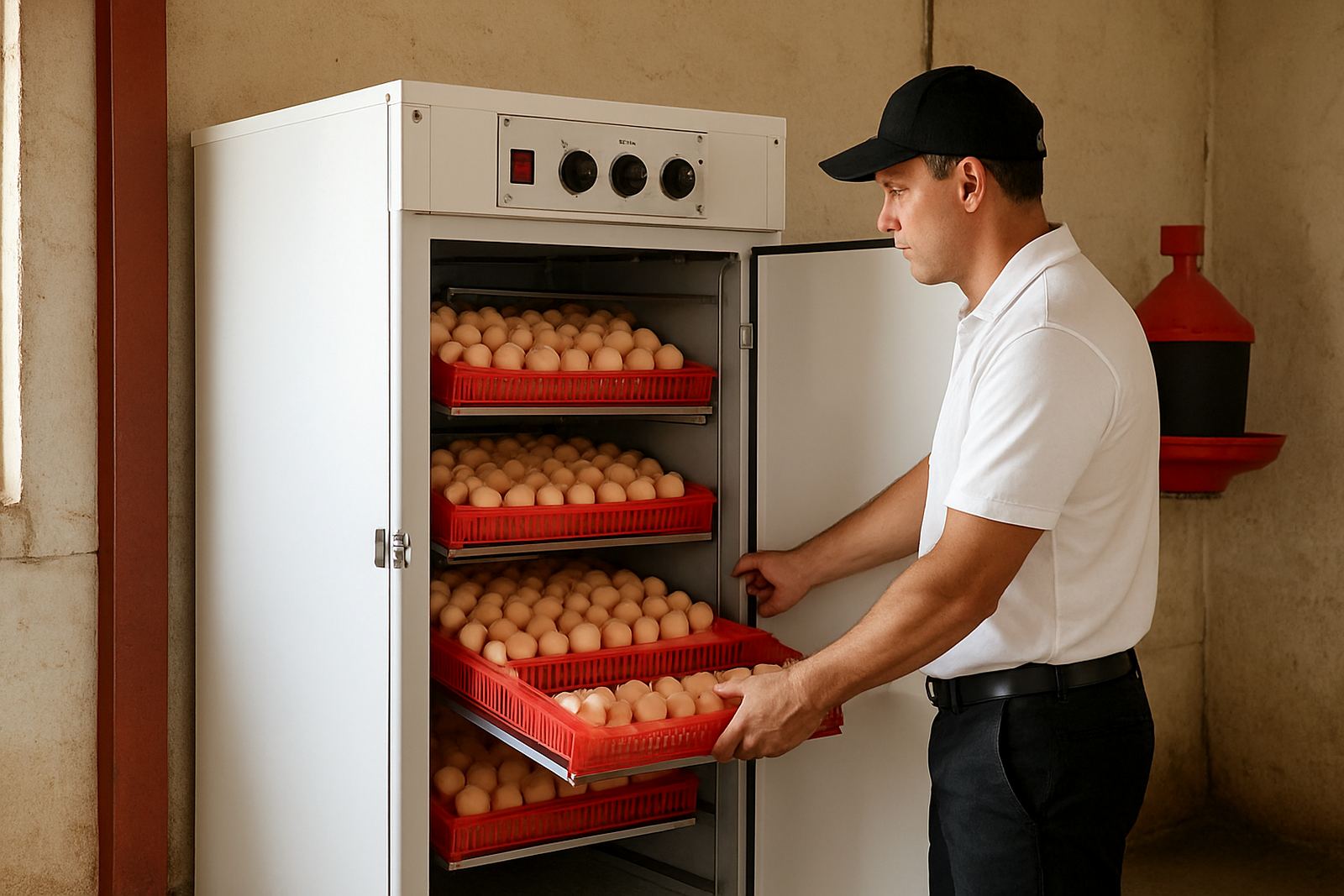
A cabinet incubator is a controlled hatching unit used for eggs that need stable temperature, humidity and turning during the incubation cycle. It is a good fit for a farm shed, a production room, or a small commercial hatchery that wants more control than a basic box unit but does not need a large multiple-stage system.
For many poultry operators, the main benefit is order. Eggs are loaded in trays, conditions are kept steady, and hatch work can be planned in batches. That helps when labour is limited, or when the site runs around load-shedding and you need a process that can be managed in set time blocks. The cabinet format also makes cleaning and access easier than bigger room-based systems.
Cabinet sizes, tray options and build choices
Cabinet incubators are usually selected by egg count per batch, the available room width and the type of bird being worked with. Smaller units are often used for test runs or niche breeding, while larger cabinets suit regular batch production where hatching must keep moving week by week.
- Single cabinet models for starter flocks and small batch work
- Mid-size cabinets for regular poultry output in compact rooms
- Temperature and humidity control matched to the egg load
- Manual or automatic turning options, depending on the model
- Adjustable trays for chicken eggs and similar sized eggs
- Viewing doors and service panels for routine checks
We help match the incubator to the site layout, egg volumes and the way the team actually works. A cabinet that is too small creates bottlenecks, while one that is too large can waste power and space.
Where cabinet incubators suit best
These units suit hatchery rooms in Gauteng, Mpumalanga, Limpopo, North West, Free State and KwaZulu-Natal where output is steady but not huge. They are often used on mixed farms, breeder operations, agri-projects and small processing businesses that need controlled hatching without building a full hatchery block from scratch.
They also work well where the building is limited by municipal space, existing wall positions or poor access. A cabinet unit can be placed in a cleaner, cooler room with proper ventilation and a hard floor, then linked to the rest of the hatchery flow. In coastal areas, humidity control and corrosion resistance matter more, while inland sites often need stronger attention to dust, heat and voltage fluctuation.
For projects near Boksburg, Polokwane, Nelspruit or Pietermaritzburg, we normally look at room temp, water access and electrical supply before the unit is ordered. That saves time later and avoids basic problems that slow hatch work down.
Installation, power and gas requirements
Cabinet incubators need a level surface, good airflow, clean water if humidity is used, and a reliable electrical supply. Most sites require a dedicated point from a protected circuit, with surge protection recommended where the supply is unstable. If the site has regular power interruptions, a backup plan should be in place so the hatch cycle does not drift out of range.
Some cabinet incubators run on electricity only, while others can be linked to gas heating or auxiliary heat sources depending on the design and the project. For any unit that uses gas, the cylinder position, pipe routing and ventilation must be checked before installation. Safety rules and local fire requirements should be followed, especially in enclosed rooms.
- Level floor with enough clearance around the cabinet
- Stable power supply and protection against surges
- Fresh air movement without direct draughts on the cabinet
- Clean water point for humidity systems where fitted
- Safe access for operators and service work
- Space for egg trays, transfer work and cleaning tools
During planning we also check door width, access routes and where the cabinet will sit in relation to other equipment. A tight room can still work, but only if the layout is sorted early.
Daily care and servicing that keeps hatching on track
Cabinet incubators need simple but regular care. Trays, shelves and interior surfaces should be cleaned on a fixed schedule, with disinfecting carried out between batches according to the site protocol. Dust build-up, cracked seals and blocked vents can change conditions inside the cabinet, so those points need checking often.
Temperature and humidity readings should be logged, and turning mechanisms tested before each batch starts. If the unit has alarms or control displays, operators need to know what normal readings look like so a fault is picked up early. A small service issue can become a lost hatch if it is left until the end of the week, that is where most avoidable losses happen.
We can set up maintenance programmes, spares supply and operator training so the team knows what to watch for. That includes cleaning practice, fan checks, seal inspection and the right way to load eggs so airflow is not blocked.
What to check before you order
Before placing an order, it helps to work through the practical details rather than only the egg count. The right cabinet depends on production target, room size, power availability and whether you need turning, humidity control or a matching hatcher stage. If these points are not clear, the unit may still run, but it will not fit the job properly.
- Egg type and weekly batch size
- Target output and future expansion plans
- Room size, floor finish and access width
- Power supply details and backup arrangements
- Need for electric only or gas assisted heating
- Cleaning method, water supply and drainage plan
- Whether installation supervision and training are needed
We also recommend checking who will run the unit each day. A good cabinet incubator is only part of the job. The operator must understand loading, monitoring and transfer timing, otherwise output can vary from batch to batch.
Support from our Jet Park team
From our Jet Park base in Boksburg, we support cabinet incubator supply and poultry project work across South Africa. John Frederick Marshall leads the business, with support from Lerato Mokoena in operations, Sibusiso Dlamini on projects, Anika van der Merwe in technical sales, Thabo Nkosi on service, Nadine Jacobs in procurement and Musa Cele on training and support.
That means we can assist with site planning, equipment selection, house layouts, installation supervision, commissioning, operator training and follow-up service. If you are expanding an existing hatchery or setting up a smaller room for batch work, we can help you choose the cabinet that fits the site and the way you want to run it.
For enquiries, send details of your room size, expected egg numbers and power supply to info@johnfmarshall.co.za so we can work from the real conditions on site.
Key facts
| Product type | Cabinet incubator for batch egg incubation |
|---|---|
| Use case | Small hatchery rooms, breeder units and compact poultry projects |
| Typical capacity | Model dependent, from small batch units to higher egg loads |
| Controls | Temperature control, humidity control and egg turning options |
| Power | Electric supply required, surge protection advised |
| Optional support | Installation supervision, training, maintenance and spares |