Limpopo sites we support from Jet Park
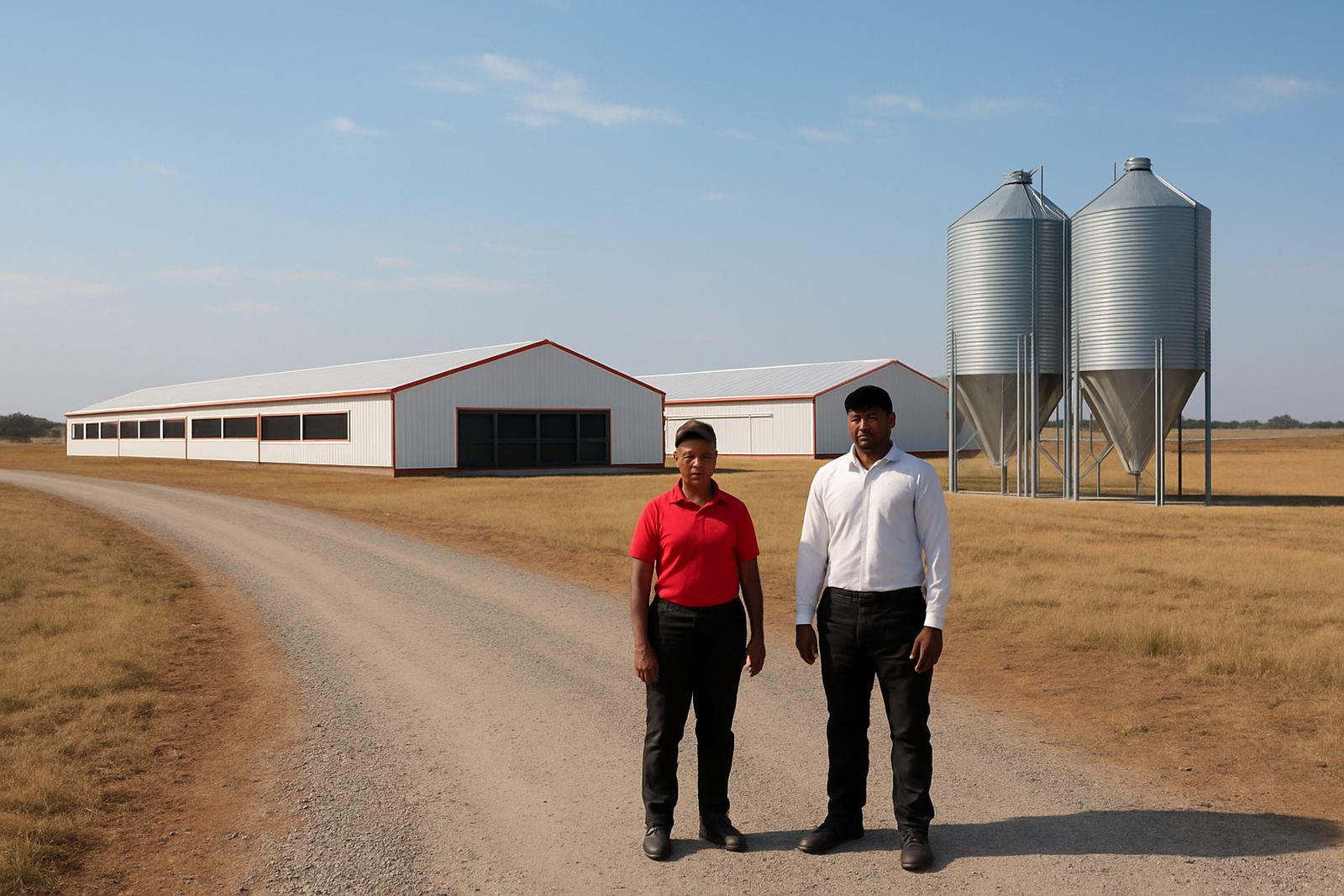
Our Jet Park, Boksburg base gives us regular access into Limpopo for poultry projects, equipment deliveries and service calls. We cover the full province, including Polokwane, Tzaneen, Makhado, Bela-Bela, Lephalale, Mokopane, Modimolle and the surrounding farming areas, so clients can plan around one supplier instead of juggling different contractors for cages, feed systems, drinkers and processing room equipment.
Limpopo has a mix of commercial layer sites, breeder operations, hatchery work, small agri-enterprises and farm-based processing. The province also sees a lot of growth from producers who need phased roll-out planning. That often means starting with one house or one line, then expanding once water supply, power and staffing are in place. We handle that kind of staged work every week and it helps keep projects on budget.
- Layer houses and cage systems
- Brooders and chick-rearing equipment
- Feeders, drinkers and spare parts
- Incubators and hatchery support
- Abattoir and processing room fitout
Why Limpopo poultry projects need local planning
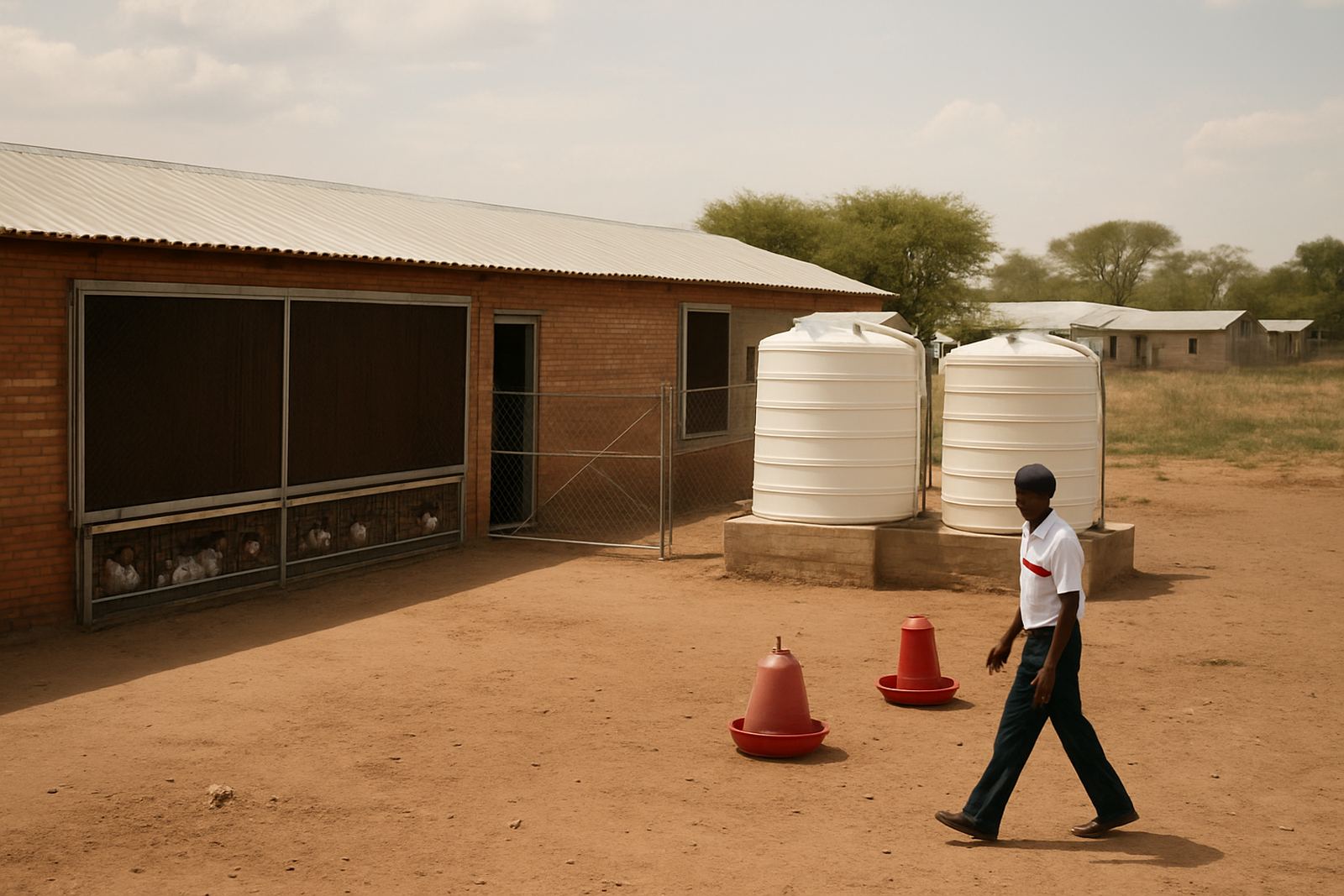
Limpopo heat can change the way a poultry house performs, especially in summer and during long dry spells. Good airflow, shade, correct stocking and water delivery all matter more when temperatures climb. In some areas, dust and hard water bring their own problems too, so the equipment choice has to suit the site, not just the brochure. Municipal approvals and farm access roads can also slow a project down if they are not checked early.
For that reason, we look at the full picture before equipment is selected. House orientation, service access, water pressure, power supply, generator backup for load-shedding, and the type of birds all affect the final layout. We also consider maintenance access because equipment that is hard to clean or repair will cost more over time. A well planned house is easier to manage in peak heat and during pressure peaks from seasonal production.
- Warm air movement and ventilation needs
- Water line layout for high daytime demand
- Backup power planning for shedding periods
- Spacing for cleaning, loading and repairs
- Water quality and mineral build-up in lines
Equipment we supply for Limpopo farms and plants
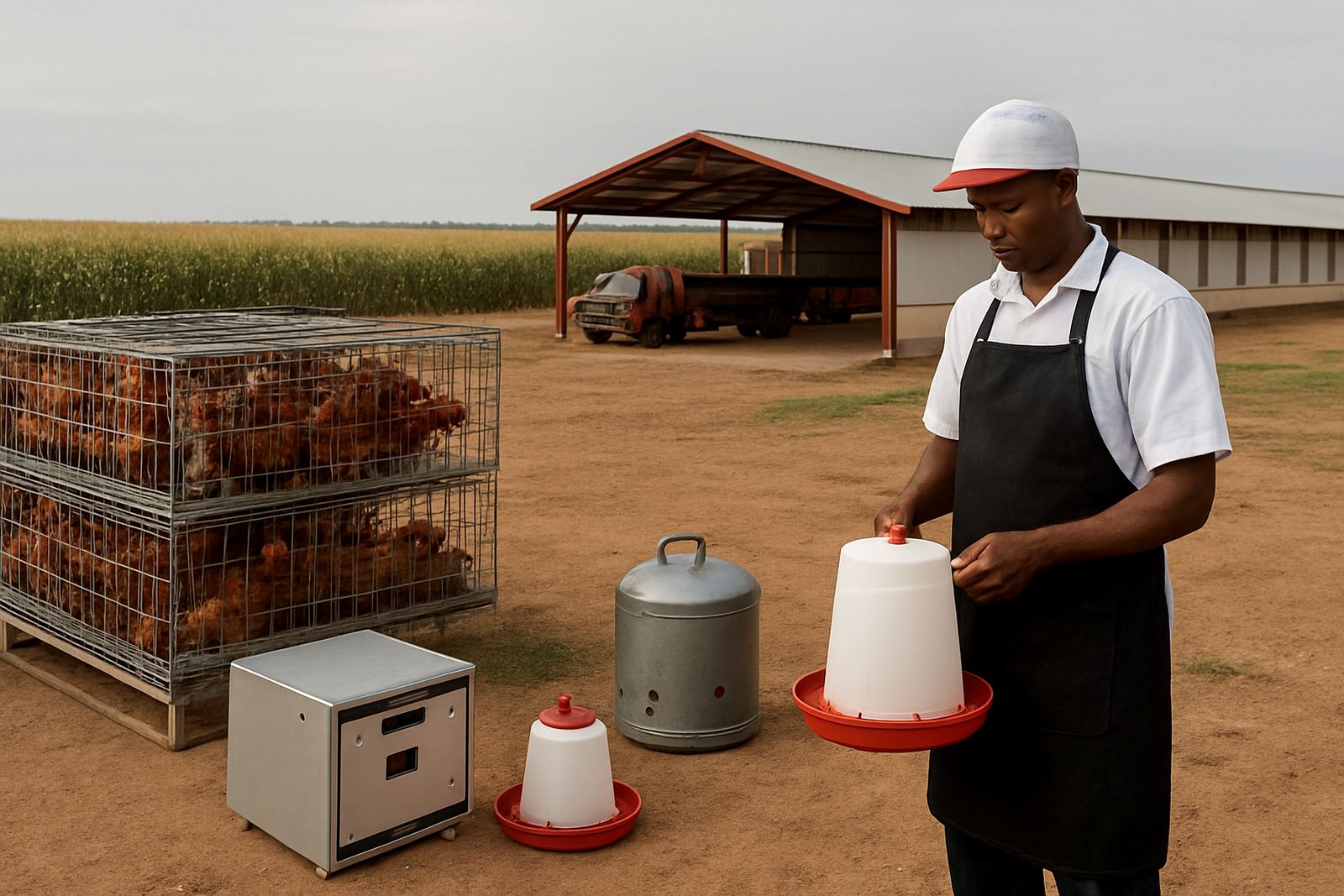
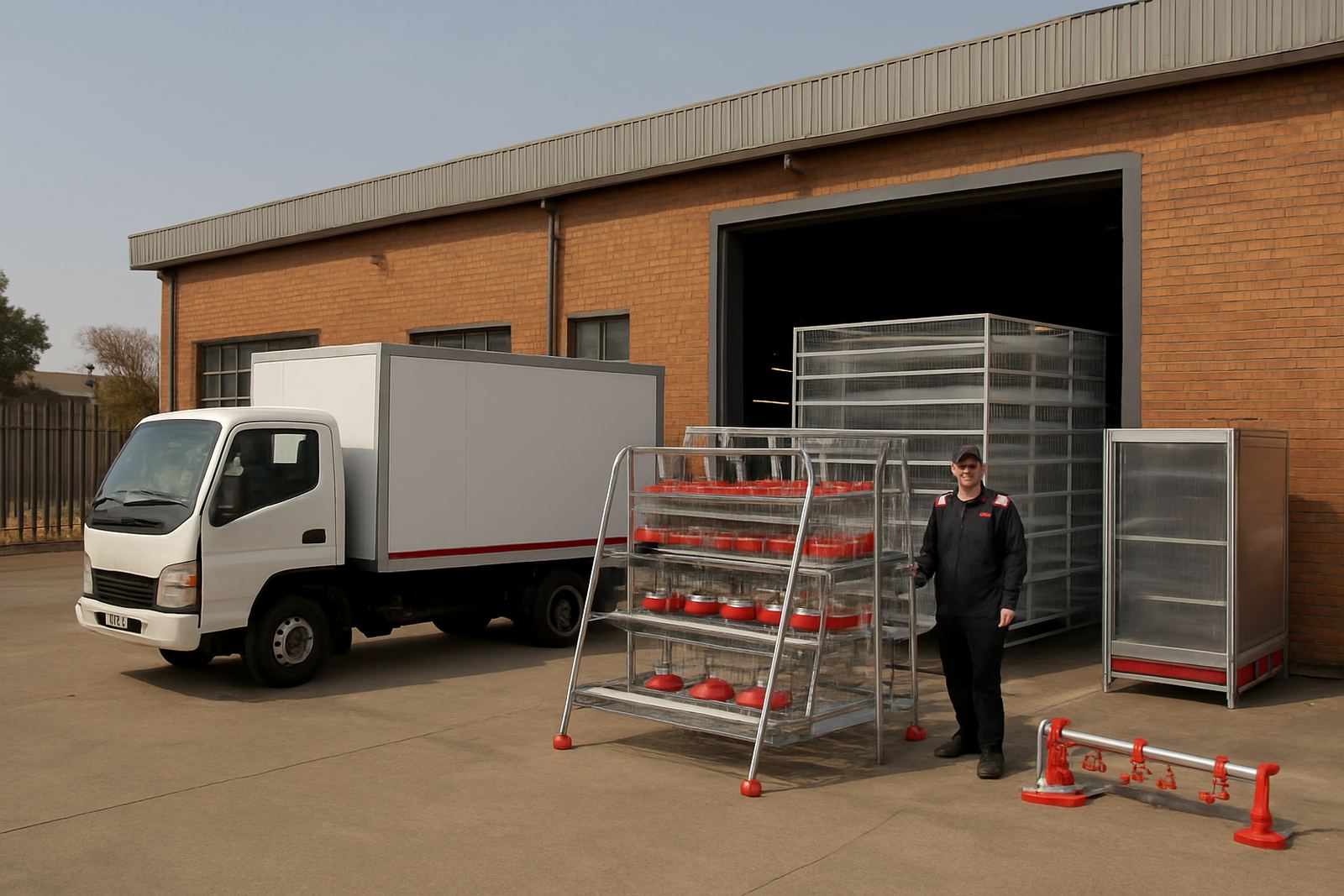
We supply and coordinate equipment for new builds, upgrades and replacements. That includes laying-hen cages, incubation equipment, brooder units, feeders, drinkers and a range of abattoir equipment for processing rooms and livebird handling. For clients building from the ground up, we can help with house layouts and equipment selection so the order matches the production target, the building size and the labour available on site.
For established producers, we also handle expansion upgrades. That might mean adding more cage rows, improving drinker lines, replacing worn parts, or fitting a more practical processing area so day-to-day work is quicker and cleaner. We keep common spares moving through our supply chain because a broken nipple line, motor part or control item can hold up a whole house. As a rule, if a site in Limpopo calls for it, we try to keep the critical items close enough to reduce downtime.
- Laying-hen cages and accessories
- Incubators and hatchery equipment
- Brooders for chick start-up areas
- Feeders and drinkers for house fitouts
- Abattoir equipment and processing room items
- Replacement spares and wear parts
Typical clients in Limpopo
Our Limpopo clients range from family-run poultry businesses to commercial growers and mixed farming operations. Some are focused on table eggs, others on hatchery output or rearing birds for the next stage. We also work with projects tied to farm shops, local supply contracts and rural processing. The common thread is that the equipment has to be practical, serviceable and suited to the available labour and water supply.
We often assist clients who are upgrading from older manual systems to more controlled setups. In that setting, training matters just as much as the hardware. A new drinker line or incubator is only useful if the team knows how to manage it in hot weather, how to clean it correctly and when to spot early faults. Musa Cele leads our training and support side, with follow-up guidance for operators, supervisors and site managers after commissioning.
- Layer producers
- Broiler and breeder units
- Hatchery operators
- Farm-based processors and abattoirs
- Developing agri-enterprises looking to expand
Turnaround, travel and site visits across the province
Because we are based in Gauteng, Limpopo trips are planned around the site, the equipment list and the delivery route. That helps us manage turnaround times sensibly, especially for projects near Polokwane, Bela-Bela, Modimolle and Mokopane where access is straightforward, as well as more remote areas where road time needs to be factored in. For urgent spares or service support, we work to keep lead times honest and practical, not vague.
Sibusiso Dlamini coordinates projects, while Anika van der Merwe handles technical sales and equipment selection. Lerato Mokoena oversees operations and Thabo Nkosi handles service supervision when follow-up work is needed on site. We keep communication direct so a client knows what is being supplied, what is being installed, and what still needs to happen before birds come in. If a replacement part is needed, Nadine Jacobs manages procurement so the order does not get lost in the chain.
For Limpopo producers, the real value is not only the delivery. It is knowing the project has one team watching the planning, the supply and the handover. That reduces mistakes and keeps the build moving, even when weather, transport or municipal timing creates delays.